Understanding Degenerative Disc Disease and Chiropractic Care
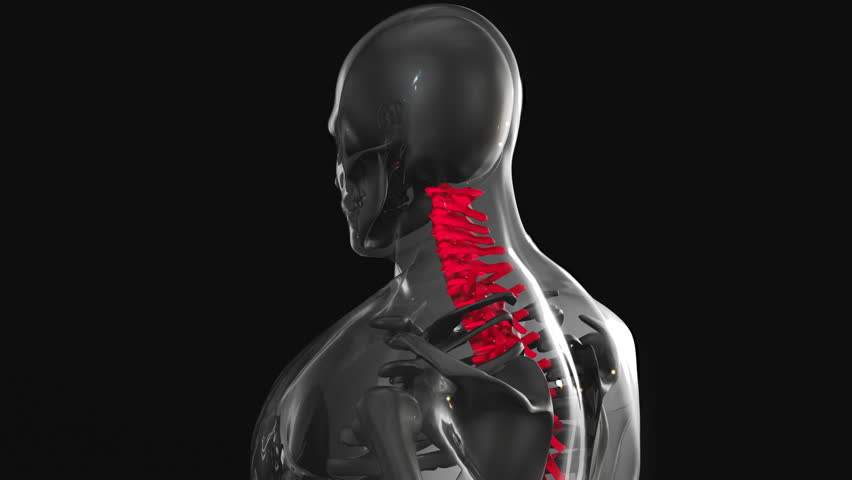
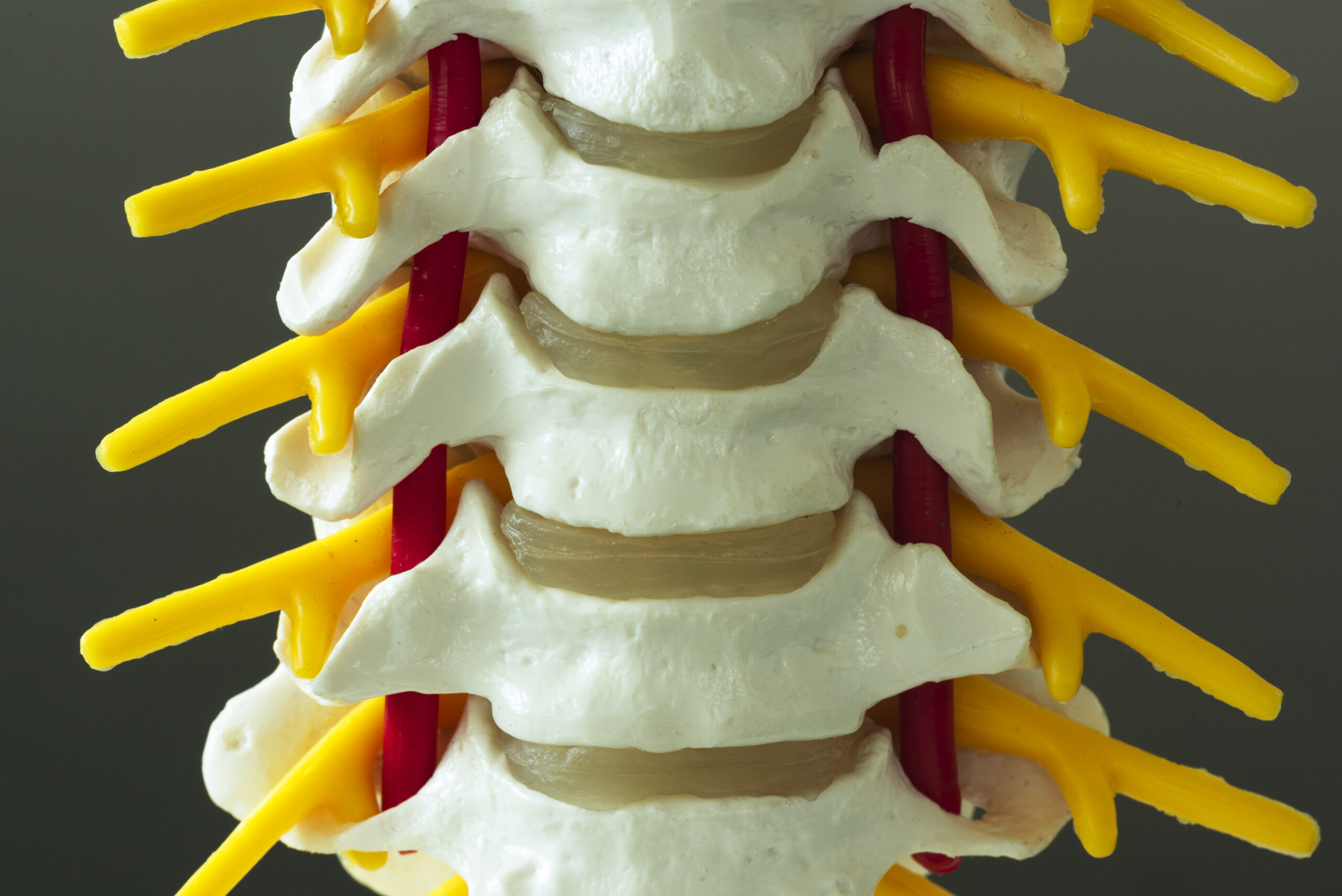
Degenerative disc disease (DDD) involves the gradual breakdown of intervertebral discs, leading to pain, stiffness, and reduced mobility. While not a disease in itself, it often causes chronic discomfort. Chiropractic care focuses on non-surgical, holistic approaches to manage symptoms. Spinal adjustments, soft tissue therapies, and lifestyle guidance are commonly used to alleviate pressure on discs and improve function. These interventions aim to restore alignment, reduce inflammation, and support the body’s natural healing processes. Patients often seek chiropractic care to avoid invasive procedures, emphasizing conservative management strategies. Understanding the role of chiropractic interventions is key to making informed decisions about treatment options.
Spinal Adjustments and Joint Mobilization
Spinal adjustments, a cornerstone of chiropractic care, involve manual manipulations to realign the spine and relieve pressure on affected discs. By restoring proper biomechanics, these techniques can reduce pain and improve mobility. Joint mobilization, a gentler form of adjustment, targets specific areas to enhance range of motion. Both approaches aim to decrease nerve irritation and promote optimal spinal function. While results vary, many patients report improved comfort and reduced reliance on medication. It’s important to note that adjustments are tailored to individual needs, ensuring safety and effectiveness. A qualified chiropractor will assess the spine’s condition before recommending this intervention.
Decompression Therapy for Disc Relief
Spinal decompression therapy uses mechanical traction to gently stretch the spine, creating negative pressure in the discs. This can help rehydrate discs, reduce bulging, and alleviate nerve compression. It is often used for conditions like herniated discs or spinal stenosis, which may accompany DDD. Sessions are typically non-invasive and painless, with patients lying on a specialized table while the spine is slowly extended. Some studies suggest decompression therapy may provide long-term relief for certain patients, though results depend on the severity of the condition. It is often combined with other chiropractic techniques for enhanced outcomes. As with all treatments, a thorough evaluation by a chiropractor is necessary to determine suitability.
Soft Tissue Techniques and Muscle Relaxation
Soft tissue therapies, such as massage and myofascial release, address muscle tension that can exacerbate disc-related pain. Tight muscles around the spine may contribute to misalignment and increased pressure on discs. Chiropractors often use these techniques to improve circulation, reduce inflammation, and enhance flexibility. By loosening restricted tissues, patients may experience less pain and improved movement. Techniques like Active Release Technique (ART) or Graston Therapy are sometimes incorporated to target specific areas. These methods complement spinal adjustments by addressing the surrounding musculature. While not a standalone solution, soft tissue work can significantly enhance overall treatment effectiveness when integrated into a comprehensive care plan.
Exercise and Rehabilitation Strategies
Customized exercise programs are vital for strengthening core muscles, improving posture, and supporting spinal stability. Chiropractors often recommend low-impact exercises like yoga, swimming, or Pilates to enhance flexibility and reduce disc strain. Strengthening the muscles that support the spine can alleviate pressure on degenerated discs and prevent further deterioration. Patients may also receive guidance on proper lifting techniques and ergonomics to minimize injury risk. Consistent adherence to these strategies can lead to long-term pain management and improved quality of life. A chiropractor can design a personalized plan based on individual needs, ensuring safety and gradual progress.
Combining Approaches for Optimal Outcomes
Effective management of degenerative disc disease often requires a multifaceted approach. Chiropractors may combine spinal adjustments, decompression therapy, soft tissue work, and rehabilitation exercises to address multiple aspects of the condition. This integrative strategy aims to reduce pain, restore mobility, and prevent further degeneration. Patients are encouraged to communicate openly with their chiropractor to tailor the treatment plan to their specific needs. While results vary, many find relief through consistent, non-surgical care. It’s essential to consult a licensed professional to explore the best options and monitor progress over time. This collaborative approach empowers patients to take an active role in their recovery journey.