Understanding Patellar Tendinitis and Its Impact
Patellar tendinitis, often called "jumper's knee," is a common overuse injury affecting the patellar tendon, which connects the kneecap to the shinbone. It typically results from repetitive stress on the tendon, often seen in athletes involved in jumping sports like basketball or volleyball. Symptoms include pain and tenderness around the kneecap, especially during activities like running, climbing stairs, or sitting for extended periods. While rest and ice are standard initial treatments, many seek complementary approaches to manage discomfort and restore function. Chiropractic care and kinesio taping have emerged as potential options, offering non-invasive ways to address the condition. Understanding how these methods work can help individuals make informed decisions about their care. However, it’s essential to consult a qualified chiropractor to tailor strategies to individual needs and avoid exacerbating the issue.
Chiropractic Techniques for Patellar Tendinitis
Chiropractic care for patellar tendinitis often focuses on reducing inflammation, improving joint mobility, and addressing biomechanical imbalances. Techniques like soft tissue therapy and joint adjustments may help alleviate pressure on the patellar tendon. Active Release Technique (ART) is one such method, involving precise movements to break up scar tissue and restore normal tendon function. Graston Technique, which uses specialized tools to target adhesions, may also be employed. Chiropractors might incorporate decompression therapy to ease tension in the lower extremities. These approaches aim to enhance blood flow, reduce pain, and support the body’s natural healing processes. While research on their direct efficacy for patellar tendinitis is limited, many patients report improved outcomes when these methods are part of a broader treatment plan. Always discuss potential benefits and risks with a licensed professional before proceeding.
The Role of Kinesio Taping in Tendon Management
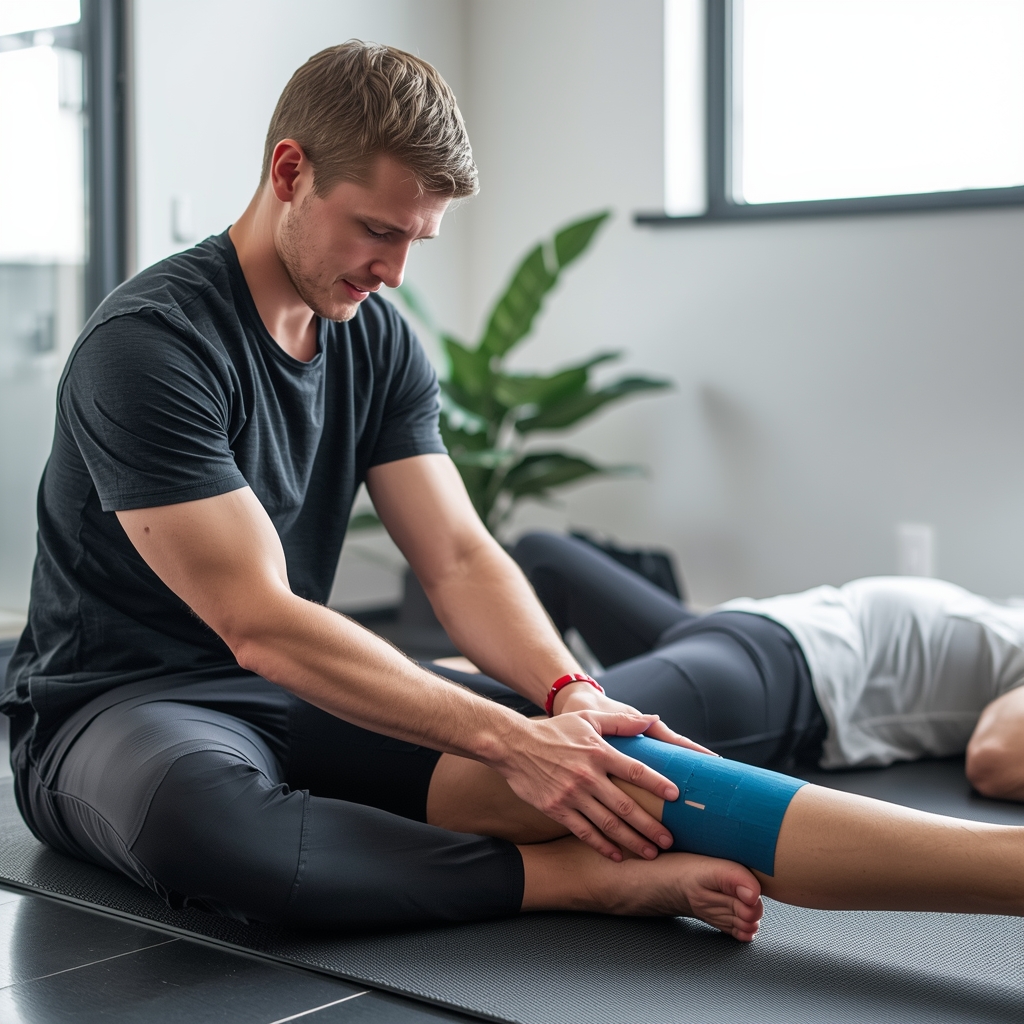
Kinesio taping involves applying elastic therapeutic tape to the skin to support muscles and joints, reduce pain, and improve circulation. For patellar tendinitis, the tape is often applied around the kneecap to provide gentle support and alleviate strain on the patellar tendon. The tape’s elasticity allows for natural movement while offering stability, which can be particularly beneficial during physical activities. Some practitioners suggest that kinesio taping may help reduce swelling and promote proper alignment of the knee joint. While the exact mechanisms are not fully understood, anecdotal evidence and clinical observations indicate it may complement other treatments. It is often used alongside chiropractic adjustments or physical therapy to enhance recovery. However, results can vary, and the tape should be applied by a trained professional to ensure proper placement and avoid skin irritation. As with any therapy, individual responses may differ, requiring personalized adjustments.
Combining Techniques for Enhanced Outcomes
Integrating chiropractic techniques with kinesio taping can create a synergistic effect in managing patellar tendinitis. For example, a chiropractor might use soft tissue therapy to address muscle tightness around the knee before applying kinesio tape for ongoing support. This combination can help reduce pain, improve mobility, and prevent further strain on the tendon. Some practitioners may also incorporate corrective exercises to strengthen the quadriceps and hamstrings, which play a role in knee stability. By addressing both structural and functional aspects of the condition, this multi-modal approach may lead to more comprehensive relief. However, the effectiveness of such combinations depends on the individual’s specific needs and the expertise of the healthcare provider. It’s crucial to work with a qualified chiropractor who can assess the condition and design a tailored treatment plan that balances these interventions appropriately.
Considerations for Patients and Practitioners
When exploring chiropractic care and kinesio taping for patellar tendinitis, both patients and practitioners must prioritize safety and individualized care. Patients should disclose their medical history, including any previous knee injuries or conditions, to ensure these treatments are suitable. Practitioners must conduct thorough evaluations to determine the underlying causes of the tendinitis, as misdiagnosis could lead to ineffective or harmful interventions. For instance, conditions like patellofemoral pain syndrome or meniscus tears may present similar symptoms but require different approaches. Additionally, patients should be aware that these methods are not substitutes for medical advice and may not work for everyone. Open communication between the patient and chiropractor is essential to monitor progress and make necessary adjustments. Regular follow-ups can help track improvements and ensure the treatment remains aligned with the patient’s goals.
Evidence-Based Approaches and Future Directions
While chiropractic care and kinesio taping are widely used, their effectiveness for patellar tendinitis remains an area of ongoing research. Current evidence suggests that these methods may provide symptomatic relief and support rehabilitation when used alongside conventional treatments like physical therapy. However, more rigorous studies are needed to establish their long-term efficacy and optimal application. Patients are encouraged to seek care from chiropractors who stay informed about the latest developments in musculoskeletal health. As research advances, guidelines may evolve to better define the role of these interventions in managing patellar tendinitis. In the meantime, a collaborative approach—combining chiropractic techniques, kinesio taping, and other evidence-based strategies—offers the best chance for positive outcomes. Always consult a qualified healthcare provider to discuss the most appropriate options for your condition.