Understanding Lumbar Spinal Stenosis and Conservative Care Options
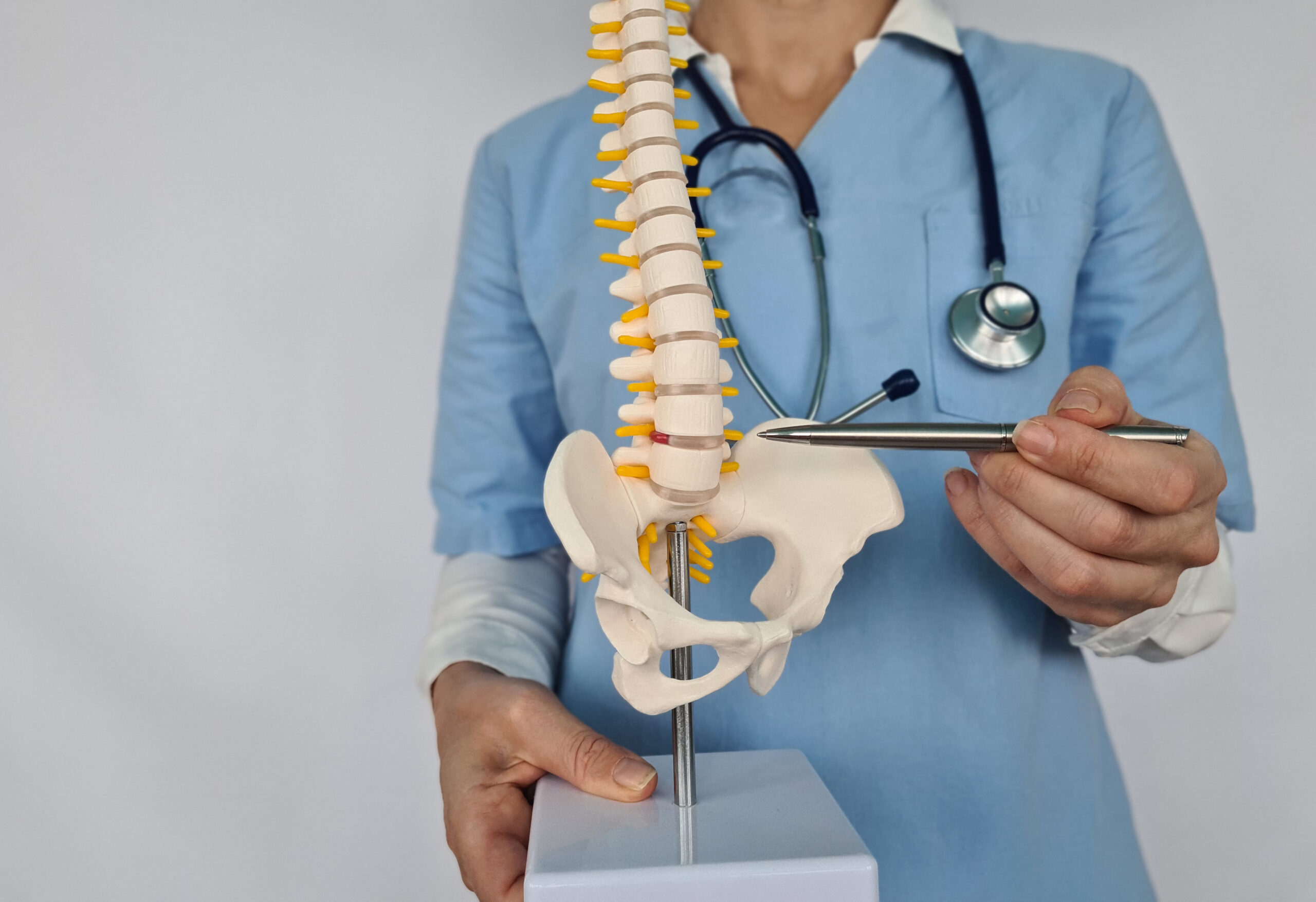
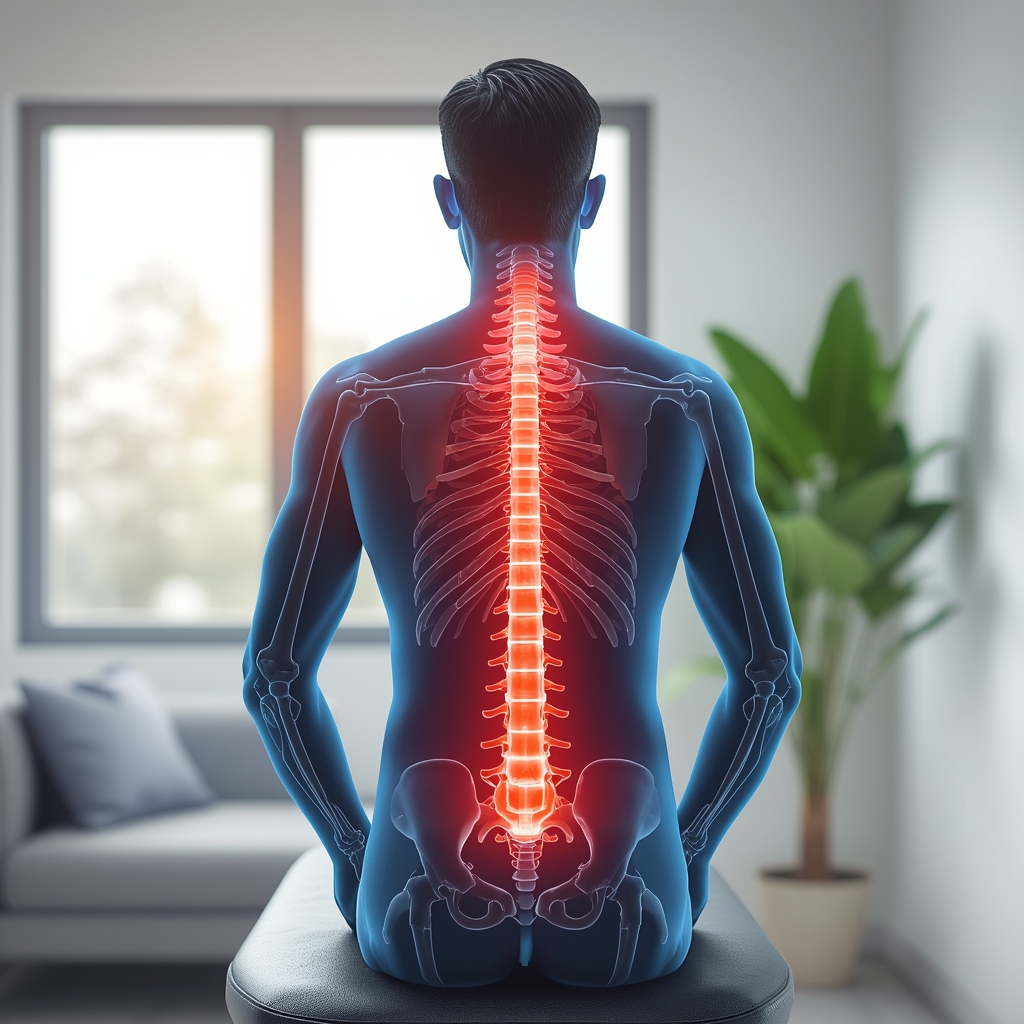
Lumbar spinal stenosis occurs when the spinal canal in the lower back narrows, compressing nerves and causing pain, numbness, or weakness in the legs. Conservative chiropractic approaches aim to alleviate symptoms without surgery by addressing structural imbalances, reducing inflammation, and improving mobility. These methods focus on non-invasive techniques to enhance nerve function and spinal stability. While individual results vary, many patients find relief through a combination of adjustments, therapeutic exercises, and lifestyle modifications. It is crucial to consult a licensed chiropractor to develop a personalized plan, as proper diagnosis and tailored care are essential for effective management.
Spinal Adjustments and Manipulation Techniques
Spinal adjustments, a cornerstone of chiropractic care, involve manual or instrument-assisted realignment of the vertebrae to reduce pressure on affected nerves. For lumbar stenosis, gentle adjustments may help restore proper spinal mechanics and improve nerve flow. Techniques like diversified or activator methods are commonly used to address misalignments contributing to stenosis. While adjustments alone may not cure the condition, they can complement other therapies by enhancing mobility and reducing discomfort. Patients often report improved posture and reduced pain after consistent care. However, these interventions should always be performed by a qualified professional to ensure safety and effectiveness.
Decompression Therapy for Nerve Relief
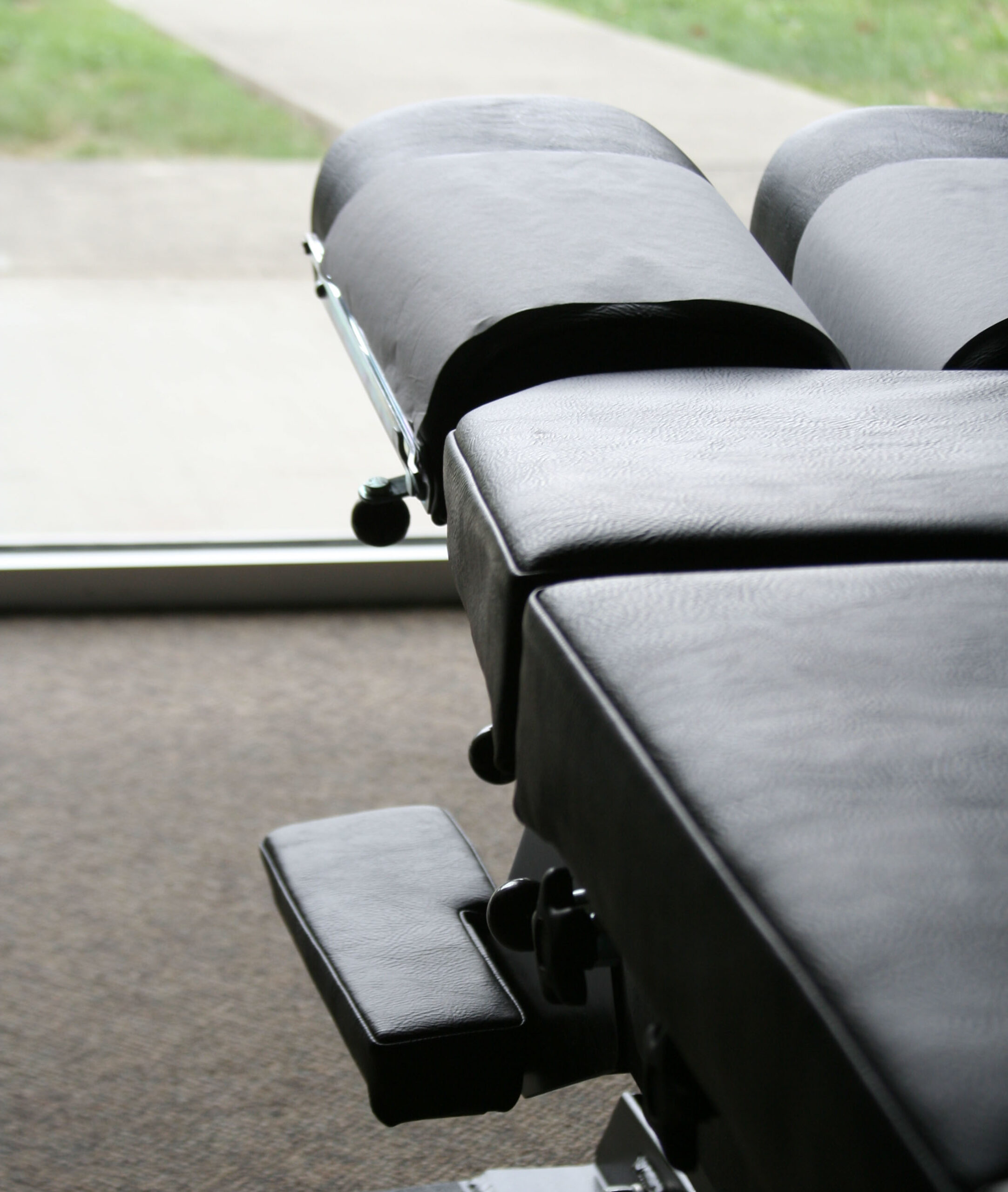
Spinal decompression therapy uses mechanical traction to gently stretch the spine, creating space between vertebrae and relieving pressure on compressed nerves. This non-surgical approach is often recommended for lumbar stenosis to alleviate leg pain and improve circulation. By reducing nerve irritation, decompression may help restore function and decrease inflammation. Many chiropractors integrate this therapy with other modalities, such as heat or cold therapy, to enhance outcomes. While not a guaranteed solution, patients frequently describe reduced discomfort and increased mobility. As with all treatments, a thorough evaluation is necessary to determine suitability and ensure proper technique.
Soft Tissue Therapy and Myofascial Release
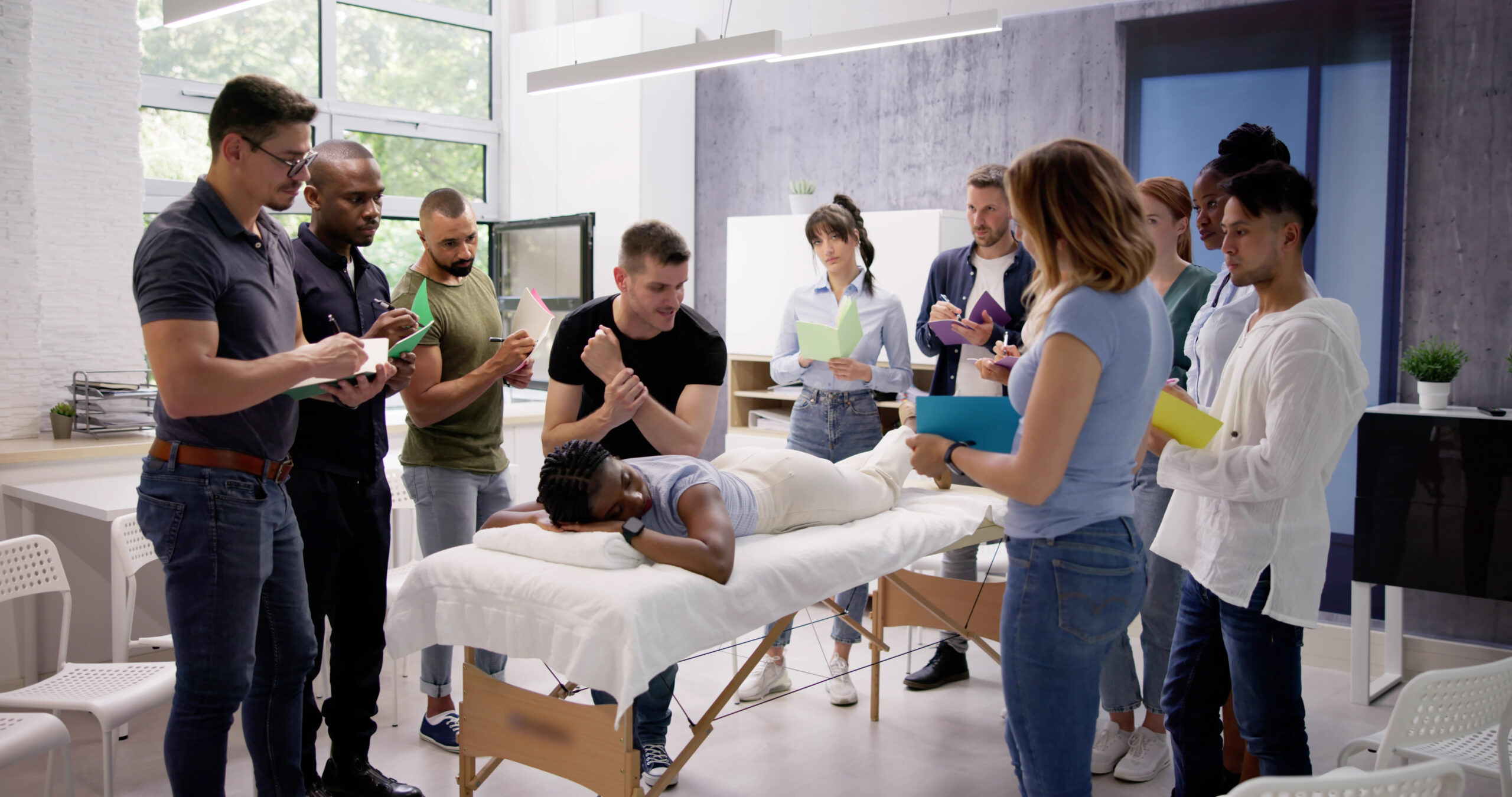
Soft tissue therapy targets tight muscles and connective tissues surrounding the spine, which can exacerbate stenosis symptoms. Techniques like massage, myofascial release, and Active Release Technique (ART) help reduce muscle tension, improve blood flow, and ease nerve compression. By addressing muscular imbalances, these therapies can support spinal alignment and decrease pain. Chiropractors may use tools or manual pressure to release trigger points and restore flexibility. Patients often experience relief from radiating leg pain and improved range of motion. Combining soft tissue work with spinal adjustments can create a holistic approach to managing lumbar stenosis effectively.
Corrective Exercises and Postural Reeducation
Customized corrective exercises are vital for strengthening core muscles, improving posture, and stabilizing the spine. Chiropractors may recommend stretches and low-impact movements to enhance flexibility and reduce strain on the lumbar region. Postural reeducation helps patients adopt habits that minimize pressure on the spine, such as proper sitting and lifting techniques. Consistent practice of these exercises can prevent further degeneration and support long-term relief. While results vary, many individuals report reduced pain and increased functionality. Always work with a chiropractor to ensure exercises are safe and tailored to your specific condition.
Lifestyle Modifications and Complementary Approaches
Lifestyle changes play a significant role in managing lumbar stenosis. Ergonomic adjustments, weight management, and regular physical activity can reduce spinal stress and improve overall well-being. Chiropractors may also suggest complementary therapies like acupuncture or cold laser treatment to reduce inflammation and promote healing. Stress management techniques, such as mindfulness or breathing exercises, can further support recovery by minimizing muscle tension. While these approaches are not substitutes for professional care, they can enhance the effectiveness of chiropractic treatments. A multidisciplinary strategy, guided by a qualified provider, offers the best chance for symptom relief and improved quality of life.