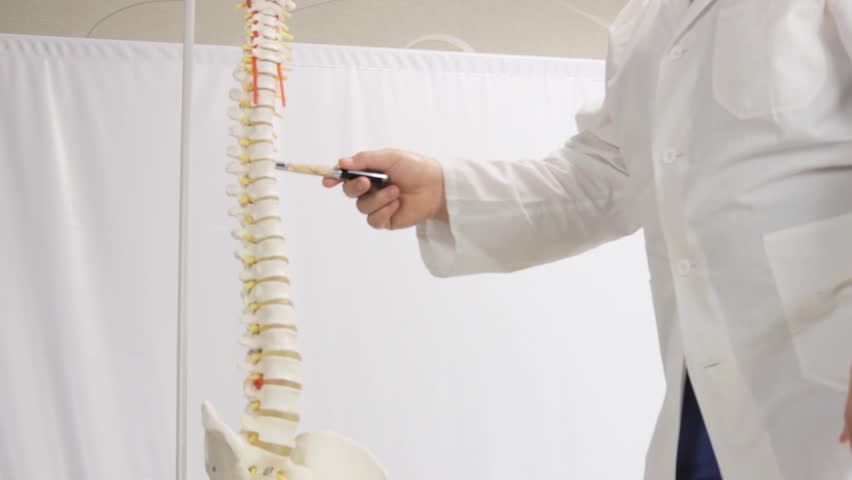
Defining the Purpose and Audience for Your Spinal Health Podcast
Begin by clarifying the podcast’s primary goal: educating listeners about spinal health while fostering engagement. Determine your target audience—patients, wellness enthusiasts, or healthcare professionals—and tailor content to their needs. Avoid focusing on personal success stories or functional medicine collaborations, which are already covered in other series. Instead, emphasize foundational spinal anatomy, common conditions, and evidence-based practices. Frame each episode as a resource for informed decision-making rather than a prescriptive guide. This approach aligns with chiropractic ethics and ensures content remains general, avoiding medical advice. By focusing on education, you build trust and position your practice as a credible authority in spinal health.
Structuring Educational Content Around Key Spinal Health Topics
Develop a content roadmap covering essential themes like posture, degenerative disc disease, and nerve function. Break complex topics into digestible segments, such as “How Spinal Alignment Affects Nervous System Function” or “Recognizing Red Flags in Back Pain.” Use analogies and real-world examples to simplify concepts without oversimplifying. Avoid jargon unless explained, and ensure each episode includes a clear takeaway. For instance, an episode on spinal stenosis could explain symptoms, causes, and non-invasive management strategies. Prioritize topics that address common patient concerns while adhering to evidence-based care principles. This structure ensures consistency and provides value without overlapping with existing formats like patient interviews.
Engaging Listeners Through Interactive and Diverse Formats
Incorporate dynamic formats to maintain listener interest, such as Q&A segments, case studies, or expert interviews with non-chiropractic professionals. For example, a “Myth vs. Fact” episode could debunk common misconceptions about spinal adjustments. Use storytelling to illustrate how spinal health impacts daily life, such as explaining how poor posture contributes to chronic pain. Avoid monologues by inviting guest speakers or audience participation through social media polls. Balance educational depth with accessibility—use visuals or diagrams in accompanying materials to reinforce key points. This variety keeps content fresh and encourages repeat listening, fostering long-term patient engagement without veering into unregulated medical advice.
Strategies for Distribution and Audience Growth
Promote your podcast through multiple channels to maximize reach. Leverage your practice’s website, social media, and email newsletters to notify existing patients and attract new listeners. Collaborate with local wellness influencers or health organizations for cross-promotion. Optimize episode titles and descriptions with keywords like “spinal health tips” or “back pain solutions” to improve searchability. Consider hosting live Q&A sessions or webinars tied to podcast themes to deepen engagement. Avoid overemphasizing specific treatments or products, focusing instead on general wellness. By building a community around your content, you create a loyal audience that views your practice as a trusted source of spinal health education.
Measuring Impact and Refining Your Podcast Strategy
Track listener feedback and engagement metrics to evaluate your podcast’s effectiveness. Use surveys or social media interactions to identify popular topics and areas for improvement. Monitor download numbers and episode completion rates to gauge content relevance. Adjust your approach based on data—revise underperforming segments or expand on high-interest themes. Maintain a consistent release schedule to build audience expectations and trust. Regularly review your content against chiropractic ethics guidelines to ensure it remains educational and non-promotional. This iterative process ensures your podcast remains valuable, engaging, and aligned with your practice’s mission.
Avoiding Common Pitfalls in Educational Podcast Production
Steer clear of overstepping into medical advice by framing all content as general information. Avoid using testimonials or success stories that could imply guaranteed outcomes, which may conflict with regulatory standards. Ensure all claims are supported by widely accepted medical consensus rather than unverified anecdotes. Maintain neutrality when discussing alternative therapies, focusing on evidence-based practices. Regularly review content with a qualified chiropractic professional to uphold accuracy and compliance. By prioritizing education over promotion, you safeguard your practice’s reputation while delivering meaningful value to listeners. This careful approach ensures your podcast remains a trusted resource for spinal health information.