Understanding Tech Neck in Teenagers
Tech neck, a modern posture-related condition, occurs when excessive screen time causes the head to tilt forward, straining the cervical spine. Teenagers are particularly vulnerable due to prolonged use of smartphones, tablets, and computers. This posture places significant stress on the neck, shoulders, and upper back, potentially leading to chronic pain, reduced mobility, and long-term musculoskeletal issues. The condition is exacerbated by poor ergonomic setups and limited physical activity. Addressing tech neck requires a combination of environmental adjustments and targeted exercises to restore natural spinal alignment. By fostering awareness and proactive habits, teens can mitigate the risks associated with tech neck. Healthcare professionals, including chiropractors, often recommend personalized strategies to support posture and movement. Understanding the root causes is the first step toward effective intervention.
Ergonomic Adjustments for Tech Use
Creating an ergonomic workspace is critical for reducing tech neck. Teens should position screens at eye level to prevent forward head posture, using books or monitor stands if necessary. Chairs should provide lumbar support, with feet flat on the floor or a footrest. Keyboards and mice should be placed to keep wrists straight, minimizing strain. Adjusting desk height to allow elbows at 90-degree angles further promotes proper posture. Limiting screen time and taking frequent breaks to stretch are also essential. Parents and caregivers can help by evaluating home workspaces for ergonomic compliance. Simple adjustments, like using a supportive pillow for reading or gaming, can also make a difference. These changes encourage healthier habits without requiring significant financial investment. By prioritizing ergonomics, teens can reduce physical strain and foster long-term spinal health.
Postural Exercises for Teenagers
Targeted postural exercises can counteract the effects of tech neck by strengthening weakened muscles and improving flexibility. Gentle neck stretches, such as tilting the head side to side or rolling the shoulders, help relieve tension. Chin tucks—gently pulling the chin inward—can retrain the neck into a neutral position. Strengthening the upper back and core through exercises like wall angels or planks supports better posture. Yoga and Pilates offer holistic approaches, combining movement with mindfulness. Teens should perform these exercises regularly, ideally daily, to build muscle memory. However, it’s important to avoid overexertion and consult a healthcare provider for personalized guidance. Consistency is key, but exercises should be enjoyable to encourage long-term adherence. Combining physical activity with posture awareness creates a proactive approach to managing tech neck.
The Role of Regular Movement Breaks
Continuous screen time without movement worsens tech neck by stiffening muscles and reducing blood flow. Encouraging teens to take frequent breaks—every 20–30 minutes—can alleviate strain. The 20-20-20 rule (looking at something 20 feet away for 20 seconds every 20 minutes) reduces eye fatigue while prompting movement. Simple activities like walking, stretching, or deep breathing during breaks reset posture and circulation. Teens can use phone reminders or apps to track break intervals. Incorporating light physical activity, such as jumping jacks or wall push-ups, reinforces muscle engagement. These habits not only combat tech neck but also boost overall energy and focus. Parents and educators can model healthy behaviors by prioritizing movement. Small, consistent changes in routine lead to significant long-term benefits for spinal health.
Chiropractic Care and Posture Guidance
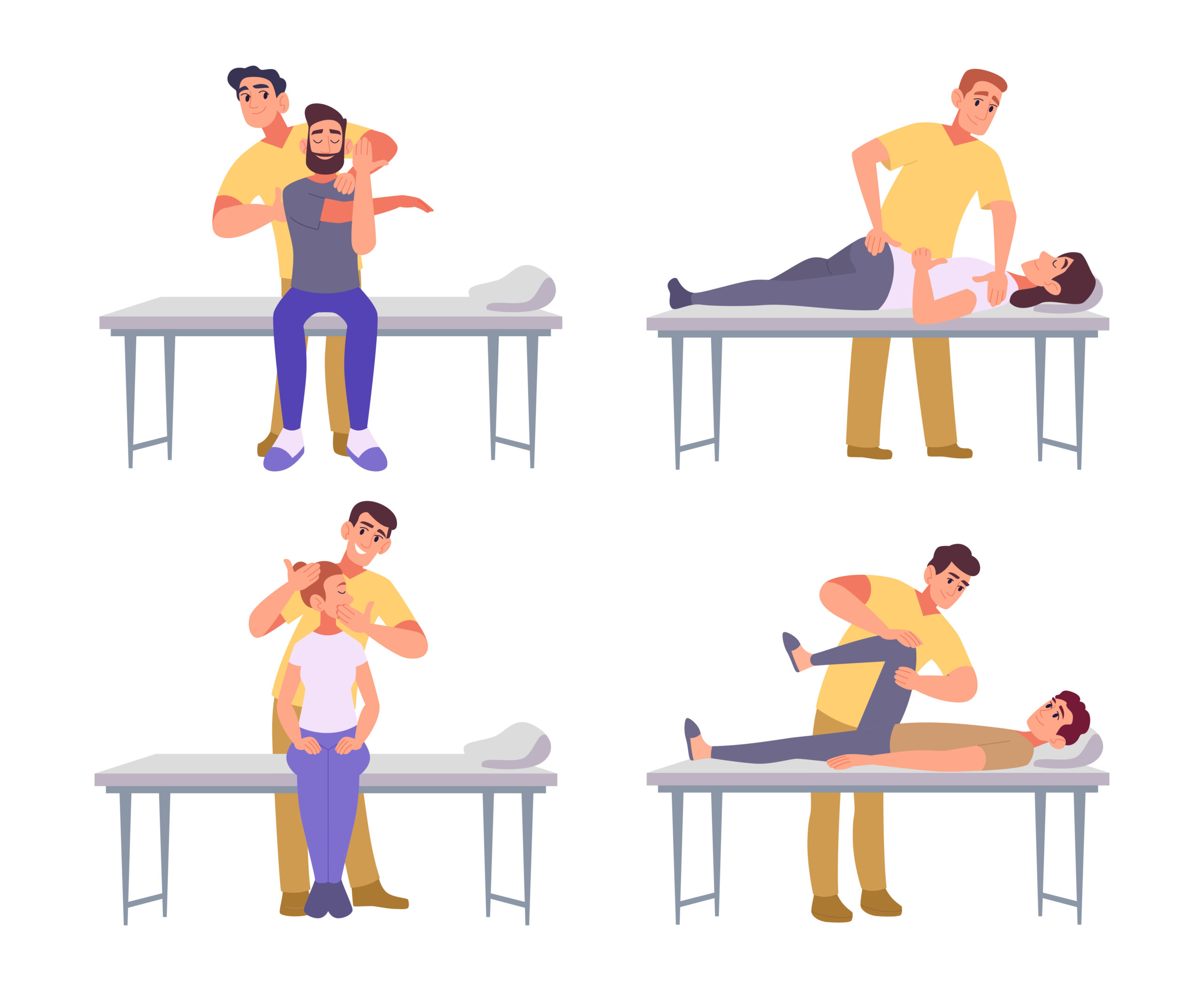
Chiropractic care offers non-invasive solutions for addressing tech neck and its underlying causes. Professionals can assess posture, identify misalignments, and recommend tailored interventions. Spinal adjustments may relieve pressure on nerves and muscles, while soft tissue therapies reduce tension. Chiropractors often collaborate with teens to develop sustainable posture habits, such as proper sitting and sleeping positions. They may also suggest ergonomic tools or exercises to complement treatment. Regular checkups ensure ongoing support as teens grow and adapt to new tech habits. It’s important to consult a licensed chiropractor for personalized care, as each individual’s needs vary. Combining chiropractic care with lifestyle changes creates a comprehensive approach to managing tech neck. Open communication with healthcare providers ensures safe and effective outcomes.
Encouraging Long-Term Healthy Habits
Building resilience against tech neck requires fostering lifelong habits, not just temporary fixes. Teens should be educated on the connection between posture, movement, and overall well-being. Schools and families can promote awareness through workshops or open discussions. Setting reminders to check posture or stretch can integrate healthy practices into daily routines. Encouraging physical activities like sports or dance counteracts sedentary behaviors. Limiting recreational screen time and prioritizing outdoor play also helps. Parents can model good posture and ergonomic practices at home. By making posture a priority, teens develop skills to protect their bodies in an increasingly digital world. Consistent effort, combined with professional guidance, empowers them to maintain spinal health for years to come.