Understanding Vestibular Dysfunction After a Concussion
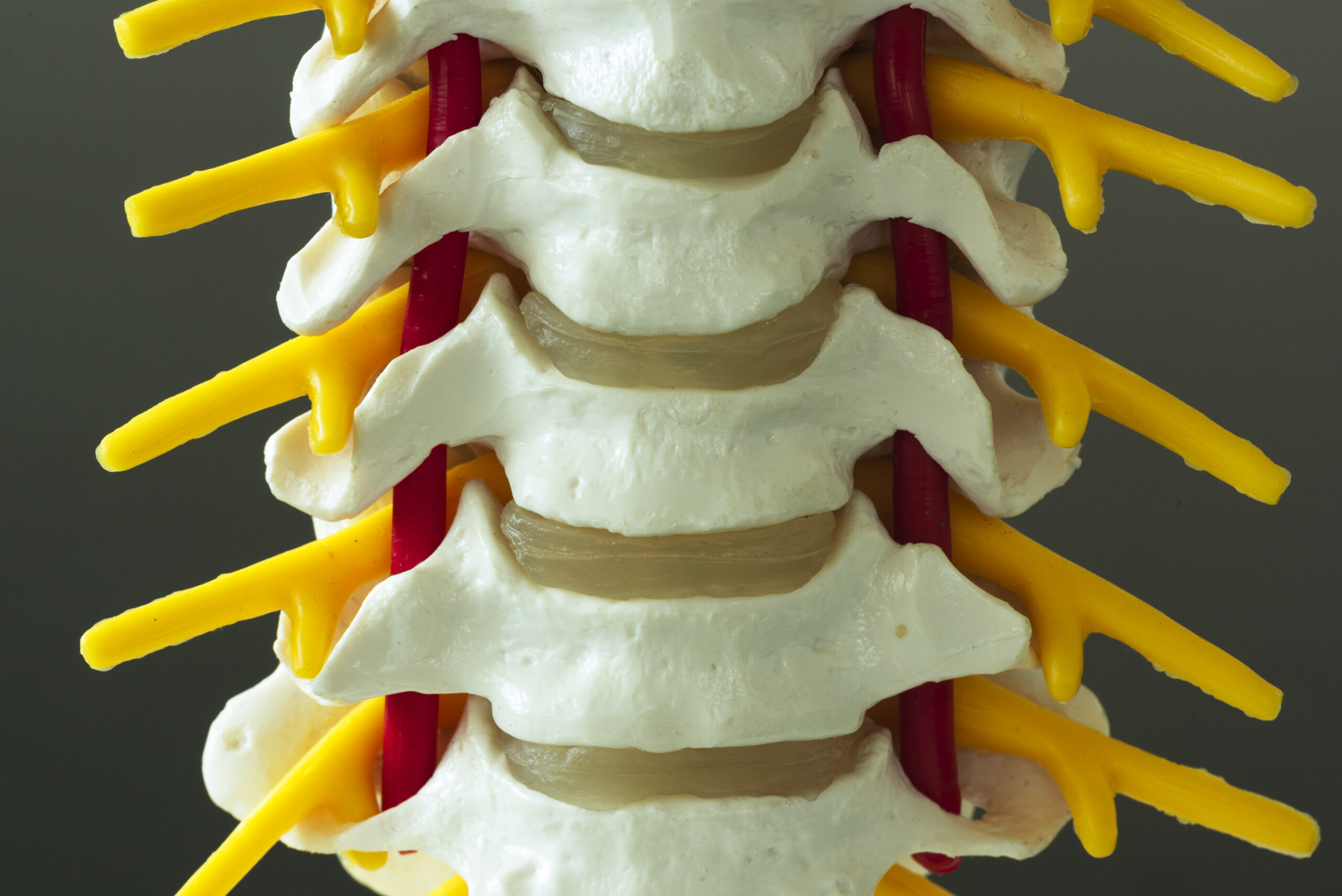
Vestibular dysfunction refers to disruptions in the inner ear and brain's ability to process balance and spatial orientation. Following a concussion, this system can become impaired, leading to symptoms like dizziness, vertigo, balance issues, and difficulty with coordination. These challenges often persist beyond the initial injury, affecting daily activities and quality of life. While the exact mechanisms vary, trauma to the head or neck can impact the vestibular system, which is closely linked to the cervical spine. This connection underscores the potential role of chiropractic care in addressing post-concussion vestibular issues, as spinal alignment and nervous system function play a critical role in overall balance and sensory processing.
The Role of Chiropractic Care in Post-Concussion Recovery
Chiropractic care focuses on the relationship between the spine and nervous system, which is vital for regulating balance and coordination. After a concussion, misalignments in the cervical spine (neck) may contribute to ongoing vestibular symptoms. Chiropractors aim to restore proper spinal function, potentially reducing pressure on nerves and improving communication between the brain and body. This holistic approach can complement traditional medical treatments, offering a non-invasive option for managing persistent dizziness or imbalance. By addressing structural and neurological factors, chiropractic care may support the body’s natural healing processes, helping patients regain stability and reduce discomfort associated with vestibular dysfunction.
Techniques Used to Address Vestibular Dysfunction
Chiropractors may employ a variety of techniques to support patients with post-concussion vestibular issues. Spinal adjustments are commonly used to correct misalignments in the cervical spine, which can alleviate pressure on nerves and improve overall function. Soft tissue therapies, such as myofascial release, may also be utilized to reduce tension in the neck and surrounding areas, promoting better mobility. Additionally, some practitioners incorporate vestibular rehabilitation exercises, which are designed to retrain the brain’s balance systems. These exercises, when combined with manual therapies, can help patients regain confidence in their movements. While the effectiveness of these techniques varies, many individuals report improvements in symptoms when these approaches are tailored to their specific needs.
Personalized Treatment Plans for Individual Needs
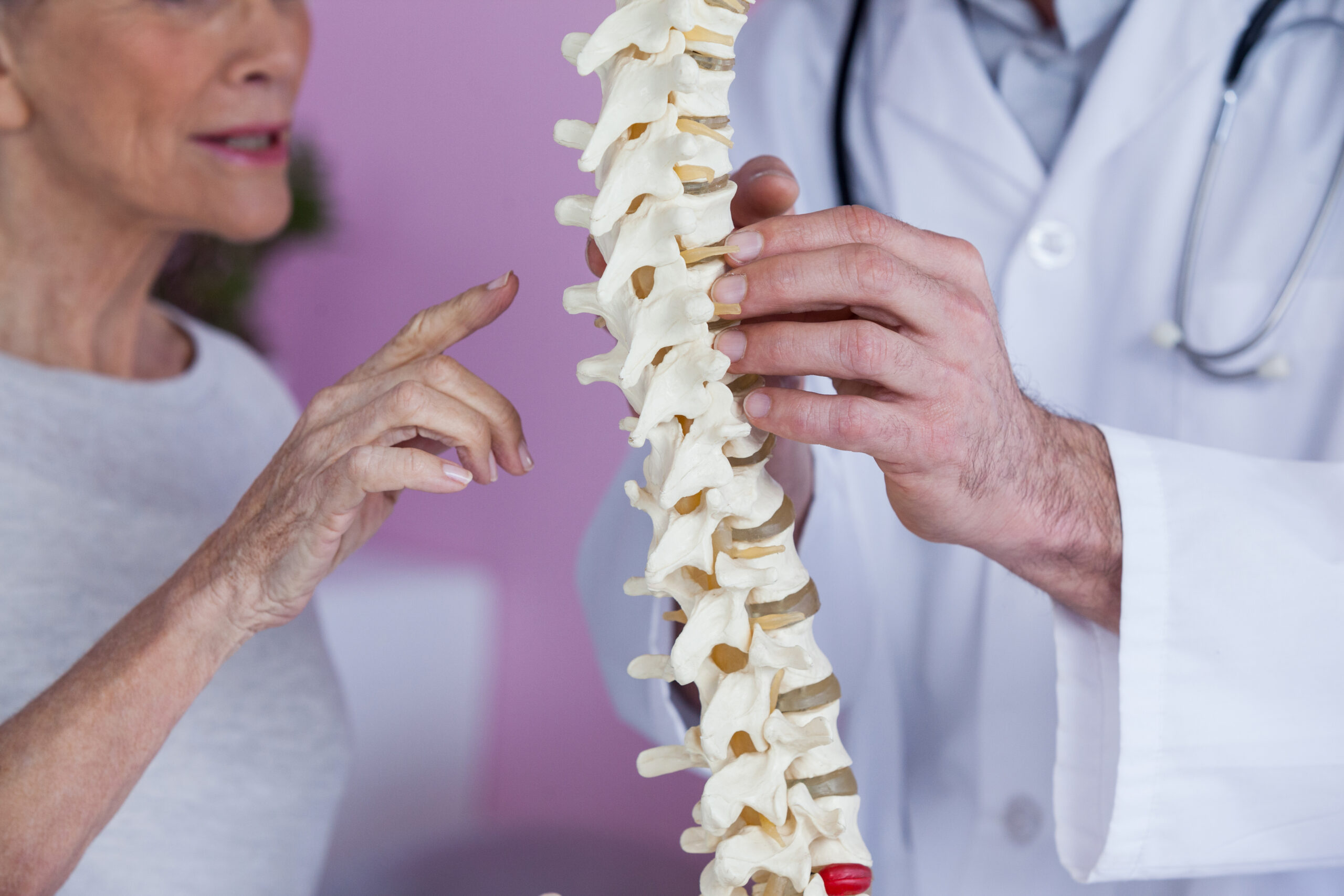
Every concussion and subsequent vestibular dysfunction is unique, requiring a customized approach to care. Chiropractors typically begin with a thorough evaluation, including a review of symptoms, medical history, and physical examination. This assessment helps identify specific areas of concern, such as cervical spine misalignments or muscle tension, that may contribute to balance issues. Based on these findings, a personalized treatment plan is developed, incorporating techniques like spinal adjustments, soft tissue work, and targeted exercises. Patients are often encouraged to communicate openly about their progress, allowing for adjustments to the plan as needed. This individualized strategy ensures that care is both effective and adaptable, addressing the complex interplay between the nervous system, musculoskeletal structure, and vestibular function.
What to Expect During Chiropractic Sessions
During initial chiropractic sessions for vestibular dysfunction, patients can expect a comprehensive evaluation to assess their condition. This may involve checking for spinal misalignments, muscle tightness, or other factors affecting balance. Subsequent visits typically include hands-on treatments such as spinal adjustments or soft tissue therapies, which are performed with care to minimize discomfort. Patients may also be guided through specific exercises to strengthen vestibular pathways and improve coordination. The pace of treatment varies depending on the severity of symptoms and individual response. While some people notice improvements quickly, others may require ongoing sessions to achieve lasting results. Open communication with the chiropractor is essential to ensure the approach remains aligned with the patient’s goals and comfort level.
Collaborating with Healthcare Providers for Comprehensive Care
Chiropractic care for vestibular dysfunction should be part of a broader, multidisciplinary approach to recovery. Working alongside medical professionals, such as neurologists or physical therapists, ensures that all aspects of the condition are addressed. Chiropractors may refer patients to specialists for additional testing or treatments, such as vestibular therapy or imaging, to rule out other causes of symptoms. This collaboration helps create a cohesive plan that integrates various therapies, maximizing the chances of successful recovery. Patients are encouraged to share their chiropractic care details with their primary healthcare provider to maintain consistency in their treatment. By combining expertise from different fields, individuals can receive well-rounded support, enhancing their ability to manage and overcome post-concussion vestibular challenges.