Understanding the Link Between Posture and TMJ Dysfunction
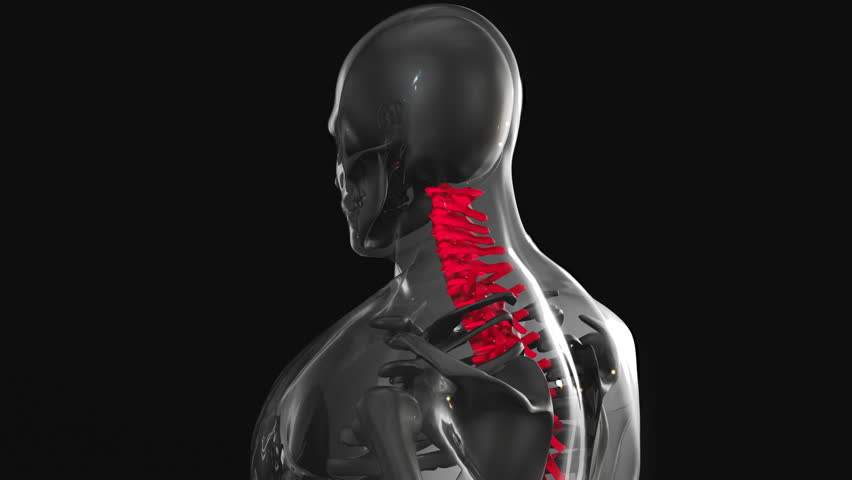
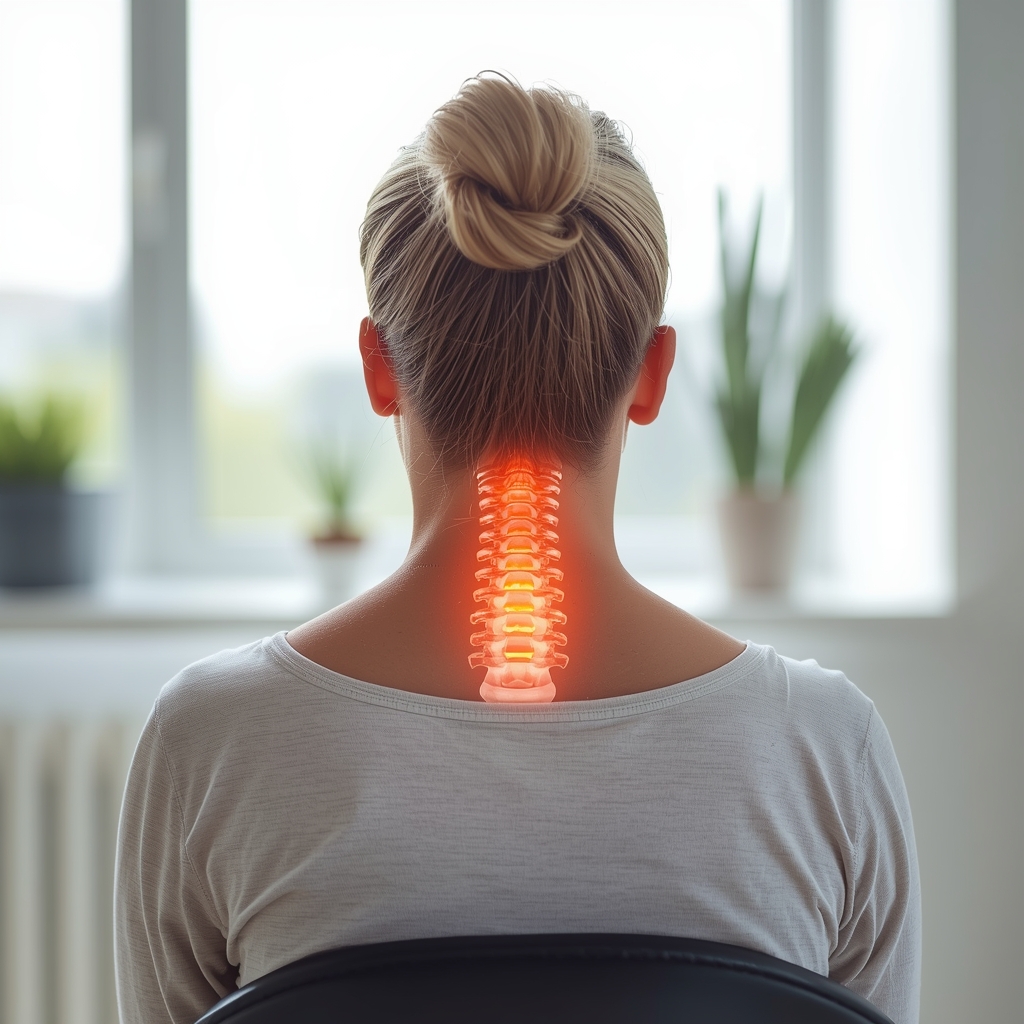
Forward head posture, a common postural imbalance where the head shifts forward relative to the shoulders, can significantly impact the temporomandibular joint (TMJ). This misalignment places excessive strain on the cervical spine and surrounding musculature, potentially leading to TMJ dysfunction. The jaw joint, located just below the ear, is closely connected to the neck’s biomechanics. When the head protrudes, it alters the natural curve of the cervical spine, increasing tension in the neck and jaw muscles. This tension can cause uneven pressure on the TMJ, contributing to symptoms like pain, clicking, or limited jaw movement. While TMJ dysfunction is often attributed to factors like teeth grinding or arthritis, postural imbalances are an underappreciated yet critical component. Addressing these postural issues may offer a holistic approach to managing TMJ symptoms, emphasizing the interconnected nature of the body’s structures.
The Role of Postural Correction in Alleviating TMJ Symptoms
Correcting forward head posture can play a pivotal role in reducing TMJ dysfunction by restoring balance to the cervical spine and jaw. Postural correction techniques, such as ergonomic adjustments, targeted exercises, and manual therapies, aim to realign the head, neck, and shoulders. When the head returns to a neutral position, the muscles supporting the jaw and neck can function more efficiently, reducing strain on the TMJ. For example, strengthening the deep neck flexors and stretching tight chest muscles can improve posture and indirectly ease TMJ discomfort. Additionally, maintaining proper posture during daily activities—like sitting at a desk or using a smartphone—can prevent further misalignment. While these strategies may not resolve TMJ issues alone, they address a foundational cause, potentially enhancing the effectiveness of other treatments. A chiropractor can guide patients in developing a personalized postural correction plan tailored to their needs.
Cervical Spine Adjustments and Their Impact on TMJ
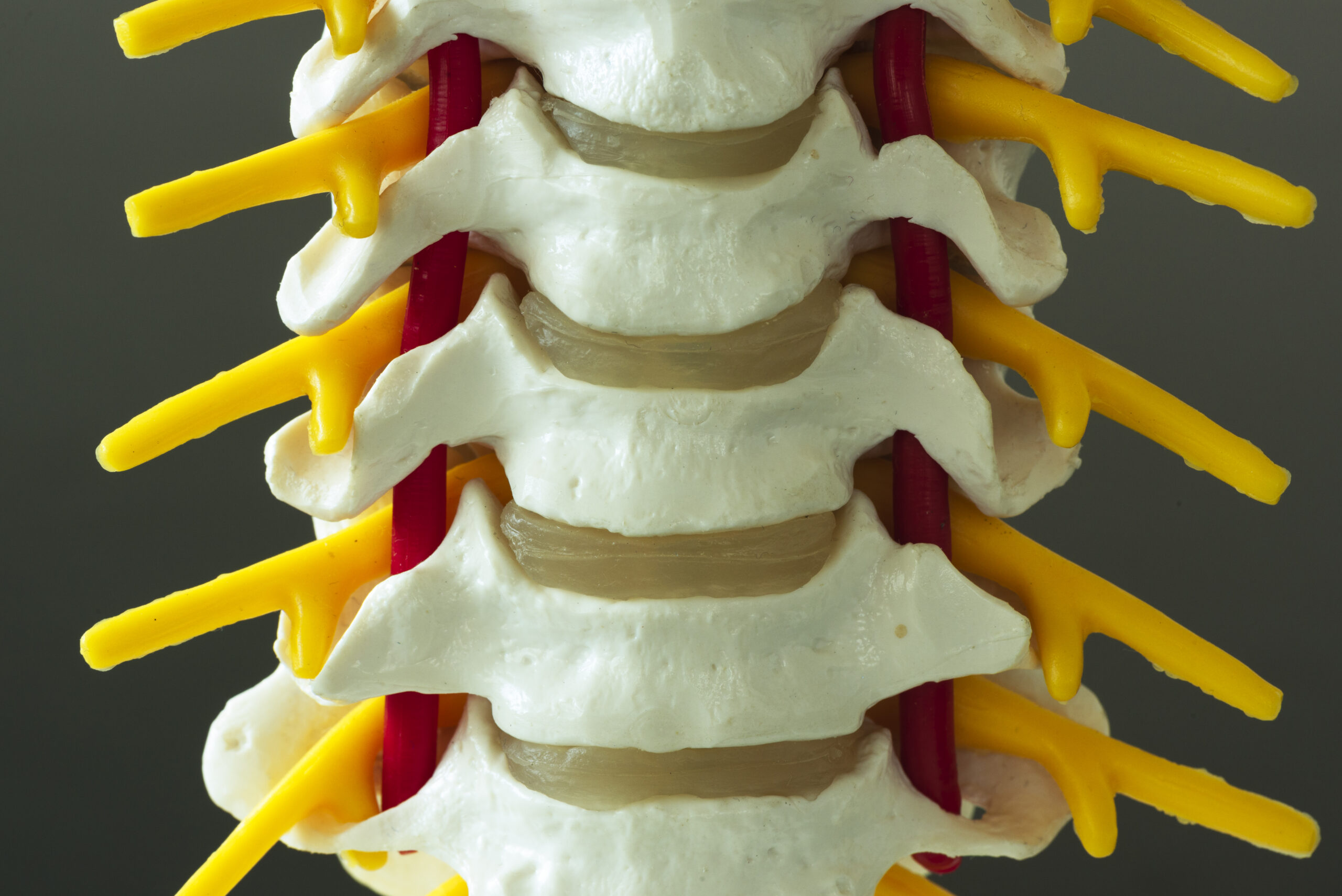
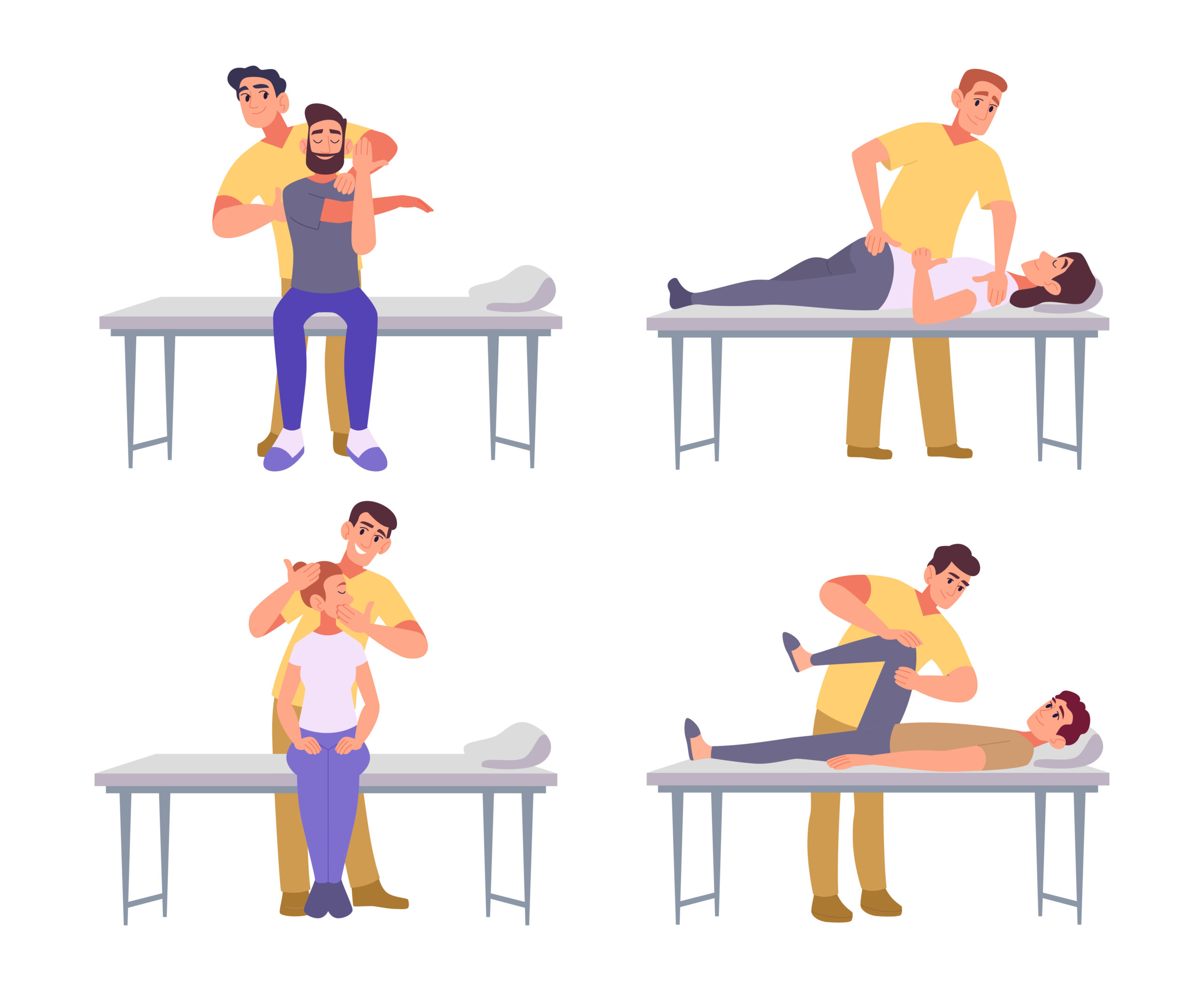
Cervical spine adjustments, a core component of chiropractic care, may directly influence TMJ dysfunction by addressing misalignments in the neck. When the vertebrae in the cervical spine are out of alignment, they can compress nerves or irritate muscles that extend into the jaw area. This disruption can contribute to TMJ pain and limited mobility. Chiropractors use precise adjustments to restore proper spinal alignment, which may alleviate pressure on the trigeminal nerve—the primary nerve responsible for facial sensation and jaw movement. By improving cervical spine function, these adjustments can reduce referred pain to the TMJ and promote better overall jaw mechanics. However, the relationship between cervical adjustments and TMJ is complex, requiring a thorough evaluation to determine individual suitability. Patients should work with a qualified chiropractor to explore this approach as part of a comprehensive treatment strategy.
Integrating Postural Correction with Chiropractic Care
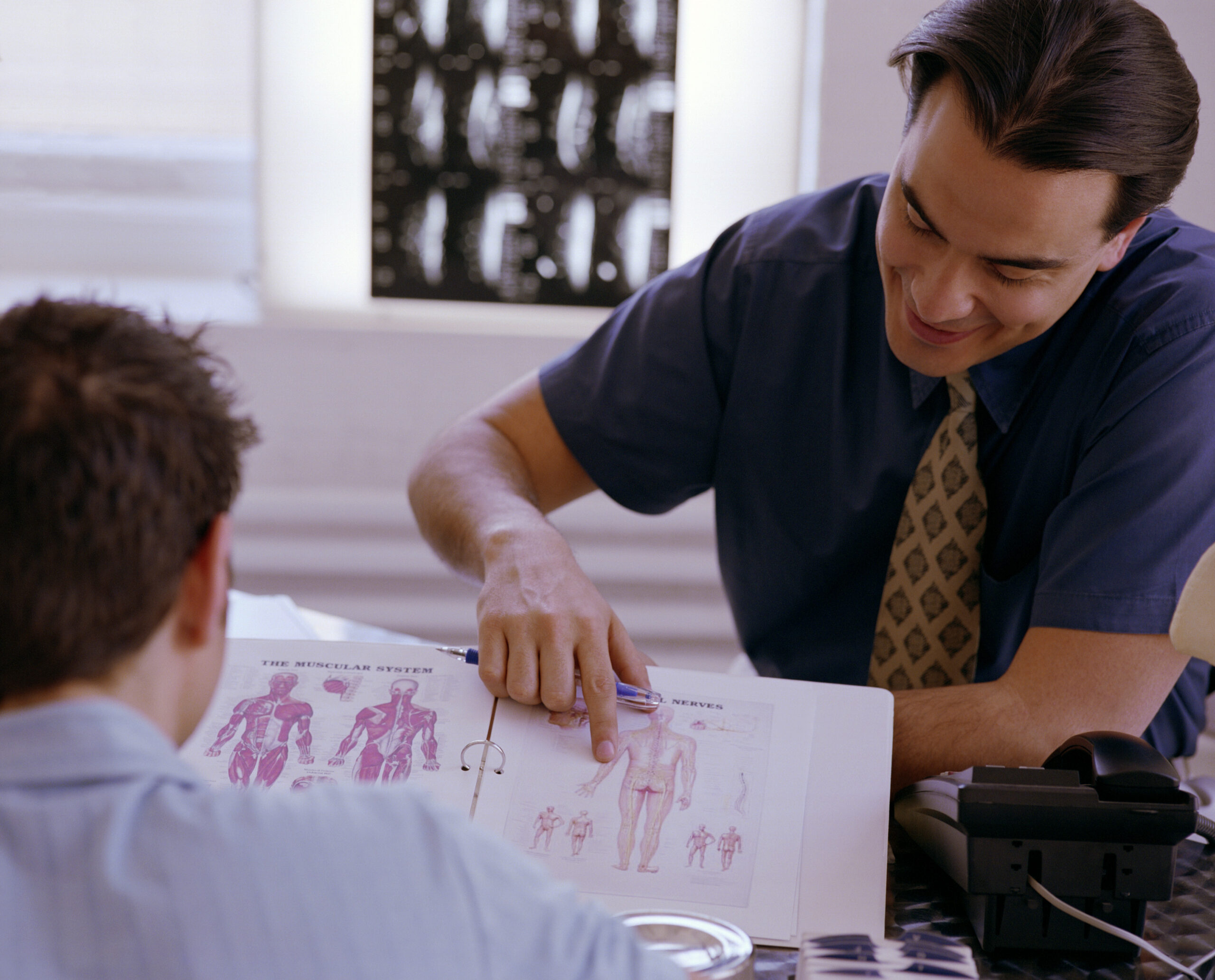
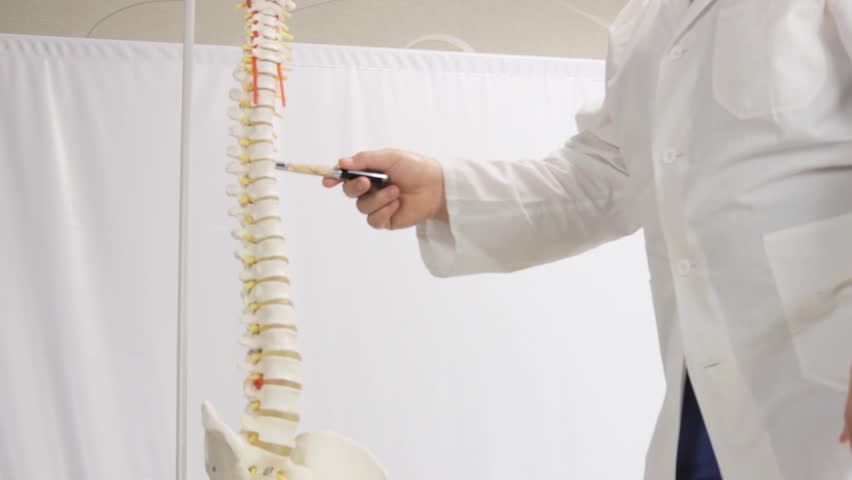
Combining postural correction with chiropractic care offers a multifaceted approach to addressing TMJ dysfunction. Chiropractors often assess a patient’s posture during initial evaluations, recognizing that forward head posture can exacerbate jaw joint issues. Treatment plans may include spinal adjustments to correct cervical misalignments, alongside postural retraining exercises to reinforce proper alignment. For instance, a chiropractor might recommend specific stretches or strengthening routines to support the neck and jaw muscles. This integrated approach not only targets the immediate symptoms of TMJ dysfunction but also addresses underlying postural imbalances that may contribute to recurring issues. Patients are encouraged to maintain consistent follow-ups to monitor progress and adjust strategies as needed. By treating the body as an interconnected system, chiropractic care can provide lasting relief for those struggling with TMJ-related discomfort.
Lifestyle and Ergonomic Modifications for Long-Term Relief
Long-term relief from TMJ dysfunction linked to forward head posture often requires lifestyle and ergonomic adjustments. Simple changes, such as adjusting computer monitor height to eye level or using an ergonomic chair, can reduce the strain of prolonged sitting. Practicing mindful posture throughout the day—keeping the ears aligned with the shoulders and the head upright—can also prevent further misalignment. Additionally, incorporating regular movement breaks and stretching exercises can counteract the sedentary habits that contribute to poor posture. Patients may benefit from using posture-supportive devices, like cervical pillows or ergonomic keyboards, to maintain proper alignment during rest and work. These modifications, when combined with chiropractic care, create a supportive environment for the body to heal. Consistency is key, as small, sustainable changes can lead to significant improvements in both posture and TMJ function over time.
When to Seek Professional Help for TMJ and Postural Issues
If TMJ dysfunction persists despite self-care efforts, consulting a healthcare professional is essential. A chiropractor specializing in postural correction and TMJ disorders can conduct a thorough assessment to identify contributing factors, such as cervical misalignments or muscular imbalances. They may recommend a combination of spinal adjustments, postural retraining, and targeted therapies to address the root causes of the issue. For patients with complex or chronic symptoms, collaboration with other specialists—such as physical therapists or dentists—may be necessary. It’s important to remember that each individual’s condition is unique, and a personalized treatment plan is crucial for effective outcomes. By seeking professional guidance, patients can explore evidence-based strategies to alleviate TMJ discomfort and improve overall posture, ultimately enhancing their quality of life.