Understanding 'Innate Intelligence' in Chiropractic Philosophy
Chiropractic philosophy centers on the concept of 'Innate Intelligence,' a foundational belief that the body possesses an inherent ability to self-regulate and heal. This principle suggests that the nervous system, particularly the spine, acts as the primary communication network between the brain and the body. By ensuring proper spinal alignment, chiropractors aim to remove interference that may hinder this natural healing process. This perspective emphasizes the body's capacity to maintain balance and function without external intervention, positioning chiropractic care as a supportive rather than corrective practice. For chronic pain patients, this philosophy underscores the importance of addressing the root causes of discomfort rather than merely managing symptoms, fostering a holistic approach to wellness.
How Innate Intelligence Shapes Chronic Pain Treatment
The belief in Innate Intelligence influences chiropractic treatment by prioritizing the body's natural healing mechanisms. Chronic pain is often viewed as a signal of underlying imbalances rather than an isolated issue. Chiropractors using this philosophy focus on restoring optimal nervous system function through adjustments and lifestyle guidance, aiming to empower the body to heal itself. This approach avoids over-reliance on medications or invasive procedures, instead promoting non-invasive, patient-centered care. By aligning the spine and reducing nerve interference, practitioners seek to enhance the body's ability to adapt and recover. This mindset encourages patients to engage actively in their health journey, fostering a partnership between provider and individual to achieve long-term well-being.
The Role of the Spine in Facilitating Innate Intelligence
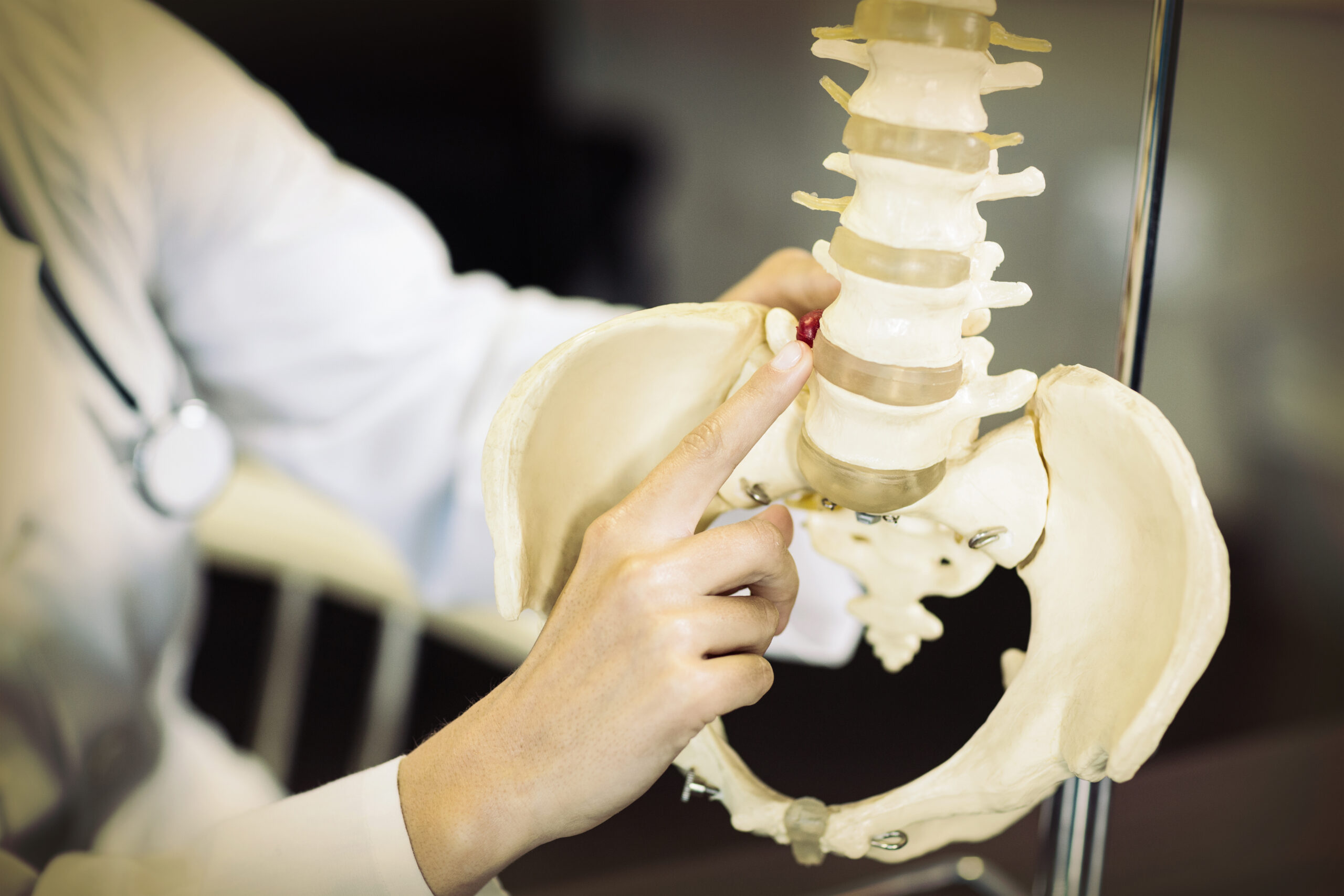
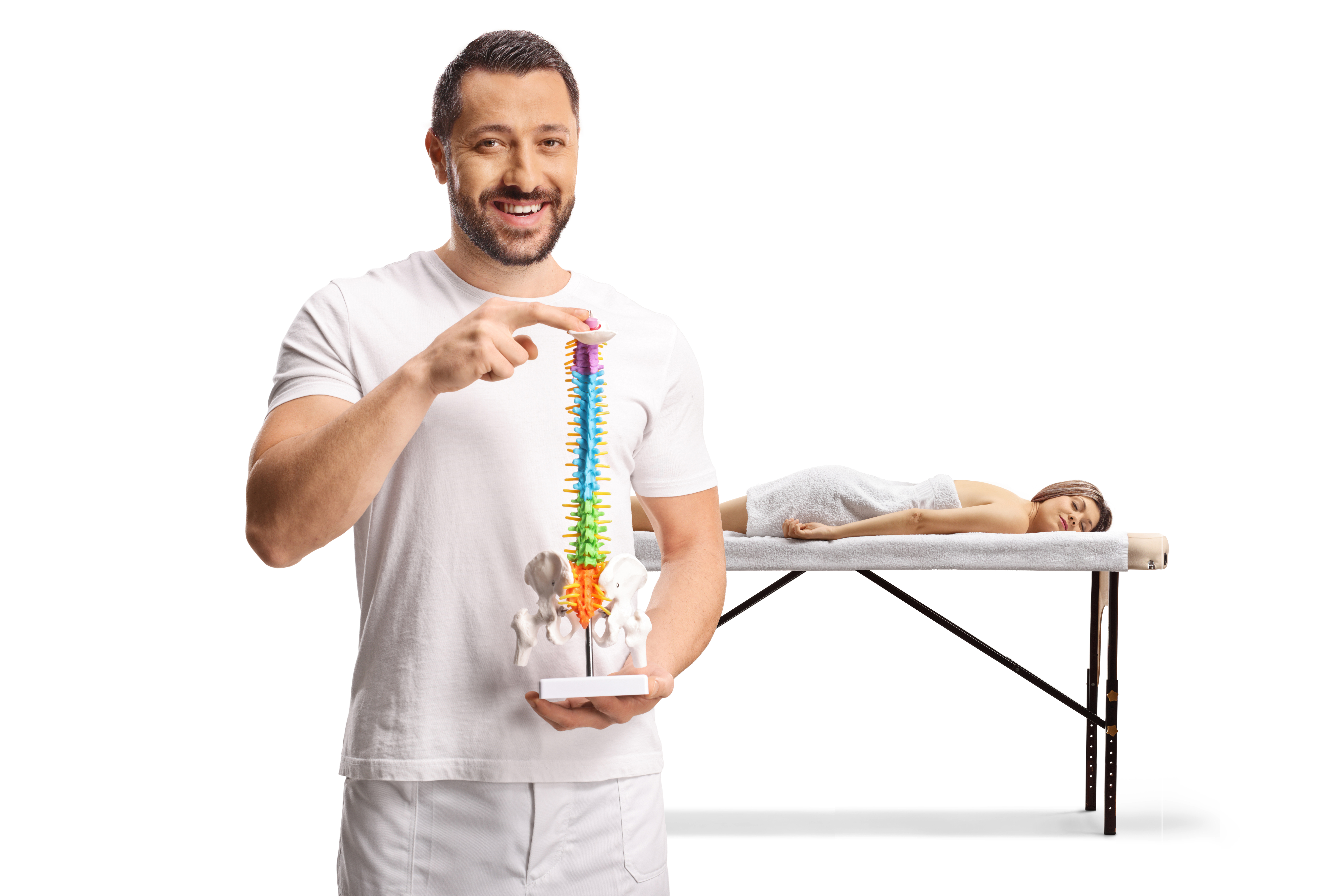
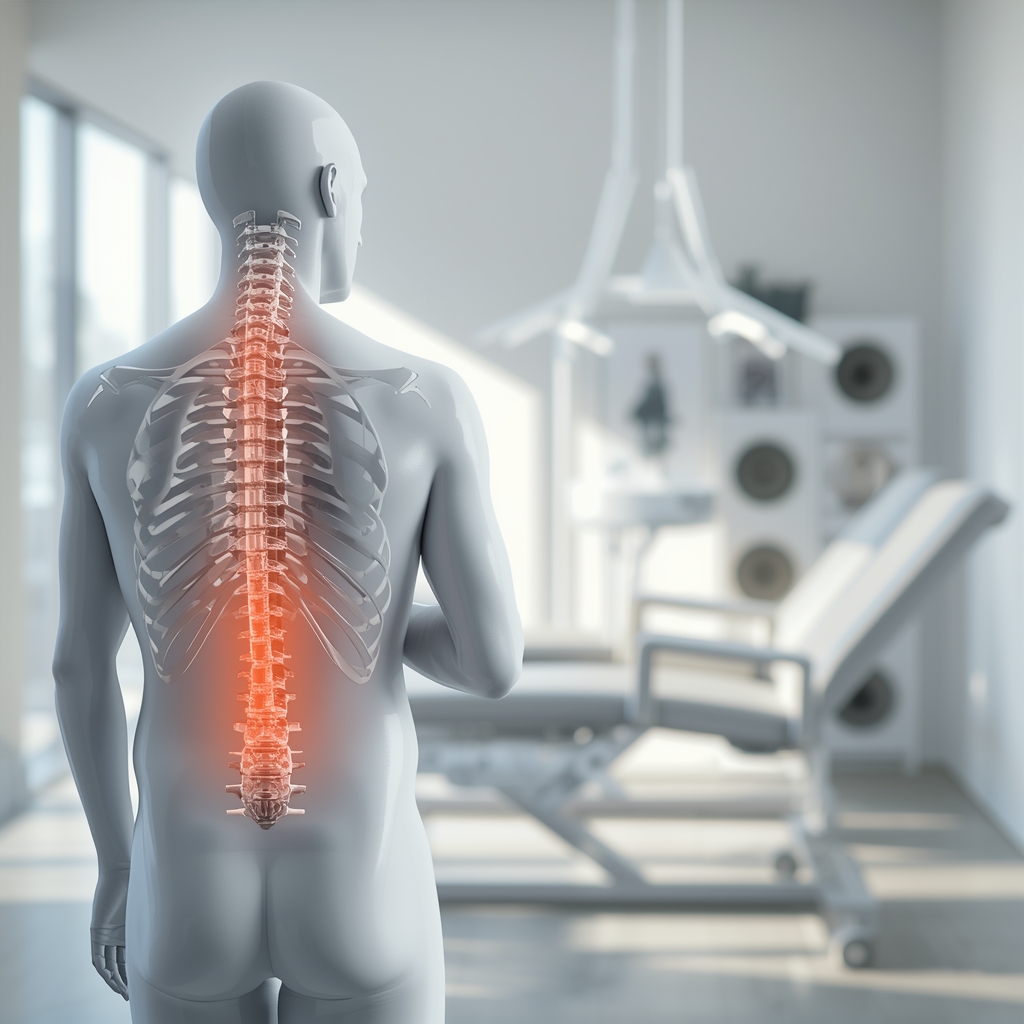
The spine is central to the chiropractic view of Innate Intelligence, as it houses and protects the spinal cord—a critical pathway for nervous system communication. Misalignments, or subluxations, are believed to disrupt this flow, potentially impairing the body's ability to self-regulate. Chiropractors address these issues through precise adjustments, aiming to restore proper alignment and function. For chronic pain patients, this focus on spinal integrity can alleviate pressure on nerves and improve overall bodily function. By prioritizing the spine as the body's control center, the philosophy emphasizes that structural health directly impacts physiological well-being. This perspective positions chiropractic care as a means to support the body's innate capabilities, rather than a treatment for specific conditions.
Tailoring Care to Support the Body's Natural Healing
Chiropractors guided by the principle of Innate Intelligence customize treatment plans to align with the body's unique needs. This involves a thorough assessment of the patient's condition, lifestyle, and goals to create a holistic strategy. Techniques such as spinal adjustments, soft tissue therapy, and ergonomic advice are used to remove obstacles to healing while encouraging the body's natural processes. For chronic pain patients, this may include recommendations for movement, nutrition, and stress management to complement physical interventions. The focus remains on enhancing the body's ability to adapt and recover, rather than imposing external solutions. By fostering a collaborative relationship, chiropractors empower patients to take an active role in their health, reinforcing the philosophy that the body is inherently capable of healing when given the right support.
Non-Invasive Approaches Aligned With Innate Intelligence
The philosophy of Innate Intelligence drives chiropractors to favor non-invasive, conservative treatments that align with the body's natural processes. This includes spinal adjustments, mobility exercises, and patient education, all aimed at reducing interference and promoting self-healing. By avoiding pharmaceuticals or surgical interventions, practitioners emphasize the body's ability to restore balance without external manipulation. For chronic pain patients, this approach can lead to sustainable relief by addressing underlying causes rather than temporary symptom suppression. It also encourages a proactive mindset, where patients learn to recognize and respond to their body's signals. This method not only supports physical well-being but also fosters a deeper connection between individuals and their health, reinforcing the belief that the body is inherently equipped to heal when given the right conditions.
Embracing a Holistic View of Chronic Pain Management
The concept of Innate Intelligence encourages a holistic view of chronic pain, recognizing that physical, emotional, and environmental factors interplay in health. Chiropractors using this philosophy consider the whole person, integrating lifestyle modifications, mental well-being, and preventive care into treatment plans. This approach shifts the focus from merely alleviating pain to enhancing overall quality of life. By addressing the root causes of discomfort and supporting the body's natural resilience, patients may experience more profound and lasting improvements. This perspective also aligns with growing interest in integrative health practices, where multiple disciplines collaborate to optimize well-being. Ultimately, the philosophy of Innate Intelligence reinforces the idea that the body is a self-regulating system, capable of achieving balance when provided with the right support and environment.