Understanding the Lumbar Facet Joints
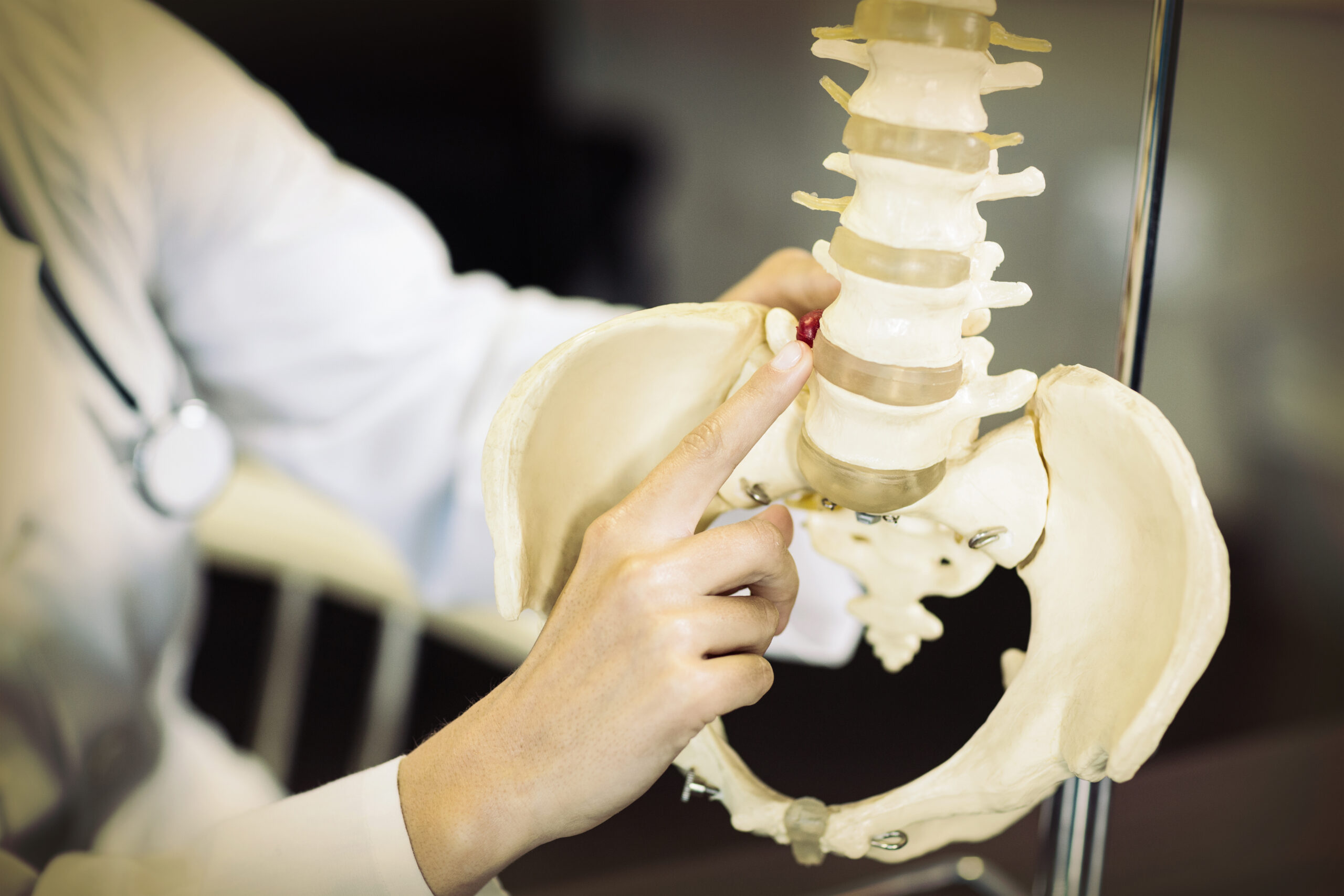
The lumbar spine’s facet joints are small, synovial joints that connect adjacent vertebrae, playing a critical role in spinal stability and movement. Their orientation—typically angled posteriorly and laterally—allows for controlled flexion, extension, and rotation. This unique configuration helps distribute mechanical stress during daily activities. However, variations in facet joint alignment, whether due to degeneration, trauma, or congenital factors, can alter spinal mechanics. These changes may contribute to conditions like lumbar radiculopathy by affecting nerve root positioning or intervertebral disc pressure. Understanding this anatomy is essential for identifying how joint orientation influences treatment strategies, as misalignment or abnormal motion can exacerbate nerve irritation. Chiropractors often assess these joints to determine their role in a patient’s symptoms.
Anatomy of Lumbar Radiculopathy
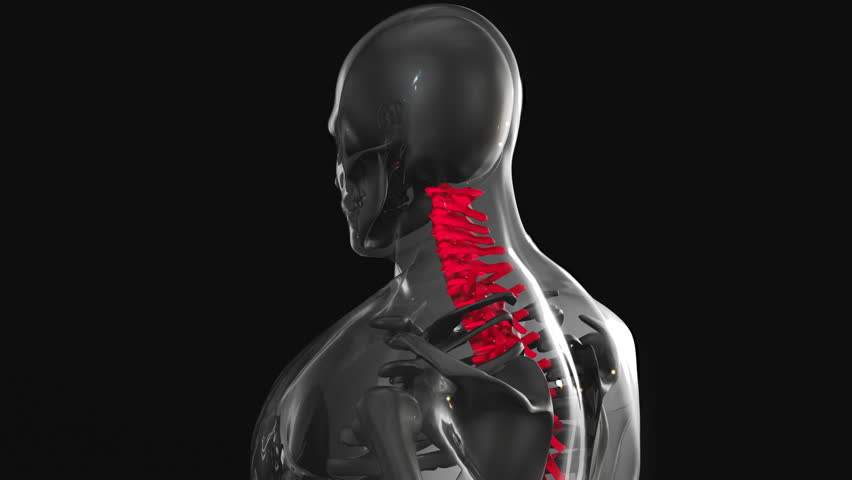
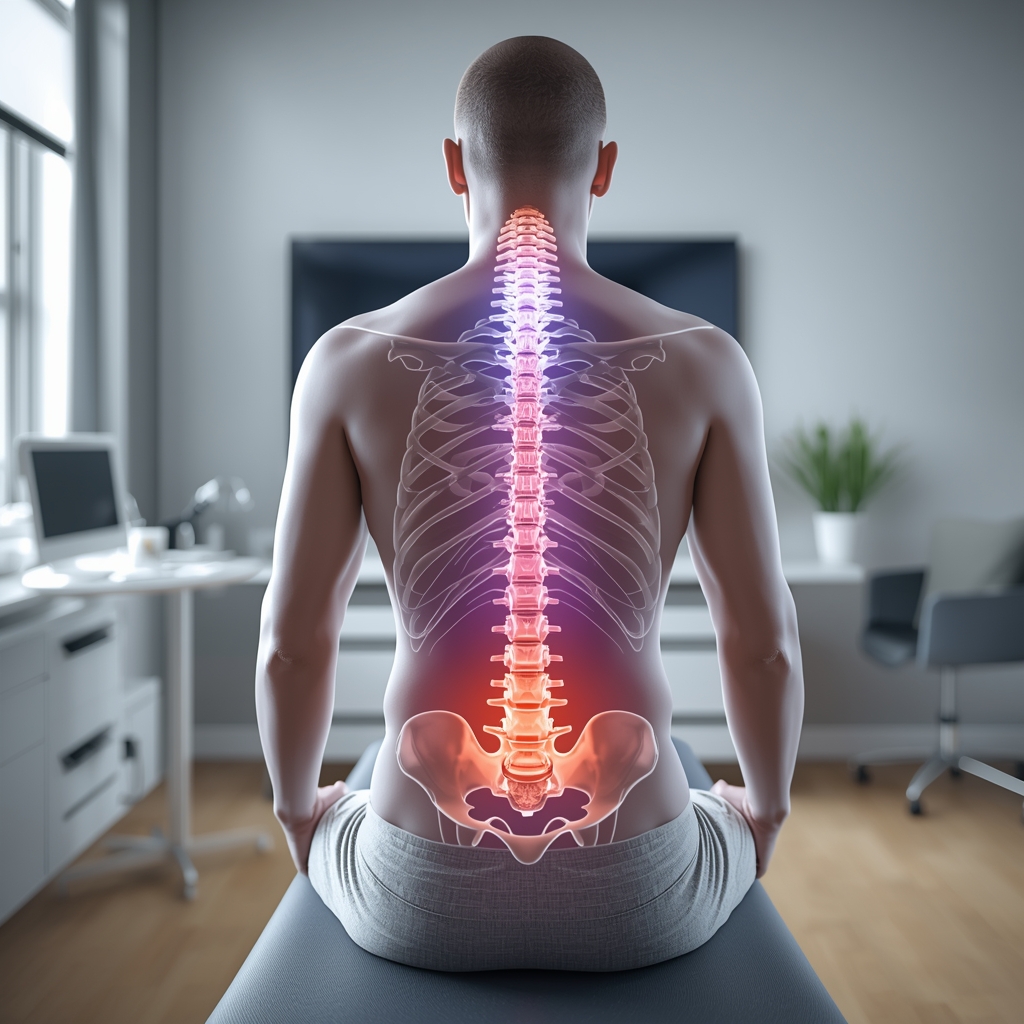
Lumbar radiculopathy occurs when a spinal nerve root in the lower back becomes compressed or irritated, leading to radiating pain, numbness, or weakness. Common causes include herniated discs, spinal stenosis, or facet joint hypertrophy. The lumbar facet joints, though not direct nerve compressors, can indirectly contribute to radiculopathy by altering spinal biomechanics. For instance, degenerative changes in these joints may reduce spinal mobility, increasing stress on adjacent structures. This can lead to disc herniation or foraminal narrowing, which compresses nerves. The interplay between facet joint health and nerve function highlights the need for a comprehensive evaluation. Chiropractors consider these relationships when diagnosing and planning care, as addressing joint dysfunction may alleviate nerve-related symptoms.
Facet Joint Orientation and Nerve Compression
The orientation of lumbar facet joints influences how spinal motion affects surrounding tissues. A more posteriorly angled joint may limit certain movements, potentially increasing pressure on the intervertebral foramina—openings where nerve roots exit the spine. This could narrow the space available for nerves, contributing to radiculopathy. Conversely, abnormal joint alignment from arthritis or injury might cause uneven disc loading, further stressing nerve roots. While the facet joints themselves rarely compress nerves, their role in spinal mechanics is pivotal. For example, restricted motion in these joints can lead to compensatory movements elsewhere, worsening nerve irritation. Chiropractors analyze these dynamics to identify if joint dysfunction is a contributing factor, guiding treatment toward restoring balanced spinal function.
Tailoring Chiropractic Treatments
Chiropractic care for lumbar radiculopathy often involves adjusting the spine to improve joint mobility and reduce nerve irritation. The orientation of facet joints informs the approach: for instance, a patient with posteriorly angled joints may benefit from specific mobilization techniques to enhance flexibility. Adjustments aim to correct misalignments that could exacerbate nerve compression, though the exact method depends on individual anatomy. Soft tissue therapies, such as myofascial release, may also address surrounding muscle tension that worsens joint stress. Additionally, exercises to strengthen core muscles can stabilize the spine and reduce reliance on facet joints during movement. These strategies are tailored to each patient’s unique spinal structure, emphasizing the importance of a personalized evaluation by a qualified chiropractor.
Non-Surgical Management Strategies
Non-surgical treatments for lumbar radiculopathy often focus on reducing inflammation, improving mobility, and alleviating nerve pressure. Chiropractic techniques like spinal decompression or instrument-assisted soft tissue mobilization may be used to address joint and muscle dysfunction. These methods aim to restore normal joint mechanics, which can indirectly ease nerve-related symptoms. Physical therapy exercises, such as extension-based movements, may also be recommended to counteract the effects of facet joint stiffness. In some cases, modalities like heat, ice, or electrical stimulation can manage pain and inflammation. While these approaches do not directly alter joint orientation, they support the spine’s natural healing processes. A chiropractor can determine which strategies best align with a patient’s anatomical needs and symptom profile.
Consulting a Chiropractor for Personalized Care
Each individual’s spinal anatomy is unique, and the relationship between facet joint orientation and lumbar radiculopathy varies. A chiropractor can perform a thorough assessment, including imaging and physical exams, to evaluate how joint structure contributes to symptoms. Based on this analysis, they can develop a treatment plan that addresses both nerve compression and joint dysfunction. It’s important to note that while general guidelines exist, personalized care is critical for effective outcomes. Patients should discuss their specific concerns with a licensed provider to explore options that align with their condition. By combining anatomical knowledge with clinical expertise, chiropractors help patients navigate treatment choices and achieve improved spinal health.