Understanding Conservative Chiropractic Approaches for Herniated Discs
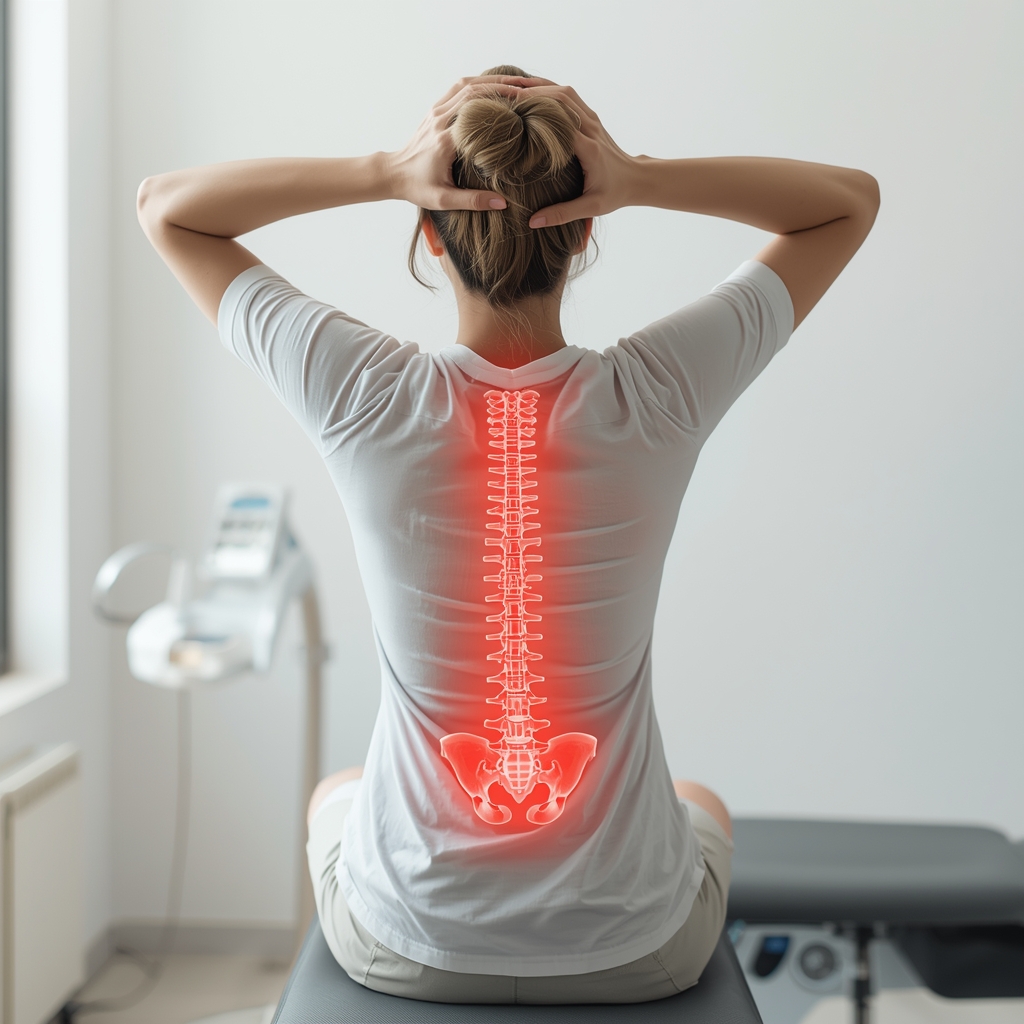
Conservative chiropractic care focuses on non-invasive strategies to alleviate symptoms of herniated discs, emphasizing spinal alignment, pain reduction, and functional improvement. These approaches avoid surgical intervention by addressing root causes through manual adjustments, therapeutic modalities, and lifestyle guidance. While herniated discs can cause significant discomfort, many patients find relief through tailored chiropractic plans. The goal is to reduce pressure on nerves, improve mobility, and support the body’s natural healing processes. A chiropractor will assess the disc’s condition and develop a personalized strategy, often combining multiple techniques for optimal results. Patients should consult a qualified provider to determine the best course of action for their specific needs.
Spinal Adjustments and Manual Manipulation
Spinal adjustments, a cornerstone of chiropractic care, involve precise, controlled forces to realign the spine and relieve pressure on herniated discs. By restoring proper joint function, these adjustments can reduce nerve irritation and improve overall spinal mechanics. Techniques vary, with some practitioners using high-velocity, low-amplitude thrusts while others opt for gentler methods. Manual manipulation helps stabilize the affected area, potentially decreasing inflammation and enhancing mobility. Research suggests that spinal adjustments may provide short-term relief for disc-related pain, though long-term outcomes depend on individual factors. Patients often report improved posture and reduced discomfort after regular sessions. It’s essential to work with a licensed chiropractor to ensure safe, effective treatment.
Decompression Therapy for Disc Relief
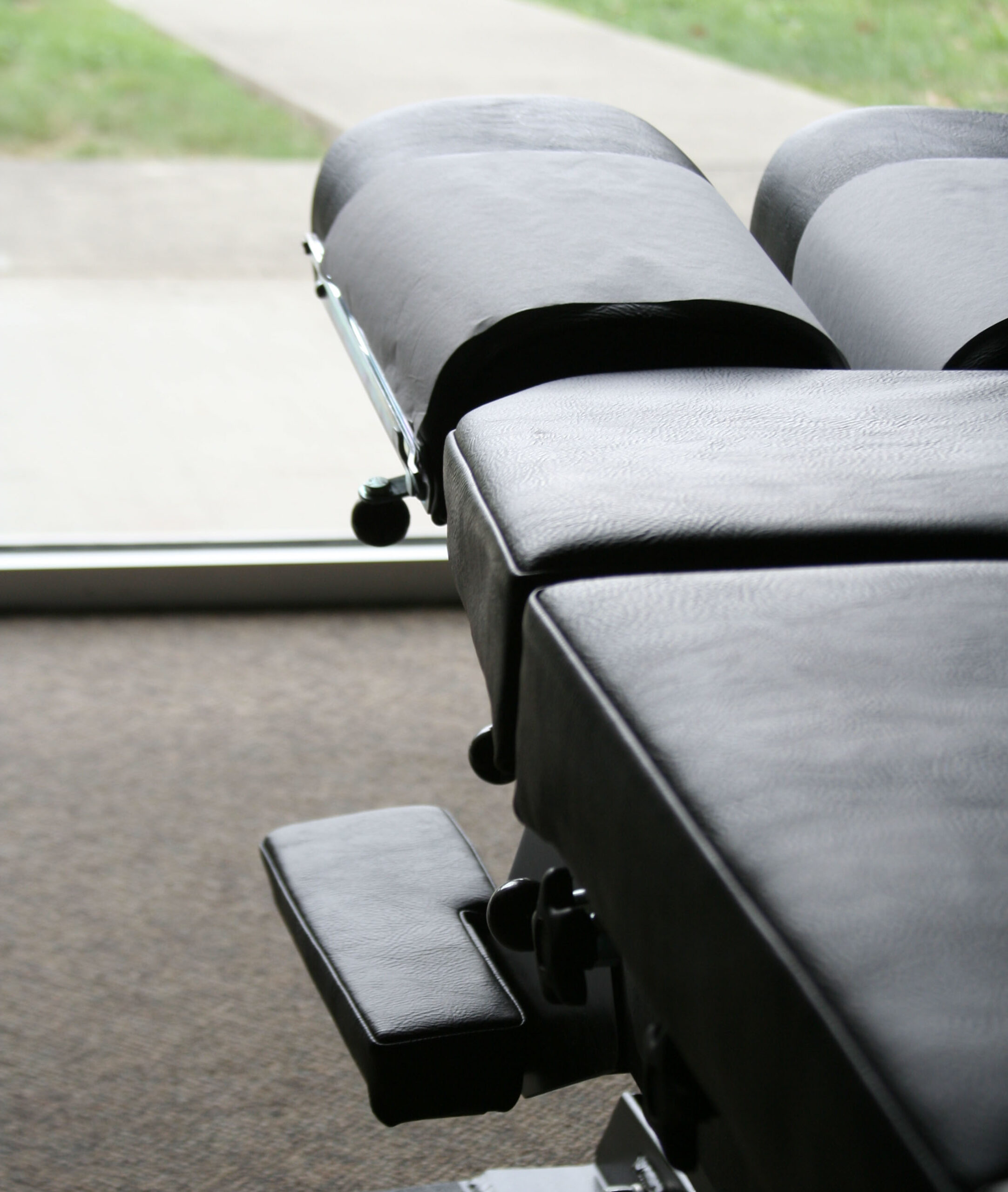
Spinal decompression therapy uses mechanical traction to gently stretch the spine, creating negative pressure that may help reposition herniated disc material and relieve nerve compression. This non-surgical approach is often recommended for patients experiencing radiating pain, numbness, or weakness due to disc issues. By decompressing the spine, the therapy can promote nutrient flow to discs and reduce inflammation. Sessions are typically performed on a specialized table, with the chiropractor monitoring progress over time. While results vary, many patients find sustained relief from chronic symptoms. Decompression therapy is often combined with other conservative methods, such as adjustments or soft tissue work, to maximize benefits. As with any treatment, a thorough evaluation is needed to determine suitability for individual cases.
Soft Tissue Techniques and Myofascial Release
Soft tissue therapies, including myofascial release and trigger point therapy, address muscle tension and fascial restrictions that may exacerbate disc-related pain. Herniated discs can lead to compensatory muscle spasms, which these techniques aim to alleviate. By targeting tight muscles around the spine, chiropractors can improve flexibility, reduce pain, and enhance spinal stability. Methods like massage, instrument-assisted soft tissue mobilization, or dry needling may be used to break up adhesions and restore normal function. These approaches also support better posture and movement patterns, reducing strain on the discs. While not a direct treatment for the disc itself, soft tissue work plays a crucial role in comprehensive care. Patients often experience improved comfort and mobility when these techniques are integrated into their plan.
Exercise and Rehabilitation Strategies
Customized exercise programs are a vital component of conservative care for herniated discs, focusing on strengthening core muscles, improving flexibility, and enhancing spinal stability. Chiropractors may recommend low-impact activities like walking, swimming, or yoga to promote healing without aggravating symptoms. Specific stretches and corrective exercises can relieve pressure on the discs while improving posture and alignment. Patients are often guided on proper movement mechanics to avoid further injury. Over time, these strategies can reduce dependency on passive treatments and empower individuals to manage their condition. Consistency is key, as gradual progress often leads to long-term relief. A chiropractor will tailor exercises to the patient’s needs, ensuring safety and effectiveness throughout recovery.
Collaborative Care and Patient Education
Effective management of herniated discs often requires a multidisciplinary approach, combining chiropractic care with other therapies and patient education. Chiropractors may collaborate with physical therapists, pain specialists, or primary care providers to create a holistic treatment plan. Educating patients on posture, ergonomics, and activity modification is essential for preventing recurrence. Lifestyle adjustments, such as weight management and stress reduction, also play a role in spinal health. Regular follow-ups allow for ongoing assessment and adjustments to the care plan. By fostering patient involvement and awareness, chiropractors help individuals take an active role in their recovery. This collaborative, patient-centered model maximizes the potential for long-term symptom relief and improved quality of life.