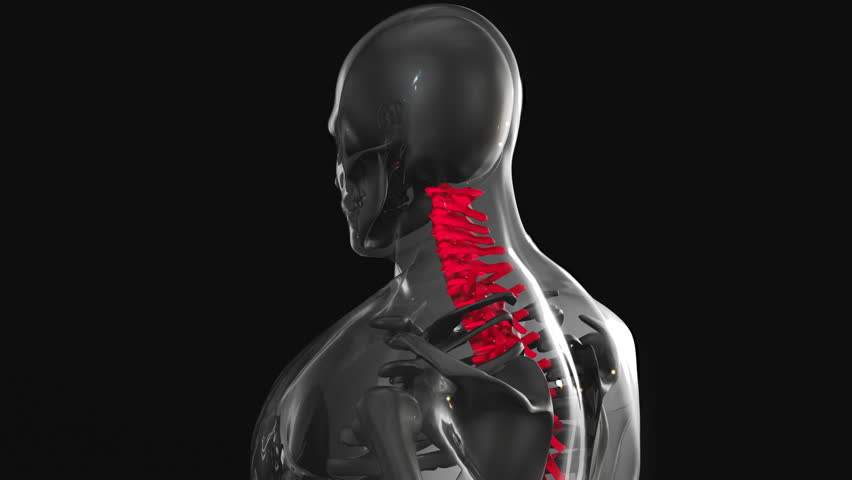
Understanding Chronic Whiplash and the Need for Multidisciplinary Care
Chronic whiplash, often resulting from auto accidents, can lead to persistent neck pain, headaches, and reduced mobility. Unlike acute cases, long-term recovery requires more than isolated treatments. A multidisciplinary approach combines various therapies to address physical, emotional, and functional challenges. This strategy acknowledges that whiplash impacts multiple systems, including musculoskeletal, neurological, and psychological health. By integrating expertise from different fields, patients gain access to comprehensive care tailored to their unique needs. Such collaboration ensures that all aspects of recovery are addressed, from pain management to restoring daily functionality. This holistic framework is essential for achieving sustainable outcomes and preventing long-term complications.
Chiropractic Care and Spinal Adjustments
Chiropractic care is a cornerstone of whiplash rehabilitation, focusing on realigning the spine to alleviate pressure on nerves and muscles. Spinal adjustments, a primary technique, help restore mobility and reduce pain. For chronic cases, chiropractors may incorporate soft tissue therapies like Active Release Technique (ART) to address muscle stiffness and scar tissue. These methods improve circulation, enhance range of motion, and support the body’s natural healing processes. While chiropractic care alone may not resolve all symptoms, it plays a vital role in managing musculoskeletal components of whiplash. Patients often report improved comfort and function when combined with other therapies, underscoring the value of a collaborative approach to long-term recovery.
Physical Therapy and Exercise for Long-Term Recovery
Physical therapy is critical for restoring strength, flexibility, and coordination after whiplash. A customized exercise program may include range-of-motion drills, resistance training, and postural correction to rebuild stability. Therapists often use modalities like heat, cold, or electrical stimulation to manage pain and inflammation. For chronic cases, progressive exercises help prevent muscle atrophy and improve endurance. Consistent participation in physical therapy fosters resilience, enabling patients to regain independence in daily activities. When paired with chiropractic care, these interventions create a synergistic effect, accelerating recovery and reducing the risk of relapse. Tailoring exercises to individual needs ensures that patients can maintain progress over time, supporting lasting improvements in mobility and quality of life.
Integrating Psychological and Complementary Therapies
Chronic whiplash can take a toll on mental health, with pain often linked to anxiety, depression, or sleep disturbances. Psychological support, such as cognitive-behavioral therapy, helps patients cope with persistent symptoms and maintain motivation. Complementary therapies like acupuncture or massage may also ease tension and promote relaxation. These approaches address the mind-body connection, reducing stress that can exacerbate physical symptoms. By incorporating mental health strategies, rehabilitation becomes more holistic, tackling both the physiological and emotional aspects of recovery. Patients who engage in these therapies often experience enhanced well-being, underscoring the importance of a multifaceted plan for long-term success.
Personalized Care Plans and Patient Engagement
Effective rehabilitation hinges on personalized care plans that evolve with the patient’s progress. A multidisciplinary team, including chiropractors, physical therapists, and pain specialists, collaborates to adjust strategies as needed. Patient engagement is equally vital—adhering to prescribed exercises, attending sessions, and communicating concerns ensures optimal outcomes. Education about the condition empowers individuals to make informed decisions and stay proactive in their recovery. Regular follow-ups help monitor progress and address setbacks promptly. This dynamic, patient-centered approach fosters accountability and resilience, making long-term recovery more achievable. Ultimately, success depends on the partnership between healthcare providers and patients in navigating the journey toward wellness.
Conclusion: A Collaborative Path to Recovery
Rehabilitating chronic whiplash demands a coordinated, patient-centered strategy that combines multiple disciplines. Chiropractic care, physical therapy, and psychological support form the foundation of this approach, while complementary therapies enhance overall well-being. By addressing physical, emotional, and functional needs, multidisciplinary care offers a pathway to lasting relief. Patients are encouraged to work closely with their healthcare providers to develop a plan that aligns with their goals and lifestyle. While recovery timelines vary, consistency and adaptability are key to overcoming challenges. Embracing a holistic framework not only improves outcomes but also empowers individuals to reclaim their quality of life after an auto accident.