Initial Consultation and Medical History Review
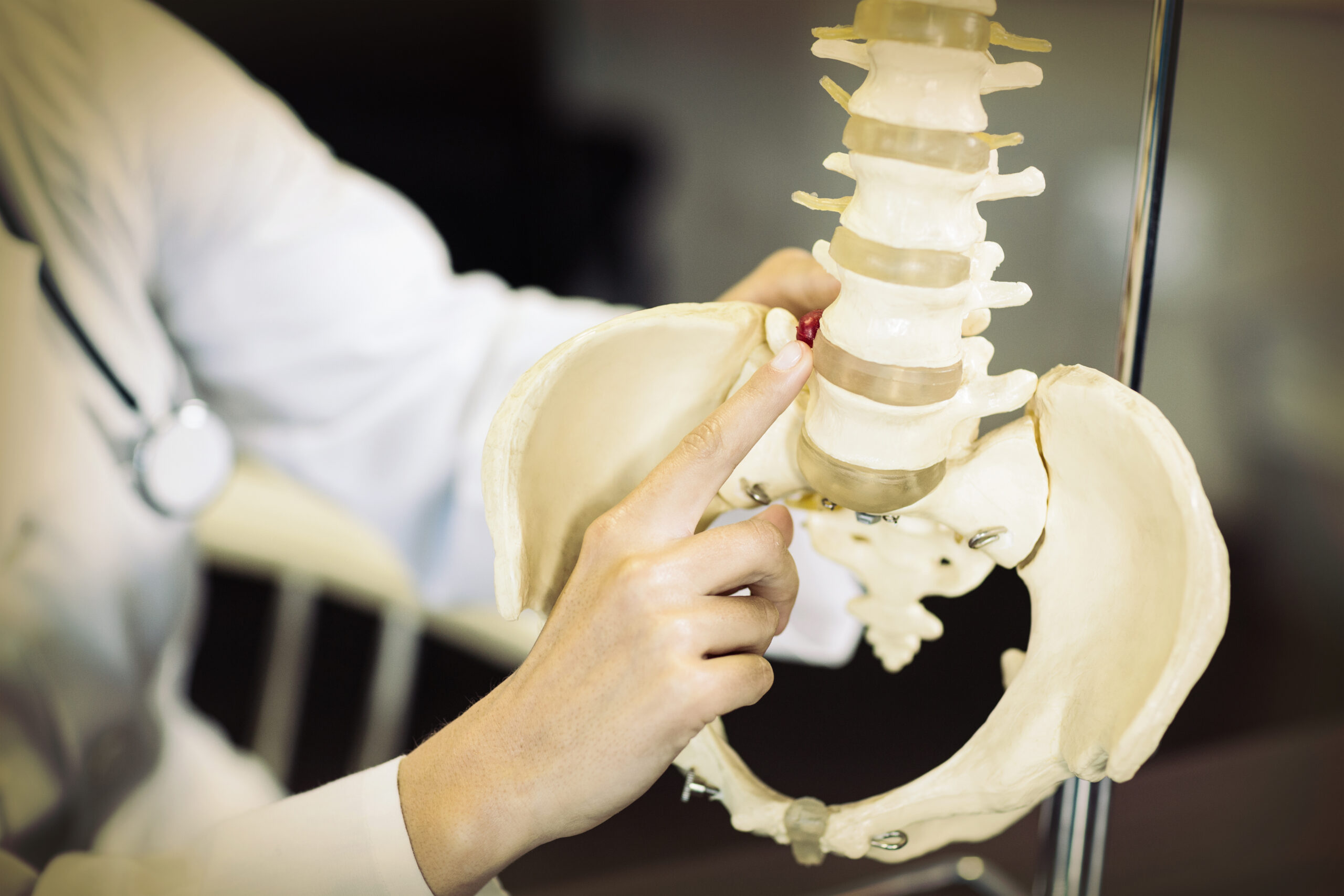
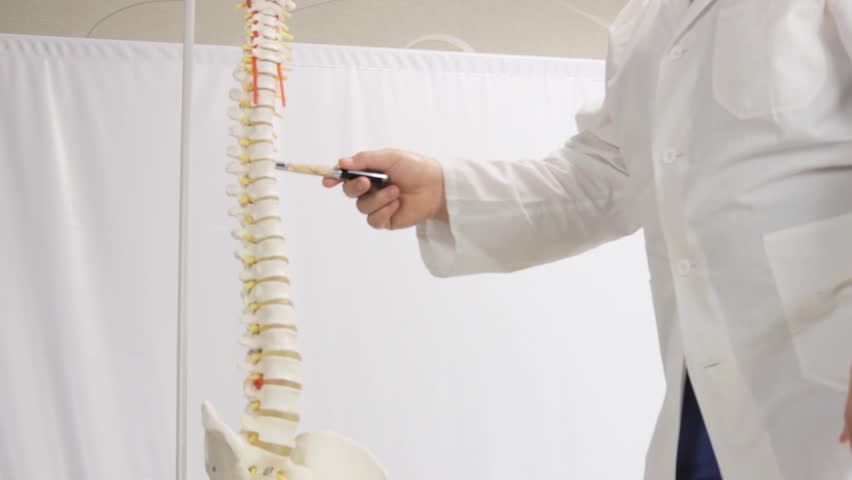
During your first chiropractic visit for spinal decompression therapy, the process begins with an initial consultation. You’ll complete intake forms detailing your medical history, current symptoms, and any previous treatments. The chiropractor will review this information to understand your specific needs and determine if spinal decompression is a suitable option. This step also allows you to ask questions about the procedure, its goals, and potential outcomes. The provider will assess your posture, range of motion, and spinal alignment to identify areas of concern. This comprehensive review ensures the treatment plan is tailored to your condition while adhering to standard chiropractic protocols. No specific diagnostic tests are performed at this stage, but the chiropractor may recommend imaging if further clarification is needed.
Physical Examination and Diagnostic Assessments
The next phase involves a thorough physical examination. The chiropractor will evaluate your spine for misalignments, muscle tension, and nerve activity. They may use palpation to detect areas of tenderness or restricted movement. This assessment helps identify the root causes of your symptoms and confirms whether spinal decompression therapy is appropriate. In some cases, imaging such as X-rays or MRI scans may be requested to visualize the spine’s structure and rule out contraindications. These steps ensure the treatment is safe and effective for your unique condition. The chiropractor will explain their findings in simple terms, addressing any concerns you may have. This phase is critical for developing a personalized care plan that aligns with your health goals and chiropractic best practices.
Explanation of Spinal Decompression Therapy
Spinal decompression therapy is a non-invasive treatment designed to relieve pressure on compressed spinal discs and nerves. The chiropractor will explain how the therapy works, typically using a specialized table to gently stretch the spine and create negative pressure in the discs. This process can help rehydrate discs, reduce herniation, and alleviate pain caused by nerve compression. The provider will describe the expected benefits, such as improved mobility and reduced inflammation, while emphasizing that results vary depending on individual factors. They will also outline the number of sessions typically required and the overall treatment timeline. Patients are encouraged to ask questions about the procedure’s safety, comfort level, and any potential risks. This discussion ensures you feel informed and comfortable before proceeding with the therapy.
The Decompression Session: What to Expect
During the actual decompression session, you’ll lie on a specialized table designed for this therapy. The chiropractor will secure you with straps to ensure stability and comfort. The table will then gently stretch your spine in a controlled manner, creating the necessary decompression. You may feel a sensation of pulling or mild pressure, but the process is generally painless. Some patients report a popping or cracking sound, similar to a joint adjustment, which is normal. The chiropractor will monitor your response throughout the session, adjusting the pressure as needed. The duration of each session typically ranges from 15 to 30 minutes, depending on your condition. After the session, the provider may perform additional adjustments or recommend complementary therapies to enhance the effects. This step-by-step approach ensures your safety and maximizes the therapy’s effectiveness.
Post-Session Care and Follow-Up Instructions
After your decompression session, the chiropractor will provide guidance on post-treatment care. You may experience mild soreness or fatigue, similar to a workout, which usually subsides within a day or two. The provider will advise you on activities to avoid and suggest gentle stretches or exercises to support recovery. They may also recommend staying hydrated and maintaining good posture to reinforce the therapy’s benefits. Follow-up appointments are typically scheduled to monitor progress and adjust the treatment plan as needed. It’s important to communicate any changes in symptoms or concerns during these visits. The chiropractor may also discuss lifestyle modifications, such as ergonomic adjustments or exercise routines, to prevent future issues. This ongoing support ensures you receive the full benefits of spinal decompression therapy.
Addressing Common Concerns and Questions
Many patients have questions about the safety, effectiveness, and comfort of spinal decompression therapy. The chiropractor will address these concerns, explaining that the therapy is generally safe when performed by a qualified provider. They may discuss potential side effects, such as temporary discomfort, and how to manage them. It’s important to note that decompression therapy is not suitable for everyone, particularly those with certain spinal conditions or implants. The provider will review your medical history to ensure the treatment is appropriate for you. Patients are encouraged to ask about the expected timeline for results and what to do if they experience unexpected symptoms. Open communication with your chiropractor is key to a successful outcome. This final step reinforces the collaborative nature of chiropractic care and your active role in your health journey.