Understanding the Link Between Spinal Health and Golf Swing Mechanics
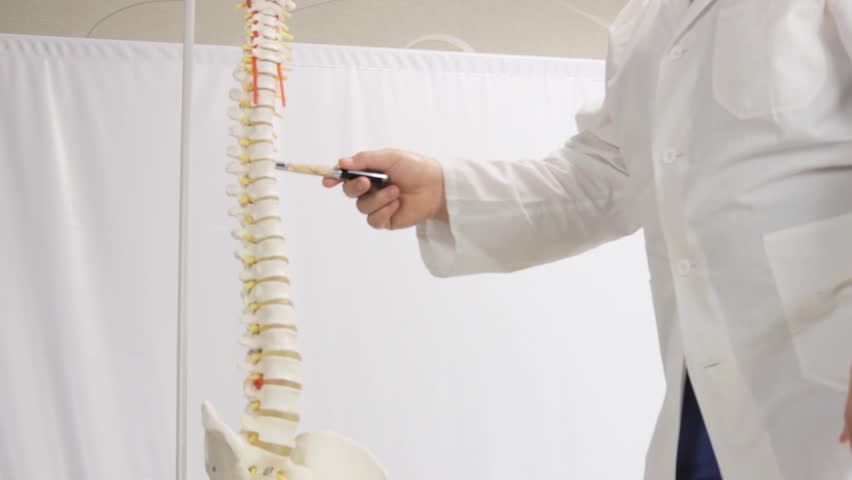
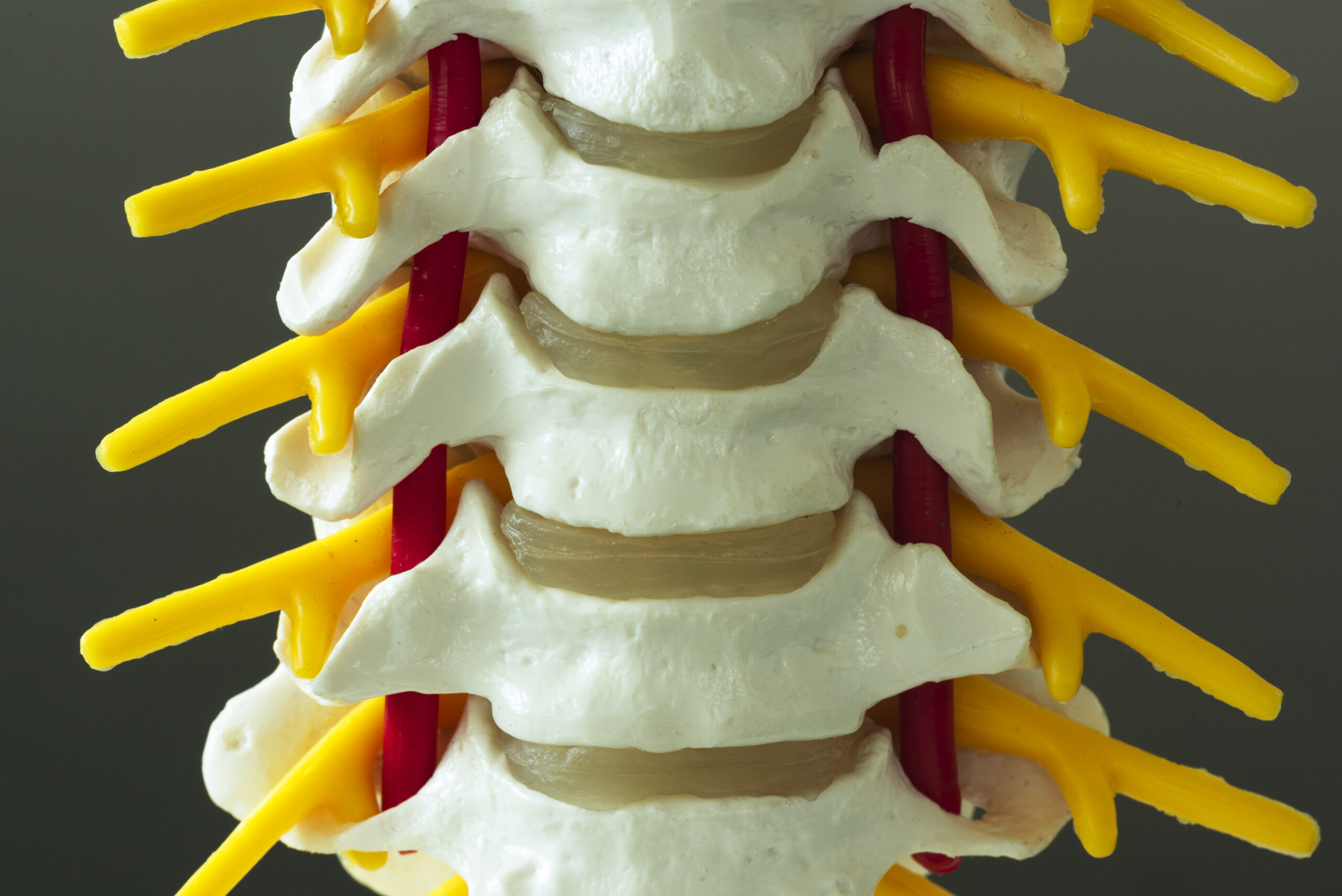
Amateur golfers often seek ways to refine their swing mechanics, and chiropractic care offers a holistic approach to address physical limitations. A well-aligned spine is fundamental for optimal movement patterns, as it supports balance, flexibility, and coordination—key elements in a smooth golf swing. Misalignments or restricted mobility in the spine, hips, or shoulders can lead to compensatory movements that reduce swing efficiency. Chiropractors focus on identifying and correcting these issues through adjustments and targeted exercises. By improving joint function and nerve communication, golfers may experience enhanced range of motion and reduced pain, allowing for a more natural and powerful swing. This foundation of spinal health sets the stage for exploring specific adjustments and exercises tailored to golfers’ needs.
Key Chiropractic Adjustments for Golfers
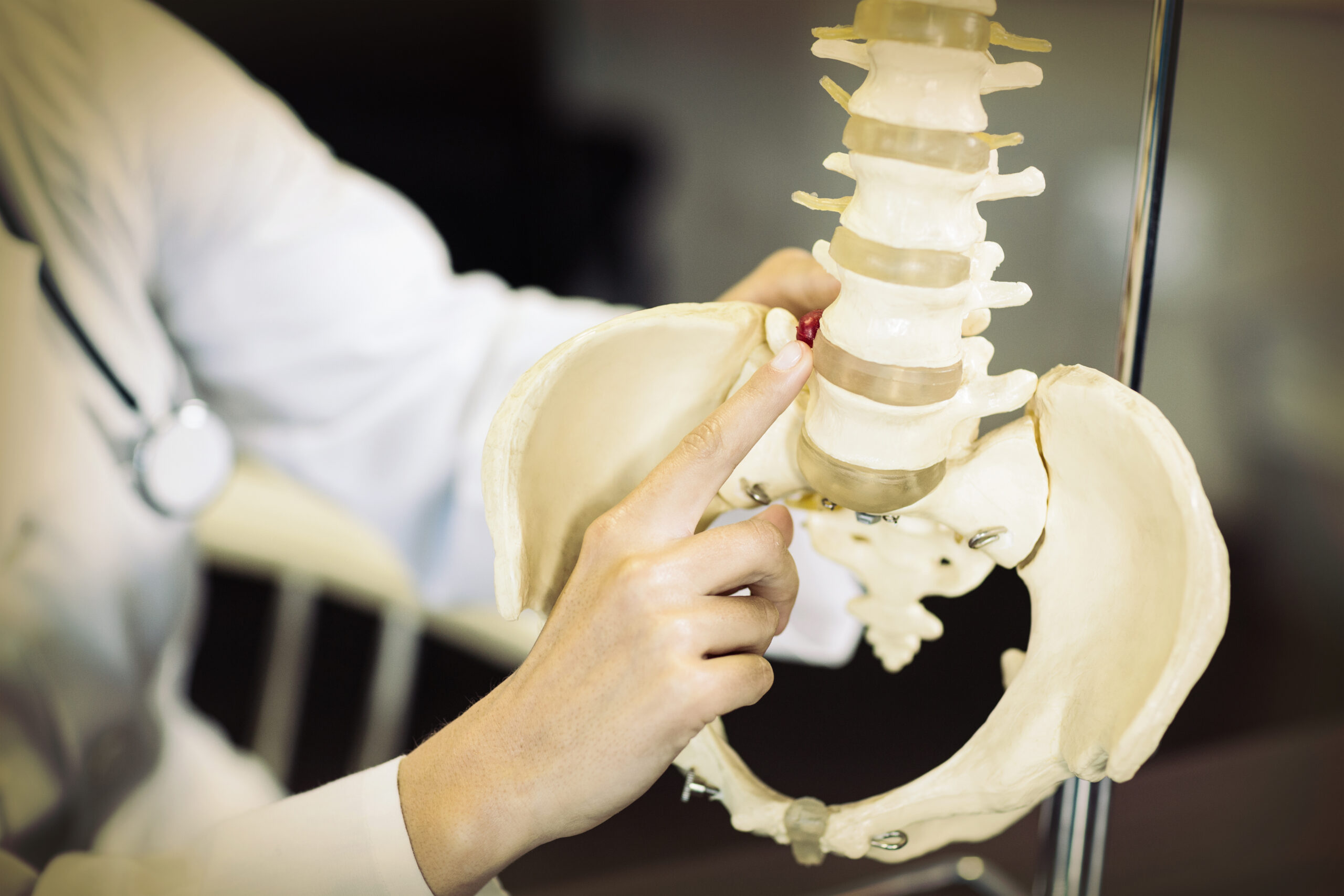
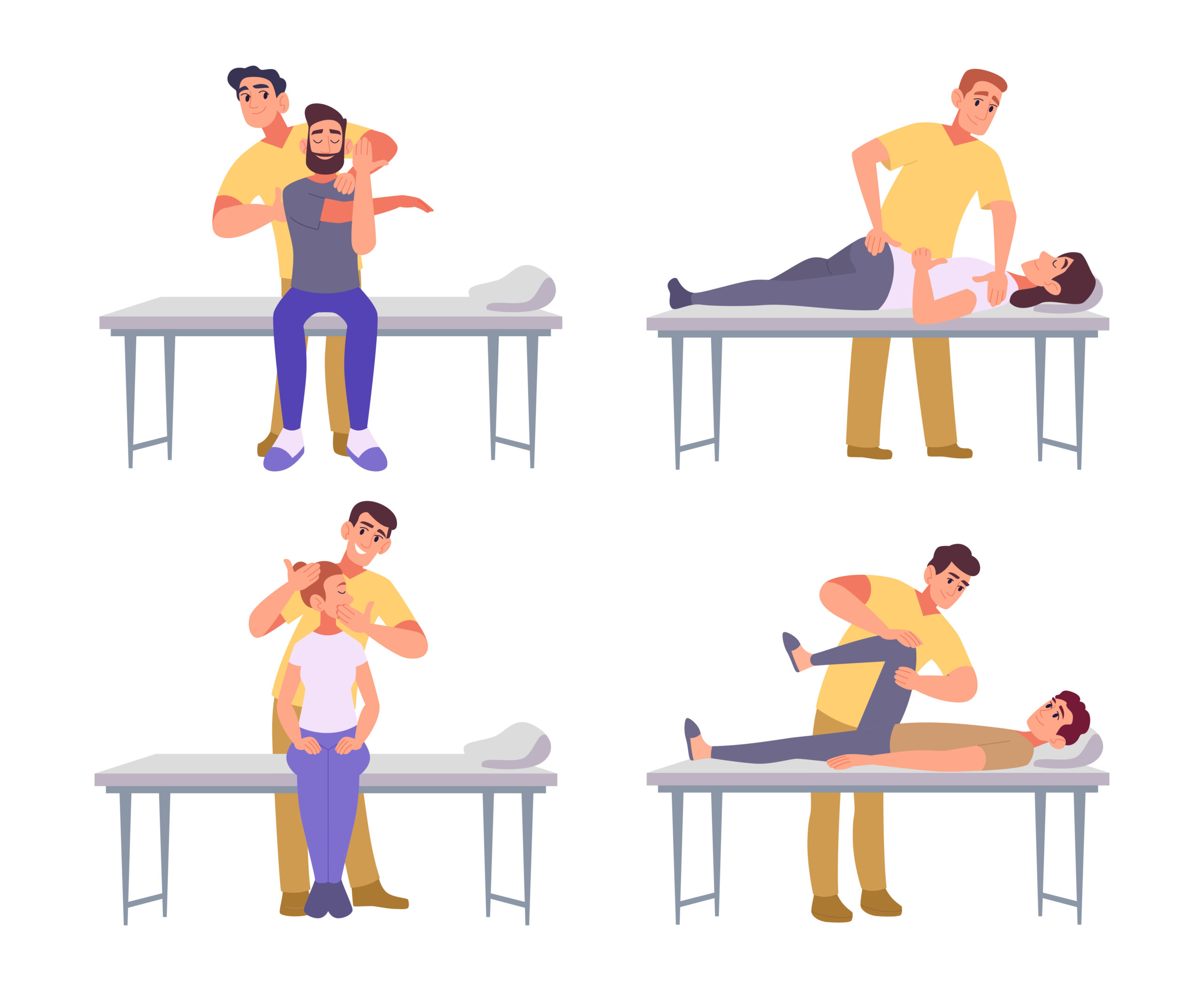
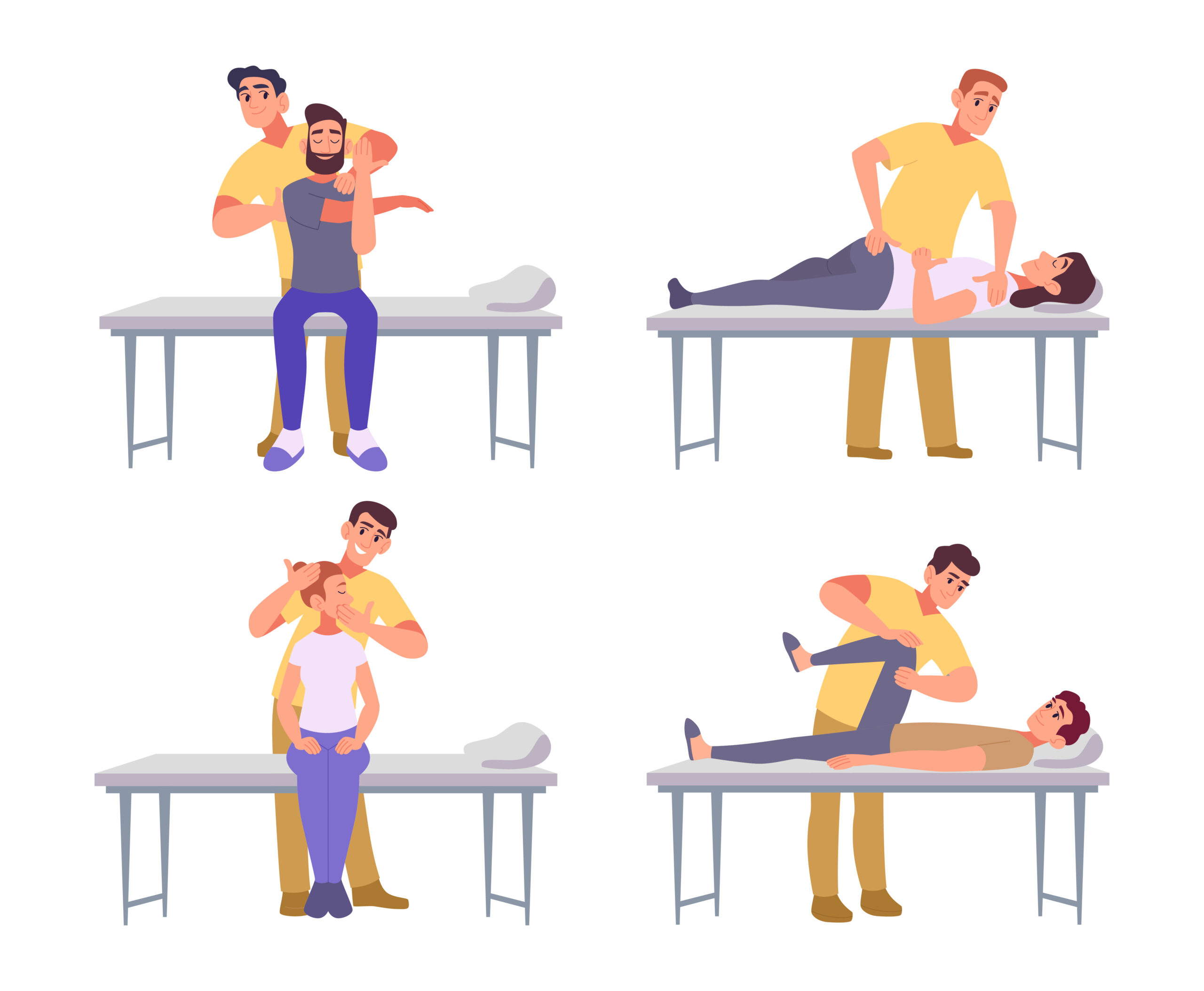
Chiropractic adjustments tailored to golfers often focus on the spine, hips, and shoulders—areas critical to swing mechanics. Spinal adjustments can restore proper alignment, reducing nerve interference and improving mobility. For example, adjustments to the thoracic spine may enhance rotational movement, a key component of a golf swing. Hip and sacroiliac joint adjustments can alleviate stiffness, promoting better weight transfer during the swing. Shoulder adjustments may address impingements or restricted motion that hinder a full backswing. These adjustments are typically gentle and customized to the individual’s needs. By addressing structural imbalances, chiropractors help golfers achieve a more efficient and pain-free swing. However, results vary, and consistent follow-up is often necessary to maintain progress.
Mobility Exercises to Enhance Swing Performance
In addition to adjustments, mobility exercises play a vital role in improving golf swing mechanics. Dynamic stretches targeting the hips, thoracic spine, and shoulders can increase flexibility and range of motion. For instance, rotational exercises like cat-cow or seated twists may improve spinal mobility, while hip openers like banded lateral walks can enhance stability. Core-strengthening exercises, such as planks or bird-dogs, support posture and balance during the swing. Golfers are encouraged to incorporate these movements into their routine to maintain flexibility and prevent injury. However, it’s important to consult a chiropractor or fitness professional to ensure exercises are performed correctly and tailored to individual needs. Consistency and proper form are essential for long-term benefits.
How Adjustments and Exercises Improve Swing Mechanics
Chiropractic adjustments and mobility exercises work synergistically to refine a golfer’s swing. Proper spinal alignment ensures efficient force transfer from the lower body to the upper body, enhancing power and control. Improved hip and shoulder mobility allows for a fuller turn and smoother follow-through, reducing strain on the back and shoulders. By addressing joint restrictions and muscle imbalances, these interventions help golfers maintain proper posture throughout the swing. This not only boosts performance but also lowers the risk of injury from repetitive motions. Additionally, enhanced neuromuscular coordination from regular adjustments can lead to more consistent shot patterns. While results depend on individual factors, many golfers report noticeable improvements in their swing efficiency and comfort after incorporating these strategies.
Addressing Common Golf-Related Physical Challenges
Golfers frequently face challenges like lower back pain, shoulder stiffness, and reduced rotational mobility—issues that chiropractic care can help alleviate. Lower back pain, often caused by improper swing mechanics or poor posture, may benefit from spinal adjustments and core-strengthening exercises. Shoulder stiffness, common in golfers with limited range of motion, can be addressed through targeted mobility work and joint manipulations. Restricted hip rotation, another frequent concern, may be improved with specific stretches and adjustments. By identifying and correcting these issues, chiropractors help golfers maintain a more efficient swing while reducing discomfort. However, each golfer’s situation is unique, requiring personalized assessments to determine the most effective approach. Regular chiropractic care can serve as a proactive measure to sustain long-term swing health.
Consulting a Specialist for Personalized Care
While general chiropractic principles apply to golfers, personalized care is essential for addressing individual needs. A chiropractor specializing in sports or golf-specific care can design a plan that aligns with a golfer’s goals and physical condition. This may include a combination of adjustments, mobility exercises, and lifestyle recommendations. Golfers should communicate their swing challenges and injury history to ensure the care plan is tailored effectively. It’s important to note that chiropractic care complements, rather than replaces, other forms of training and medical advice. By working with a qualified professional, golfers can optimize their physical potential and enjoy a more fulfilling experience on the course. Always consult a licensed chiropractor to discuss the best options for your specific situation.