Understanding the Link Between Spinal Health and Golf Swing Mechanics
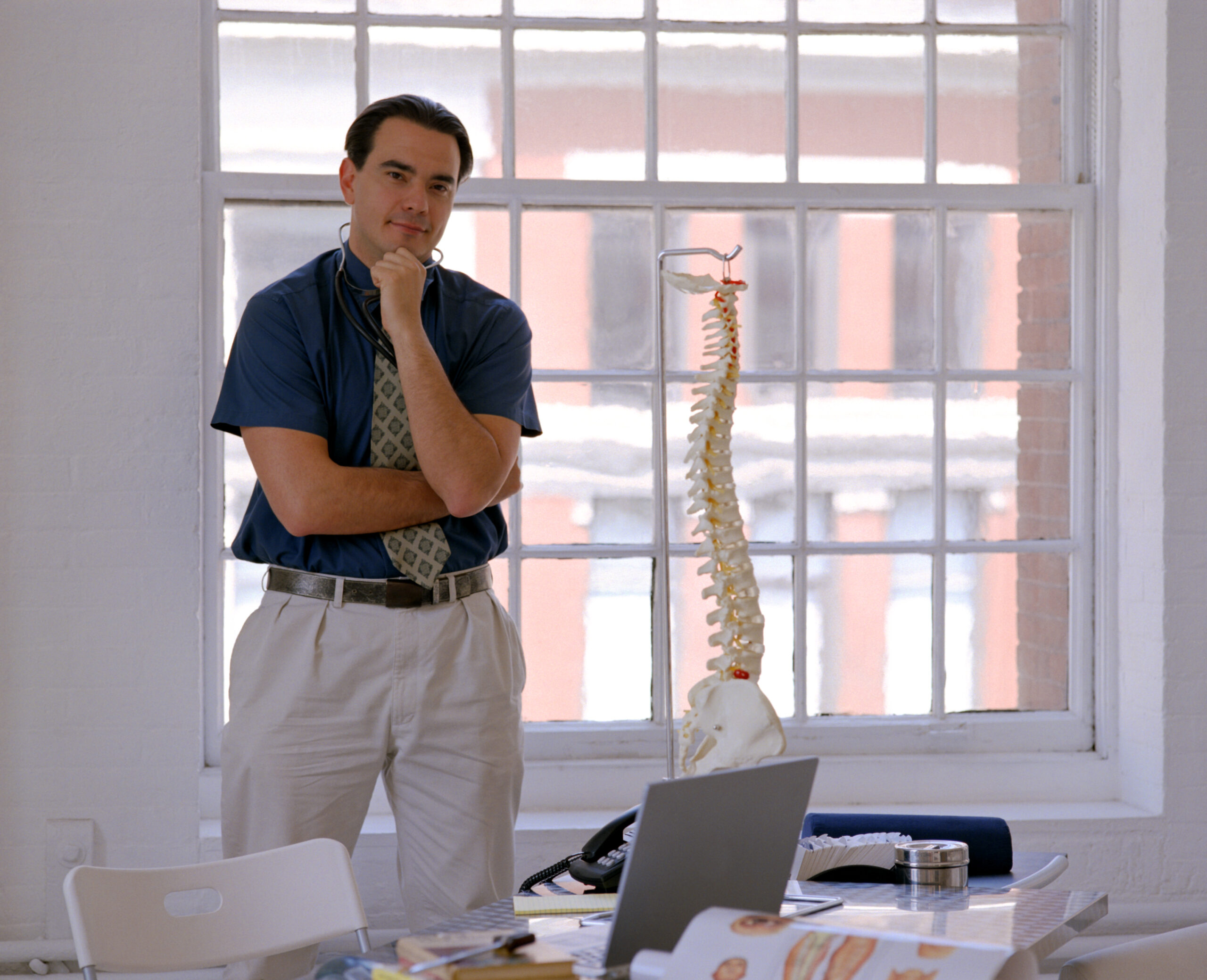
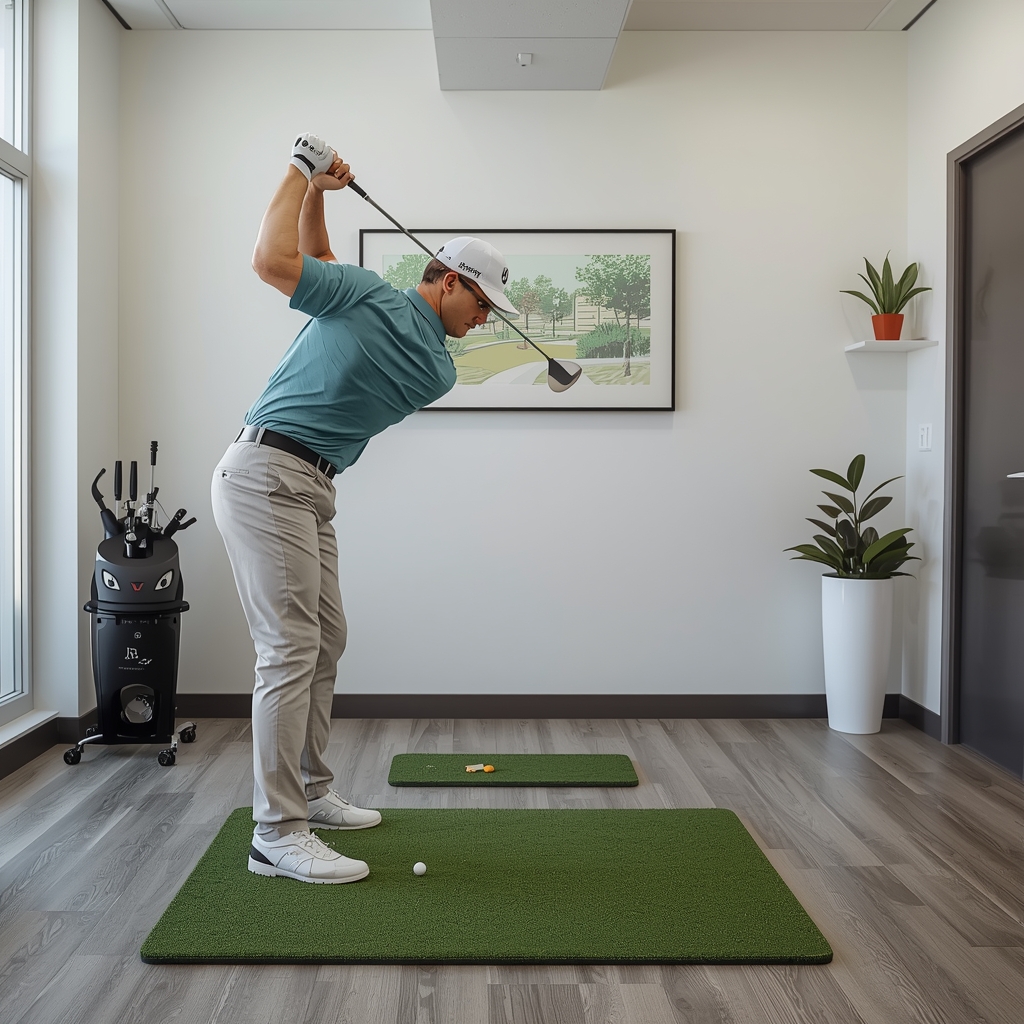
Proper spinal alignment and musculoskeletal function are critical for optimizing golf swing mechanics. The golf swing involves complex movements requiring core stability, rotational flexibility, and coordinated muscle activation. Misalignments in the spine or restricted joint mobility can disrupt these patterns, leading to inefficient swings and increased injury risk. Chiropractic care addresses these issues by restoring balance to the nervous system and improving biomechanical efficiency. Regular adjustments help maintain proper posture, enhance range of motion, and reduce compensatory movements that may develop from chronic tension or injury. For amateur golfers, this foundation supports more consistent swings and better shot accuracy. By prioritizing spinal health, players can also mitigate common issues like lower back pain, which affects nearly 80% of golfers at some point. This holistic approach complements traditional training by ensuring the body functions optimally during play.
Spinal Adjustments to Enhance Rotational Mobility
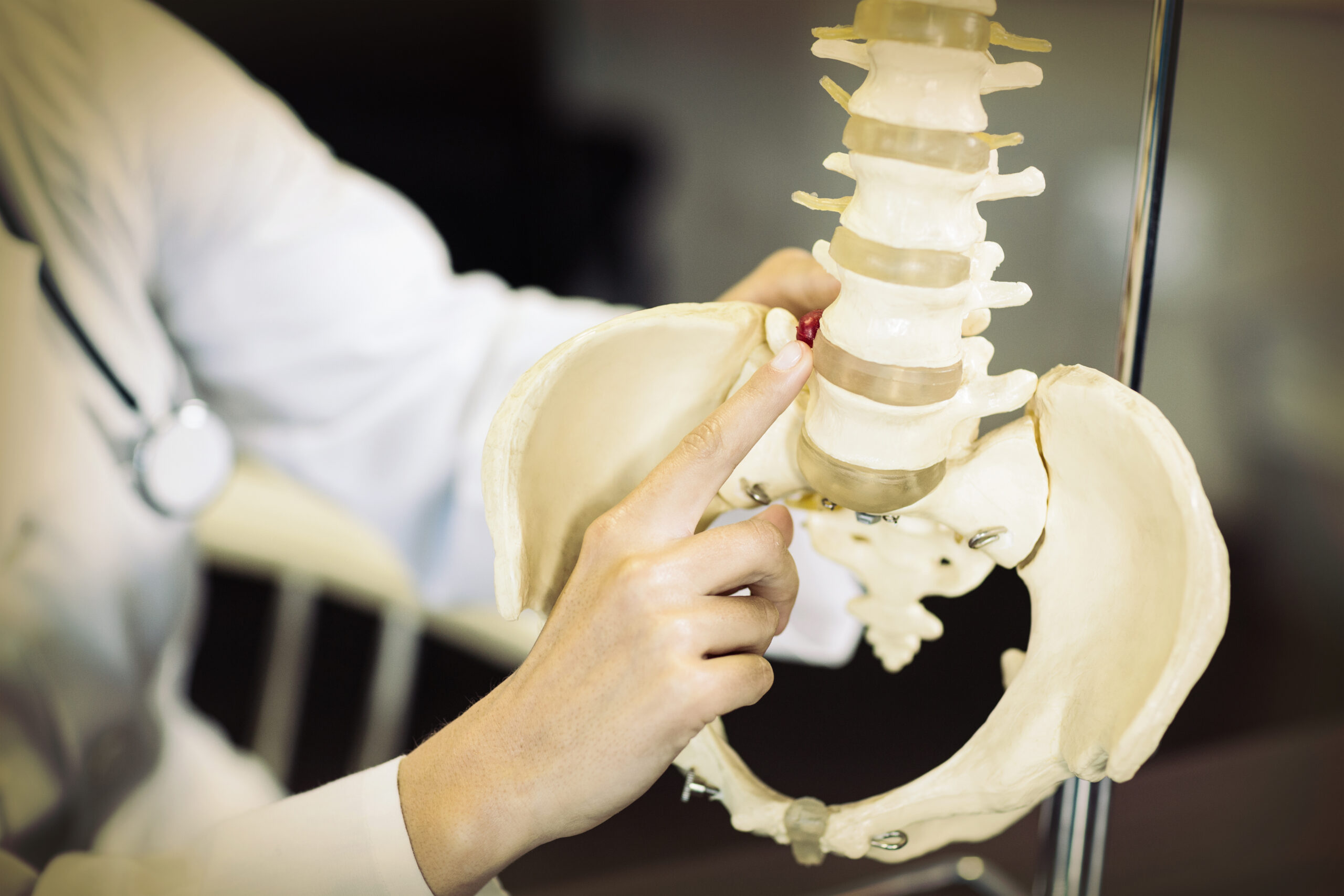
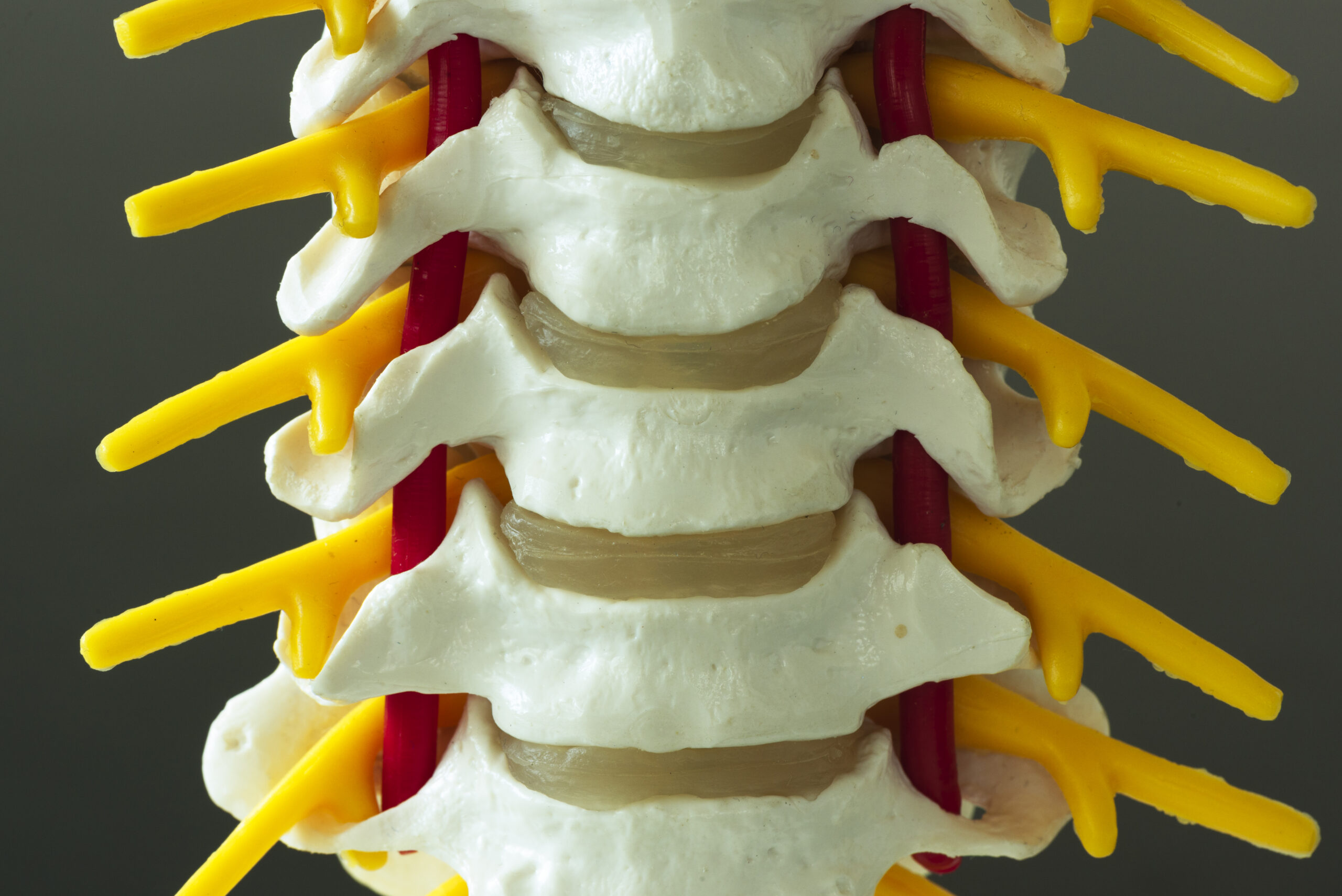
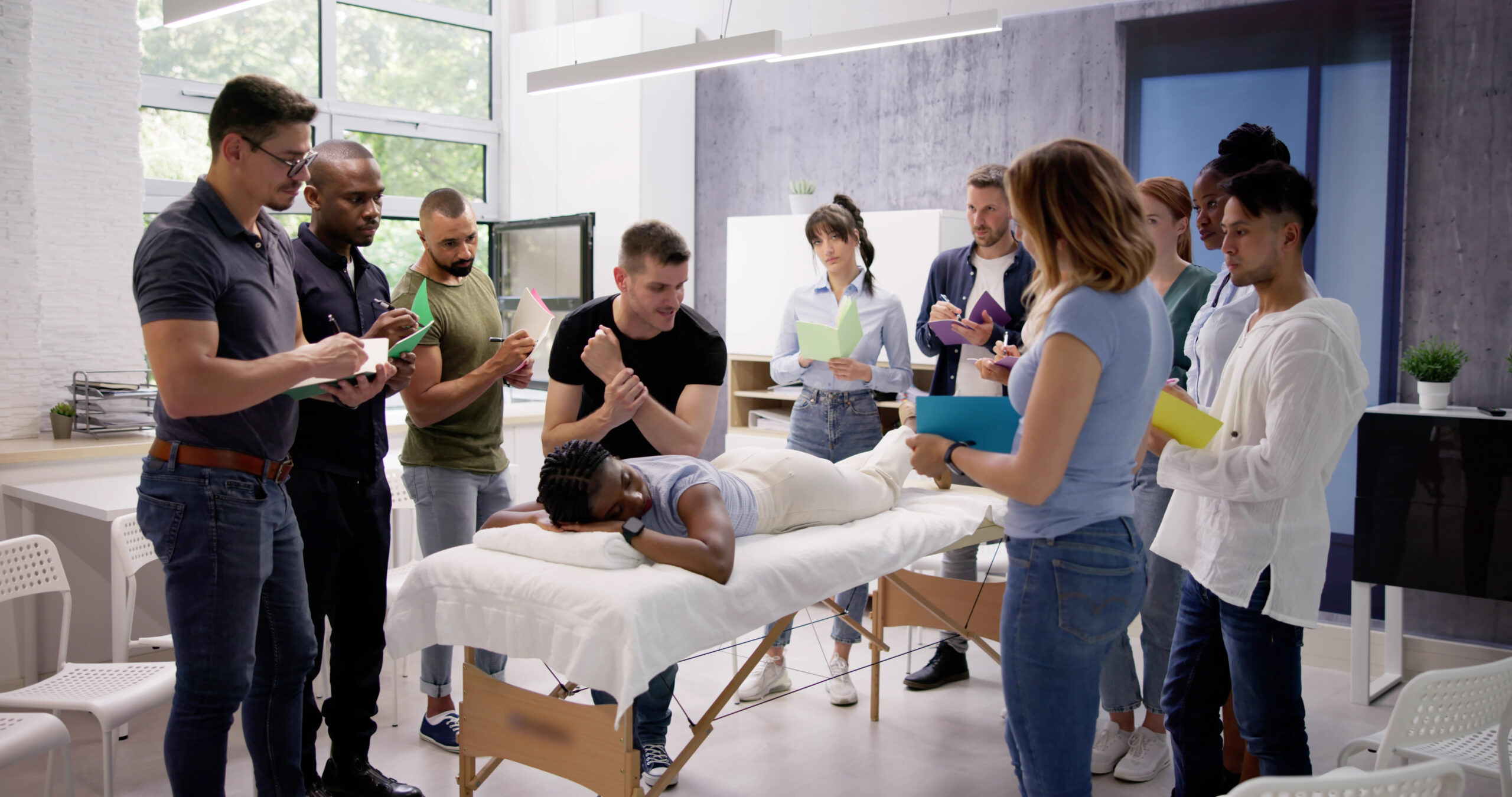
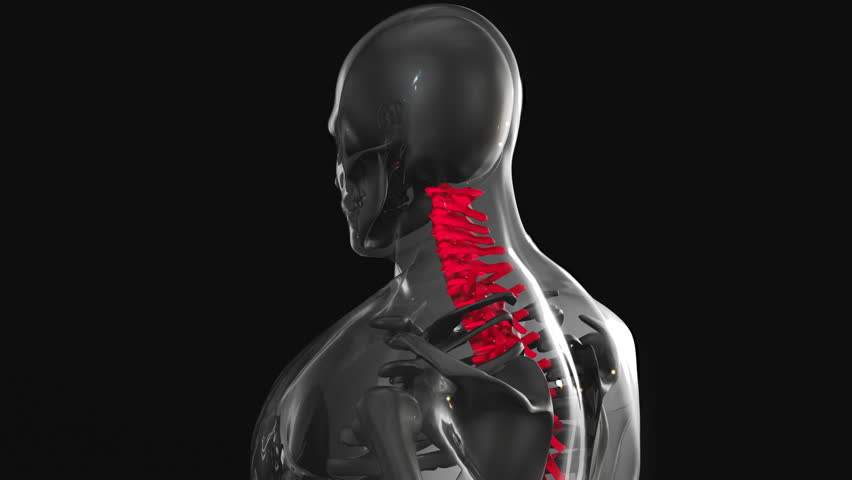
Rotational movement is central to a powerful golf swing, requiring flexibility in the thoracic spine and hips. Chiropractors use targeted spinal adjustments to correct subluxations—misalignments that restrict motion and create tension. By restoring proper joint function, these adjustments improve the body’s ability to twist efficiently, reducing strain on the lower back and shoulders. Techniques like diversified adjustments or flexion-distraction therapy are commonly employed to address specific restrictions. For example, a misaligned thoracic vertebra can limit rotational capacity, forcing the lower back to compensate and increasing injury risk. Regular adjustments help maintain optimal mobility, allowing golfers to achieve a full range of motion without overexertion. This not only enhances swing mechanics but also reduces the likelihood of acute injuries from sudden, forceful movements during play.
Soft Tissue Therapies for Muscle Balance and Recovery
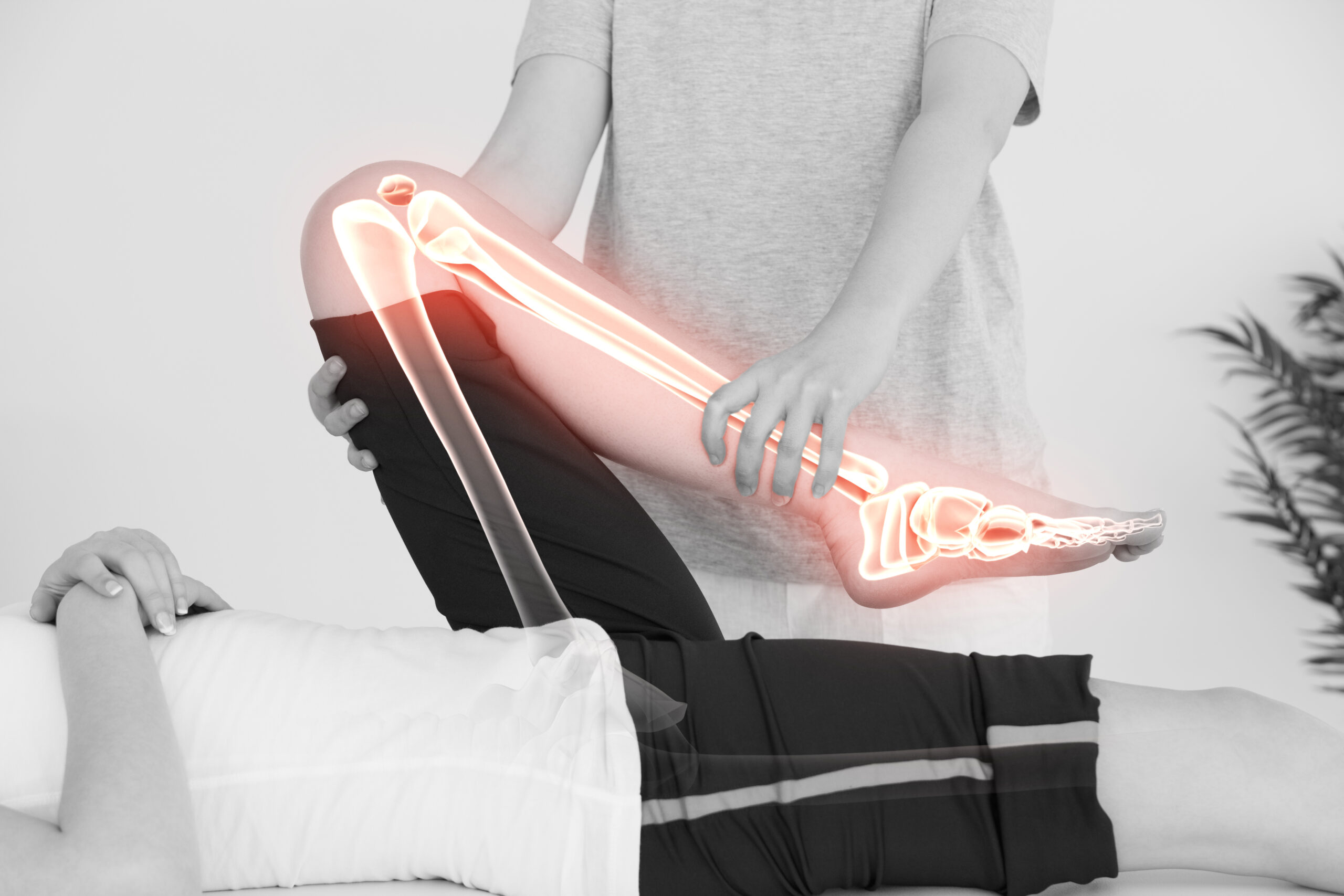
Soft tissue therapies play a vital role in maintaining muscle balance and preventing overuse injuries in golfers. Techniques like Active Release Technique (ART) and Graston Technique target adhesions and tightness in muscles, tendons, and ligaments that develop from repetitive swinging motions. These therapies improve blood flow, reduce inflammation, and restore normal tissue function, which is essential for maintaining consistent performance. For instance, tightness in the hip flexors or latissimus dorsi can alter swing mechanics, leading to compensatory patterns that strain other areas of the body. By addressing these imbalances, soft tissue treatments help golfers maintain proper form and reduce the risk of conditions like tendinitis or muscle strains. When combined with chiropractic adjustments, these therapies create a comprehensive approach to injury prevention and performance optimization.
Corrective Exercises to Strengthen Core and Postural Stability
Core strength and postural stability are foundational for a consistent golf swing. Chiropractors often recommend corrective exercises to address muscular imbalances and improve neuromuscular control. These exercises target the transverse abdominis, obliques, and lower back muscles, which stabilize the spine during rotational movements. A strong core reduces reliance on compensatory patterns that can develop from weak or inactive muscles, lowering the risk of back and shoulder injuries. Common recommendations include planks, rotational medicine ball throws, and resistance band exercises that mimic golf swing mechanics. By integrating these movements into a regular routine, amateur golfers can enhance their physical resilience and maintain proper form throughout a round. Chiropractors may also use functional movement assessments to tailor exercise programs to individual needs, ensuring safe and effective progress.
Preventing Common Golf-Related Injuries Through Regular Care
Regular chiropractic care helps prevent many injuries that commonly affect amateur golfers. Conditions like golfer’s elbow, lower back pain, and shoulder impingement often stem from repetitive stress and poor biomechanics. Chiropractors identify early signs of dysfunction through physical exams and movement assessments, allowing for proactive interventions. For example, addressing sacroiliac joint dysfunction can prevent lower back pain that worsens with repeated swinging. Similarly, correcting cervical spine misalignments may reduce headaches caused by poor posture during play. By maintaining optimal joint function and muscle flexibility, chiropractic care minimizes the risk of acute injuries from sudden movements or overuse. This preventive approach not only supports long-term play but also reduces downtime caused by recovery from preventable conditions.
When to Seek Chiropractic Care for Golf Performance
Amateur golfers should consider chiropractic care if they experience persistent pain, limited range of motion, or recurring injuries. Early intervention can prevent minor issues from escalating into chronic conditions. For instance, addressing a slight misalignment in the thoracic spine may prevent it from contributing to lower back pain during a round. Golfers recovering from an injury should also consult a chiropractor to ensure proper rehabilitation and restore full function. Regular check-ups can help maintain optimal performance, especially for those playing frequently or competing in tournaments. A qualified chiropractor will develop a personalized plan based on the golfer’s specific needs, incorporating adjustments, soft tissue work, and exercise recommendations. By prioritizing spinal health, amateur players can enjoy safer, more effective golfing experiences and reduce the risk of long-term damage.