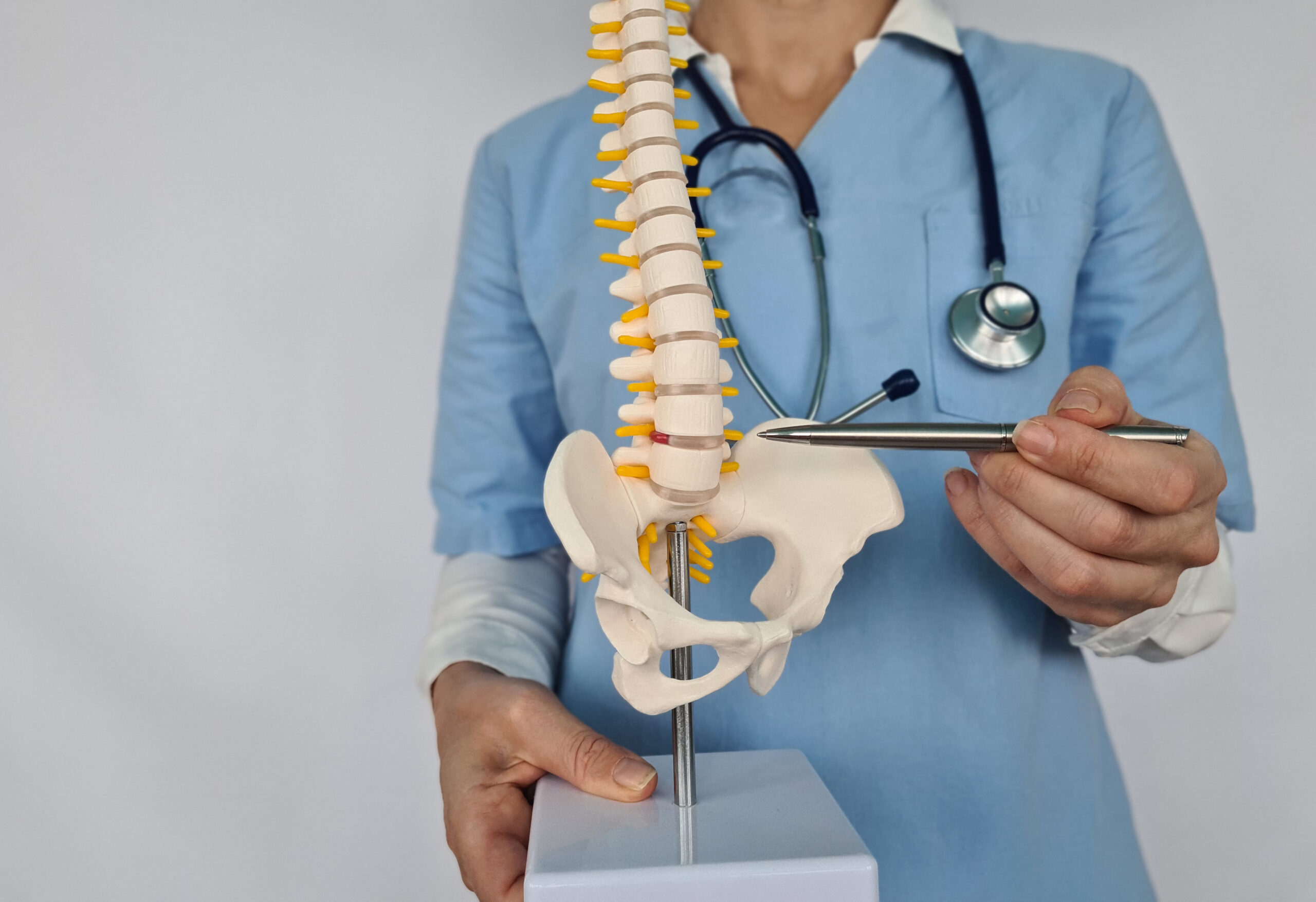
Understanding Chronic Pelvic Pain and Non-Medication Approaches
Chronic pelvic pain affects millions, often disrupting daily life and requiring long-term solutions. While medications like opioids are commonly prescribed, they carry risks of dependency and side effects. Chiropractic care offers non-invasive alternatives by addressing structural and musculoskeletal factors contributing to pain. Techniques such as spinal adjustments, soft tissue therapy, and lifestyle guidance aim to reduce discomfort without drugs. This approach aligns with growing emphasis on holistic, patient-centered care. By focusing on the body’s natural healing processes, chiropractors help patients manage pain while minimizing reliance on pharmaceuticals. Understanding these protocols empowers individuals to explore safer, sustainable options for relief.
Spinal Adjustments and Pelvic Alignment
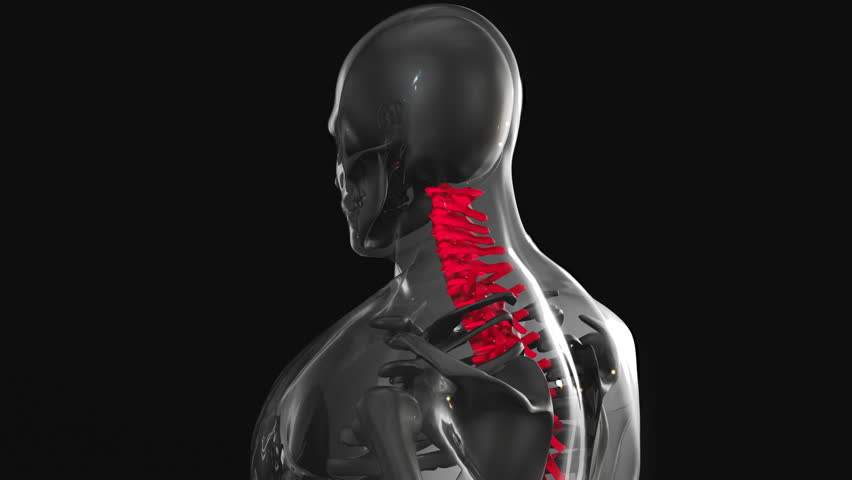
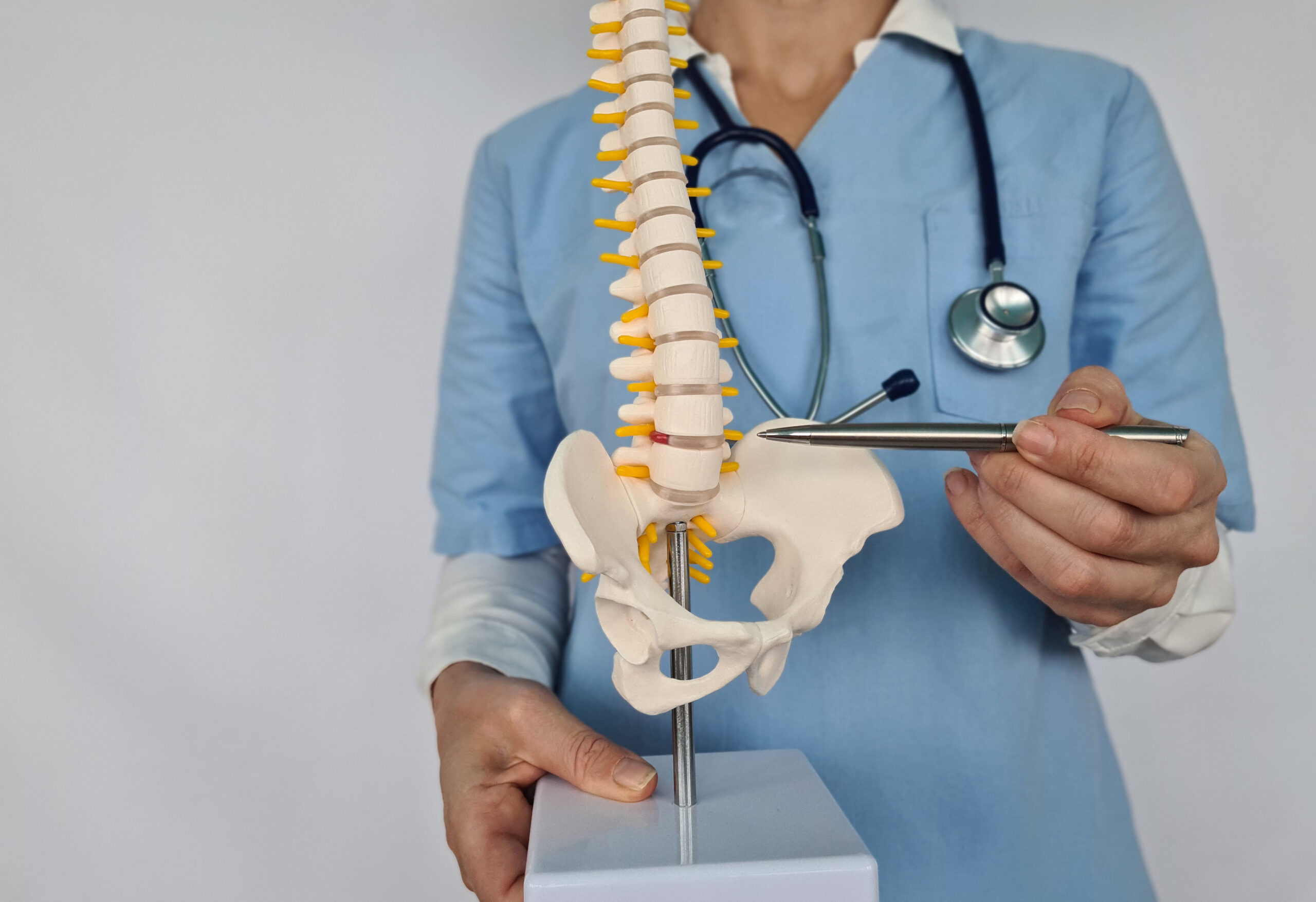
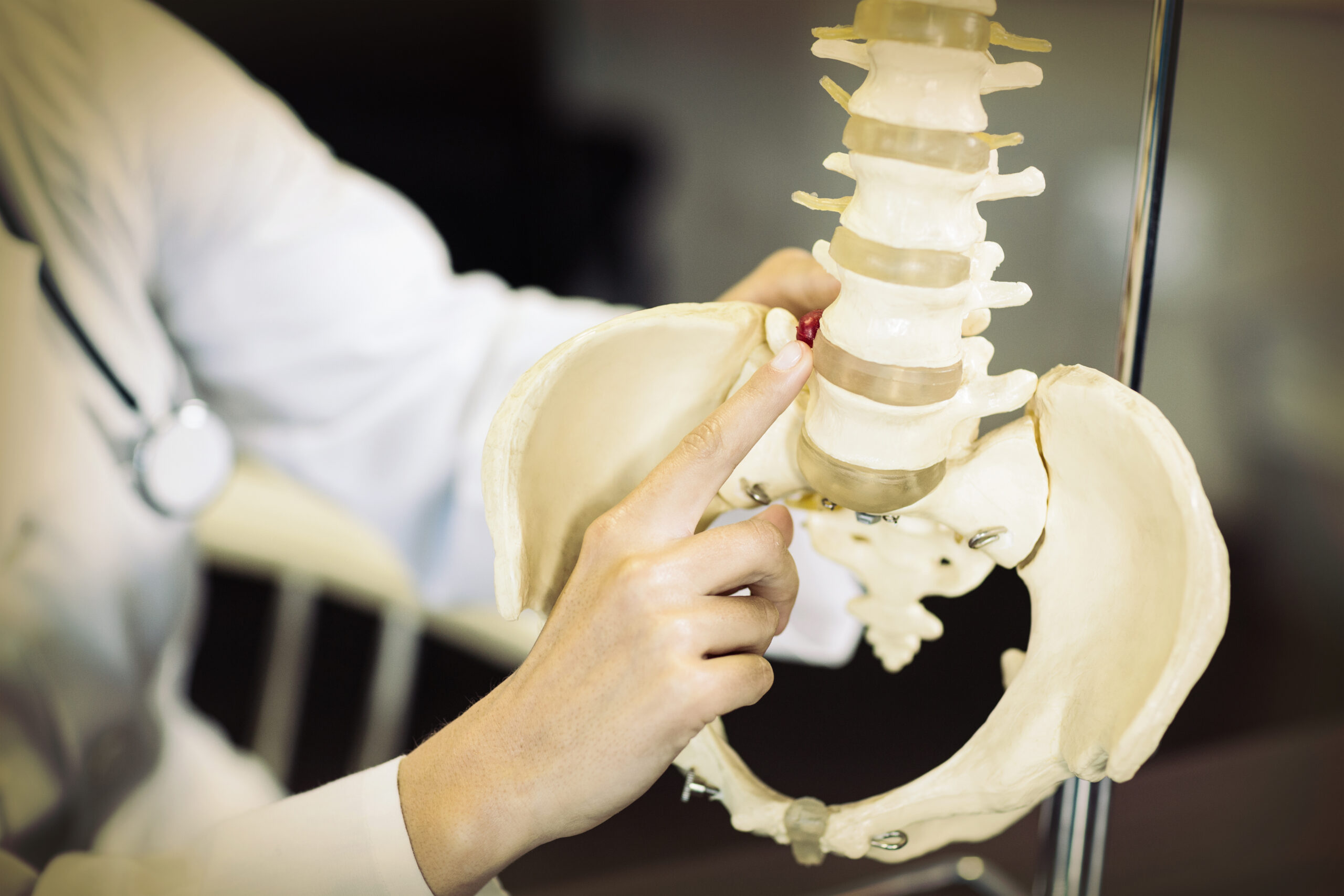
Spinal adjustments, a cornerstone of chiropractic care, may alleviate chronic pelvic pain by correcting misalignments in the spine and pelvis. Proper alignment can reduce nerve irritation, improve joint function, and enhance blood flow to affected areas. For pelvic pain, chiropractors often focus on the sacroiliac joints and lower back, as misalignments here are frequently linked to discomfort. Studies suggest that spinal manipulation can decrease pain intensity and improve mobility in conditions like sacroiliac dysfunction. However, results vary, and adjustments are most effective when tailored to individual needs. Patients should consult a licensed chiropractor to determine if this approach suits their specific condition and to avoid potential risks associated with improper technique.
Soft Tissue Therapies and Myofascial Release
Soft tissue therapies, including myofascial release and Active Release Technique (ART), target tight muscles and connective tissue that may contribute to pelvic pain. These methods address trigger points, adhesions, and restricted movement, which can exacerbate discomfort. By improving flexibility and reducing tension, such therapies may alleviate pain and restore function. For example, tight hip flexors or gluteal muscles can refer pain to the pelvis, making myofascial release a valuable tool. While evidence is ongoing, many patients report relief through these hands-on approaches. Chiropractors often combine soft tissue work with spinal adjustments for comprehensive care. As with all treatments, results depend on the practitioner’s skill and the patient’s adherence to follow-up care.
Integrative Approaches and Lifestyle Modifications
Chiropractic care often integrates with other non-pharmacological strategies to manage chronic pelvic pain. Techniques like acupuncture, corrective exercises, and ergonomic adjustments may complement spinal and soft tissue treatments. For instance, core-strengthening exercises can stabilize the pelvis, while posture corrections reduce strain on supporting structures. Nutritional advice and stress management also play roles, as inflammation and tension can worsen pain. Patients may benefit from a multidisciplinary plan that addresses physical, emotional, and lifestyle factors. However, these approaches should be guided by a qualified chiropractor to ensure safety and effectiveness. Combining evidence-based methods with personalized care can enhance outcomes, offering a holistic path to pain relief without medication.
The Role of Patient Education and Self-Management
Empowering patients with knowledge and self-care strategies is critical in managing chronic pelvic pain. Chiropractors often educate individuals on proper body mechanics, movement patterns, and home exercises to maintain progress. For example, learning to lift objects correctly or modify daily activities can prevent exacerbations. Self-massage techniques, heat therapy, and mindfulness practices may also provide relief. However, these methods work best when integrated into a broader care plan. Patients must communicate openly with their chiropractor to refine their approach and address evolving needs. By fostering active participation, chiropractic care promotes long-term management and reduces dependency on external interventions, aligning with the goal of sustainable, drug-free pain relief.
Consulting a Qualified Chiropractor for Personalized Care
Every individual’s experience with chronic pelvic pain is unique, making personalized care essential. A qualified chiropractor conducts thorough evaluations to identify underlying causes and develop targeted protocols. This may involve imaging, physical exams, and discussing medical history to rule out other conditions. Treatment plans are then tailored to the patient’s specific needs, combining techniques like adjustments, soft tissue work, and lifestyle advice. Open communication between patient and provider ensures adjustments are safe and effective. While chiropractic care offers promising alternatives to medication, it is not a one-size-fits-all solution. Consulting a licensed professional ensures that patients receive evidence-based, individualized care that prioritizes their well-being and long-term health outcomes.