Understanding Chronic Whiplash-Associated Disorders
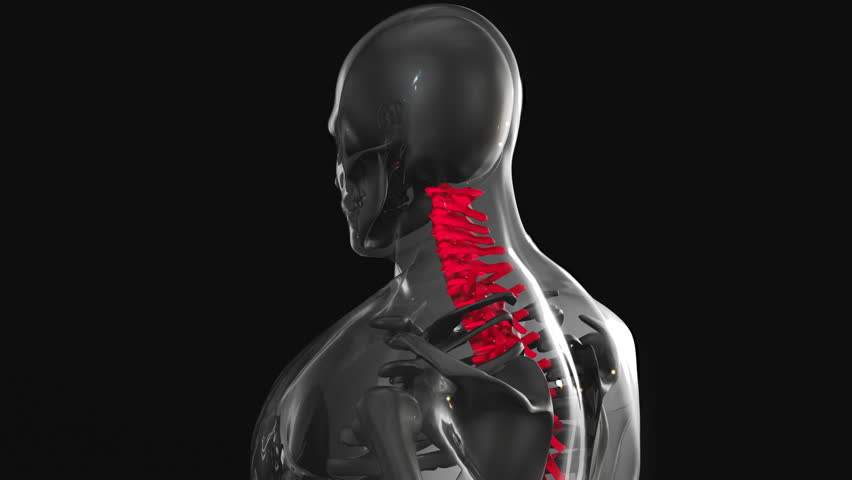
Chronic whiplash-associated disorders (WAD) occur when symptoms persist beyond the typical recovery window, often lasting weeks, months, or even years after an injury. Unlike acute cases, chronic WAD involves complex interactions between musculoskeletal, neurological, and psychological factors. Common symptoms include persistent neck pain, headaches, dizziness, and reduced range of motion. While the exact mechanisms remain under study, research suggests that ongoing inflammation, muscle imbalances, and spinal misalignments may contribute to prolonged discomfort. Chiropractic care offers non-invasive options to address these issues, focusing on restoring function and reducing pain through targeted interventions. Understanding the unique challenges of chronic WAD is essential for developing effective treatment strategies.
Spinal Adjustments and Joint Mobilization
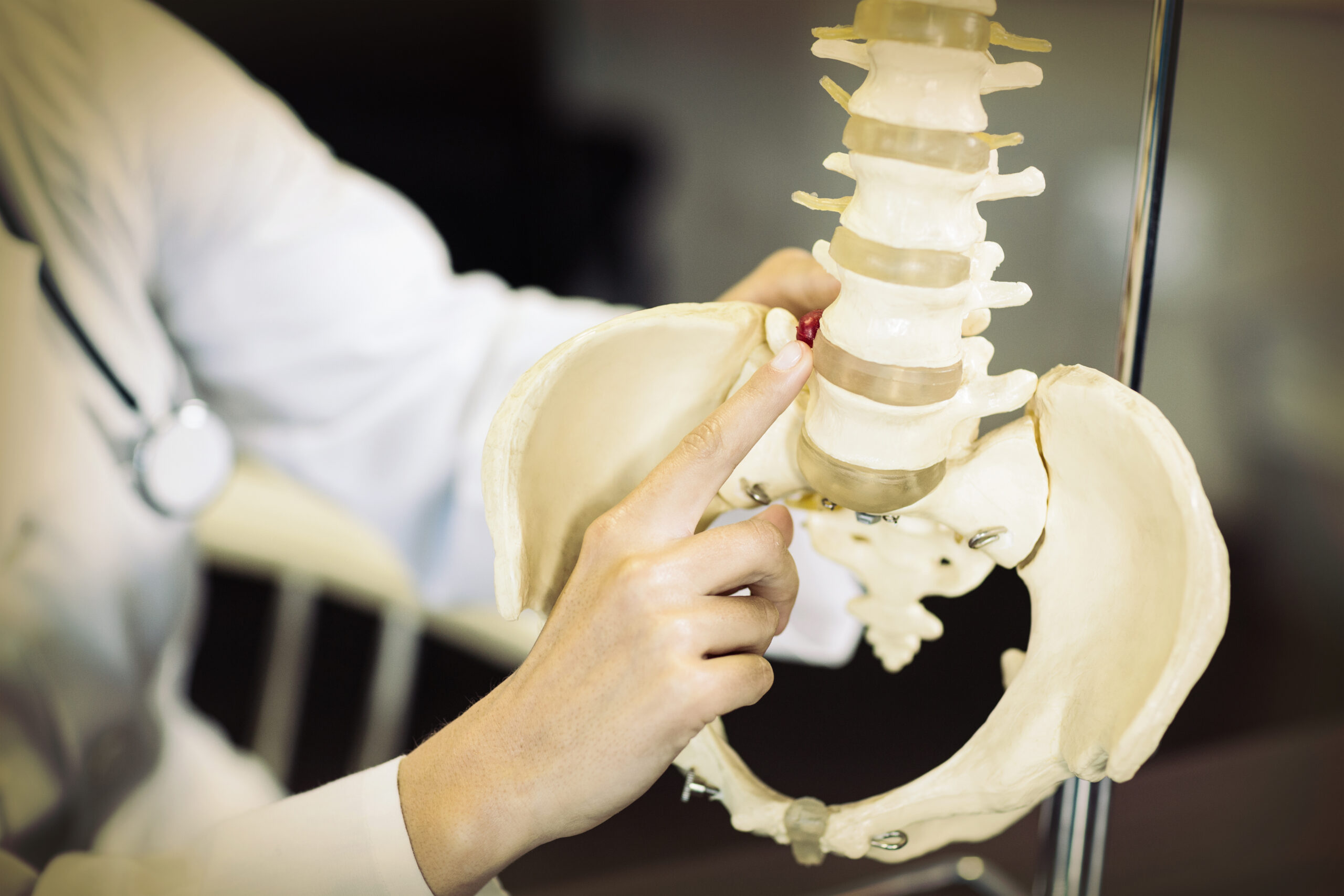
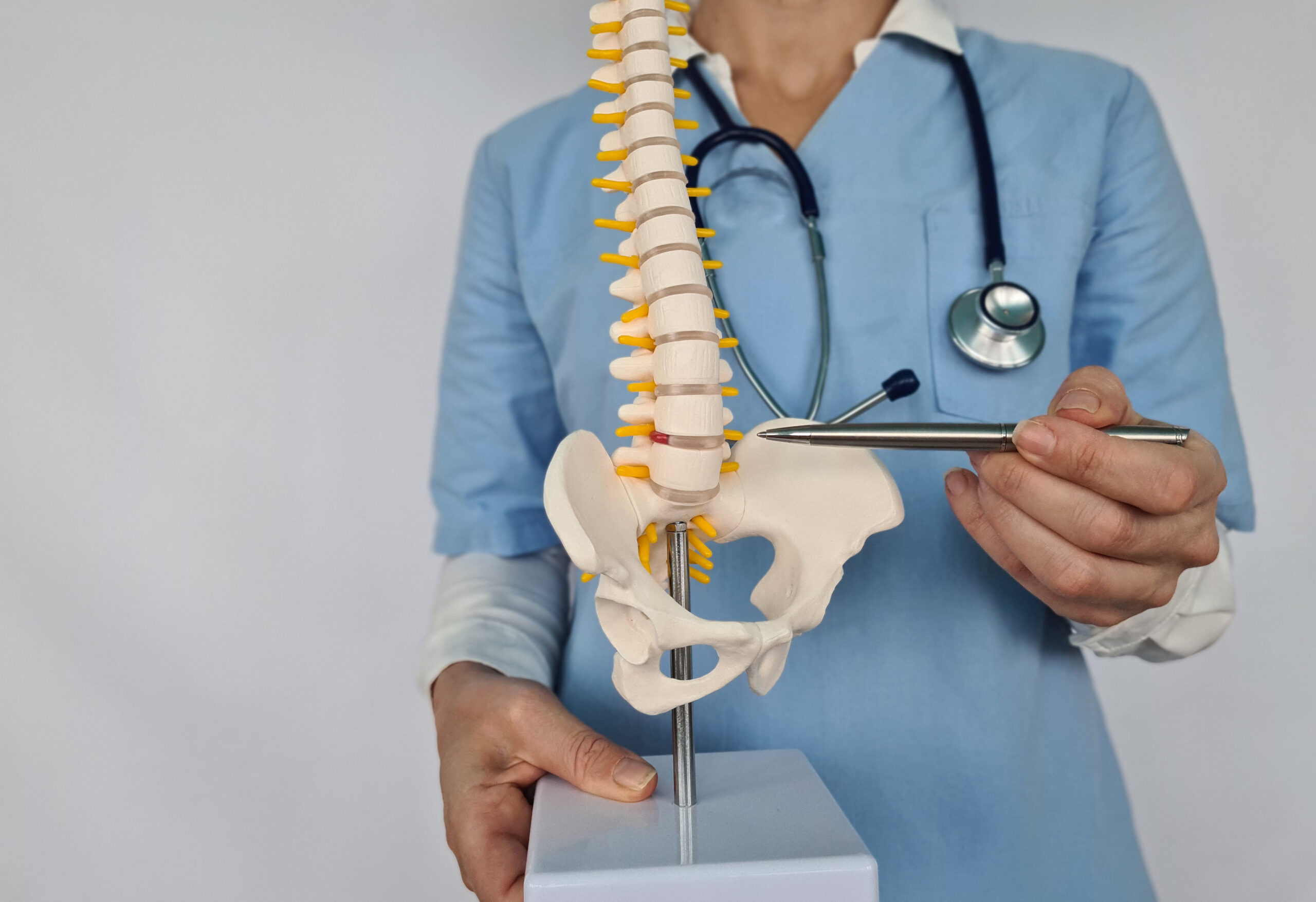
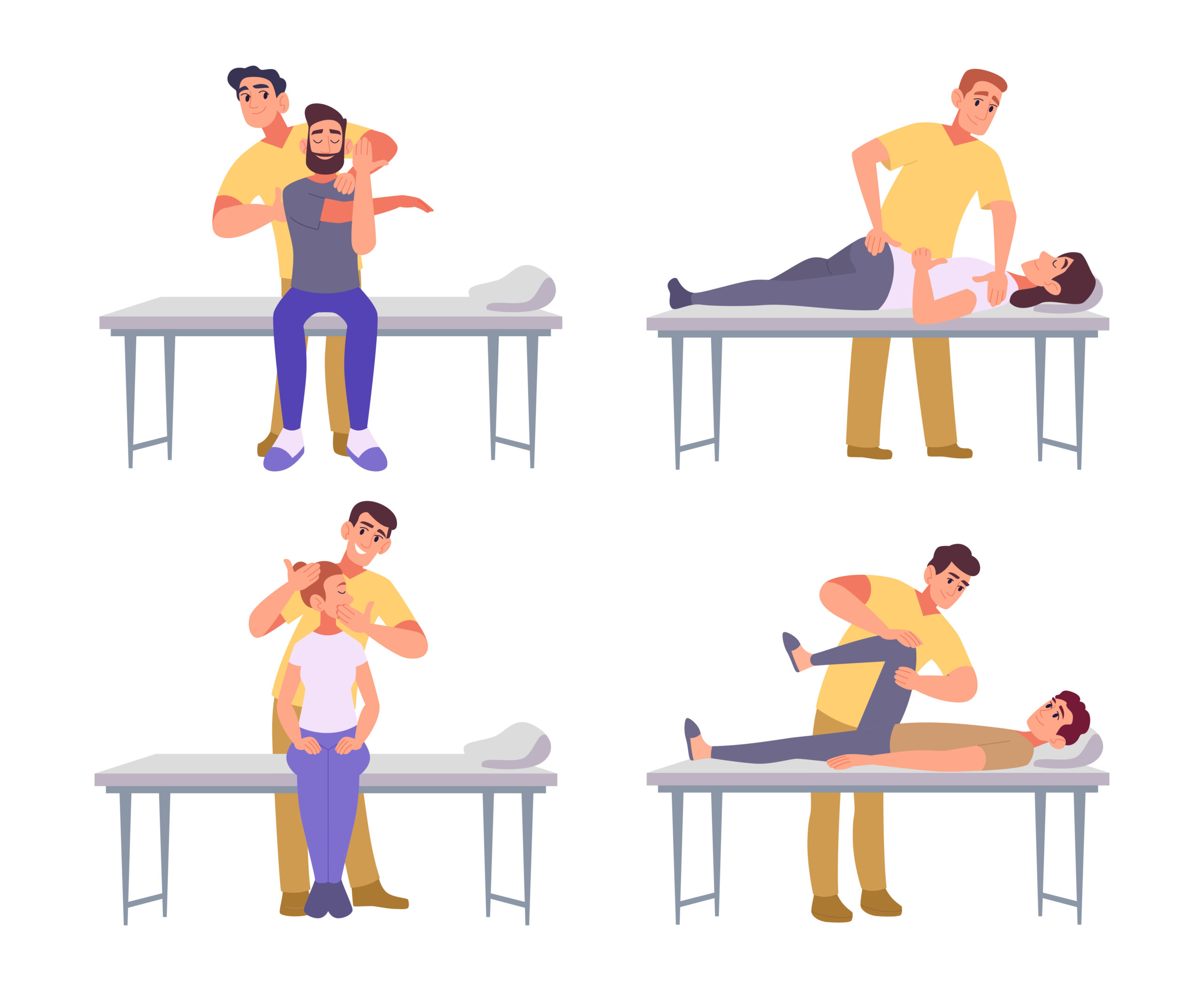
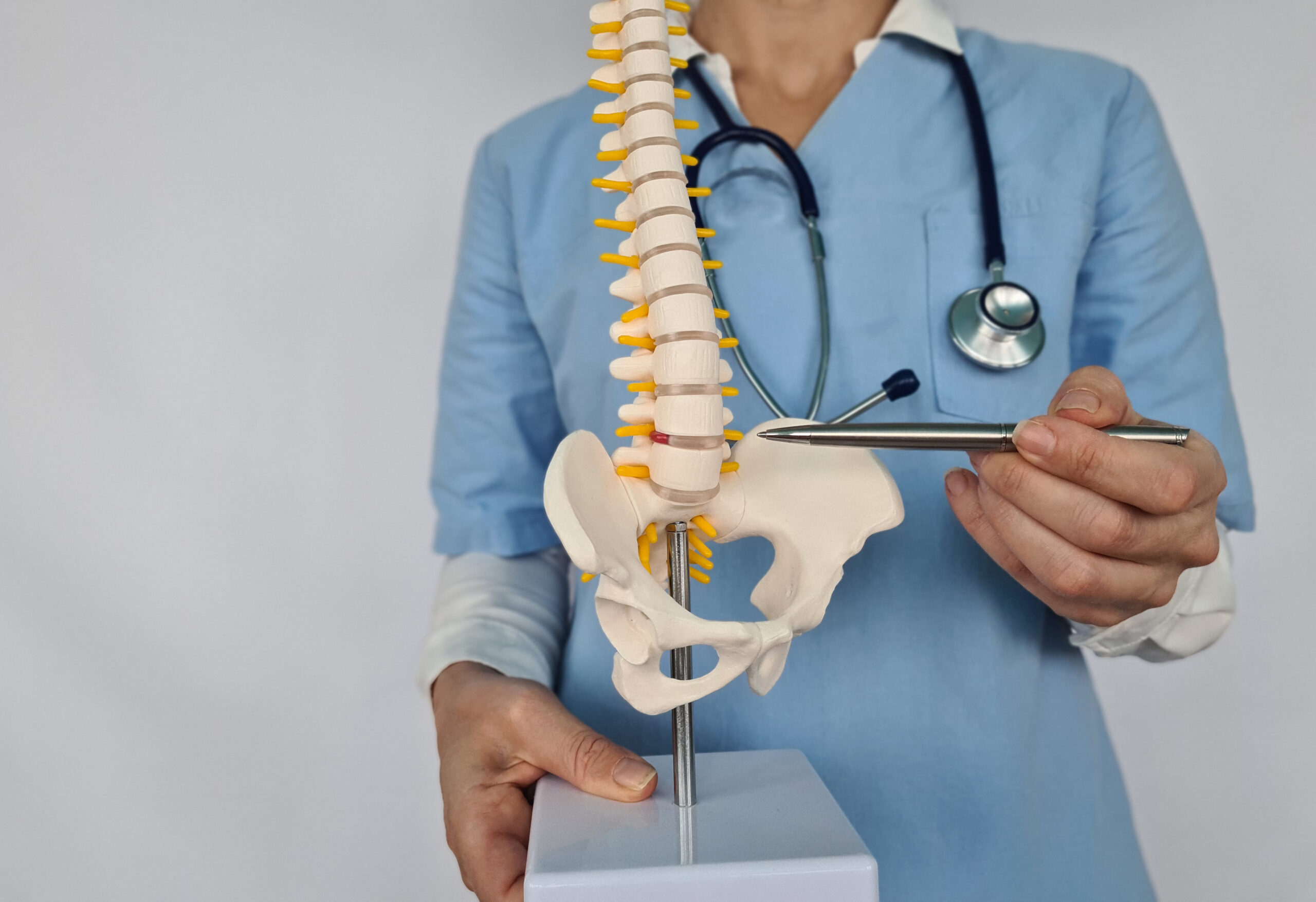
Spinal adjustments and joint mobilization techniques are foundational in chiropractic care for chronic WAD. These methods aim to correct vertebral subluxations, improve joint mobility, and alleviate nerve irritation. By restoring proper alignment, chiropractors can reduce pain and enhance the body’s natural healing processes. Techniques such as diversified adjustments, activator methods, and flexion-distraction therapy are commonly used to address cervical spine dysfunction. While evidence on long-term efficacy varies, many patients report improved mobility and reduced discomfort. It is important to note that these treatments should be tailored to individual needs, as excessive force or improper technique may worsen symptoms. A qualified chiropractor can determine the most appropriate approach based on a thorough evaluation.
Soft Tissue Therapies and Myofascial Release
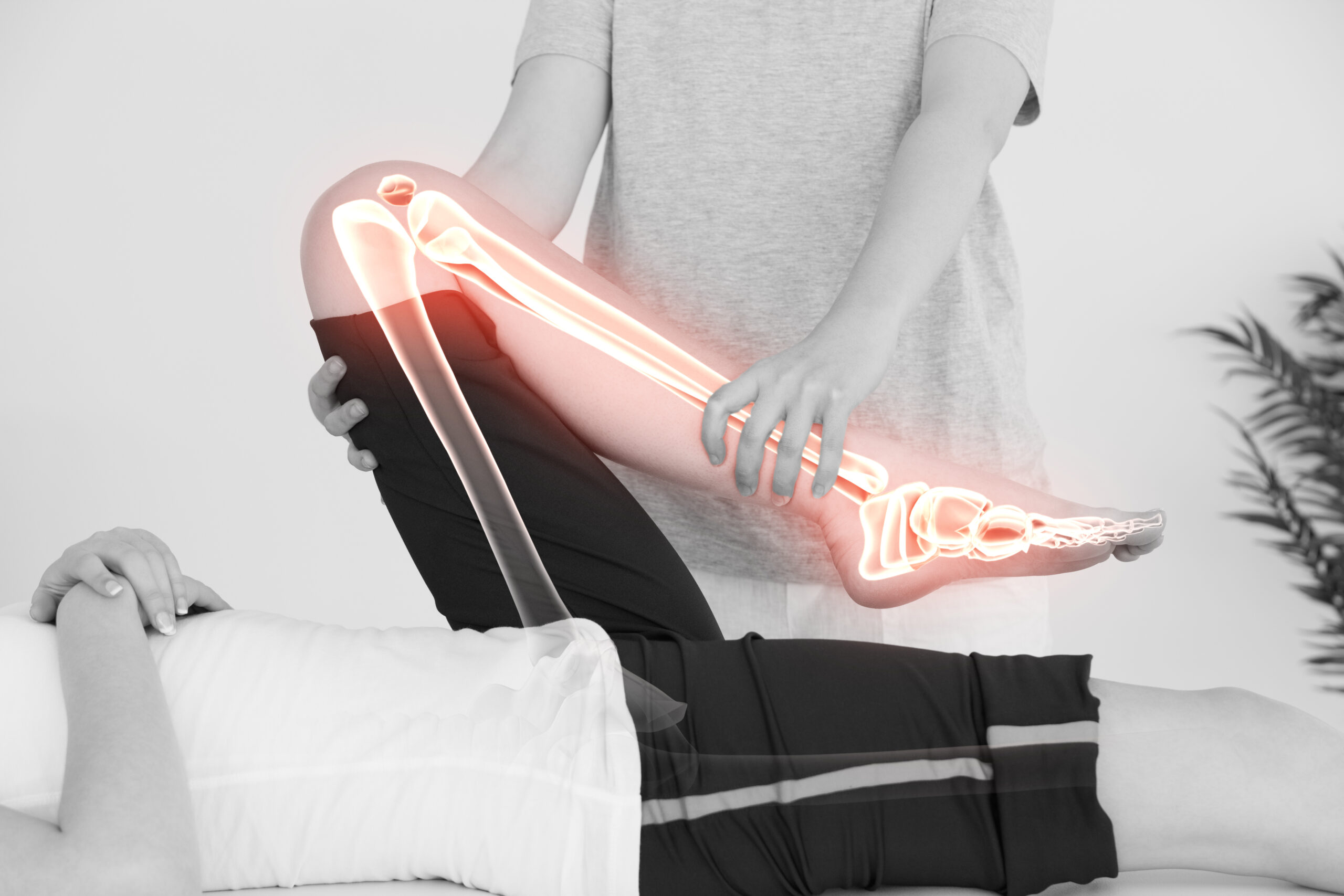
Soft tissue therapies, including myofascial release and trigger point therapy, target muscle tension and fascial restrictions often associated with chronic WAD. These techniques help alleviate pain by improving blood flow, reducing inflammation, and restoring muscle function. Myofascial release involves sustained pressure on tight areas, while trigger point therapy focuses on specific knots within muscles. Studies suggest that combining these methods with spinal adjustments may enhance outcomes by addressing both structural and muscular components of the condition. However, results can vary, and patients should communicate openly with their chiropractor to ensure comfort and effectiveness. Soft tissue work is often part of a broader treatment plan, emphasizing a holistic approach to recovery.
Rehabilitation Exercises and Postural Correction
Rehabilitation exercises and postural correction play a critical role in managing chronic WAD. Strengthening weak muscles, improving flexibility, and retraining proper posture can reduce strain on the cervical spine. Chiropractors often recommend specific stretches and strengthening routines to support long-term stability. For example, neck retraction exercises and scapular stabilization drills may help realign the spine and prevent further injury. Additionally, addressing poor posture—such as forward head positioning—can alleviate chronic tension. While these exercises are generally safe, they should be guided by a professional to avoid exacerbating symptoms. Consistency and proper form are key to achieving lasting benefits and preventing relapse.
Complementary Modalities and Multimodal Approaches
Chiropractors often integrate complementary modalities to enhance treatment for chronic WAD. These may include cold laser therapy, electrical stimulation, or ultrasound to reduce inflammation and promote tissue healing. While some modalities lack robust evidence, many patients find them beneficial when used alongside manual techniques. A multimodal approach allows for personalized care, addressing multiple aspects of the condition simultaneously. For instance, combining adjustments with soft tissue work and rehabilitation exercises may yield better results than any single method alone. However, the effectiveness of these combinations varies, and patients should discuss options with their chiropractor to ensure safety and appropriateness for their specific case.
Importance of Individualized Care and Ongoing Evaluation
Chronic WAD is highly variable, making individualized care essential for effective management. A chiropractor will assess each patient’s unique symptoms, medical history, and lifestyle factors to develop a customized treatment plan. Regular evaluations help track progress and adjust interventions as needed. While certain techniques may be widely used, what works for one person may not suit another. Open communication between patient and provider is crucial to address concerns and optimize outcomes. Additionally, patients should be cautious of unproven or overly aggressive treatments. By prioritizing evidence-based practices and ongoing collaboration, chiropractic care can play a valuable role in improving quality of life for those living with chronic whiplash-associated disorders.