Understanding Spinal Decompression Therapy
Spinal decompression therapy is a non-surgical treatment designed to relieve pressure on compressed spinal discs, nerves, and surrounding tissues. It is often used for conditions like herniated discs, sciatica, or degenerative disc disease. The process typically involves a specialized table or device that gently stretches the spine, creating negative pressure to promote disc rehydration and nerve decompression. For new patients, understanding the purpose and mechanics of this therapy is critical. Chiropractors begin by explaining the science behind decompression, emphasizing its role in reducing pain and improving mobility. Visual demonstrations help patients grasp how the therapy works, fostering trust and compliance. By addressing misconceptions and highlighting the benefits, practitioners set the stage for a positive treatment experience.
Preparing the Patient for the Demonstration
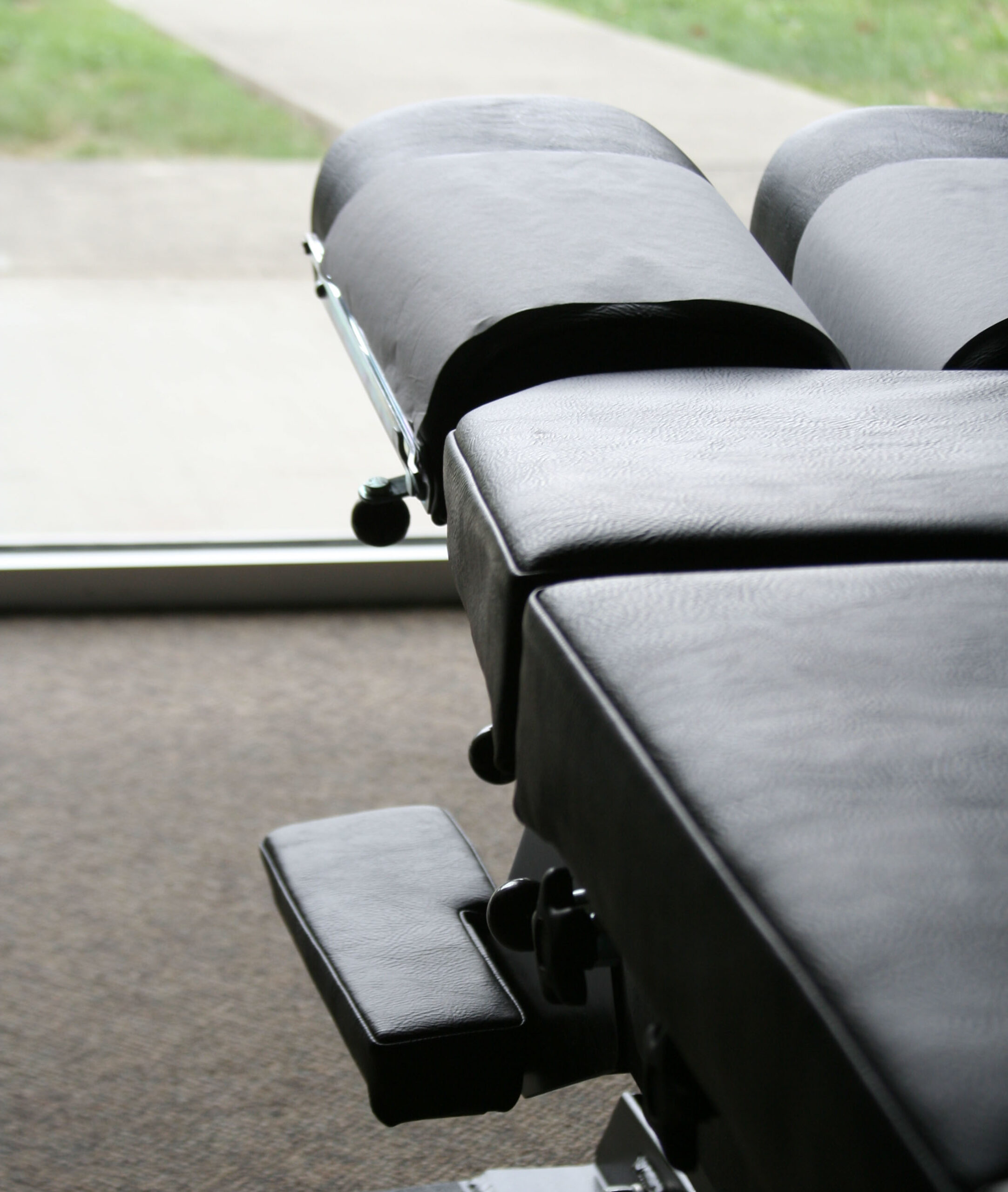
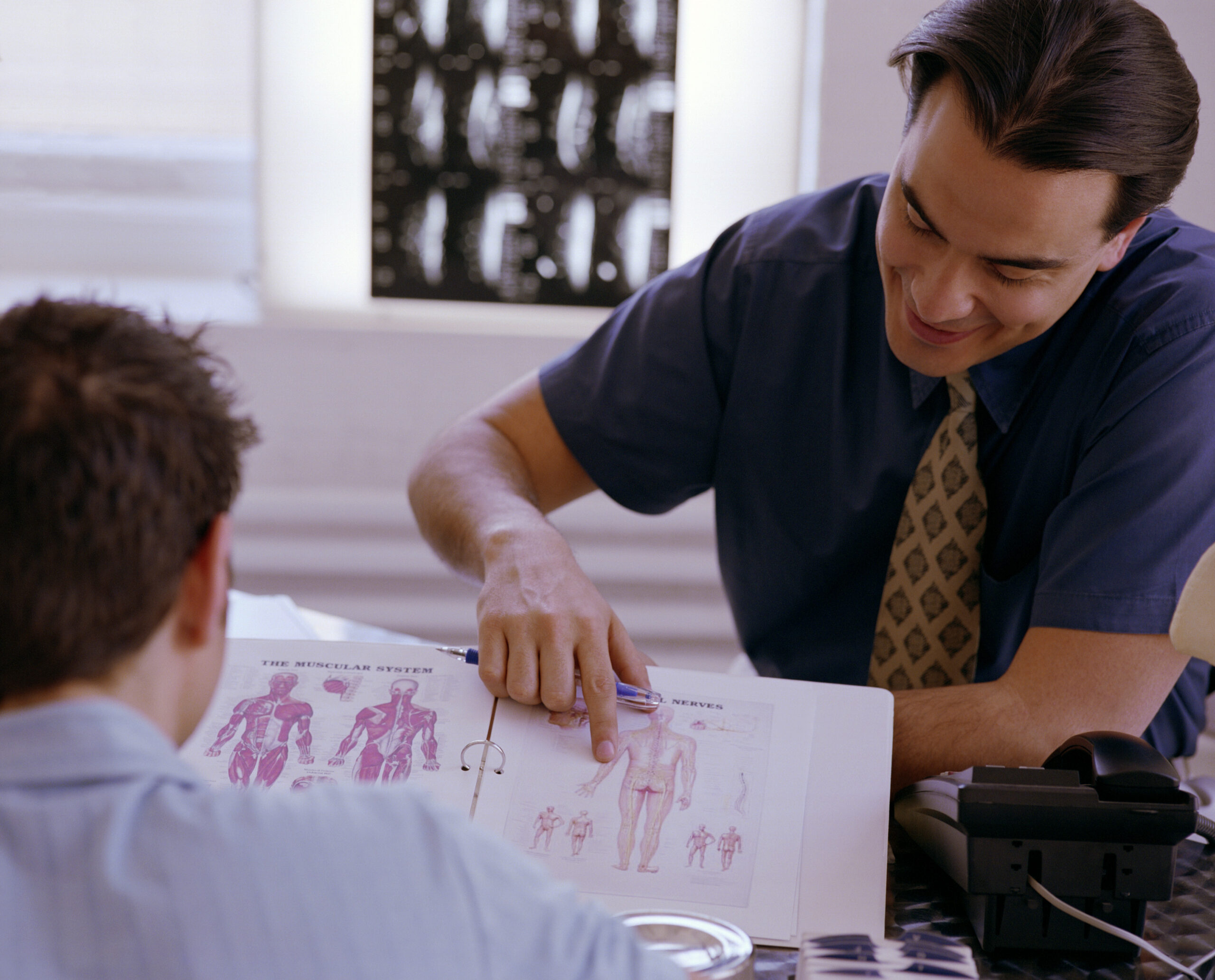
Before demonstrating spinal decompression, chiropractors must ensure patients feel informed and comfortable. This involves a brief explanation of the equipment, such as the decompression table or traction device, and a discussion of the procedure’s goals. Patients should be encouraged to ask questions to clarify any uncertainties. Practitioners may also use diagrams, videos, or models to illustrate the process. It is essential to address potential concerns, such as discomfort or safety, and reassure patients that the therapy is tailored to their specific needs. By creating a relaxed environment, chiropractors help patients focus on the demonstration rather than anxiety. This preparation also includes checking the patient’s medical history to ensure the technique is appropriate. A clear, step-by-step overview of what to expect during the demonstration builds confidence and reduces fear.
Step-by-Step Demonstration Process
The actual demonstration of spinal decompression involves several key steps to ensure clarity and safety. First, the chiropractor positions the patient on the decompression table, adjusting the straps and support to maintain comfort. They then explain how the device works, including the controlled traction forces applied to the spine. Visual aids, such as a model or video, may be used to show the mechanics of disc decompression. The practitioner demonstrates the setup and operation of the equipment, emphasizing safety protocols. During the live demonstration, they may simulate the process without applying full traction, allowing patients to observe the movement and feel the gentle stretching. Throughout, the chiropractor communicates openly, describing each action and its purpose. This hands-on approach helps patients understand the therapy’s practical application and builds trust in the treatment plan.
Engaging Patients Through Visual and Tactile Learning
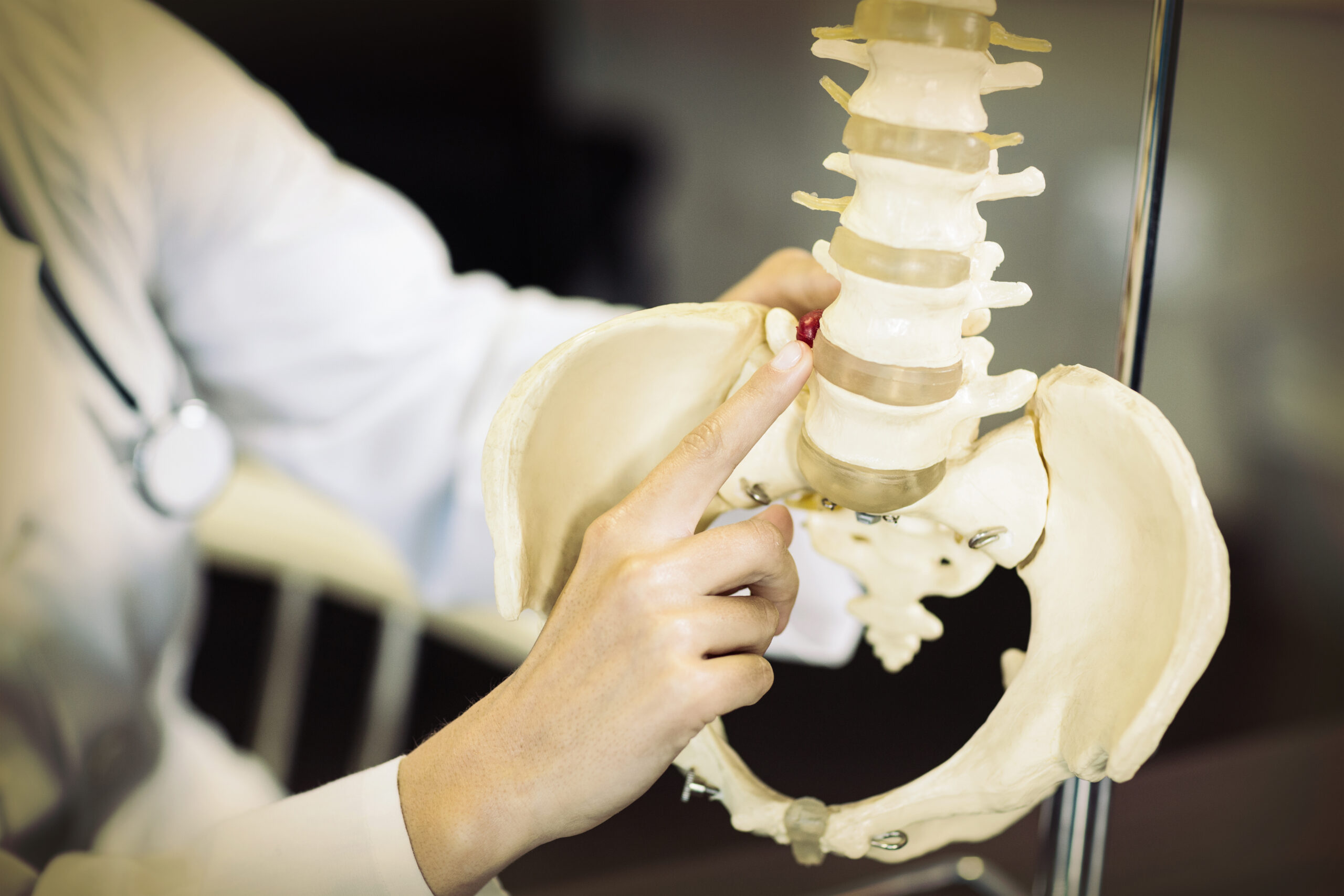
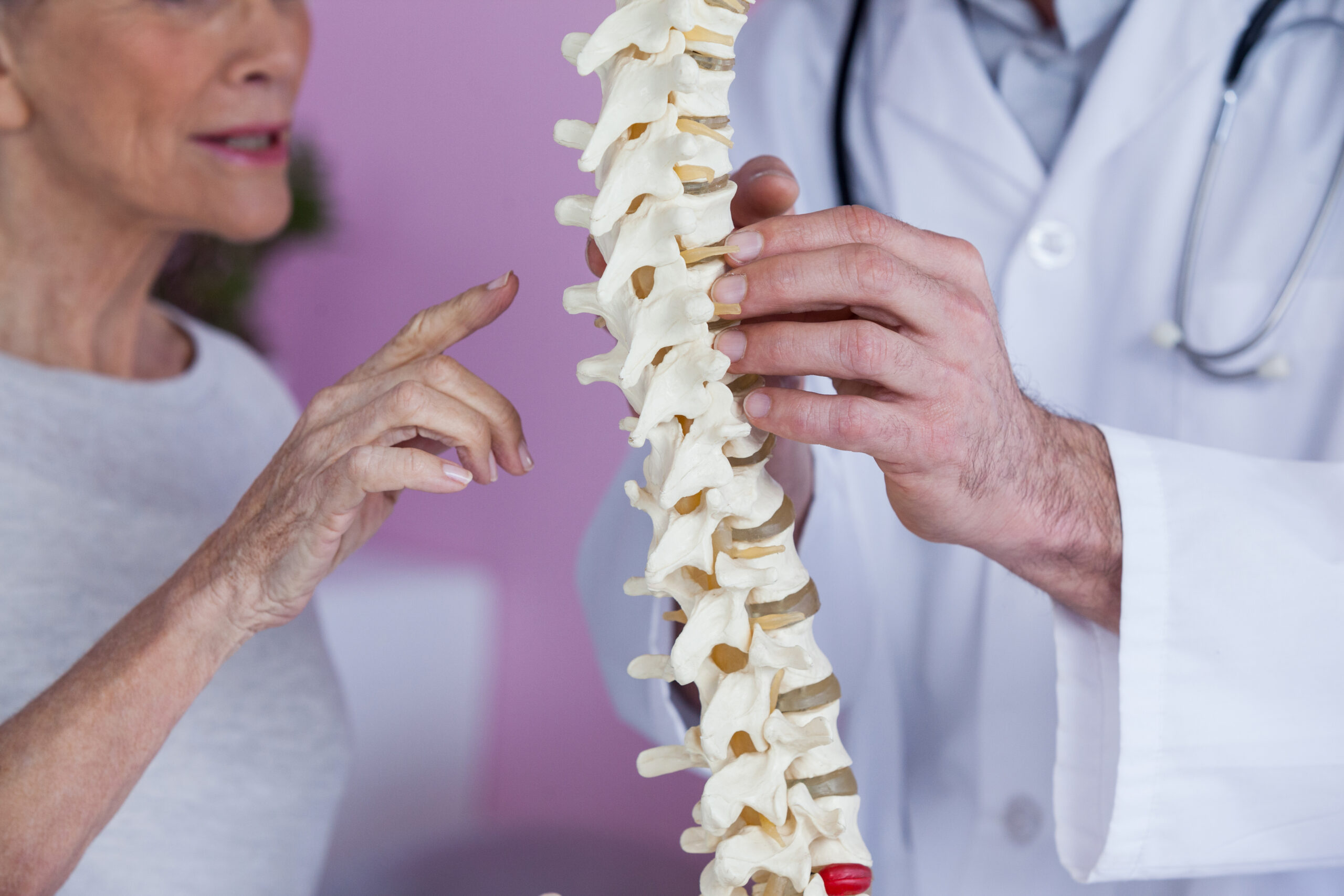
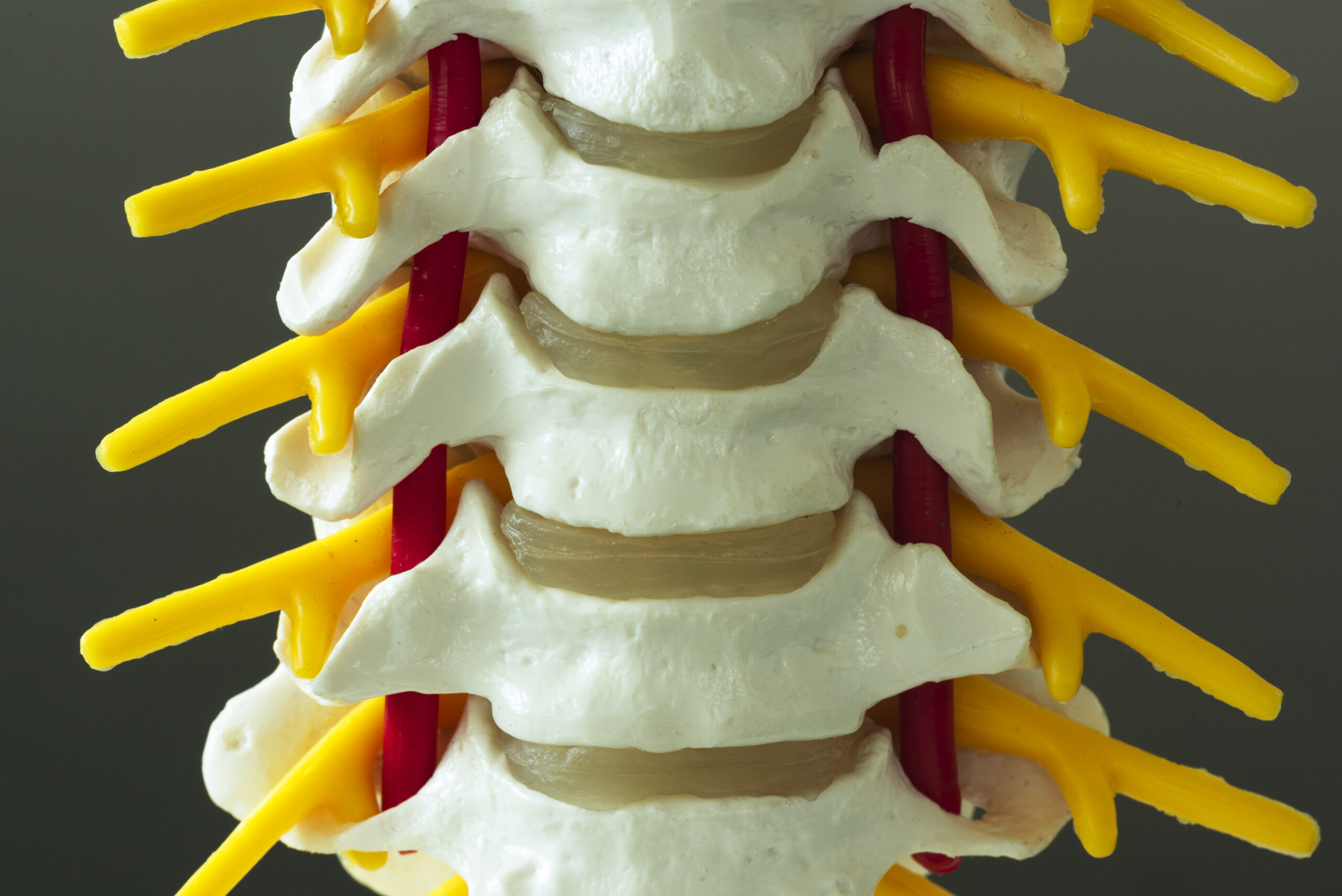
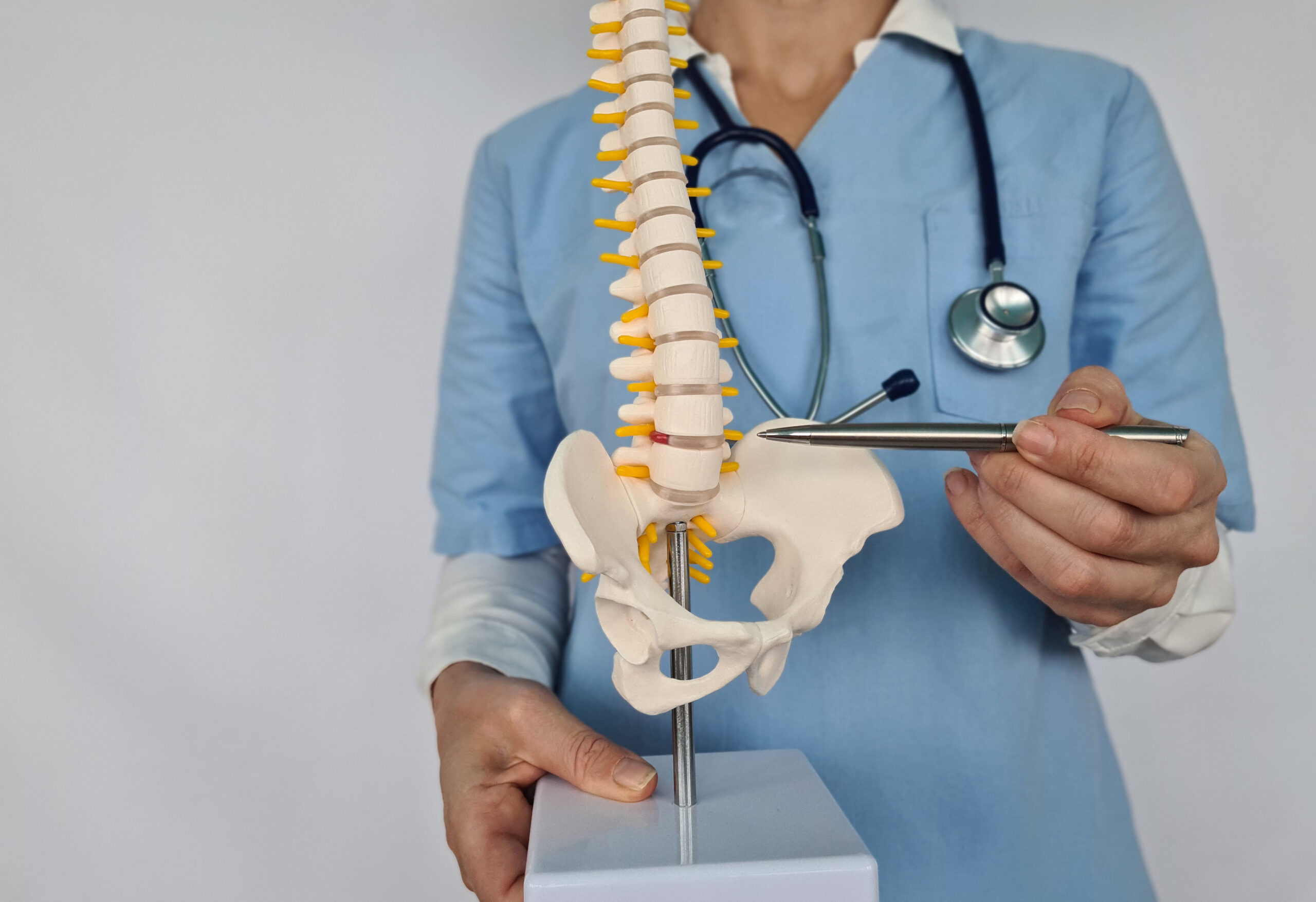
Visual and tactile learning are essential when demonstrating spinal decompression techniques. Chiropractors often use props, such as anatomical models or interactive software, to illustrate how disc pressure is relieved. These tools help patients visualize the spine’s structure and the effects of decompression. Tactile demonstrations, like allowing patients to feel the decompression table’s surface or observe the device’s movement, reinforce understanding. Practitioners may also use simple analogies, such as comparing the spine to a sponge that absorbs pressure, to make complex concepts relatable. Encouraging patients to ask questions during the demonstration ensures they grasp the process fully. By combining visual, auditory, and tactile elements, chiropractors create a comprehensive learning experience that empowers patients to participate actively in their care.
Addressing Patient Concerns and Safety Protocols
Safety and transparency are paramount during spinal decompression demonstrations. Chiropractors must address common concerns, such as the risk of discomfort or the effectiveness of the therapy. They explain that the process is non-invasive and closely monitored, with adjustments made to suit the patient’s tolerance. Practitioners also outline safety protocols, such as emergency stop mechanisms and continuous patient feedback. By emphasizing that patients can pause or stop the procedure at any time, chiropractors foster a sense of control. They may also discuss potential side effects, like temporary soreness, and how to manage them. This open dialogue helps patients feel secure and informed, reducing anxiety and promoting adherence to the treatment plan.
Reinforcing Understanding and Encouraging Follow-Up
After the demonstration, chiropractors should reinforce key points to ensure patients retain the information. This may involve summarizing the process, answering lingering questions, and providing written materials for reference. Patients are encouraged to discuss any doubts with their provider before proceeding. Follow-up appointments allow practitioners to assess the patient’s understanding and address new concerns. Chiropractors may also recommend additional resources, such as educational videos or brochures, to support ongoing learning. By maintaining open communication, practitioners build long-term trust and ensure patients feel confident in their care. This proactive approach not only enhances the demonstration’s effectiveness but also strengthens the patient-provider relationship.