Evolution of Diagnostic Tools in Modern Chiropractic Care
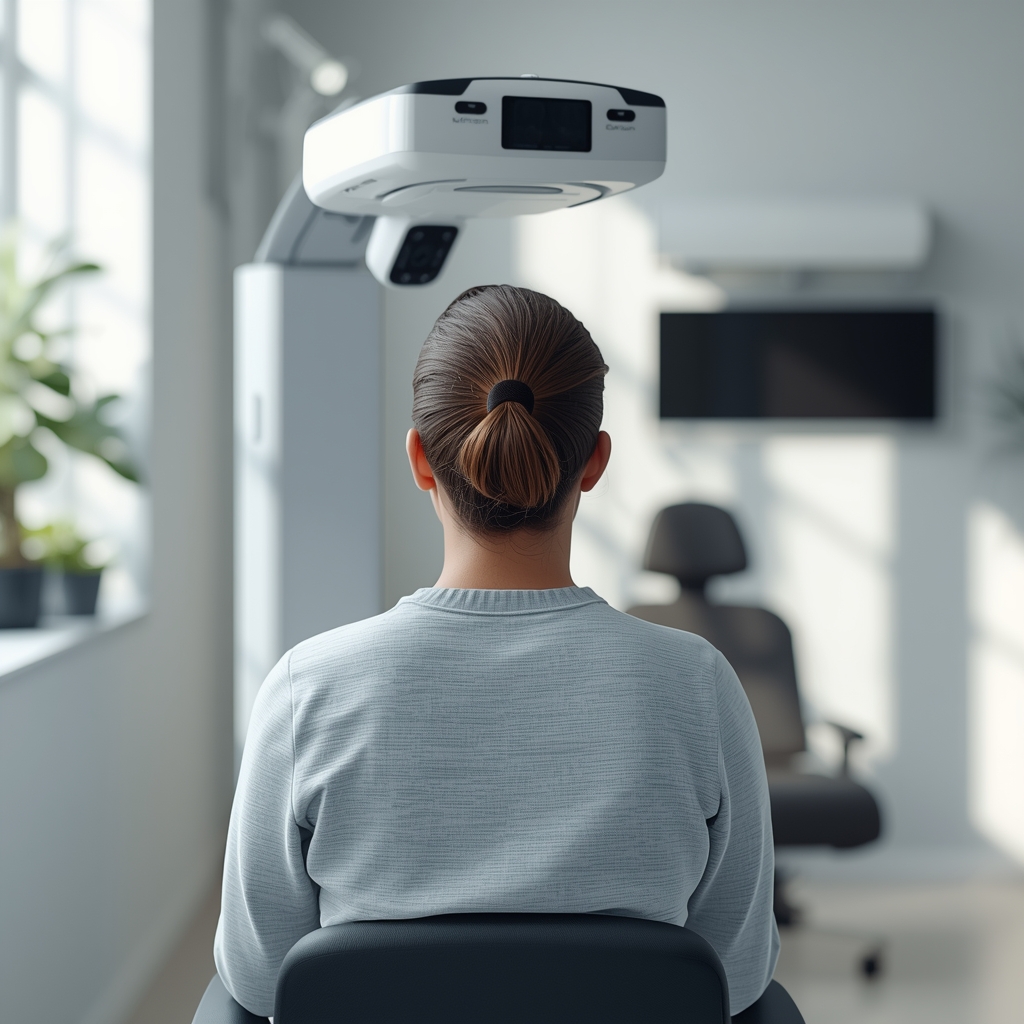
Chiropractic care has seen significant advancements in diagnostic tools that enhance precision and patient outcomes. Traditional methods like manual palpation and X-rays remain foundational, but modern innovations now offer deeper insights. Digital imaging systems, for instance, provide high-resolution visuals of spinal structures, enabling chiropractors to detect misalignments or abnormalities with greater clarity. These tools reduce guesswork, allowing for more targeted treatment plans. As technology evolves, the focus remains on improving diagnostic accuracy to ensure safer, more effective care for patients.
Artificial Intelligence and Data Analysis
Artificial intelligence (AI) is increasingly integrated into chiropractic diagnostics, analyzing vast datasets to identify patterns that may elude human observation. AI-powered software can assess patient histories, imaging results, and biomechanical data to suggest potential issues or treatment pathways. While these systems do not replace clinical judgment, they augment decision-making by highlighting correlations and trends. This technology supports chiropractors in creating personalized care strategies, ultimately improving recovery trajectories. As AI continues to develop, its role in refining diagnostic processes will likely expand, offering even greater precision.
Wearable Technology for Real-Time Monitoring
Wearable sensors and smart devices are transforming how chiropractors monitor patient progress. These tools track posture, movement, and muscle activity in real time, providing continuous data that informs adjustments and rehabilitation plans. For example, sensors embedded in clothing or wearable bands can detect imbalances or compensatory movements, enabling early intervention. This proactive approach allows for more dynamic treatment strategies, ensuring adjustments align with the patient’s evolving needs. By integrating wearable tech, chiropractors can offer more responsive care, fostering better long-term outcomes.
Advanced Adjusting Instruments and Precision Devices
Newer adjusting instruments, such as high-frequency force devices and computerized systems, are designed to deliver precise, controlled adjustments. These tools minimize manual effort while maximizing effectiveness, reducing the risk of overcorrection or patient discomfort. Some devices use sensors to measure spinal resistance, guiding chiropractors toward optimal correction points. This level of precision enhances diagnostic accuracy by ensuring adjustments are tailored to individual biomechanics. As these instruments become more accessible, they empower practitioners to refine their techniques, leading to improved patient satisfaction and faster recovery times.
3D Imaging and Biomechanical Analysis
Three-dimensional (3D) imaging technology is revolutionizing how chiropractors visualize spinal structures. Unlike traditional 2D X-rays, 3D scans provide a comprehensive view of the spine’s alignment, curvature, and joint interactions. This detail helps identify subtle misalignments or structural issues that might be missed otherwise. Combined with biomechanical analysis software, 3D imaging allows for simulations of movement and stress points, guiding more accurate diagnoses. These advancements enable chiropractors to craft highly specific treatment protocols, addressing root causes rather than symptoms, and improving overall patient care.
Telehealth and Remote Diagnostic Integration
Telehealth platforms now incorporate diagnostic tools that enable remote assessments, expanding access to chiropractic care. Video consultations paired with digital questionnaires and wearable data allow chiropractors to evaluate patients without in-person visits. Some systems use AI to analyze patient-reported symptoms and movement patterns, offering preliminary insights. While telehealth cannot fully replace hands-on exams, it enhances follow-up care and monitoring. This integration ensures continuity of care, particularly for patients with chronic conditions or those in remote areas, demonstrating how technology continues to shape the future of chiropractic diagnostics.