Understanding Cold Laser Therapy and Traditional Chiropractic Techniques
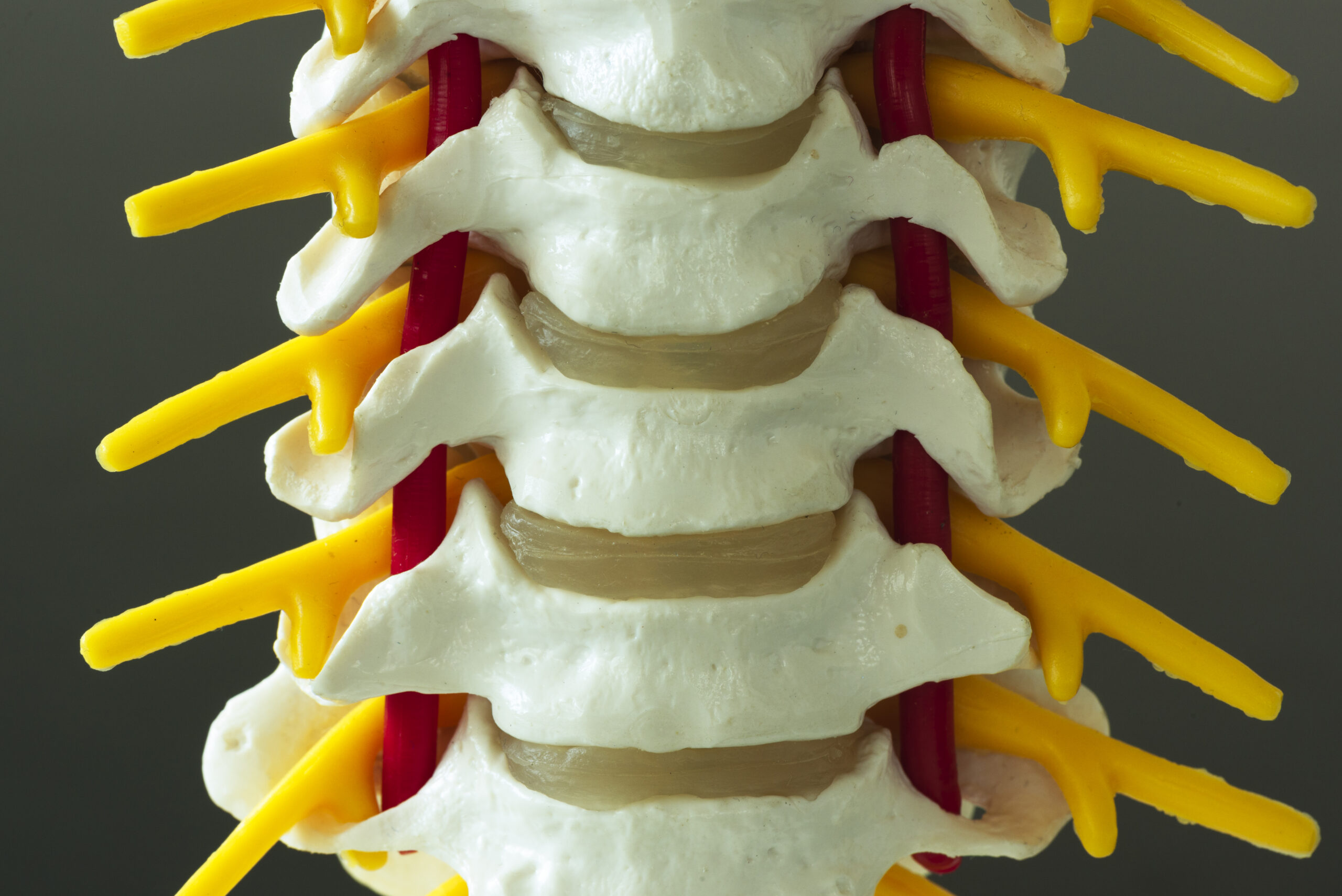
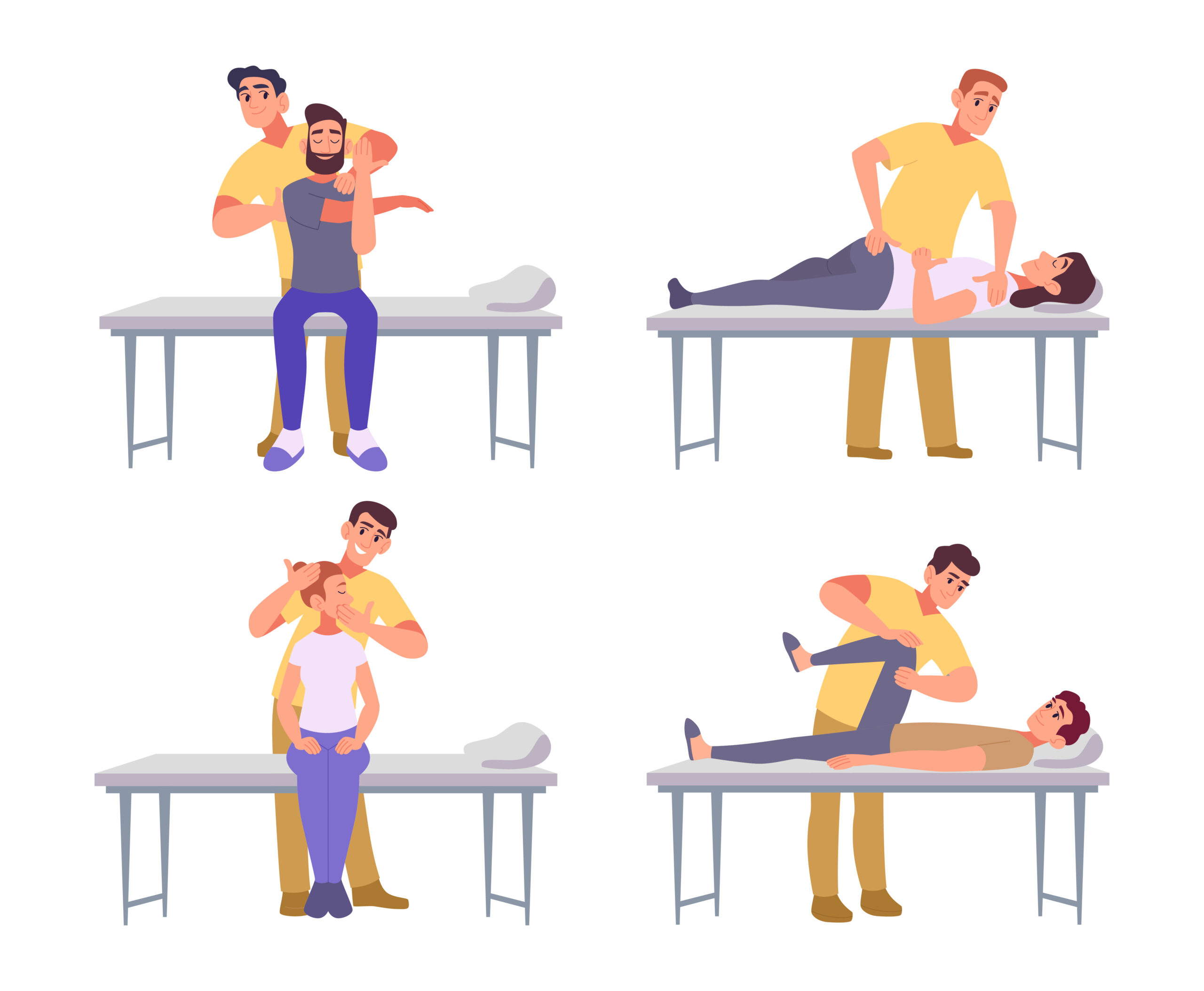
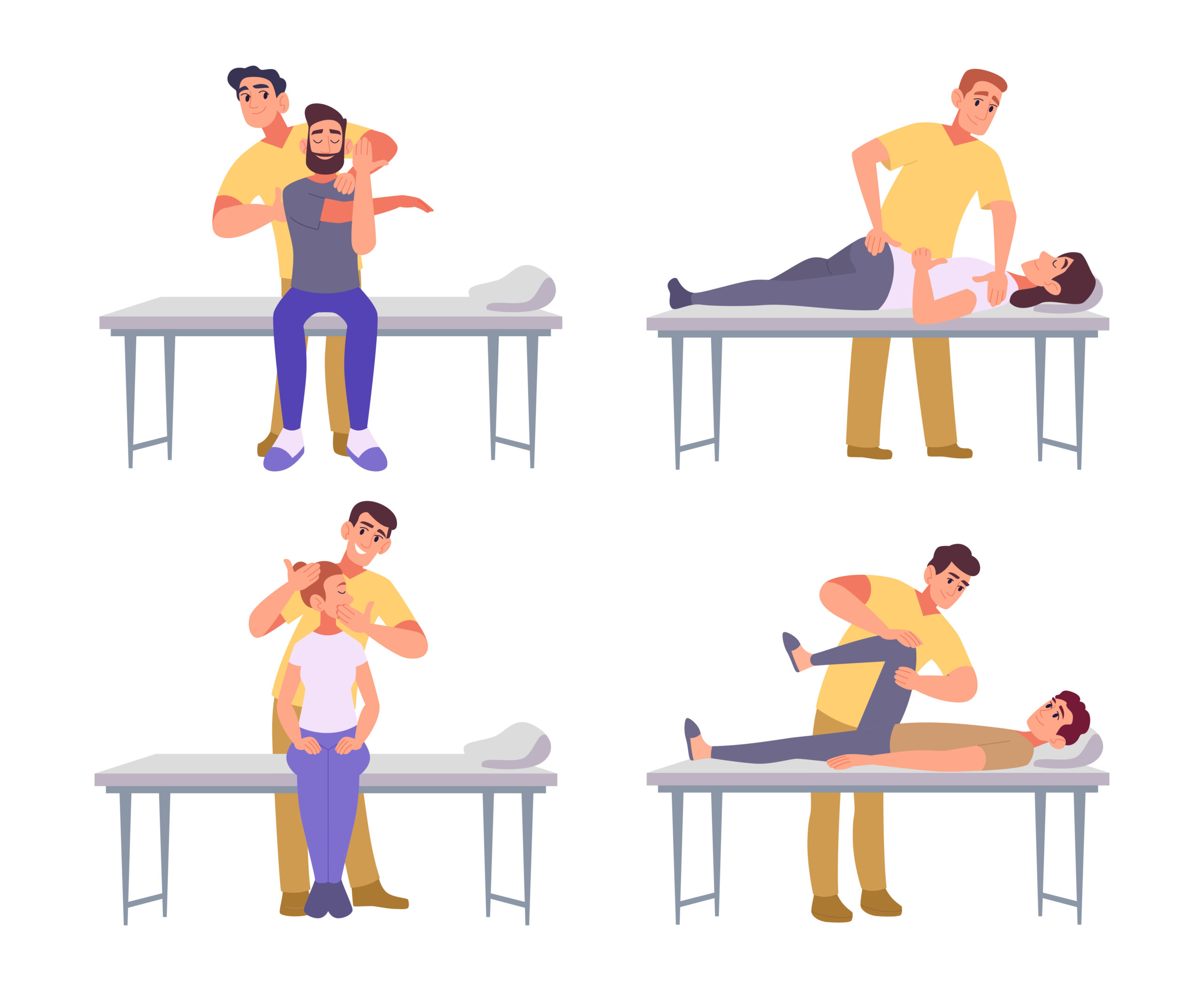
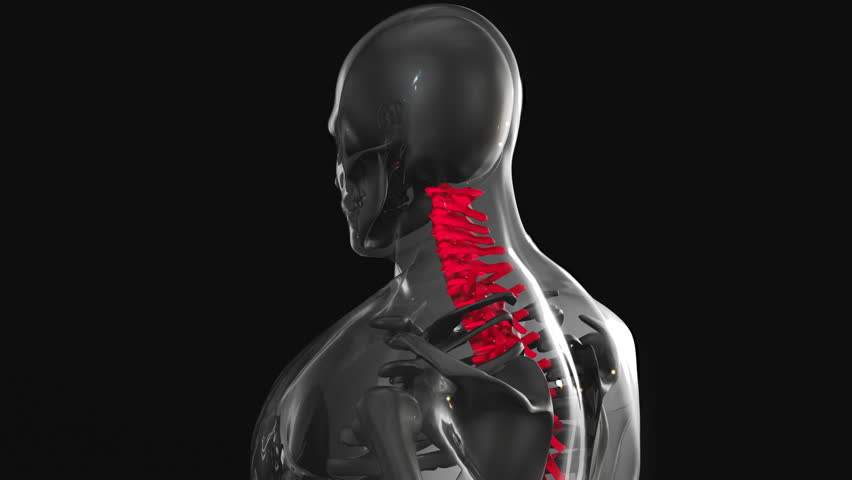
Cold laser therapy, also known as low-level laser therapy (LLLT), uses specific wavelengths of light to stimulate cellular function and reduce inflammation. It is often used to target pain and promote healing in joints. Traditional chiropractic techniques, such as spinal adjustments and soft tissue manipulations, focus on realigning the musculoskeletal system to alleviate pain and improve mobility. Both approaches aim to address joint pain but employ different mechanisms. While cold laser therapy is non-invasive and painless, traditional methods involve manual interventions. Patients seeking relief from joint pain may consider these options based on their preferences and the guidance of a qualified chiropractor.
How Cold Laser Therapy Works
Cold laser therapy works by delivering low-level light energy to the affected area, which is absorbed by cells and converted into biochemical energy. This process is believed to enhance cellular metabolism, reduce inflammation, and stimulate tissue repair. Unlike surgical lasers, cold lasers do not generate heat, making them safe for use on sensitive tissues. For joint pain, this therapy may target areas like the knees, shoulders, or hips to alleviate discomfort. Traditional chiropractic techniques, in contrast, rely on manual adjustments to correct misalignments in the spine or joints, which can relieve pressure on nerves and muscles. While cold laser therapy focuses on cellular-level healing, traditional methods address structural imbalances directly.
Efficacy and Evidence-Based Insights
Both cold laser therapy and traditional chiropractic techniques have shown promise in managing joint pain, though their evidence bases differ. Traditional chiropractic care has a long history of use, with many patients reporting relief from conditions like osteoarthritis and tendonitis. Cold laser therapy, while newer, has gained attention for its potential to reduce pain and inflammation without medication. However, research on its effectiveness is still evolving, and results can vary. Studies on traditional techniques often emphasize their role in improving mobility and reducing pain through physical manipulation. Patients should consult a chiropractor to determine which approach aligns best with their specific condition and goals.
Safety and Side Effects
Cold laser therapy is generally considered safe, with minimal side effects reported. It is non-invasive and does not require incisions or anesthesia, making it a popular choice for patients seeking drug-free options. Traditional chiropractic techniques, while also safe when performed by a licensed professional, may occasionally cause temporary soreness or discomfort after adjustments. Both methods are typically well-tolerated, but individual responses can vary. For cold laser therapy, rare side effects might include mild skin irritation at the treatment site. Traditional techniques may carry slight risks, such as temporary joint stiffness. As with any treatment, discussing potential risks with a chiropractor is essential to ensure a safe and effective experience.
Choosing the Right Approach for Joint Pain
The choice between cold laser therapy and traditional chiropractic techniques depends on factors like the type and severity of joint pain, patient preferences, and the chiropractor’s expertise. Cold laser therapy may be ideal for those seeking a non-invasive option, while traditional methods might be more suitable for structural issues. Some patients benefit from a combination of both approaches, addressing both inflammation and alignment. A chiropractor can evaluate the underlying causes of pain and recommend a tailored plan. It is important to approach these treatments as part of a broader care strategy, considering lifestyle factors, physical therapy, and other complementary therapies as needed.
Conclusion: Balancing Options for Joint Pain Relief
Cold laser therapy and traditional chiropractic techniques offer distinct yet complementary approaches to managing joint pain. Cold laser therapy focuses on cellular healing and inflammation reduction, while traditional methods address structural imbalances through manual interventions. Both have their strengths, and the best choice depends on individual needs and professional guidance. Patients should engage in open discussions with their chiropractors to explore these options thoroughly. By understanding the mechanisms, efficacy, and safety of each approach, individuals can make informed decisions about their care. Ultimately, a personalized treatment plan that integrates these methods may provide the most effective and sustainable relief for joint pain.