Understanding Pulsed Electromagnetic Field Therapy
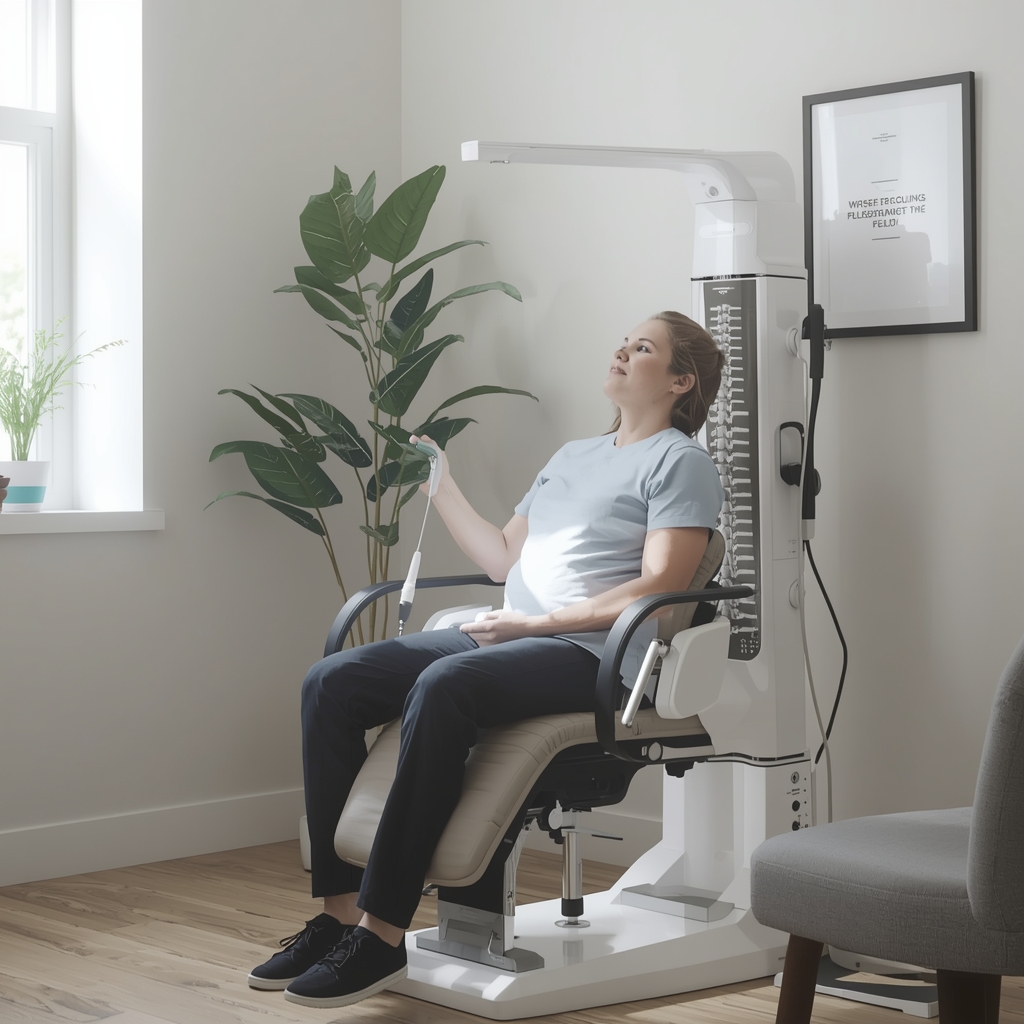
Pulsed electromagnetic field (PEMF) therapy uses low-level electromagnetic fields to stimulate cellular function and promote healing. This non-invasive approach is often explored for its potential to reduce inflammation, a common contributor to chronic pain. By delivering targeted electromagnetic pulses, PEMF may influence cellular metabolism, enhance oxygenation, and support the body’s natural repair processes. While research on its mechanisms is ongoing, many patients and practitioners report benefits in managing inflammatory conditions. As interest in non-pharmacological alternatives grows, PEMF offers a promising option for those seeking to minimize reliance on medications like opioids.
How PEMF May Reduce Inflammation
Inflammation is a complex biological response to injury or disease, often linked to pain and tissue damage. PEMF therapy is theorized to modulate inflammatory pathways by improving cellular communication and reducing oxidative stress. Some studies suggest it may regulate pro-inflammatory cytokines, though findings remain inconclusive. The therapy’s ability to enhance blood flow and lymphatic drainage could also aid in reducing swelling and accelerating recovery. While more research is needed, many individuals with conditions like arthritis or musculoskeletal injuries find PEMF helpful in managing inflammation. It is often used alongside other therapies to address pain holistically.
PEMF in the Context of Opioid Alternatives
The opioid crisis has driven demand for safer, non-pharmacological pain management strategies. PEMF therapy aligns with this need by offering a drug-free approach to alleviate pain associated with inflammation. For patients with chronic conditions, such as fibromyalgia or degenerative joint disease, PEMF may provide relief without the risks of medication dependence. It is particularly appealing to those seeking to avoid long-term opioid use or who experience limited effectiveness from traditional treatments. While not a standalone solution, PEMF can complement other therapies, empowering patients to take an active role in their care. Its growing acceptance highlights the importance of exploring diverse, patient-centered options for pain management.
Safety and Efficacy Considerations
PEMF therapy is generally considered safe, with minimal side effects reported in clinical settings. However, its efficacy can vary based on factors like device quality, treatment duration, and individual health conditions. Patients should consult a qualified healthcare provider before starting PEMF, especially if they have implanted medical devices or are undergoing other treatments. While some studies indicate potential benefits for inflammation, more rigorous research is needed to establish standardized protocols. As with any therapy, results may differ, and it is essential to approach PEMF as part of a comprehensive care plan rather than a guaranteed solution.
Integrating PEMF with Other Non-Pharmacological Approaches
PEMF therapy is often used in conjunction with other non-drug treatments to enhance pain relief and functional outcomes. For example, combining PEMF with physical therapy, chiropractic adjustments, or acupuncture may address inflammation from multiple angles. Lifestyle modifications, such as exercise and dietary changes, can also support its effects. This integrative approach aligns with the principles of holistic healthcare, emphasizing personalized care over one-size-fits-all solutions. By working with a multidisciplinary team, patients can explore a range of options to manage inflammation and reduce reliance on opioids, fostering long-term wellness.
The Future of PEMF in Pain Management
As research into non-pharmacological therapies advances, PEMF therapy continues to gain attention for its potential in reducing inflammation and pain. Its non-invasive nature and low risk profile make it an attractive option for patients seeking alternatives to opioids. While more studies are needed to fully understand its mechanisms and optimal use, early evidence suggests it could play a valuable role in chronic pain management. Healthcare providers are increasingly open to incorporating PEMF into treatment plans, reflecting a broader shift toward patient-centered, integrative care. For individuals navigating pain without medication, PEMF represents a promising step toward safer, sustainable solutions.