Understanding Cervical Vertebrobasilar Insufficiency and Its Impact on Balance
Cervical vertebrobasilar insufficiency (CVBI) occurs when there is reduced blood flow to the brainstem and cerebellum due to issues in the cervical spine. This condition can lead to symptoms like dizziness, vertigo, and impaired balance. The cervical spine plays a critical role in maintaining postural stability and coordinating vestibular function. Misalignments or dysfunction in this area may interfere with nerve signals and blood circulation, contributing to vestibular disturbances. While CVBI is often linked to structural abnormalities, many patients report symptom improvement with chiropractic interventions. Understanding the connection between cervical spine health and vestibular function is key to exploring non-invasive management strategies.
The Role of Cervical Spine Adjustments in Vestibular Function
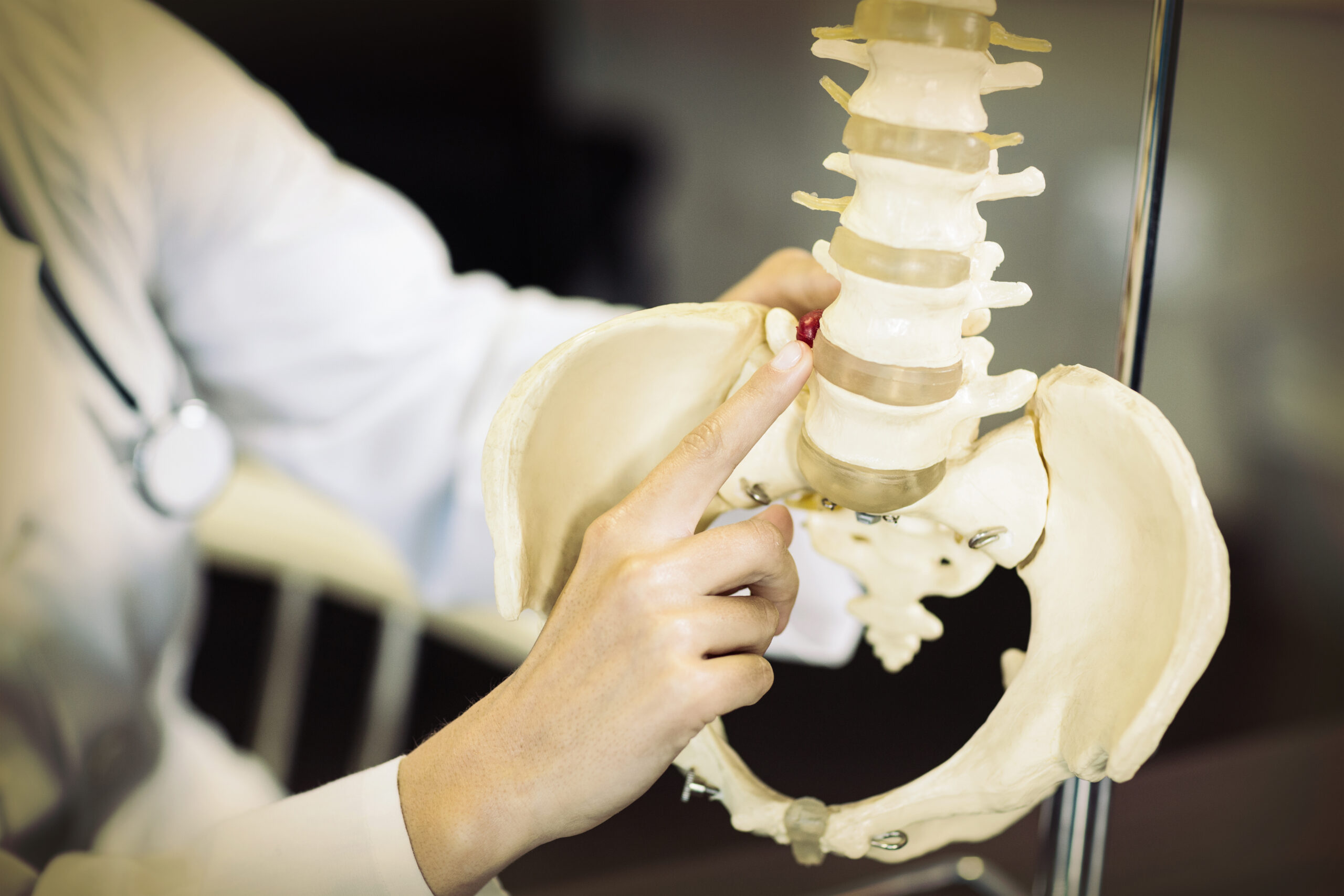
Chiropractic adjustments targeting the cervical spine aim to restore proper alignment and mobility, which may alleviate pressure on nerves and blood vessels. By improving spinal mechanics, these adjustments can enhance communication between the brain and body, potentially reducing vertigo episodes. Techniques such as spinal manipulation, mobilization, and soft tissue therapies are commonly used to address cervical dysfunction. While research on CVBI remains limited, anecdotal evidence and clinical observations suggest that correcting cervical misalignments may support vestibular stability. Patients often describe improved balance and fewer dizziness episodes after consistent care, highlighting the potential value of a multidisciplinary approach to treatment.
Common Adjustments for Cervical Spine-Related Vertigo
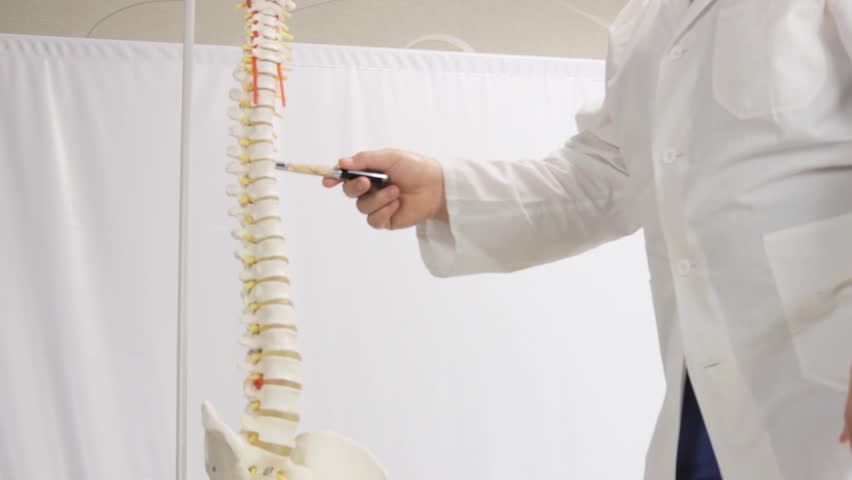
Chiropractors may employ various adjustments to address cervical spine issues linked to vertigo. These include high-velocity, low-amplitude (HVLA) manipulations to realign vertebrae, as well as lower-force techniques like activator methods or drop table adjustments. Specific focus is often placed on the upper cervical region (C1-C2) and the thoracic spine, as these areas are closely tied to vestibular pathways. Soft tissue work, such as myofascial release, may also be used to relieve tension in muscles surrounding the neck. The goal is to restore normal movement patterns and reduce mechanical stress on the nervous system. Each patient’s treatment plan is tailored to their unique condition, emphasizing safety and gradual progress.
How Adjustments May Improve Balance and Reduce Vertigo
By addressing cervical spine misalignments, adjustments can potentially enhance proprioception—the body’s ability to sense movement and position. Improved proprioception supports better balance and coordination, which are often compromised in CVBI. Additionally, correcting spinal dysfunction may reduce irritation of the vertebral arteries, which supply blood to the brainstem. This could decrease the frequency and severity of vertigo episodes. Some patients also experience relief from associated symptoms like headaches or neck pain, further contributing to overall well-being. While individual responses vary, many find that regular chiropractic care complements other therapeutic strategies, offering a holistic approach to managing vestibular disorders.
The Importance of Professional Evaluation and Customized Care
Before pursuing chiropractic adjustments for CVBI, it is crucial to consult a qualified healthcare provider for a thorough evaluation. A chiropractor will assess the patient’s medical history, perform a physical examination, and possibly collaborate with other specialists to rule out serious underlying conditions. Customized treatment plans consider the patient’s specific symptoms, lifestyle, and response to previous therapies. While adjustments may offer benefits, they are not a one-size-fits-all solution. Patients should communicate openly with their care team to ensure safety and effectiveness. Regular follow-ups allow for ongoing monitoring and adjustments to the treatment strategy as needed.
Conclusion: Integrating Chiropractic Care into Vestibular Management
Cervical spine adjustments may provide a valuable tool for managing symptoms of CVBI, particularly in improving balance and reducing vertigo. By addressing structural imbalances and supporting nervous system function, these interventions can complement traditional medical approaches. However, they should always be part of a broader, patient-centered care plan. Individuals experiencing persistent dizziness or balance issues are encouraged to seek professional guidance to explore all available options. With proper evaluation and tailored treatment, many patients find relief and improved quality of life through chiropractic care and other supportive therapies.