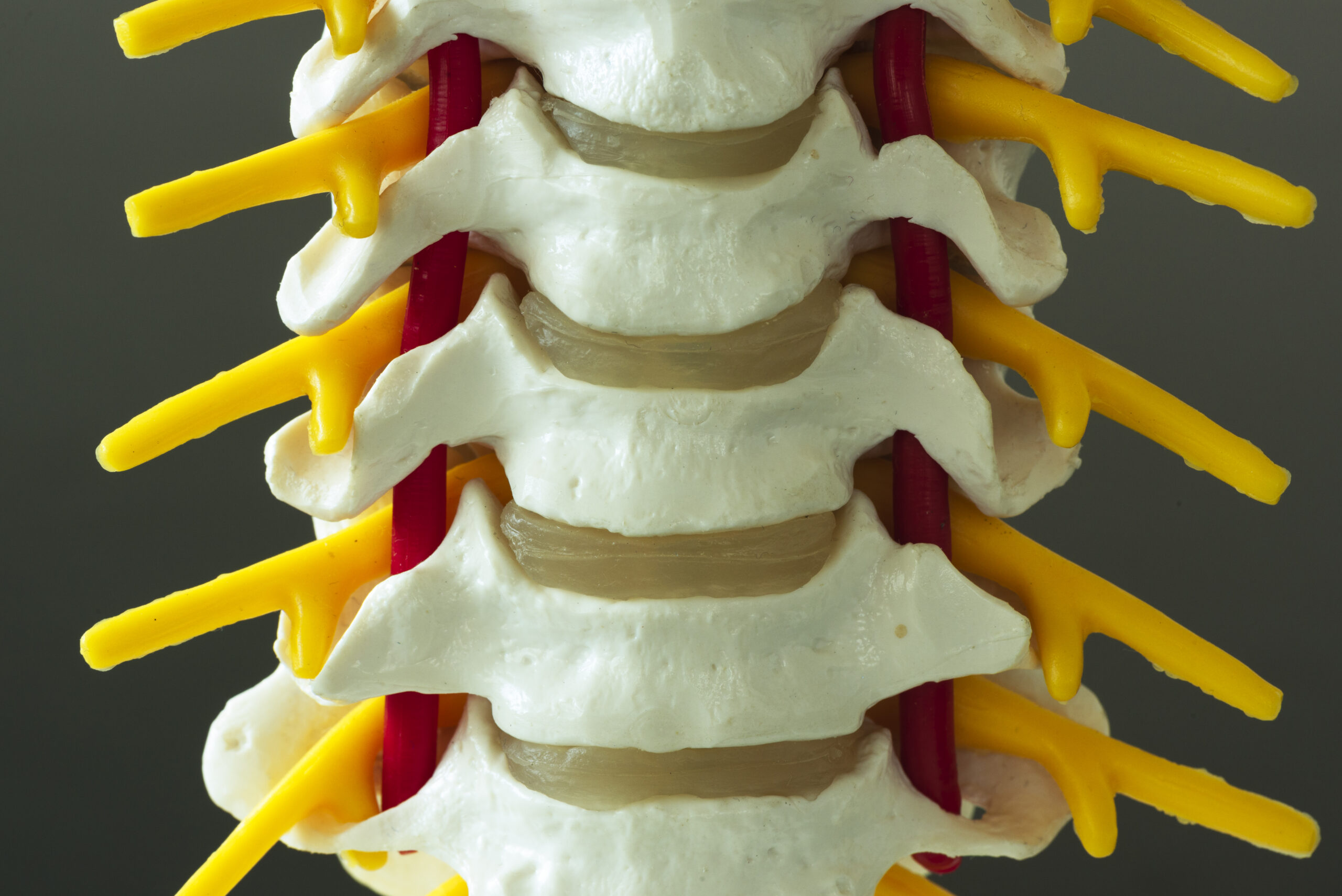
Understanding Thoracic Outlet Syndrome and Cervical Spine Involvement
Thoracic Outlet Syndrome (TOS) occurs when nerves or blood vessels near the neck and shoulders become compressed, leading to symptoms like numbness, tingling, and pain. The cervical spine, particularly the lower vertebrae (C5-C8), plays a critical role in this condition, as misalignments here can exacerbate nerve compression. While TOS is often linked to anatomical variations or repetitive movements, cervical spine realignment may help alleviate symptoms by reducing pressure on affected nerves. However, accurate diagnosis is essential, as TOS can mimic other conditions like cervical radiculopathy or rotator cuff injuries. Chiropractors emphasize thorough evaluation to distinguish TOS from similar disorders before pursuing treatment.
Diagnostic Differentiation: TOS vs. Cervical Spine Issues
Distinguishing TOS from cervical spine disorders requires careful clinical assessment. Both conditions can cause arm pain, weakness, or sensory changes, but their origins differ. TOS typically involves compression of the brachial plexus or subclavian artery, while cervical spine issues stem from nerve root irritation or disc degeneration. Physical exams, imaging, and provocative tests help clarify the source. For example, Adson’s test or the Wright’s test may identify TOS, whereas MRI or X-rays might reveal cervical spine abnormalities. Misdiagnosis can lead to ineffective treatments, underscoring the need for a chiropractor’s expertise in differentiating these conditions and tailoring interventions accordingly.
Cervical Spine Realignment and Nerve Decompression
Cervical spine realignment, often achieved through chiropractic adjustments, aims to restore proper spinal mechanics and relieve nerve compression. In TOS cases linked to cervical misalignments, this approach may reduce irritation of the brachial plexus or sympathetic nerves. By improving posture and spinal curvature, realignment can also alleviate strain on the thoracic outlet. However, its effectiveness depends on the root cause of TOS—structural abnormalities, muscle imbalances, or positional factors. Chiropractors may combine realignment with soft tissue therapies or exercises to address contributing factors. Patients should consult a qualified provider to determine if this strategy aligns with their specific condition.
Treatment Planning: Integrating Cervical Care with TOS Management
Treatment planning for TOS often involves a multidisciplinary approach, with cervical spine realignment serving as one potential component. Chiropractors may design personalized plans that include adjustments, postural retraining, and ergonomic modifications. For instance, correcting forward head posture—a common contributor to both cervical strain and TOS—can reduce nerve compression. Additionally, therapeutic exercises to strengthen scapular stabilizers may complement spinal realignment. However, treatment must address all contributing factors, such as muscle tightness or anatomical variations. Collaboration with other healthcare providers ensures comprehensive care, emphasizing that TOS management requires individualized strategies rather than a one-size-fits-all solution.
The Role of Professional Evaluation in TOS Treatment
Given the complexity of TOS and its overlap with other conditions, professional evaluation is crucial before pursuing cervical spine realignment. A chiropractor will conduct a detailed history, physical exam, and possibly imaging to identify the underlying cause of symptoms. This process helps avoid unnecessary treatments and ensures safety, as improper adjustments could worsen nerve compression. Patients should disclose all symptoms and medical history to guide accurate diagnosis. While cervical realignment may offer relief for some, it is not universally applicable. A qualified provider can explain the risks, benefits, and alternatives, empowering patients to make informed decisions about their care.
Conclusion: Balancing Cervical Care with TOS Management
Cervical spine realignment may play a supportive role in managing neurological symptoms of TOS, particularly when misalignments contribute to nerve compression. However, it is one piece of a broader treatment puzzle that requires careful diagnosis and personalized planning. Chiropractors emphasize the importance of distinguishing TOS from other conditions and addressing all contributing factors, such as posture, muscle imbalances, or anatomical variations. While realignment can offer relief, it should be part of a comprehensive approach that includes lifestyle modifications, therapeutic exercises, and, when necessary, collaboration with other healthcare professionals. Patients are encouraged to seek qualified care to explore the most effective strategies for their unique situation.