Understanding Carpal Tunnel Syndrome and Multi-Modal Treatment Approaches
Carpal tunnel syndrome (CTS) occurs when the median nerve, which runs from the forearm to the hand, becomes compressed at the wrist. This can lead to symptoms like numbness, tingling, and weakness in the hand and fingers. While CTS is often linked to repetitive motions or wrist strain, it can also stem from broader musculoskeletal imbalances. A multi-modal approach—combining spinal adjustments, soft tissue techniques, and lifestyle modifications—may offer more comprehensive relief. Spinal adjustments aim to address nerve interference, while soft tissue therapies target muscle tension that could contribute to nerve compression. This article explores how these methods might complement each other in managing CTS symptoms.
Spinal Adjustments and Nerve Function
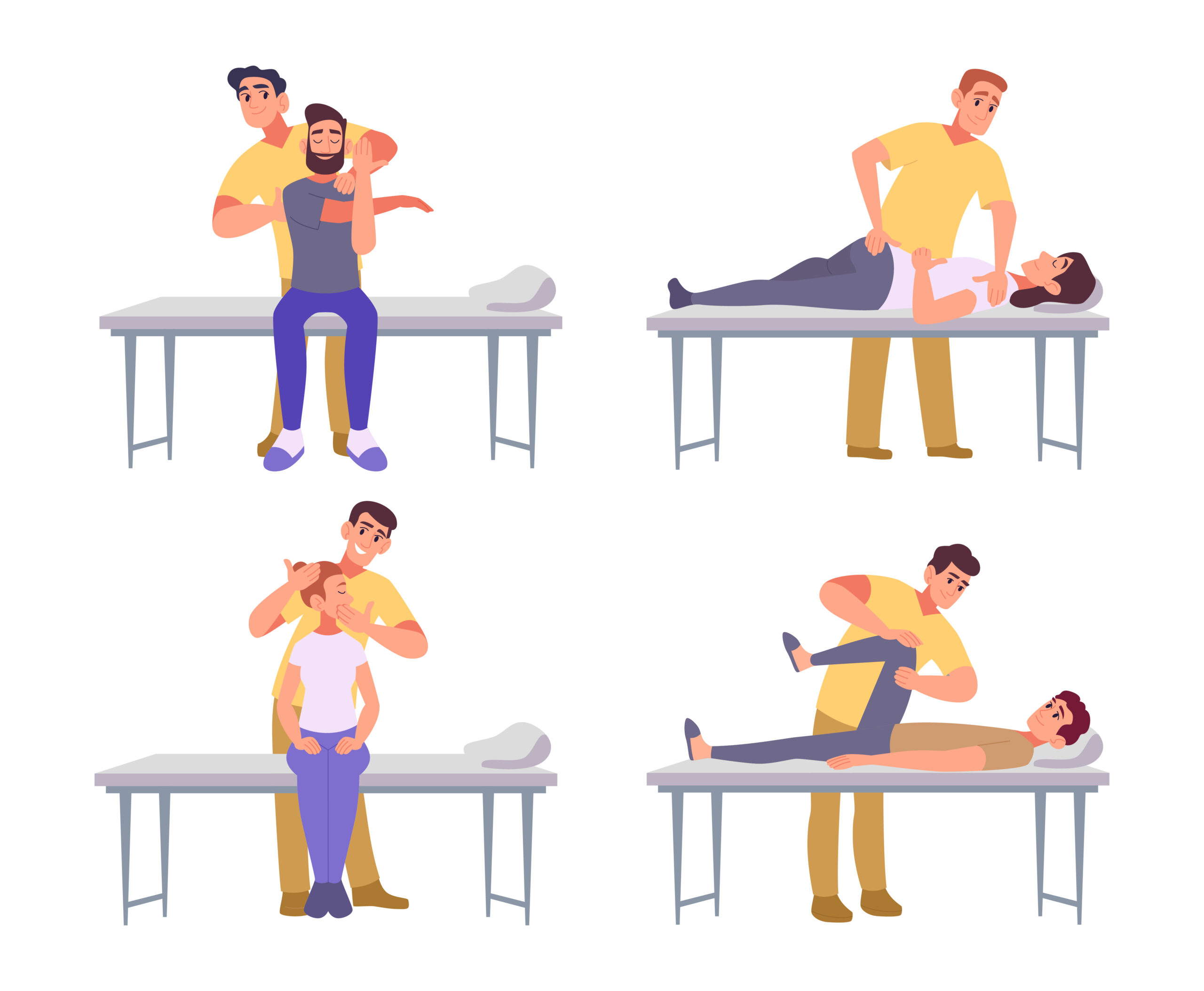
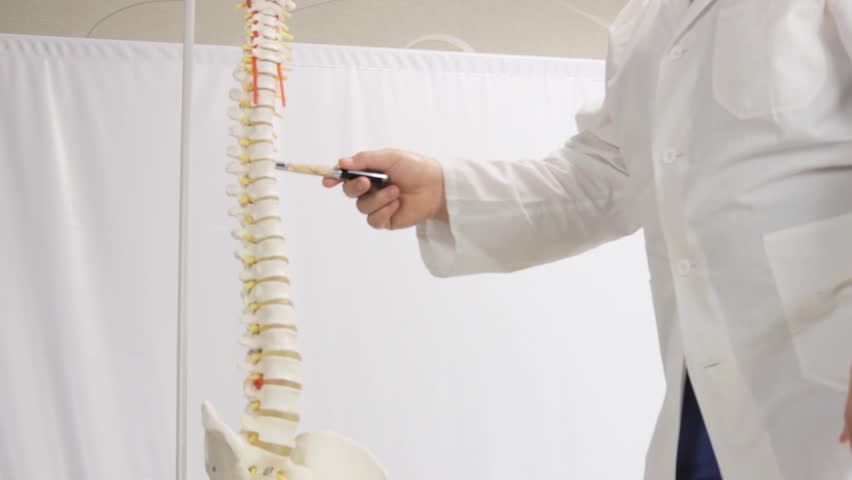
Spinal adjustments focus on realigning the vertebrae to improve nerve function and reduce pressure on the nervous system. For CTS, adjustments to the cervical (neck) and thoracic (upper back) regions may help alleviate nerve irritation that radiates down to the hands. Misalignments in these areas could theoretically contribute to altered nerve signaling, potentially exacerbating CTS symptoms. While research on spinal adjustments specifically for CTS is limited, many chiropractors use this technique as part of a broader strategy to support overall nerve health. Patients often report improved symptoms when adjustments are combined with other therapies, though individual results may vary.
Soft Tissue Techniques for Nerve and Muscle Relief
Soft tissue techniques such as Active Release Technique (ART), myofascial release, and trigger point therapy target muscles, tendons, and connective tissues that may contribute to nerve compression. In CTS, tightness in the forearm muscles or the thoracic outlet (between the neck and shoulder) can increase pressure on the median nerve. These therapies aim to loosen restricted tissues, improve blood flow, and reduce inflammation. For example, ART involves applying pressure while moving the affected area to break up adhesions, which may help relieve nerve entrapment. While not a standalone cure, soft tissue work can be a valuable component of a holistic CTS management plan.
Combining Spinal Adjustments and Soft Tissue Therapies
Integrating spinal adjustments with soft tissue techniques may address both structural and muscular contributors to CTS. Spinal adjustments can optimize nerve function, while soft tissue therapies reduce mechanical pressure on the median nerve. For instance, a chiropractor might first adjust the cervical spine to improve nerve signaling, then use myofascial release to ease tension in the forearm or shoulder. This combined approach could enhance symptom relief and prevent recurrence. However, the effectiveness of such combinations depends on individual anatomy and the root causes of CTS. Patients are encouraged to work with a qualified provider to tailor treatments to their specific needs.
Considerations for Safe and Effective Care
While spinal adjustments and soft tissue techniques are generally safe when performed by trained professionals, they are not suitable for everyone. Individuals with severe CTS, fractures, or other underlying conditions should consult a healthcare provider before starting treatment. It’s also important to recognize that these therapies may not work for all patients, and results can vary. A chiropractor can assess your condition, discuss potential benefits, and recommend a personalized plan. Patients should communicate openly about their symptoms and any concerns to ensure a safe and effective experience.
Conclusion: A Holistic Path to CTS Relief
Carpal tunnel syndrome can significantly impact daily life, but a multi-modal approach may offer meaningful relief. Spinal adjustments and soft tissue techniques can play a role in reducing nerve compression and improving musculoskeletal function. However, these methods are most effective when part of a broader strategy that includes ergonomic adjustments, exercise, and professional guidance. If you’re experiencing CTS symptoms, consulting a chiropractor or healthcare provider can help determine the best course of action. By addressing both structural and soft tissue factors, patients may find lasting relief and improved quality of life.