Understanding IT Band Syndrome
Iliotibial Band Syndrome (ITBS) is a common overuse injury among runners, characterized by pain on the outer side of the knee. The iliotibial band, a thick band of fascia running from the hip to the shin, becomes inflamed due to repetitive friction against the femur. This often occurs from running on uneven surfaces, improper footwear, or biomechanical imbalances. While rest and ice can alleviate symptoms, persistent cases require targeted interventions. Chiropractors frequently address ITBS by focusing on soft tissue techniques to reduce tension, improve mobility, and restore function. These methods aim to break down adhesions, enhance blood flow, and correct musculoskeletal imbalances contributing to the condition.
The Role of Soft Tissue Techniques
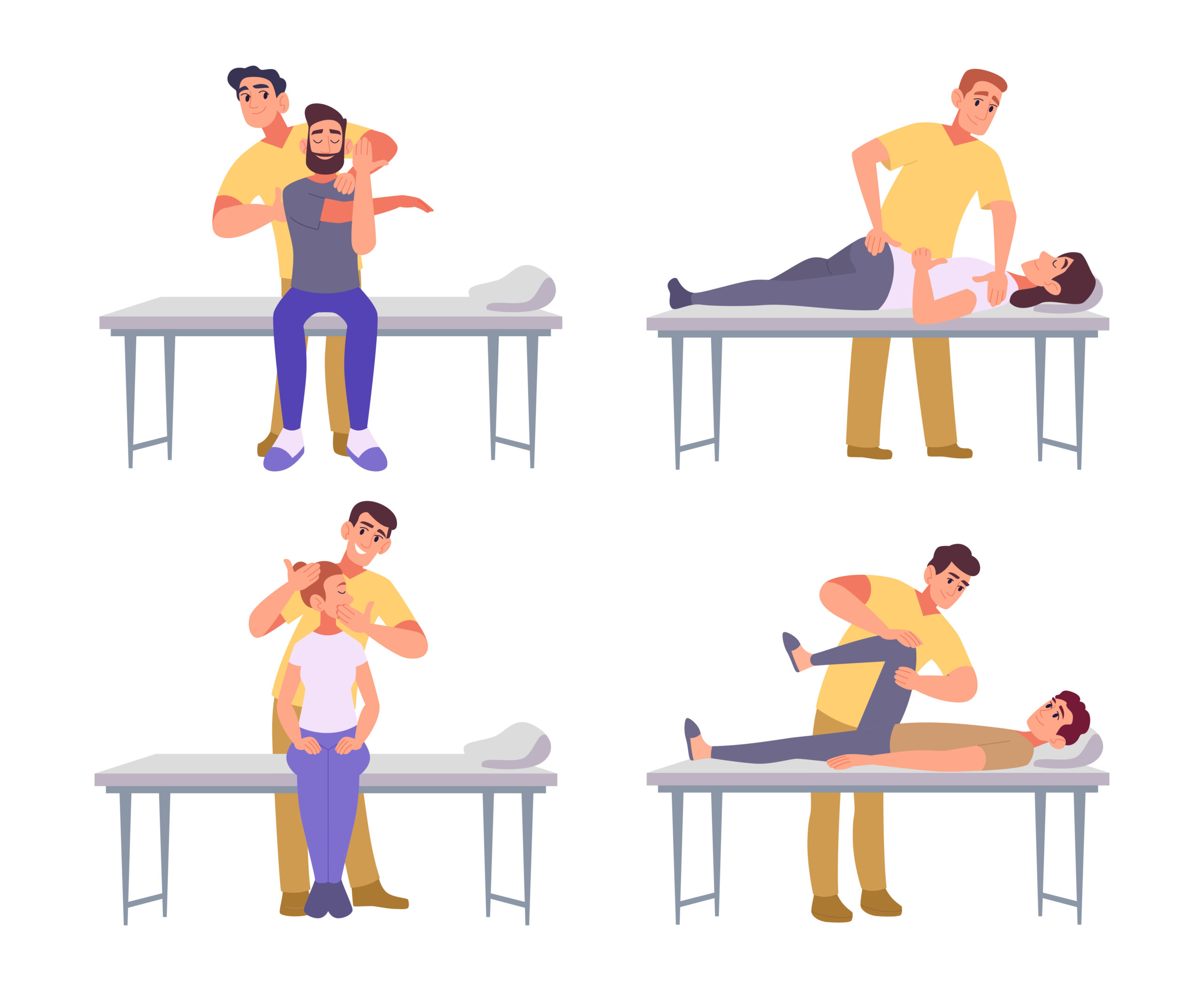
Soft tissue techniques are critical in managing ITBS by addressing the underlying fascial restrictions and muscle tightness. These methods include myofascial release, instrument-assisted soft tissue mobilization, and trigger point therapy. By applying controlled pressure to the affected area, chiropractors can reduce inflammation, improve flexibility, and alleviate pain. For runners, this approach helps restore the iliotibial band’s natural glide over the femur, preventing further irritation. Additionally, soft tissue work often complements spinal adjustments and rehabilitation exercises, creating a holistic treatment plan. The goal is not only to relieve current discomfort but also to address contributing factors like hip instability or gait abnormalities, reducing the risk of recurrence.
Active Release Technique (ART)
Active Release Technique (ART) is a specialized soft tissue method used to treat ITBS by targeting adhesions and scar tissue in the iliotibial band. Chiropractors use their hands to apply tension while the patient actively moves the affected limb, breaking up restrictions and restoring normal tissue function. This technique is particularly effective for runners with chronic ITBS, as it addresses both the fascia and surrounding muscles. ART can improve range of motion, reduce pain, and enhance overall biomechanics. Many practitioners report significant improvements in patients who combine ART with stretching and strength training. However, results vary, and consistency is key. Runners should work with a licensed chiropractor to ensure proper application and avoid further injury.
Graston Technique
The Graston Technique uses specialized tools to detect and treat soft tissue abnormalities in the iliotibial band. By scanning the affected area, chiropractors identify areas of adhesion or scar tissue and then use the instruments to break them down. This method promotes healing by increasing blood flow and reducing inflammation. Runners often experience immediate relief from ITBS symptoms, though multiple sessions may be needed for lasting results. The Graston Technique is particularly useful for addressing chronic tightness that doesn’t respond to traditional massage. It’s often combined with stretching and strengthening exercises to maintain progress. While generally safe, some patients may feel mild discomfort during treatment. As with any therapy, it’s essential to consult a qualified chiropractor to determine if this approach suits individual needs.
Trigger Point Therapy
Trigger Point Therapy focuses on identifying and releasing hyperirritable spots in the muscles surrounding the iliotibial band, such as the tensor fasciae latae and gluteus maximus. Chiropractors apply sustained pressure to these points to alleviate pain and restore normal muscle function. This technique can reduce referred pain and improve flexibility, making it a valuable tool for ITBS management. Runners may notice reduced stiffness and better hip stability after sessions. Trigger Point Therapy is often used alongside other soft tissue methods to address multiple contributing factors. While it’s generally well-tolerated, some individuals may experience temporary soreness. As with all treatments, it’s crucial to work with a trained professional to ensure safe and effective application.
Integrating Soft Tissue Work with Chiropractic Care
Soft tissue techniques are most effective when integrated into a comprehensive chiropractic treatment plan. Chiropractors may combine these methods with spinal adjustments, posture correction, and rehabilitation exercises to address the root causes of ITBS. For example, correcting pelvic misalignments can reduce strain on the iliotibial band, while strengthening the hip abductors improves stability. Runners should communicate openly with their chiropractor to tailor the approach to their specific needs. Consistency and follow-up care are vital for long-term success. While soft tissue work provides immediate relief, ongoing management helps prevent recurrence. Always consult a licensed chiropractor before starting any new treatment to ensure it aligns with your health goals.