Understanding Post-Surgical Recovery Needs
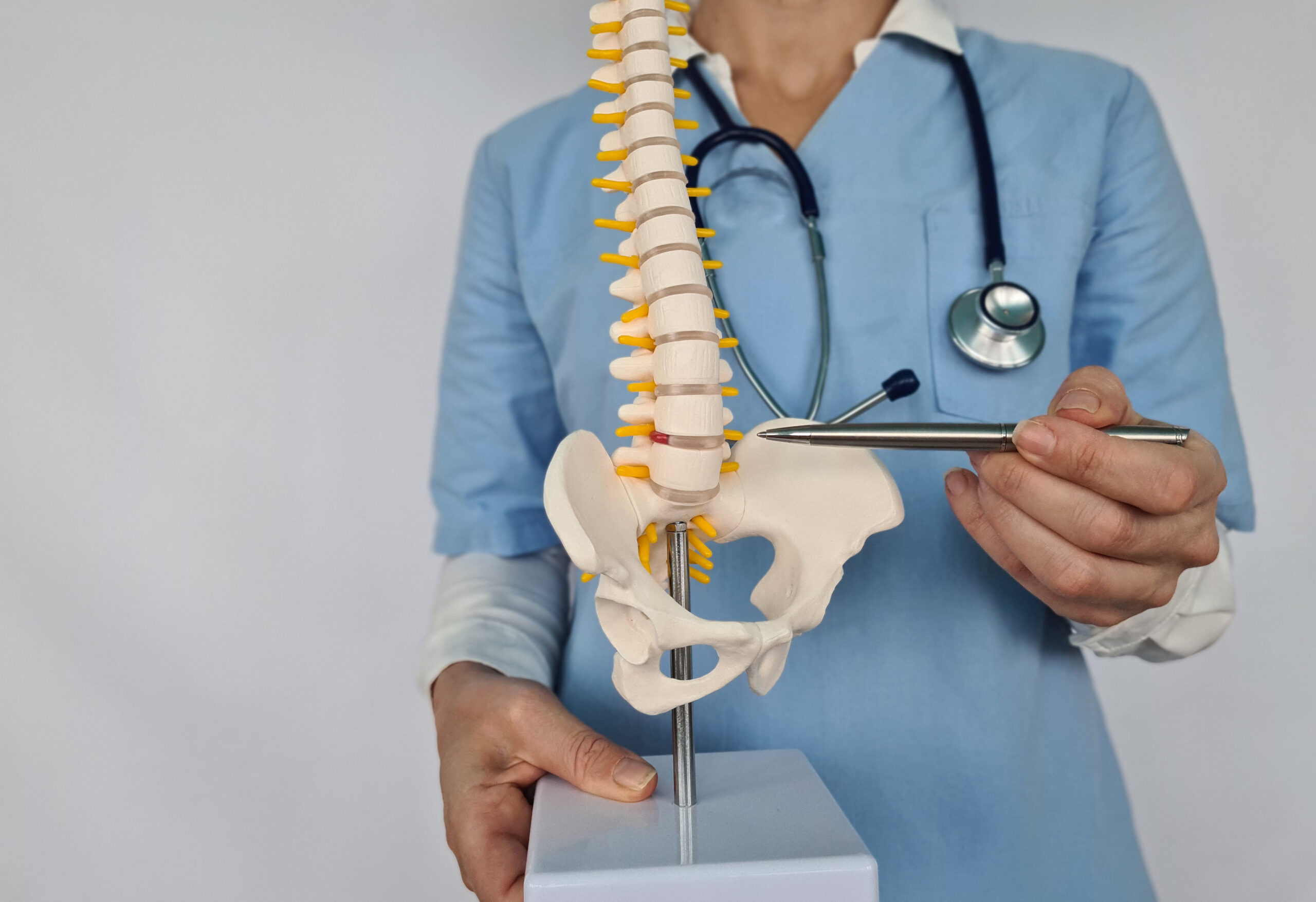
After spinal fusion surgery, the spine requires careful rehabilitation to ensure proper healing while avoiding stress on implanted hardware. Chiropractic care can play a supportive role by focusing on non-invasive techniques that promote mobility, reduce stiffness, and enhance overall recovery. However, it is crucial to approach post-operative care with caution, as improper manipulation could compromise implant stability. Patients should work closely with their surgeon and a chiropractor experienced in post-surgical cases to develop a tailored plan that aligns with medical guidelines. This collaboration helps balance the benefits of chiropractic interventions with the need to protect surgical outcomes.
Timing and Precautions for Chiropractic Interventions
The timing of chiropractic care after spinal fusion is critical. Most surgeons recommend waiting until the surgical site has sufficiently healed, typically several weeks post-operation, before introducing any manual therapies. During this period, the focus should be on gentle movement and low-impact exercises prescribed by the surgical team. Chiropractors may use soft tissue techniques, posture education, or mild adjustments to adjacent regions not involving the fused area. Patients must communicate their surgical history clearly to avoid techniques that could strain the spine or implants. Regular follow-ups with both the surgeon and chiropractor ensure adjustments remain safe and effective.
Gentle Mobilization and Soft Tissue Techniques
Chiropractors often employ gentle mobilization and soft tissue therapies to ease post-surgical stiffness and improve circulation without directly affecting the fused spine. Techniques like myofascial release or trigger point therapy can alleviate muscle tension around the surgical site, reducing discomfort and supporting natural healing. These methods avoid high-velocity adjustments or deep joint manipulations that might destabilize implants. By focusing on surrounding musculature and posture, chiropractic care can enhance mobility and prevent compensatory movements that strain the spine. Patients should ensure their chiropractor is aware of their surgical details to customize these approaches safely.
Monitoring Implant Stability and Healing Progress
Regular monitoring of implant stability is essential during post-surgical recovery. Chiropractors may collaborate with surgeons to track healing through imaging or clinical assessments, ensuring that manual interventions do not interfere with bone fusion. Non-invasive tools like posture analysis or gait evaluation can identify imbalances that might indirectly affect the spine. Patients should report any new pain or discomfort promptly, as this could signal complications. Chiropractic care remains a complementary support system, emphasizing gradual progress and adherence to medical protocols to protect long-term surgical success.
Collaborative Care Between Surgeons and Chiropractors
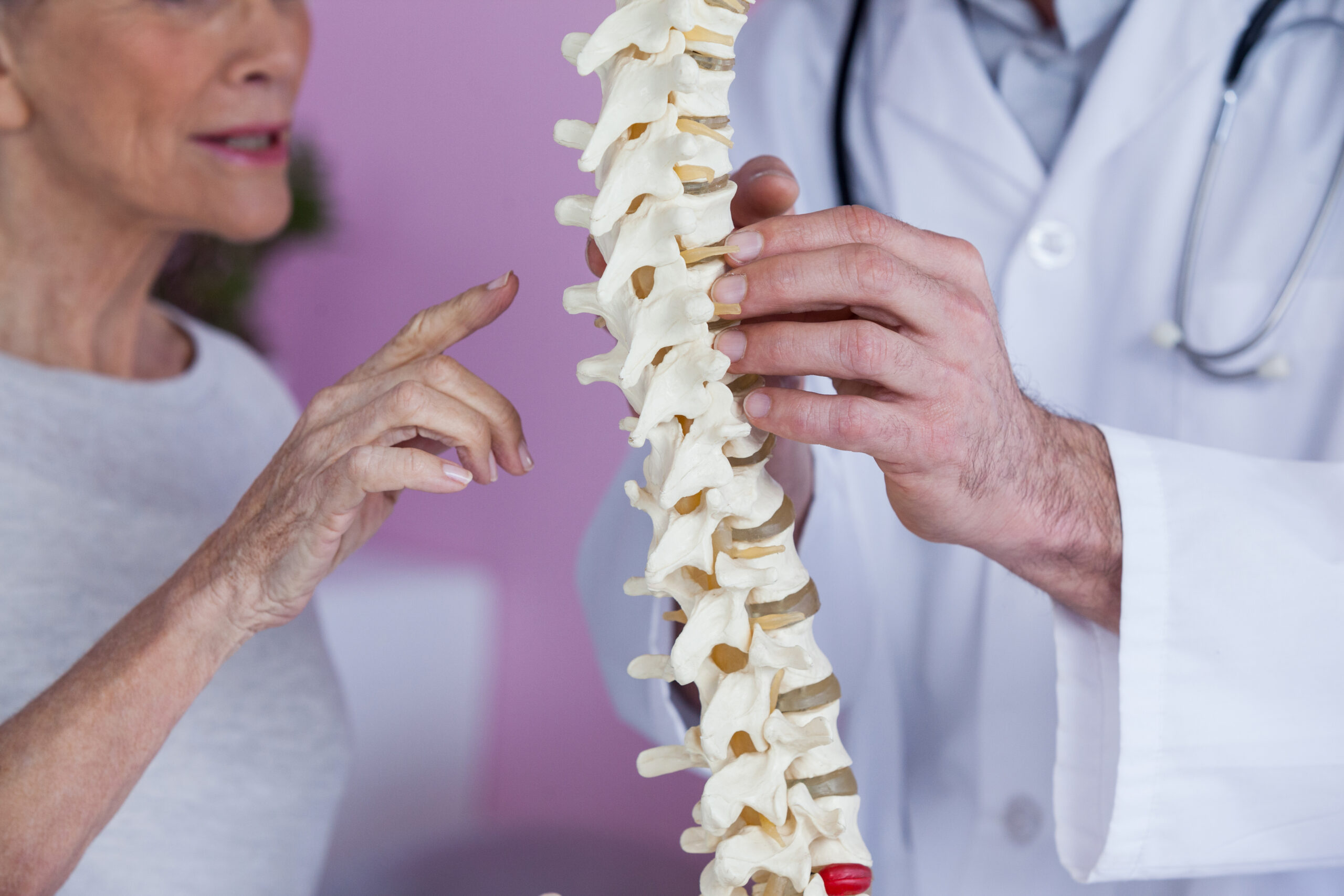
A multidisciplinary approach is key to safe post-surgical recovery. Surgeons and chiropractors can communicate to align treatment plans, ensuring chiropractic care complements rather than conflicts with surgical goals. For example, a chiropractor might avoid specific areas near the fusion site while addressing adjacent regions to maintain spinal balance. Patients benefit from this teamwork through personalized strategies that prioritize safety and effectiveness. Open dialogue between healthcare providers helps navigate uncertainties, allowing for adjustments in care as the patient heals. This partnership reinforces a holistic recovery process that respects both medical and chiropractic expertise.
Long-Term Maintenance and Preventive Strategies
Even after initial recovery, maintaining spinal health through chiropractic care can prevent future issues. Techniques such as posture correction, ergonomic guidance, and low-impact exercise recommendations help sustain stability without stressing implants. Chiropractors may also educate patients on recognizing signs of overexertion or improper movement patterns. Ongoing care focuses on gradual strengthening and flexibility, reducing the risk of compensatory strain on the fused spine. By integrating these preventive strategies, patients can enjoy long-term mobility and minimize the need for additional interventions, all while respecting the integrity of their surgical repairs.