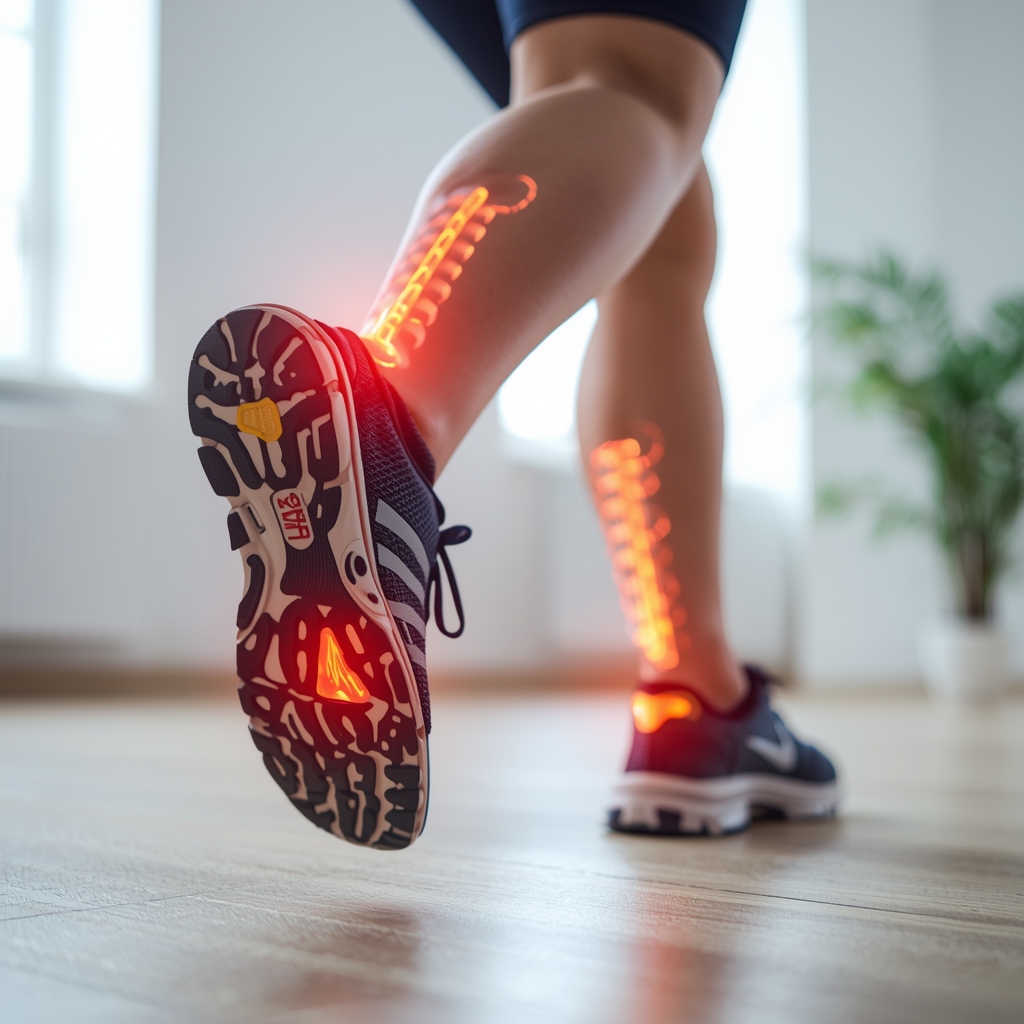
Understanding Overpronation and Stress Fractures
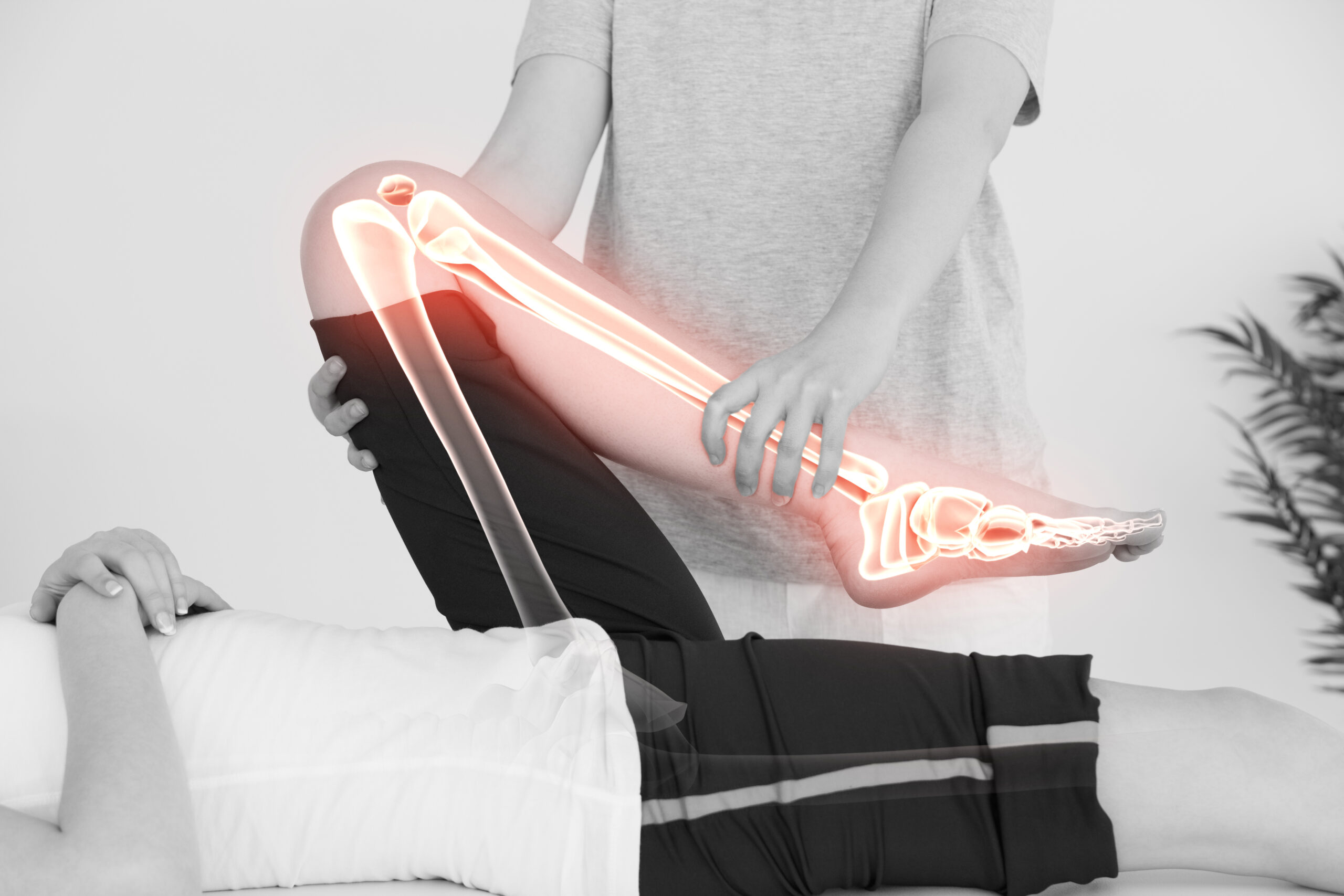
Overpronation occurs when a runner's feet roll inward excessively during movement, altering weight distribution and increasing stress on the lower limbs. This biomechanical imbalance can lead to repetitive strain on bones, muscles, and joints, raising the risk of stress fractures—tiny cracks in bones caused by overuse. Runners with overpronation often experience uneven pressure on the shins, feet, and ankles, which may compromise bone integrity over time. While footwear and training adjustments are common solutions, chiropractic care offers a complementary approach by addressing the root causes of gait irregularities and supporting the body’s natural alignment.
Chiropractic Adjustments for Biomechanical Balance
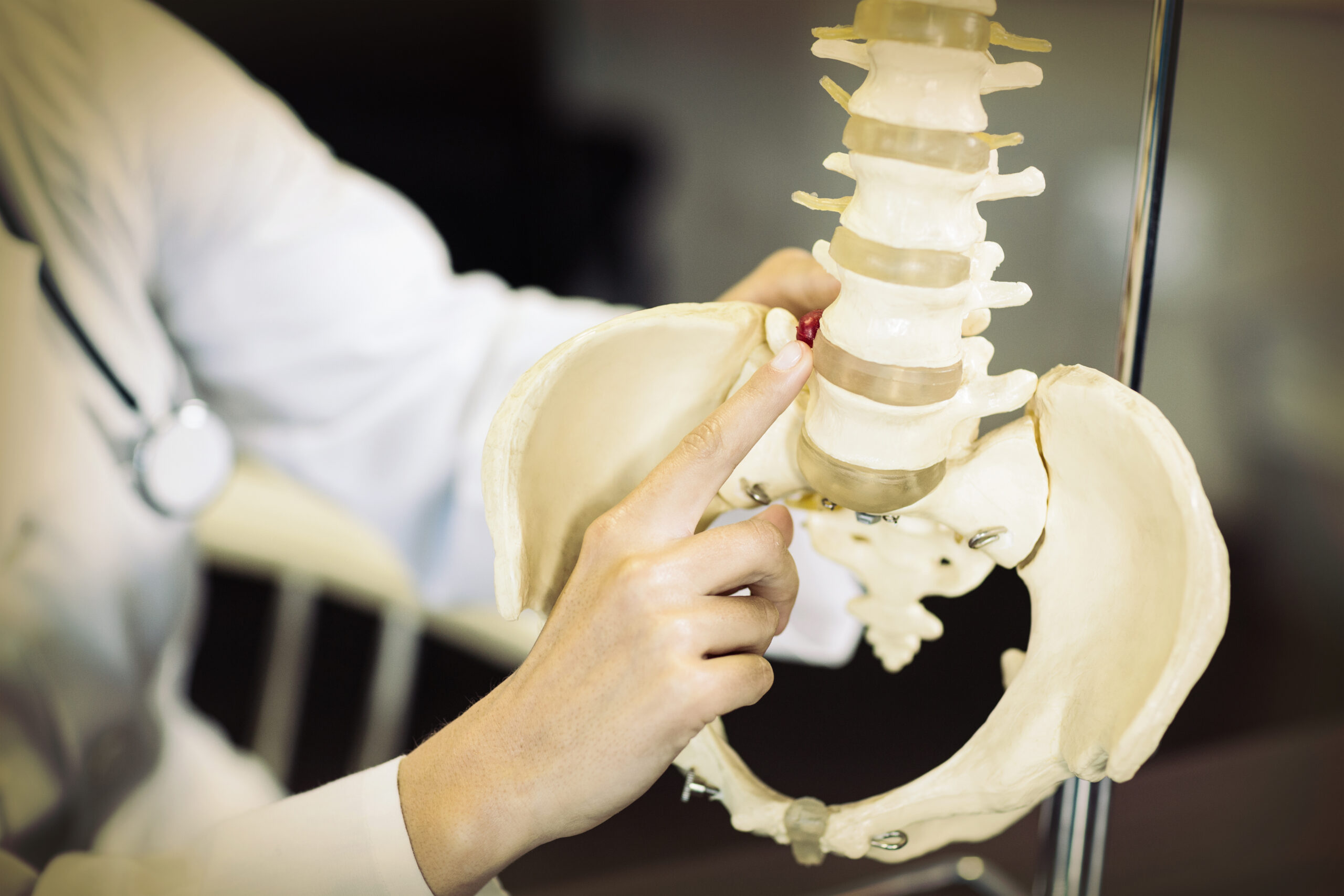
Chiropractors evaluate and correct misalignments in the spine, pelvis, and lower extremities that contribute to overpronation. By restoring proper joint function and nerve communication, adjustments can improve gait mechanics and reduce abnormal stress on weight-bearing bones. For example, a misaligned pelvis may cause one leg to appear shorter, forcing the foot to overpronate to compensate. Regular chiropractic care helps realign these structures, promoting even force distribution during running. This proactive approach may lower the likelihood of stress fractures by minimizing repetitive trauma to vulnerable areas, supporting long-term running health.
The Role of Spinal Alignment in Stress Prevention
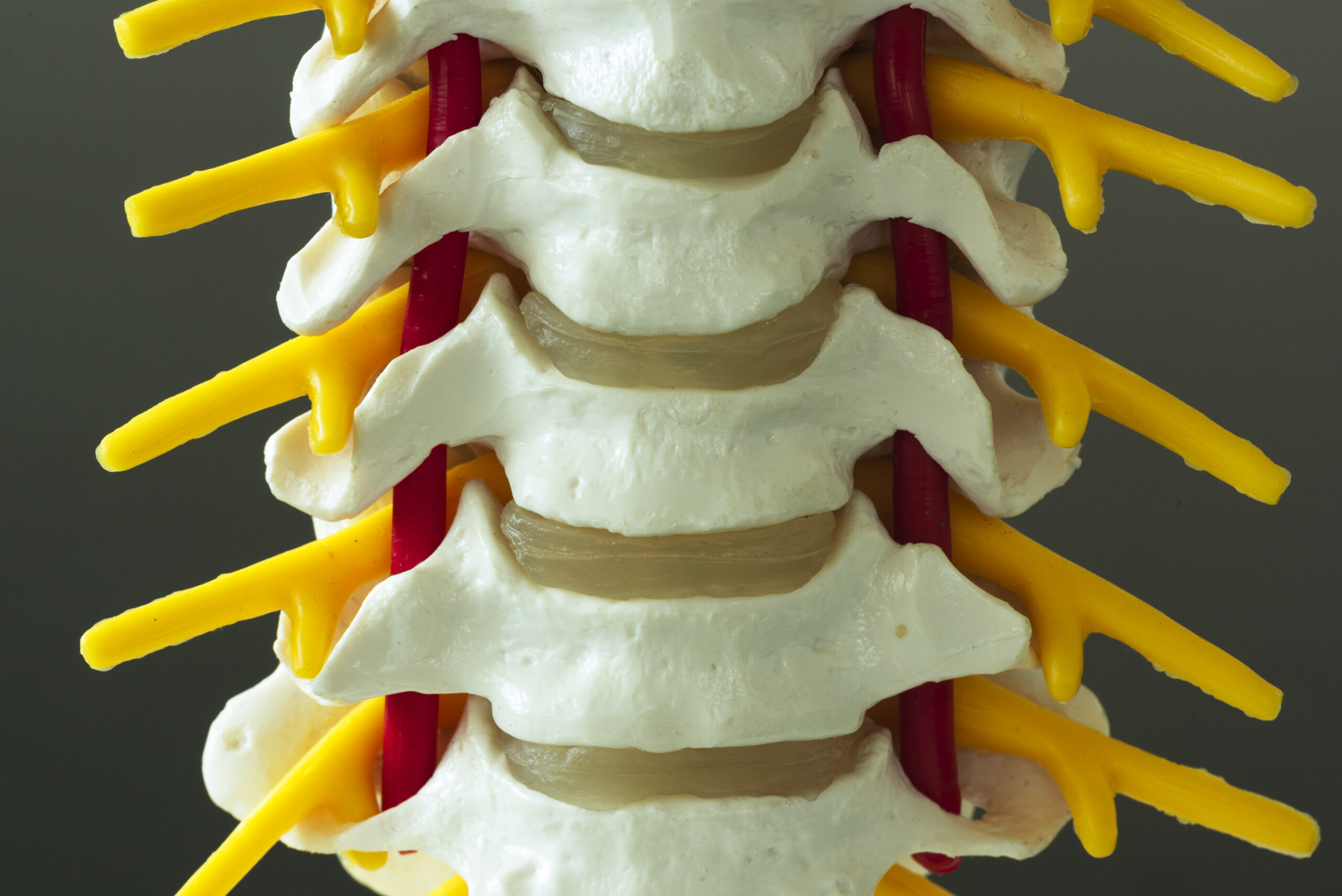
The spine plays a critical role in maintaining overall body balance, and misalignments can indirectly contribute to overpronation. A subluxation (partial dislocation) in the lower back or sacrum may disrupt nerve signals to the legs, affecting muscle coordination and foot mechanics. Chiropractors address these issues through targeted adjustments, ensuring optimal spinal function. Improved nerve flow can enhance muscle activation patterns, reducing the tendency to overpronate. This, in turn, lessens the strain on bones and soft tissues, creating a protective effect against stress fractures. Spinal health is thus a foundational element of injury prevention for runners.
Soft Tissue Therapy and Gait Optimization
Overpronation often involves tightness or weakness in the muscles and ligaments of the feet, ankles, and lower legs. Chiropractors use soft tissue therapies like massage, myofascial release, and trigger point work to alleviate tension and restore flexibility. These techniques can reduce the strain on overworked muscles, improving foot mechanics and reducing the risk of stress fractures. By addressing muscle imbalances, chiropractic care supports a more efficient gait pattern, decreasing the likelihood of repetitive stress injuries. Combined with joint adjustments, soft tissue work creates a holistic strategy for injury prevention in runners.
Corrective Exercises for Long-Term Gait Stability
Chiropractors may recommend corrective exercises to strengthen weak muscles and improve foot mechanics in runners with overpronation. These exercises target the arches, calves, and hip stabilizers, enhancing control over foot movement during runs. Strengthening these areas can reduce the need for compensatory overpronation, lowering stress on bones and joints. Chiropractors often tailor these routines to individual needs, ensuring they align with a runner’s training goals. Consistent practice of these exercises, alongside regular chiropractic care, can foster lasting improvements in gait stability and injury resilience.
Collaborative Care for Runner Safety
While chiropractic care offers valuable support, it works best as part of a broader strategy for preventing stress fractures. Runners should consult with healthcare providers, including chiropractors, to develop a comprehensive plan that addresses biomechanics, training intensity, and footwear. Chiropractors can identify early signs of gait-related issues and intervene before they escalate into injuries. By combining spinal care, soft tissue work, and targeted exercises, runners with overpronation can reduce their risk of stress fractures and maintain long-term performance. Always discuss personalized options with a qualified chiropractor to ensure safe, effective care.