Understanding the Nervous System's Role in Immune Regulation
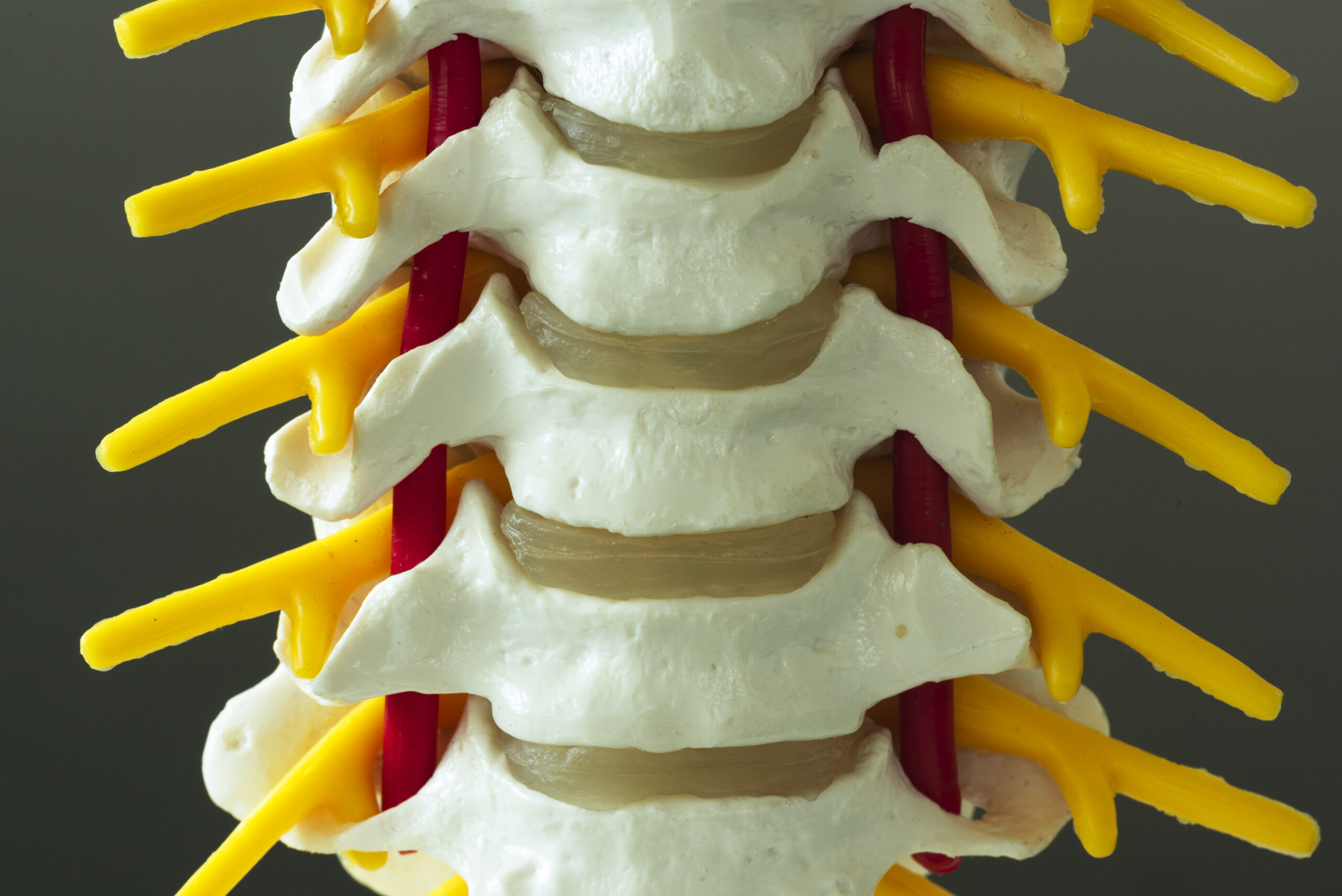
The nervous system and immune system are deeply interconnected, with the former acting as a critical regulator of the latter. Neural pathways, particularly those involving the autonomic nervous system, influence immune cell activity through chemical messengers like neurotransmitters and cytokines. Chronic inflammatory conditions often involve dysregulated immune responses, which may be impacted by nervous system function. Spinal adjustments, a core chiropractic intervention, aim to optimize nervous system communication by correcting misalignments (subluxations) that could interfere with nerve signals. This foundational relationship sets the stage for exploring how spinal health might influence immune function in patients with persistent inflammation.
How Spinal Adjustments Affect Nervous System Function
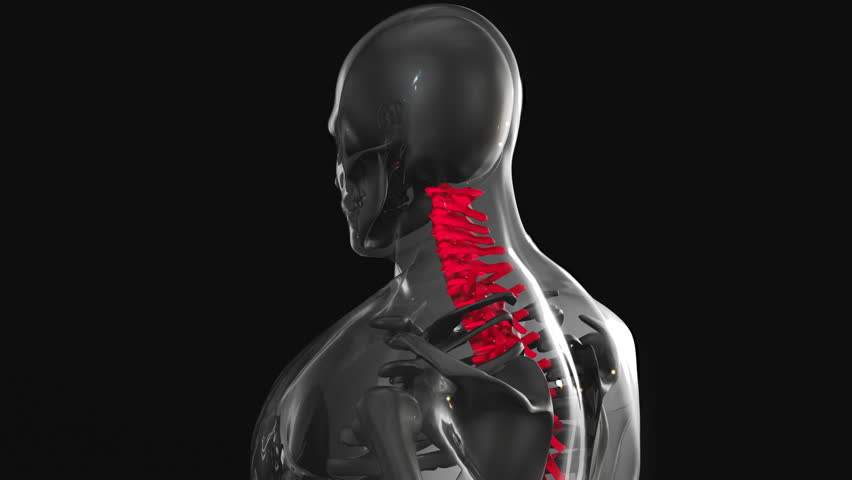
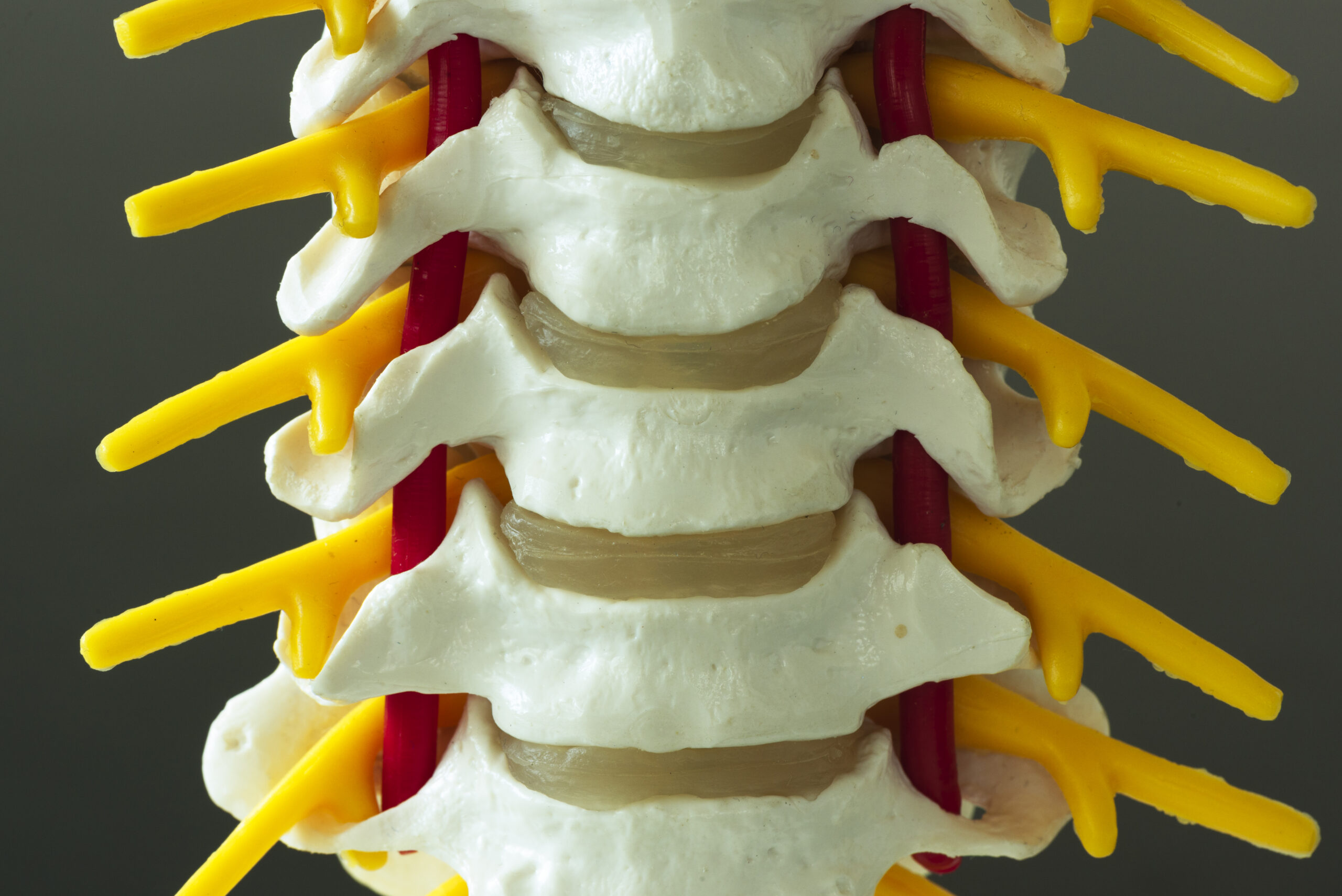
Spinal adjustments are designed to restore proper alignment and mobility to the vertebrae, which can alleviate pressure on nerves and improve neural communication. When spinal misalignments occur, they may disrupt the flow of information between the brain and body, potentially affecting organ function and immune responses. By realigning the spine, chiropractors aim to remove these disruptions, allowing the nervous system to operate more efficiently. This improved function could theoretically enhance the body’s ability to regulate inflammation and maintain homeostasis. However, the exact mechanisms by which these adjustments influence immune activity remain an area of ongoing research and discussion within the chiropractic and medical communities.
The Link Between Nervous System Health and Immune Cell Activity
Research suggests that the nervous system plays a pivotal role in modulating immune cell activity through the release of signaling molecules. For example, the sympathetic and parasympathetic branches of the autonomic nervous system can either suppress or enhance immune responses, depending on the context. Chronic inflammation often involves persistent activation of pro-inflammatory pathways, which may be influenced by nervous system imbalances. Spinal adjustments may help restore equilibrium to these systems, potentially reducing excessive inflammation. While the evidence is not yet conclusive, many practitioners believe that optimizing nervous system function through chiropractic care could support the body’s natural ability to manage inflammatory conditions.
Chronic Inflammatory Conditions and Spinal Health
Patients with chronic inflammatory conditions, such as arthritis or inflammatory bowel disease, often experience systemic inflammation that affects multiple body systems. While these conditions are typically managed through medical treatments, some individuals seek complementary approaches like chiropractic care. The idea is that spinal adjustments might help reduce inflammation by improving nervous system function, which in turn could support immune regulation. However, it’s important to note that chiropractic care is not a substitute for conventional medical treatment. Instead, it may offer a supportive role in a broader management plan. Ongoing studies are exploring whether spinal interventions can consistently influence inflammatory markers, but current evidence remains preliminary.
Potential Mechanisms of Spinal Adjustments on Immune Function
The exact ways spinal adjustments influence immune cell activity are not fully understood, but several hypotheses exist. One theory involves the modulation of the hypothalamic-pituitary-adrenal (HPA) axis, which regulates stress responses and immune function. Adjustments may also impact the release of anti-inflammatory cytokines or reduce sympathetic nervous system overactivity, which is linked to chronic inflammation. Additionally, improved spinal alignment could enhance lymphatic drainage and circulation, indirectly supporting immune health. While these mechanisms are plausible, they require further scientific validation. Chiropractors often emphasize a holistic approach, considering how spinal health interacts with other factors like diet, exercise, and stress management to influence overall well-being.
Consulting a Qualified Professional for Personalized Care
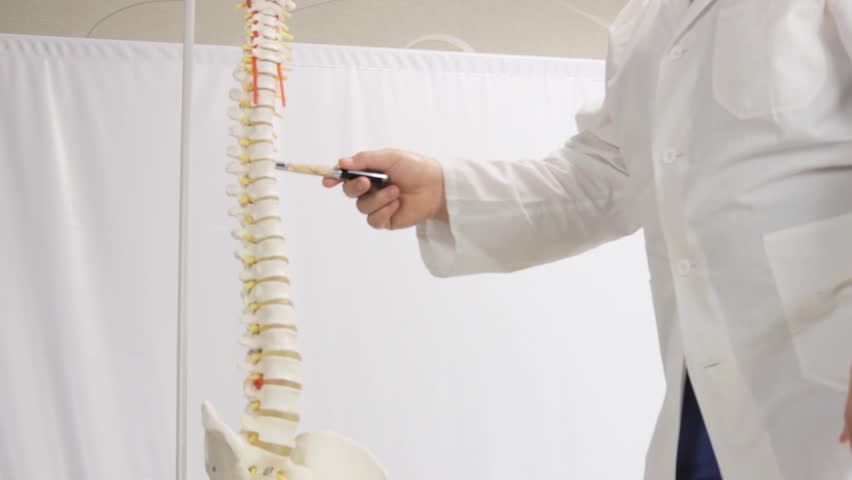
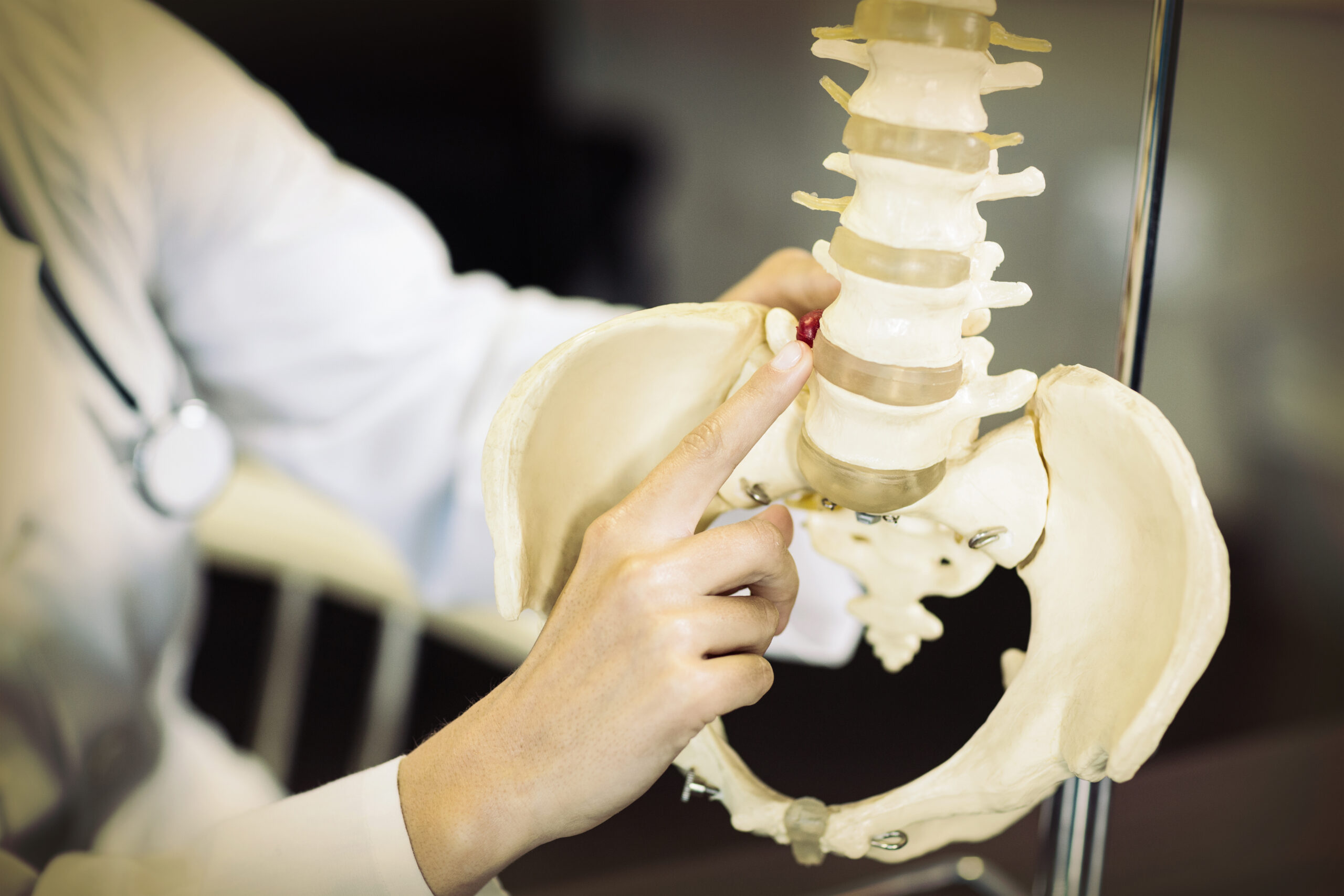
While the relationship between spinal health and immune function is an area of growing interest, individual responses to chiropractic care can vary widely. Patients with chronic inflammatory conditions should consult a licensed chiropractor to discuss whether spinal adjustments might complement their existing treatment plan. A qualified provider can assess spinal alignment, identify potential nerve interference, and recommend appropriate interventions. It’s also crucial to maintain open communication with primary healthcare providers to ensure a coordinated approach to managing inflammation. As research continues to evolve, staying informed and working with experienced professionals remains the best way to explore the potential benefits of chiropractic care for immune-related health concerns.