Understanding Spinal Stenosis and Treatment Options
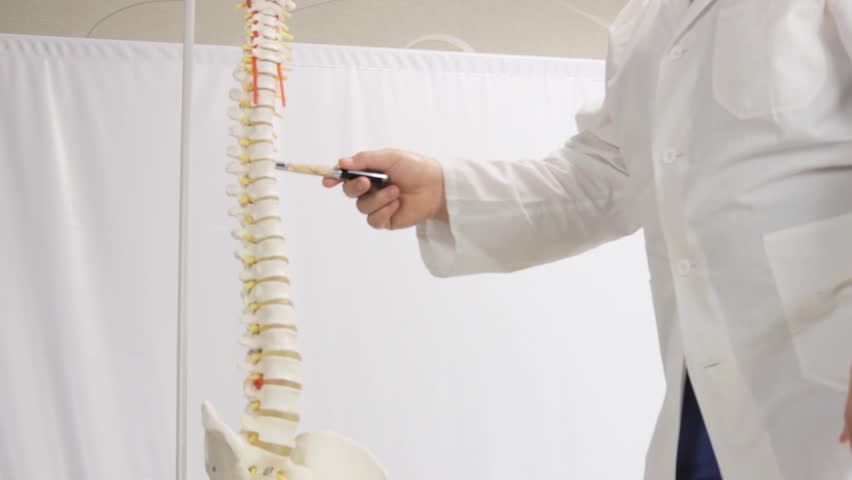
Spinal stenosis occurs when the spinal canal narrows, compressing nerves and causing pain, numbness, or weakness. While surgery is often presented as a solution, many patients explore chiropractic care as a non-invasive alternative. Understanding the condition’s progression and available treatments is critical. Chiropractic care focuses on spinal adjustments, soft tissue therapy, and lifestyle guidance to alleviate symptoms. Surgery, on the other hand, typically involves procedures like laminectomy or spinal fusion to widen the canal. Patients should evaluate their symptoms’ severity, the impact on daily life, and the potential risks of each approach. A chiropractor can help determine if conservative care aligns with their goals, but it’s essential to consult with a medical professional to rule out urgent cases requiring surgical intervention.
Evaluating the Risks and Benefits of Chiropractic Care
Chiropractic care for spinal stenosis is generally considered safe when performed by a licensed practitioner. It may reduce inflammation, improve mobility, and delay or avoid surgery. However, its effectiveness varies depending on the stenosis’s cause and location. For example, degenerative changes or severe nerve compression might not respond well to adjustments alone. Patients should consider the potential risks, such as temporary soreness or the possibility that symptoms may not improve. Surgery, while more invasive, can provide faster relief for certain cases but carries risks like infection, scarring, or complications from anesthesia. Understanding these trade-offs helps patients weigh their options. Open communication with both a chiropractor and a surgeon ensures a well-rounded perspective on what to expect from each approach.
Considering Patient Preferences and Lifestyle Factors
Personal preferences and lifestyle play a significant role in deciding between chiropractic care and surgery. Some patients prefer non-surgical methods to avoid the recovery time and risks associated with operations. Others may prioritize rapid symptom relief, making surgery a more attractive option. Chiropractic care often involves ongoing visits and a commitment to lifestyle changes, such as exercise or posture adjustments. Patients with busy schedules or limited access to care may find this challenging. Conversely, surgery requires a recovery period that could disrupt work or daily routines. Financial considerations also matter, as insurance coverage for chiropractic services varies. Patients should reflect on their values, long-term goals, and practical constraints when making a decision. A chiropractor can help tailor a plan that aligns with these factors.
Assessing the Severity and Progression of Symptoms
The severity and progression of spinal stenosis symptoms are key factors in choosing between chiropractic care and surgery. Mild to moderate cases may benefit from conservative treatments, while advanced stenosis with significant nerve compression often requires surgical intervention. Patients experiencing frequent pain, difficulty walking, or loss of bladder/bowel control should seek immediate medical attention, as these could indicate a surgical emergency. Chiropractic care can complement post-surgical recovery but is unlikely to reverse severe structural damage. Monitoring symptoms over time and working with a healthcare team helps determine when to shift from non-invasive to more aggressive treatments. Regular assessments ensure decisions remain aligned with the patient’s evolving condition.
Consulting with Qualified Healthcare Providers
Before deciding between chiropractic care and surgery, patients should consult both a chiropractor and a medical doctor. A chiropractor can evaluate spinal alignment, recommend adjustments, and discuss complementary therapies. A surgeon, meanwhile, can assess whether the stenosis is likely to worsen or cause permanent damage. These professionals can collaborate to create a coordinated care plan if surgery is ultimately needed. Patients should ask about the chiropractor’s experience with spinal stenosis and the surgeon’s recommendations for conservative management. Open dialogue with both providers ensures informed decision-making. It’s also important to verify the chiropractor’s credentials and the surgeon’s track record to build trust in the care process.
Exploring Long-Term Outcomes and Maintenance Needs
Long-term outcomes differ significantly between chiropractic care and surgery for spinal stenosis. Chiropractic treatment often focuses on managing symptoms and maintaining spinal health through regular adjustments and lifestyle modifications. Patients may need ongoing care to sustain benefits, especially if the stenosis is related to degenerative changes. Surgery, while potentially offering more immediate relief, may not always prevent future issues, and some patients experience recurring symptoms. Recovery from surgery can also involve physical therapy and long-term follow-up. Patients should consider their willingness to commit to long-term care and the likelihood of symptom recurrence. A chiropractor can help develop a maintenance plan, while a surgeon can discuss the potential need for additional procedures over time.