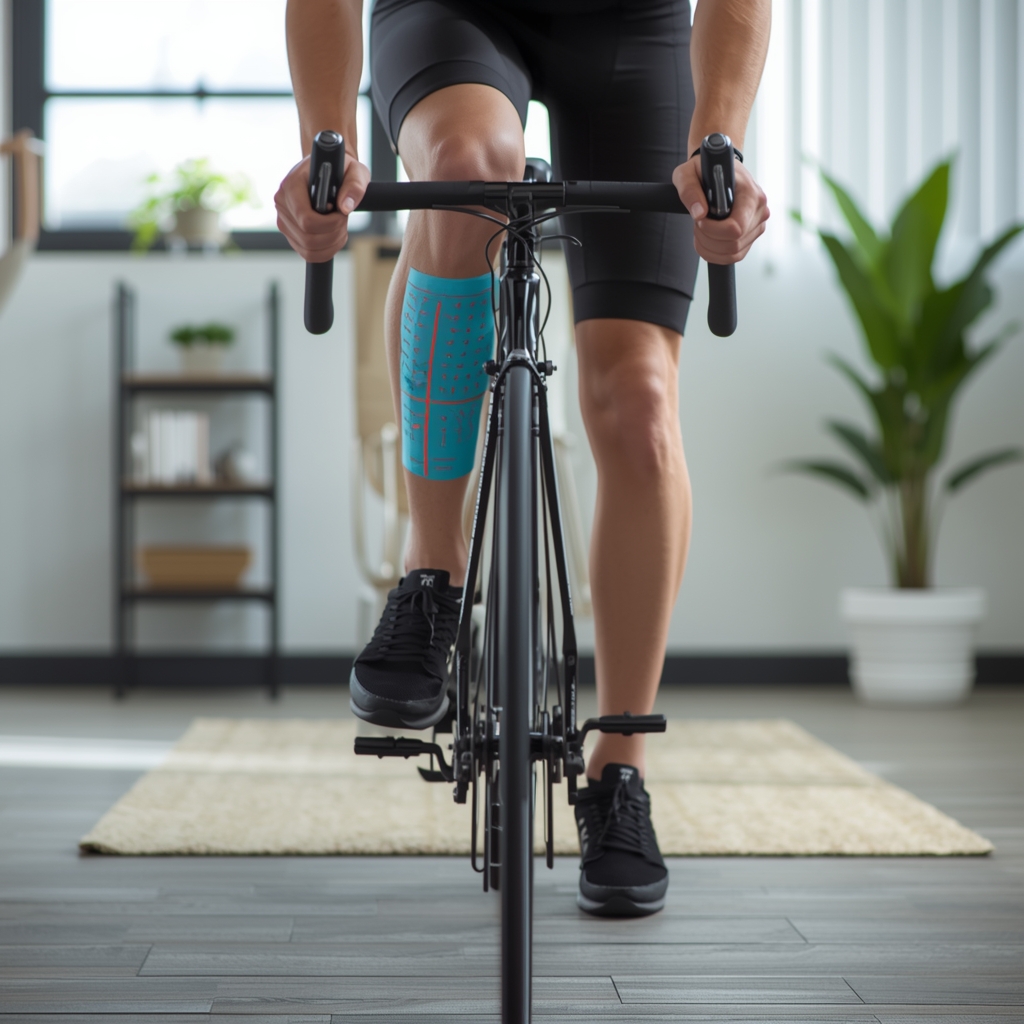
Understanding Patellar Tracking Issues in Cyclists
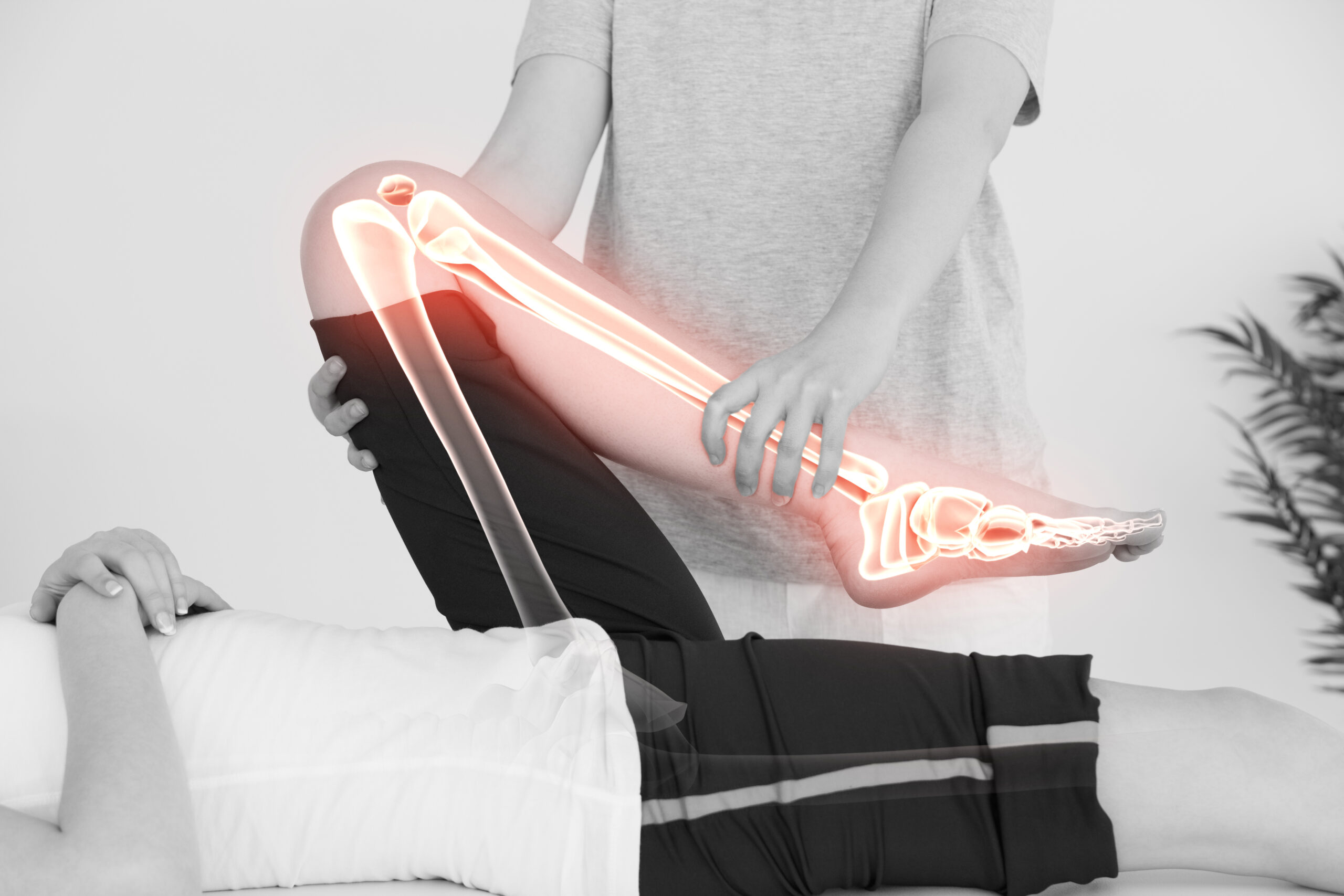
Patellar tracking issues occur when the kneecap (patella) moves abnormally within the femoral groove, often causing pain and discomfort. Cyclists are particularly susceptible due to repetitive knee flexion and extension, poor bike fit, or muscle imbalances. This misalignment can lead to conditions like patellofemoral pain syndrome, affecting performance and comfort. While rest and physical therapy are common treatments, kinesio taping has emerged as a supportive tool to stabilize the patella and reduce strain during activity. Understanding its role requires exploring techniques tailored to cyclists' specific demands.
How Kinesio Taping Supports Patellar Alignment
Kinesio taping works by gently lifting the skin and underlying tissues, which can alleviate pressure on the patella and improve joint mechanics. The tape’s elasticity mimics muscle movement, offering support without restricting range of motion. For cyclists, this can help maintain proper patellar tracking during pedaling. The tape may also stimulate proprioception, enhancing neuromuscular control around the knee. While not a standalone solution, it can complement other interventions by providing real-time feedback and stability, potentially reducing pain and preventing further misalignment during prolonged cycling sessions.
Common Kinesio Taping Techniques for Patellar Issues
Two primary techniques are often used: the “I” strip and the “Y” strip. The “I” strip is applied vertically along the quadriceps to provide lateral support, helping guide the patella into proper alignment. The “Y” strip, shaped like a fan, is placed over the patella to lift and stabilize it, reducing friction against the femur. A “X”-shaped application may also be used to address rotational imbalances. Each technique requires precise placement to avoid restricting circulation or causing irritation. Cyclists should work with a trained professional to ensure the tape is applied correctly for their specific needs and cycling posture.
Application Tips for Cyclists
Proper application is critical for effectiveness. The tape should be cut to the correct length and applied with light to moderate tension, avoiding excessive tightness that could impair circulation. For cycling, focus on areas prone to strain, such as the quadriceps and patellar tendon. The tape’s durability allows it to stay in place during long rides, but it should be replaced if it loses adhesion or causes discomfort. Cyclists should also consider the bike’s fit, as poor positioning can negate the tape’s benefits. Regular reapplication and consultation with a chiropractor ensure the technique remains effective as training intensity or conditions change.
Complementary Strategies for Long-Term Relief
Kinesio taping is most effective when combined with other approaches. Strengthening the quadriceps, hamstrings, and hip muscles can improve patellar stability, while stretching tight structures like the IT band may reduce lateral pull on the kneecap. Bike fit adjustments, such as saddle height or cleat positioning, also play a role in preventing misalignment. Additionally, rest and activity modification are essential to avoid overuse. A chiropractor can help integrate taping with these strategies, creating a holistic plan to address the root causes of patellar tracking issues and support long-term recovery.
When to Consult a Chiropractor
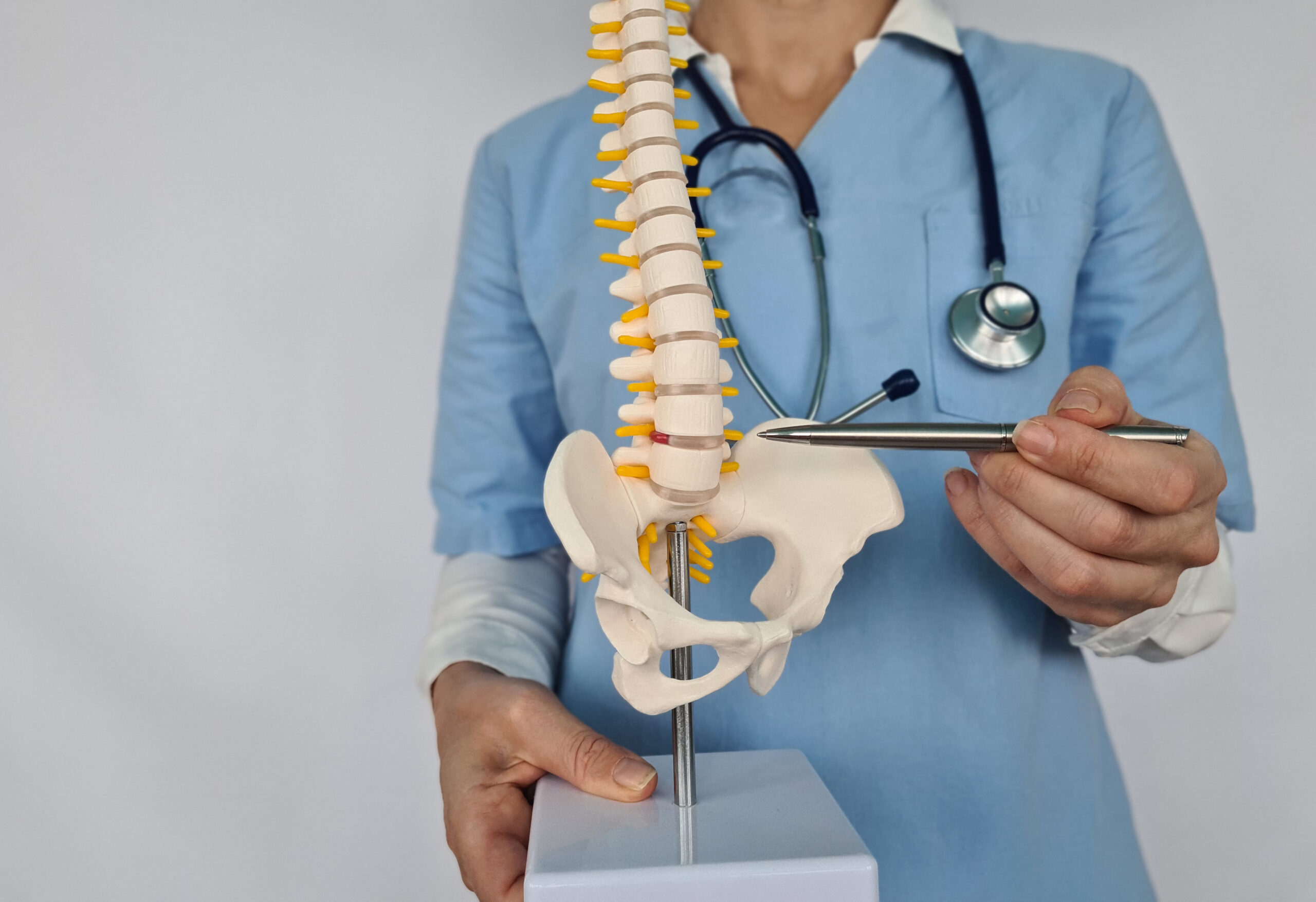
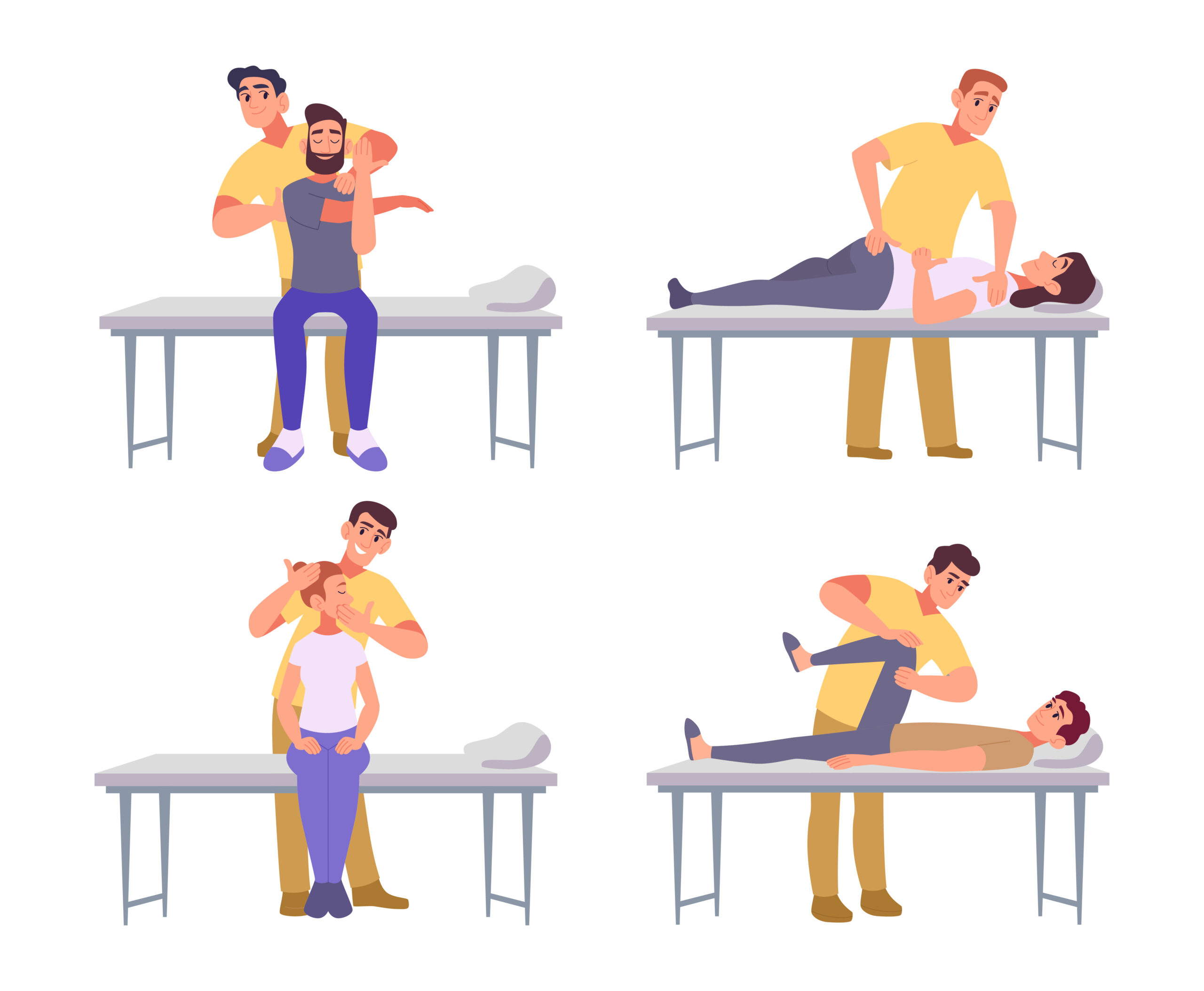
While kinesio taping can offer temporary relief, persistent or severe patellar pain warrants professional evaluation. A chiropractor can assess the underlying causes, such as muscle imbalances or biomechanical issues, and tailor a treatment plan. They may combine taping with adjustments, soft tissue therapy, or rehabilitative exercises for optimal results. Cyclists should seek care if pain worsens, limits mobility, or is accompanied by swelling. Early intervention can prevent chronic issues, ensuring continued participation in cycling without discomfort. Always consult a qualified provider to determine the best approach for individual needs.