Understanding Patellar Tracking Issues
Patellar tracking issues occur when the kneecap (patella) moves abnormally within the femoral groove, often causing pain and discomfort. Runners are particularly susceptible due to repetitive stress on the knee joint. This misalignment can lead to conditions like patellofemoral pain syndrome, characterized by dull, aching pain around the kneecap. While causes vary—such as muscle imbalances, overuse, or structural factors—Kinesio Taping is sometimes used to support the knee and encourage proper patellar alignment. The tape’s elastic properties may help reduce strain on surrounding tissues, though it is not a standalone solution. Understanding the mechanics of patellar tracking is essential for determining how taping might complement other treatments.
Common Kinesio Taping Techniques
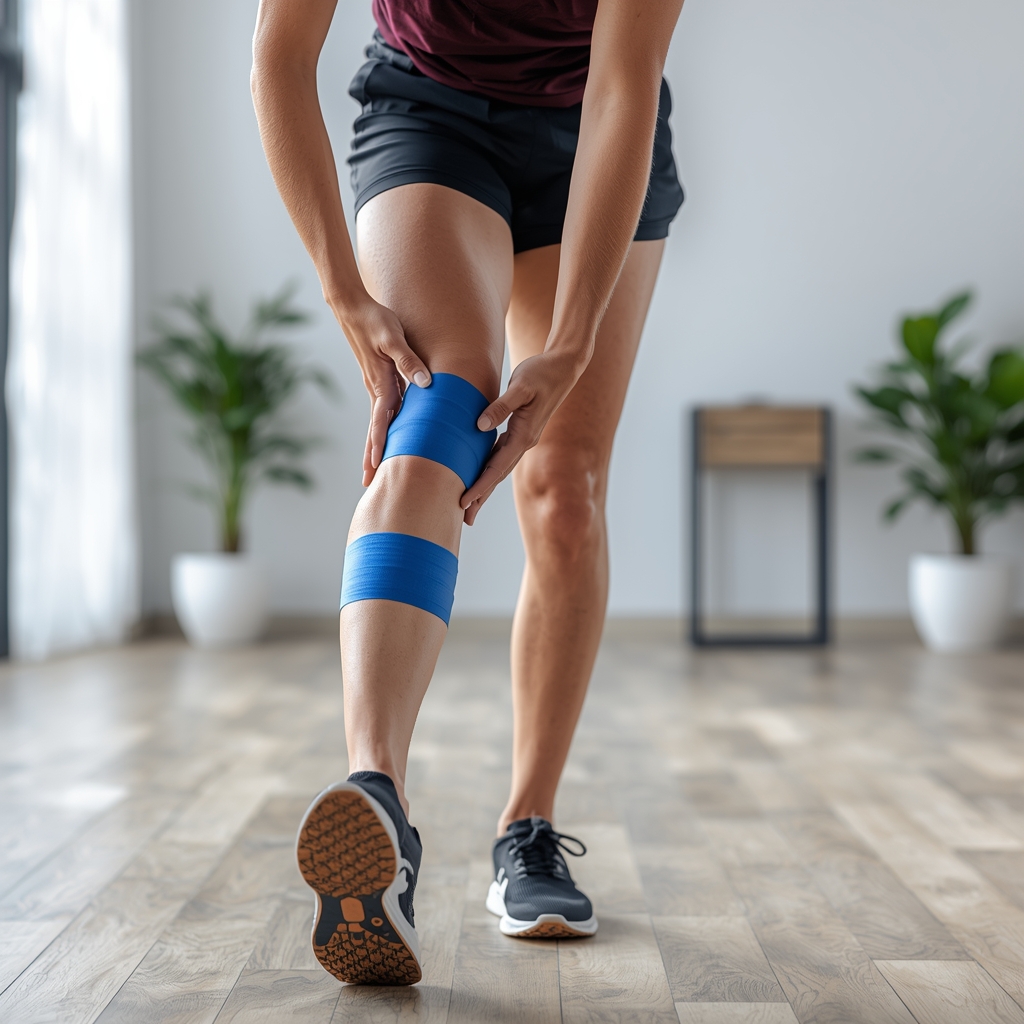
Several Kinesio Taping methods are used to address patellar tracking, with techniques like the “patellar taping” or “I-shaped” taping being popular. These involve applying the tape in specific patterns to lift or stabilize the kneecap, depending on the runner’s needs. For example, a medial taping technique might help shift the patella toward the inner side of the knee, while a lateral technique could provide counterbalance. The goal is to reduce pressure on the joint and improve biomechanics during movement. However, the effectiveness of these methods can vary based on individual anatomy and the root cause of the tracking issue. Proper application is critical, as incorrect placement may exacerbate discomfort. A qualified provider can assess the best approach for each case.
Proper Application and Placement
Correct Kinesio Taping application requires attention to detail, including the tape’s tension, direction, and adherence to the skin. For patellar tracking, the tape is often applied with light tension to support the joint without restricting movement. It should be cut into specific shapes—such as a “Y” or “I”—to target the patella and surrounding muscles effectively. Runners may need to adjust the tape’s placement based on activity type or discomfort levels. However, self-application carries risks, such as skin irritation or improper support. A chiropractor or physical therapist can ensure the tape is applied correctly and advise on when to replace it. Consistency in technique is key to achieving the desired effect, as improper use may fail to address the underlying issue.
Combining with Other Treatments
Kinesio Taping is most effective when used alongside other interventions for patellar tracking. Strengthening exercises for the quadriceps, hamstrings, and hip muscles can improve knee stability, while stretching tight structures like the IT band may reduce lateral pull on the patella. Chiropractic adjustments might also help realign the pelvis or lower extremities, addressing biomechanical imbalances. Additionally, orthotics or shoe modifications could support proper foot mechanics, indirectly benefiting the knee. Runners should view taping as part of a comprehensive strategy rather than a standalone fix. A healthcare provider can tailor a plan that integrates taping with exercises, manual therapy, and lifestyle adjustments to optimize recovery and prevent recurrence.
Evidence and Research
While Kinesio Taping is widely used, scientific evidence on its efficacy for patellar tracking remains limited. Some studies suggest it may provide short-term pain relief or improve proprioception, but long-term benefits are less clear. Research on taping for knee conditions often focuses on general support rather than specific patellar alignment. Many practitioners rely on clinical experience and patient feedback to guide its use. It is important to note that taping should not replace conventional treatments like physical therapy or medical evaluation. Runners considering taping should discuss their options with a chiropractor to determine if it aligns with their overall care plan and address any underlying issues contributing to their symptoms.
When to Seek Professional Help
If patellar tracking issues persist or worsen, consulting a chiropractor or orthopedic specialist is crucial. A professional can identify contributing factors such as muscle weakness, gait abnormalities, or structural imbalances. They may recommend Kinesio Taping as part of a broader treatment strategy, ensuring it is applied correctly and monitored for effectiveness. In some cases, imaging or diagnostic tests might be needed to rule out more severe conditions. Runners should also seek help if taping causes skin irritation, increased pain, or no improvement after a few weeks. A qualified provider can adjust the approach, explore alternative therapies, or refer to other specialists as needed, ensuring a safe and effective path to recovery.