Understanding Iliotibial Band Syndrome in Golfers
Iliotibial band syndrome (ITBS) is a common overuse injury among golfers, caused by friction between the iliotibial band and the femur during repetitive motion. The golf swing places significant stress on the hips and knees, making golfers susceptible to this condition. Symptoms include lateral knee pain, swelling, and discomfort during activity. While rest and ice are standard treatments, chiropractic care offers targeted solutions. By addressing biomechanical imbalances and soft tissue restrictions, chiropractors help reduce strain on the IT band, promoting faster recovery and preventing recurrence. Golfers experiencing persistent knee or hip pain should consider consulting a chiropractor for a personalized approach.
Chiropractic Adjustments for Alignment and Relief
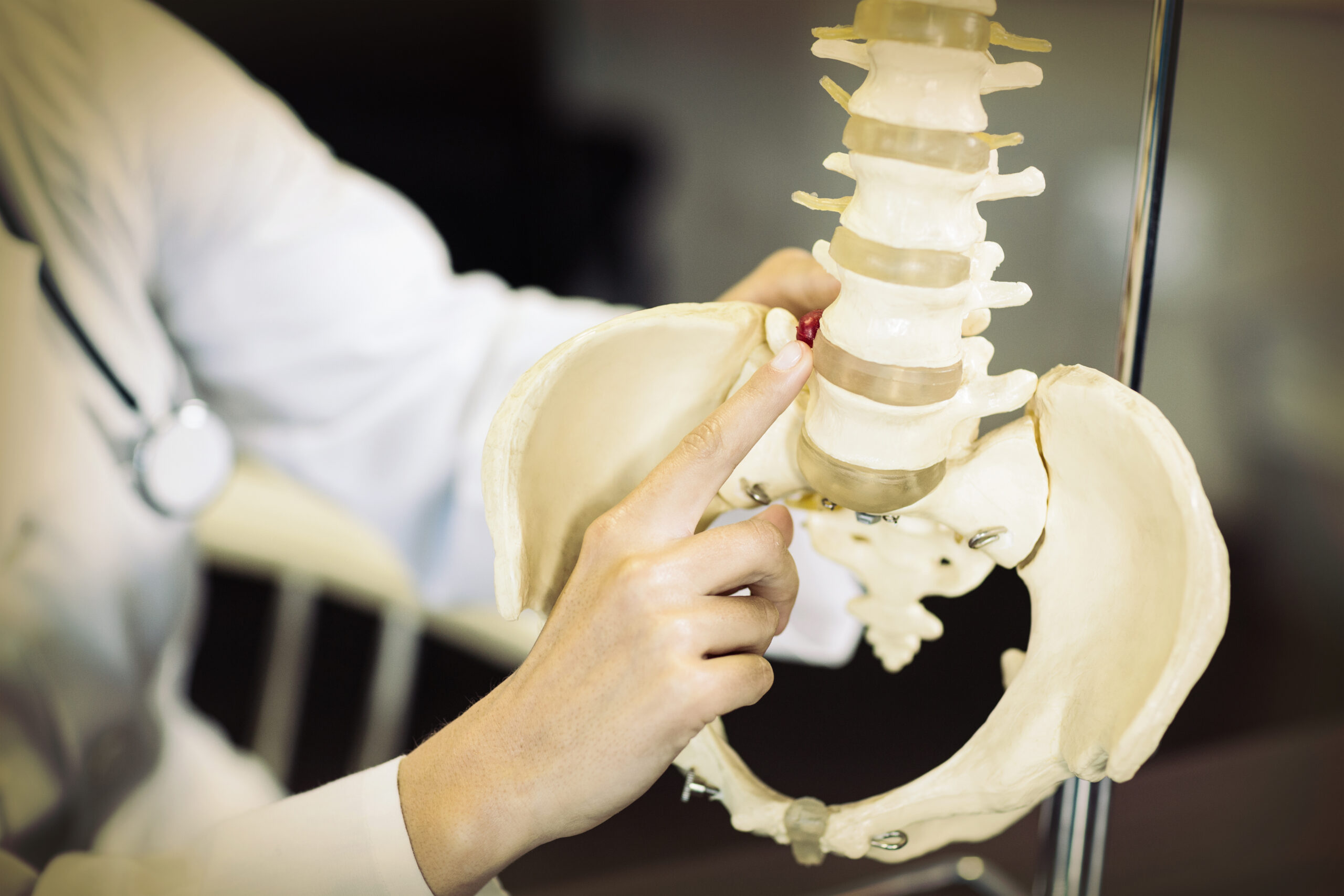
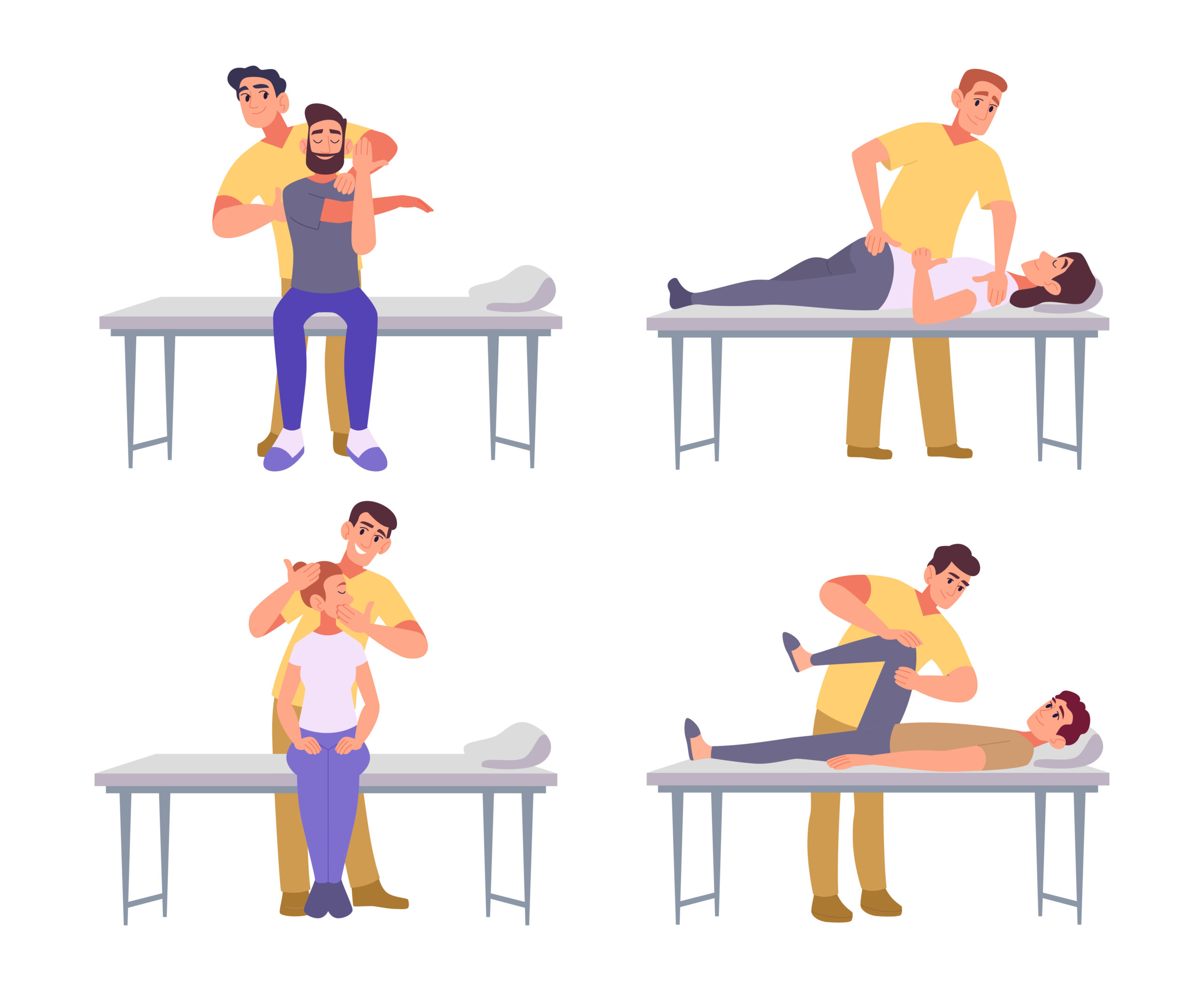
Chiropractic adjustments can correct spinal and pelvic misalignments that contribute to ITBS. Poor posture or uneven weight distribution during the golf swing may exacerbate IT band friction. By realigning the spine and hips, adjustments improve joint mobility and reduce compensatory movements that strain the IT band. This holistic approach not only alleviates pain but also enhances overall performance. Many golfers report improved swing mechanics and reduced discomfort after regular adjustments. However, results vary, and a qualified chiropractor should evaluate individual needs to determine the most effective treatment plan.
Soft Tissue Techniques for IT Band Relief
Soft tissue techniques like Active Release Technique (ART) and Graston Therapy are effective for addressing ITBS. These methods target adhesions and tightness in the IT band, restoring flexibility and reducing inflammation. A chiropractor may use manual pressure or specialized tools to break down scar tissue, improving blood flow and accelerating healing. Golfers often find these therapies beneficial for both acute pain and long-term prevention. When combined with adjustments, soft tissue work addresses the root causes of ITBS, enabling a safer return to the golf course. Always consult a licensed professional to ensure safe and appropriate application of these techniques.
Preventive Strategies for Golfers
Preventing ITBS involves proactive chiropractic care and lifestyle adjustments. Regular checkups can identify early signs of misalignment or muscle imbalance, allowing for timely intervention. Chiropractors may recommend stretching routines, strengthening exercises, and ergonomic adjustments to reduce strain during play. Golfers should also prioritize proper warm-ups and cool-downs, as well as monitor their swing mechanics for inefficiencies. By integrating chiropractic care into their routine, golfers can minimize the risk of ITBS and maintain peak performance. A personalized plan from a chiropractor ensures that prevention strategies align with individual needs and goals.
Combining Chiropractic Care with Rehabilitation
Chiropractic treatment often works best when paired with other rehabilitation strategies. Physical therapy exercises, such as hip abductor strengthening and foam rolling, complement adjustments and soft tissue work. A chiropractor may collaborate with physical therapists to create a comprehensive recovery plan tailored to the golfer’s condition. This multidisciplinary approach addresses both structural and functional aspects of ITBS, enhancing outcomes. Golfers should follow their provider’s guidance on activity modification and gradual return to play. Consistency and communication with healthcare professionals are key to long-term success.
When to Seek Chiropractic Help
Golfers experiencing persistent knee or hip pain, especially during or after play, should consider chiropractic care. Early intervention can prevent minor issues from worsening into chronic conditions. Signs like localized tenderness, swelling, or difficulty bending the knee warrant a professional evaluation. A chiropractor will conduct a thorough assessment, including posture analysis and movement testing, to identify contributing factors. Treatment plans are customized to the golfer’s specific needs, focusing on pain relief and functional restoration. Regular follow-ups ensure adjustments and therapies remain effective over time. Consulting a qualified chiropractor is a proactive step toward maintaining an injury-free golfing experience.