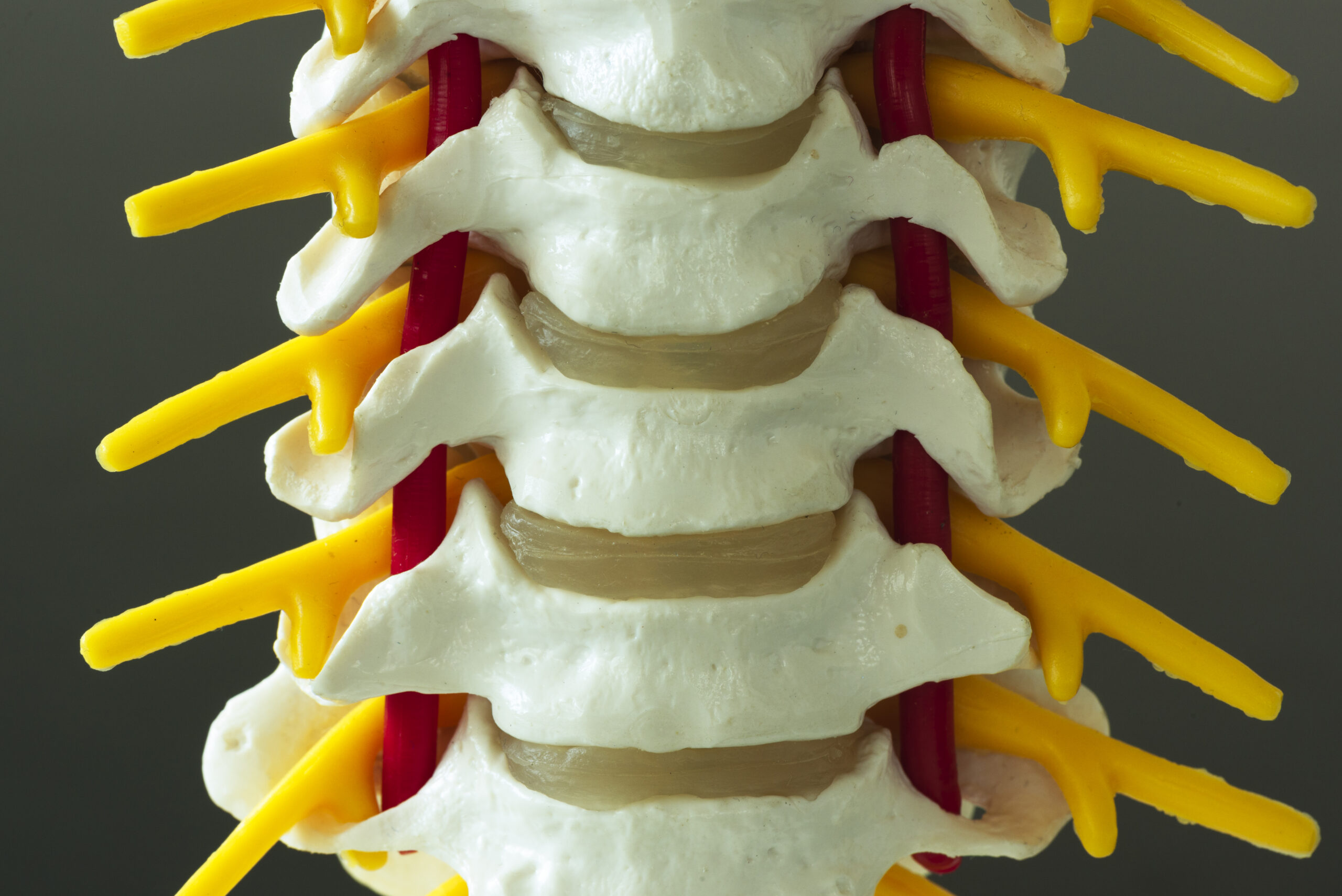
Understanding the Synergy Between Acupuncture and Spinal Adjustments
Chiropractors increasingly explore integrative approaches to address chronic migraines, combining acupuncture with spinal adjustments to target both structural and neurological factors. Acupuncture, which involves inserting thin needles into specific points, is thought to stimulate the body’s natural pain-relief mechanisms and improve energy flow. Spinal adjustments, meanwhile, focus on correcting misalignments that may contribute to migraine triggers. When used together, these therapies can create a complementary effect, addressing musculoskeletal imbalances while also influencing nerve function and inflammation. This dual approach aligns with holistic health principles, emphasizing the interconnectedness of the body’s systems. However, the exact mechanisms of their interaction remain an area of ongoing research, with many practitioners relying on clinical experience to refine techniques.
Assessing Patient Needs and Treatment Goals
Effective integration begins with a thorough patient evaluation to determine the most appropriate combination of acupuncture and spinal adjustments. Chiropractors consider factors such as the frequency and severity of migraines, underlying musculoskeletal issues, and the patient’s overall health history. For instance, a patient with cervicogenic headaches might benefit from targeted spinal adjustments to alleviate neck tension, while acupuncture could address systemic inflammation or stress-related triggers. Treatment plans are often tailored to the individual, with some patients receiving both therapies during the same visit and others alternating sessions based on their response. Open communication between the patient and chiropractor is critical to ensure the approach aligns with the patient’s preferences and goals.
Techniques for Combining Acupuncture and Spinal Adjustments
Chiropractors use various strategies to integrate acupuncture with spinal adjustments, often depending on the patient’s condition and the practitioner’s expertise. Some may perform acupuncture first to relax the patient and reduce muscle tension, making spinal adjustments more effective. Others might alternate treatments within the same session, using acupuncture to address pain pathways while adjustments correct structural misalignments. The choice of acupuncture points also matters—points related to the head, neck, and nervous system are commonly selected for migraine patients. Regardless of the method, the goal is to create a cohesive treatment plan that maximizes benefits without causing discomfort. Practitioners must also monitor for any adverse reactions and adjust techniques accordingly.
Monitoring Progress and Adjusting the Approach
Regular evaluation is essential to assess the effectiveness of combining acupuncture with spinal adjustments for chronic migraines. Chiropractors may track changes in headache frequency, intensity, and duration, as well as the patient’s overall well-being. If progress plateaus or adverse effects arise, the treatment plan can be modified—such as adjusting acupuncture point selection, altering the frequency of sessions, or incorporating additional therapies. Patients are encouraged to report any changes in symptoms or new concerns, allowing for timely adjustments. This iterative process ensures the approach remains responsive to the patient’s evolving needs, reinforcing the importance of a personalized, flexible treatment strategy.
Ensuring Safety and Professional Collaboration
When integrating acupuncture with spinal adjustments, safety remains a top priority. Chiropractors must ensure they are trained in both modalities or collaborate with licensed acupuncturists to avoid potential risks. Proper sterilization of acupuncture needles, adherence to safety protocols, and awareness of contraindications are critical. Additionally, communication between healthcare providers helps prevent conflicts between treatments. For example, certain acupuncture techniques might interact with spinal adjustments in ways that require careful coordination. Patients should also be informed about potential side effects, such as temporary soreness or fatigue, and advised to discuss any concerns with their chiropractor. This collaborative, cautious approach supports safe and effective care.
Empowering Patients Through Education and Informed Choices
Chiropractors play a vital role in educating patients about the potential benefits and limitations of combining acupuncture with spinal adjustments. By explaining how each therapy works and what to expect, practitioners help patients make informed decisions about their care. This includes discussing realistic outcomes, possible side effects, and the importance of consistency in treatment. Patients are also encouraged to maintain open dialogue with their chiropractor, reporting any changes in symptoms or concerns. Ultimately, the success of this integrative approach depends on a partnership between the patient and provider, grounded in trust, transparency, and a shared commitment to improving health outcomes.