Understanding the Link Between Gait and Plantar Fasciitis
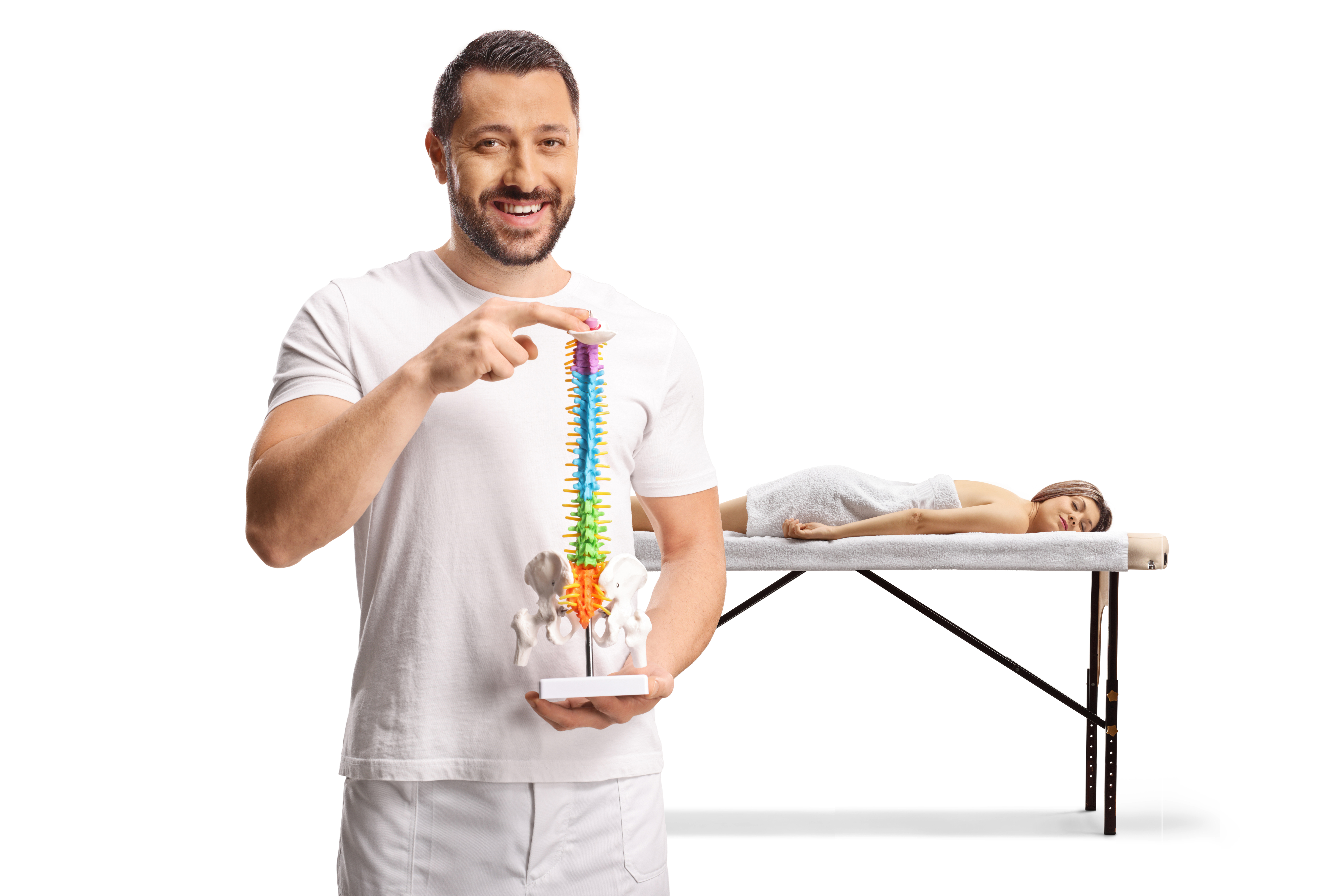
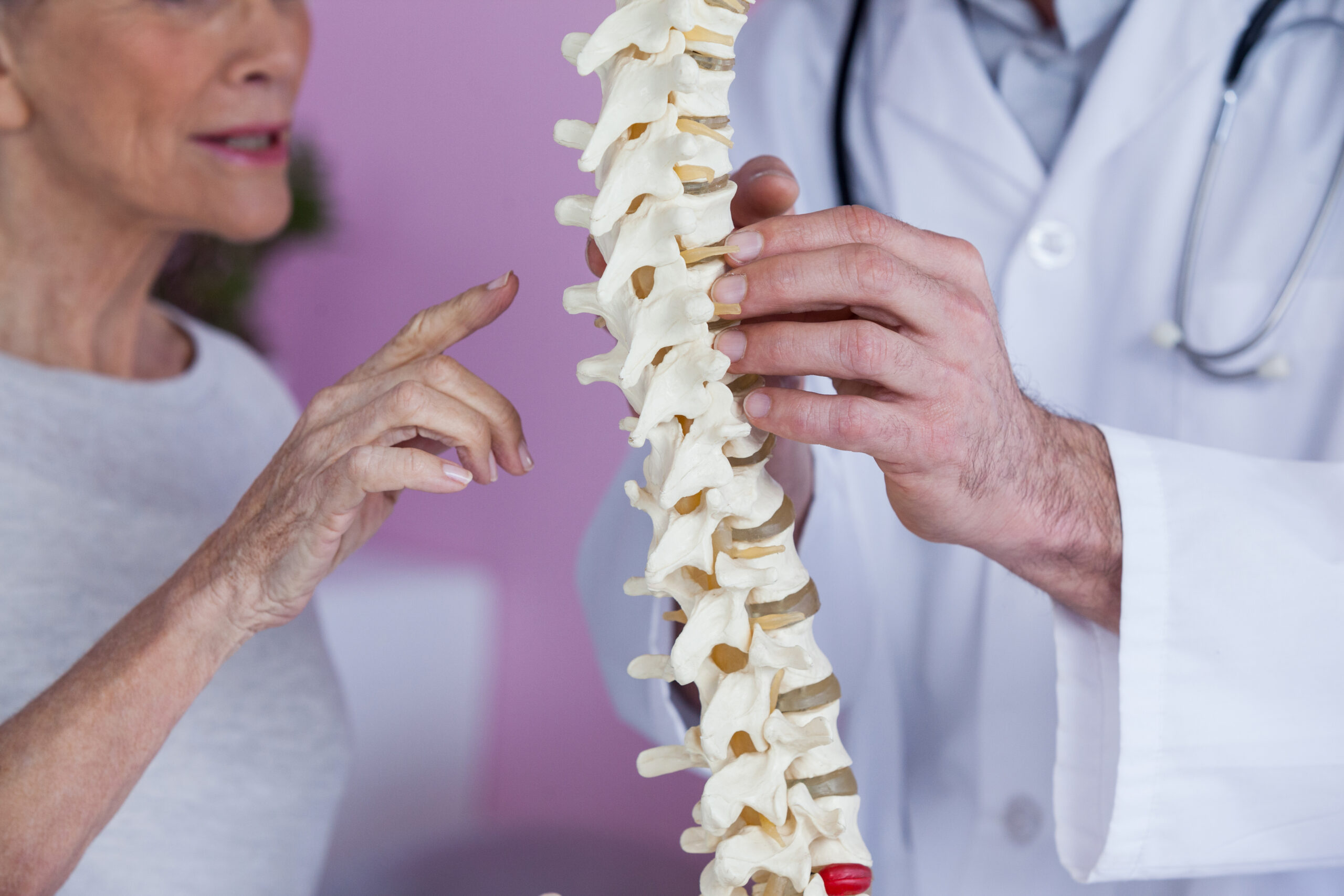
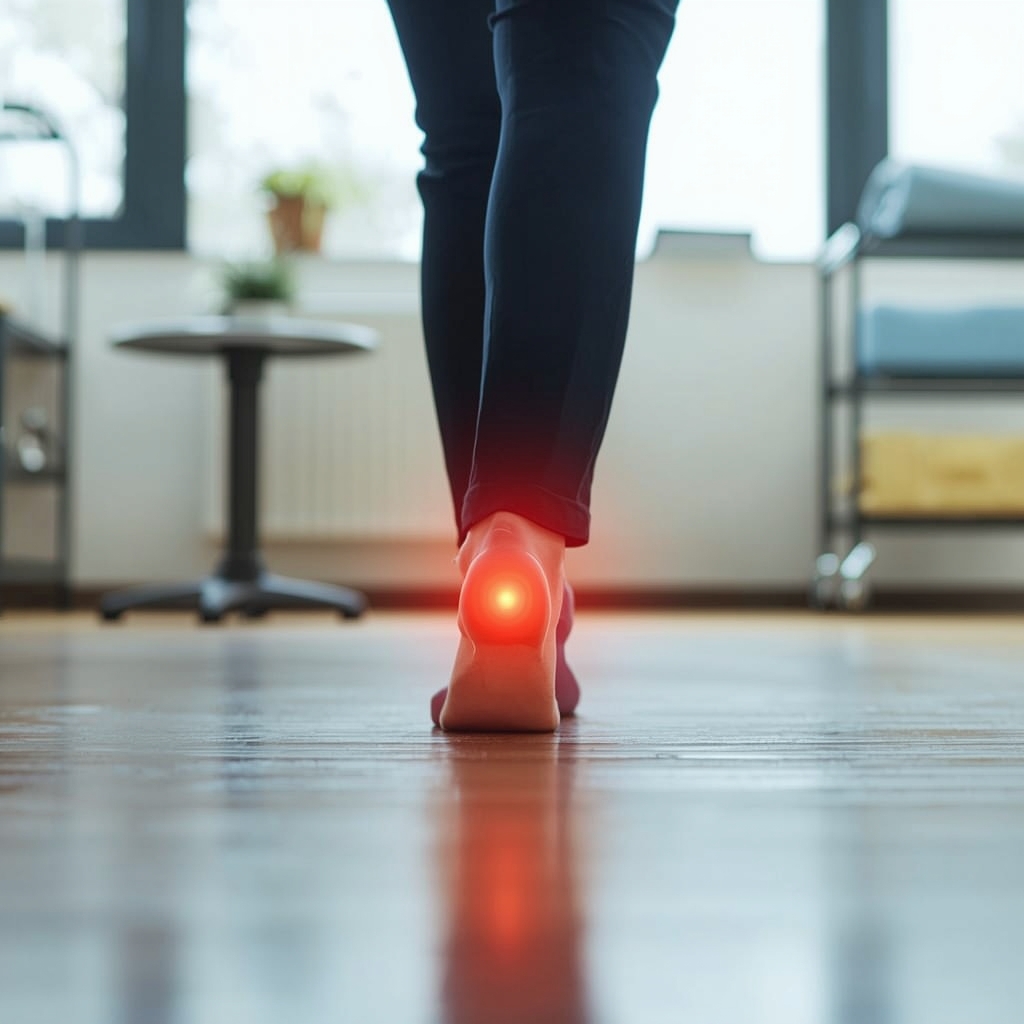
Plantar fasciitis, a common source of heel pain, often stems from biomechanical imbalances that affect the feet, ankles, and lower limbs. Gait analysis—assessing how a person walks—can reveal patterns such as overpronation, uneven weight distribution, or limited ankle mobility that contribute to excessive strain on the plantar fascia. Chiropractors recognize that foot mechanics are interconnected with spinal alignment and overall posture. By identifying these gait irregularities, chiropractors can address root causes beyond the foot, such as pelvic misalignment or hip instability, which may exacerbate foot pain. This holistic approach ensures treatments target both local and systemic factors, improving long-term outcomes for patients.
Gait Analysis: A Tool for Chiropractors
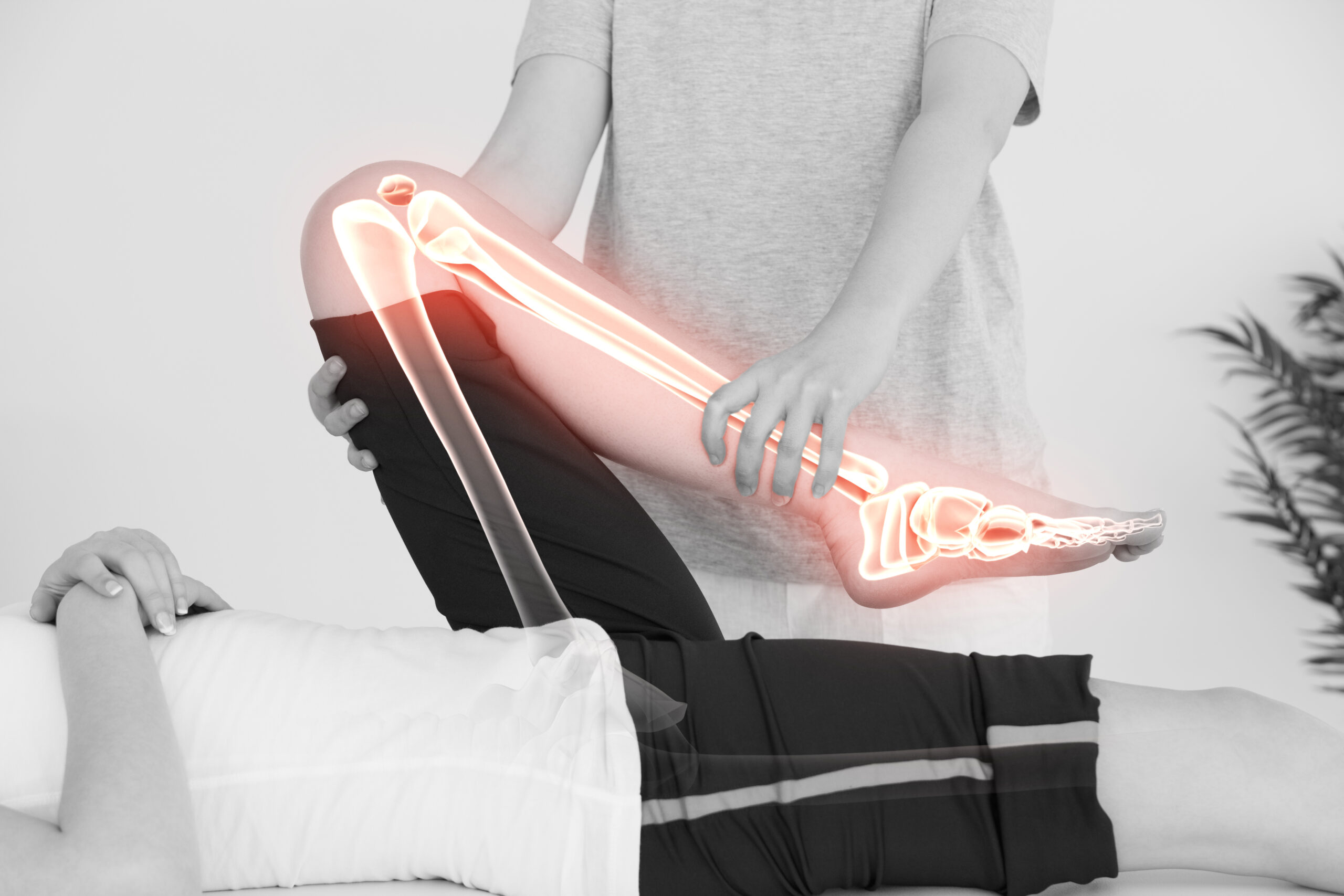
Gait analysis involves observing a patient’s walking pattern, often using visual assessment or advanced tools like pressure-sensitive mats or motion capture systems. Chiropractors use this technique to detect abnormalities that might go unnoticed during a routine exam. For example, excessive inward rolling of the feet (overpronation) can increase tension on the plantar fascia, while limited dorsiflexion (ankle mobility) may alter gait mechanics. By integrating gait analysis into their practice, chiropractors can create personalized care plans that address specific movement dysfunctions. This method aligns with chiropractic principles of treating the whole body, as gait deviations often reflect broader musculoskeletal imbalances that require correction for optimal recovery.
Foot Mechanics and Biomechanical Assessment
Foot mechanics play a critical role in plantar fasciitis, as structural and functional issues can directly impact the arch and heel. Chiropractors evaluate factors like arch height, toe alignment, and joint mobility to determine how the foot interacts with the ground. For instance, flat feet may lead to overstretching of the plantar fascia, while high arches can reduce shock absorption. Chiropractors may also assess the relationship between the feet and the pelvis, as imbalances in one area can affect the other. By combining biomechanical assessments with gait analysis, chiropractors can recommend interventions such as custom orthotics, footwear modifications, or targeted adjustments to restore proper function and alleviate pain.
Integrating Gait Analysis into Chiropractic Care
Chiropractors use gait analysis as part of a multidisciplinary approach to plantar fasciitis, pairing it with spinal adjustments, soft tissue therapies, and corrective exercises. For example, if gait analysis reveals hip instability, chiropractors might address this through manual adjustments or strength training to stabilize the lower body. They may also collaborate with podiatrists or physical therapists to ensure comprehensive care. This integration allows for a more precise diagnosis, as gait patterns can highlight issues that static exams might miss. By addressing both structural and functional impairments, chiropractors help patients achieve better mobility, reduce inflammation, and prevent future complications, making gait analysis an invaluable tool in their practice.
Case Studies and Practical Applications
Real-world examples demonstrate the effectiveness of gait analysis in plantar fasciitis treatment. A patient with chronic heel pain might show overpronation during gait analysis, leading to targeted adjustments and orthotic recommendations. Another case could involve a runner with limited ankle mobility, where gait analysis identifies compensatory movements that strain the plantar fascia. Chiropractors use these insights to design individualized plans, such as stretching routines, gait retraining, or muscle-strengthening exercises. While results vary, many patients report reduced pain and improved function after addressing gait-related issues. These applications underscore the value of gait analysis as a diagnostic and therapeutic tool, empowering chiropractors to offer more tailored and effective care for foot pain.
Conclusion: Enhancing Outcomes Through Gait-Centered Care
By incorporating gait analysis and foot mechanics into their practice, chiropractors can significantly improve outcomes for patients with plantar fasciitis. This approach allows for a deeper understanding of how movement patterns contribute to pain and dysfunction, enabling more precise interventions. While gait analysis is not a standalone solution, it complements traditional chiropractic techniques by addressing the root causes of foot pain. Patients benefit from a holistic, data-driven strategy that considers the interplay between the feet, spine, and overall biomechanics. As research continues to highlight the importance of movement in musculoskeletal health, chiropractors who adopt gait analysis are better equipped to provide comprehensive, patient-centered care that promotes lasting relief and mobility.