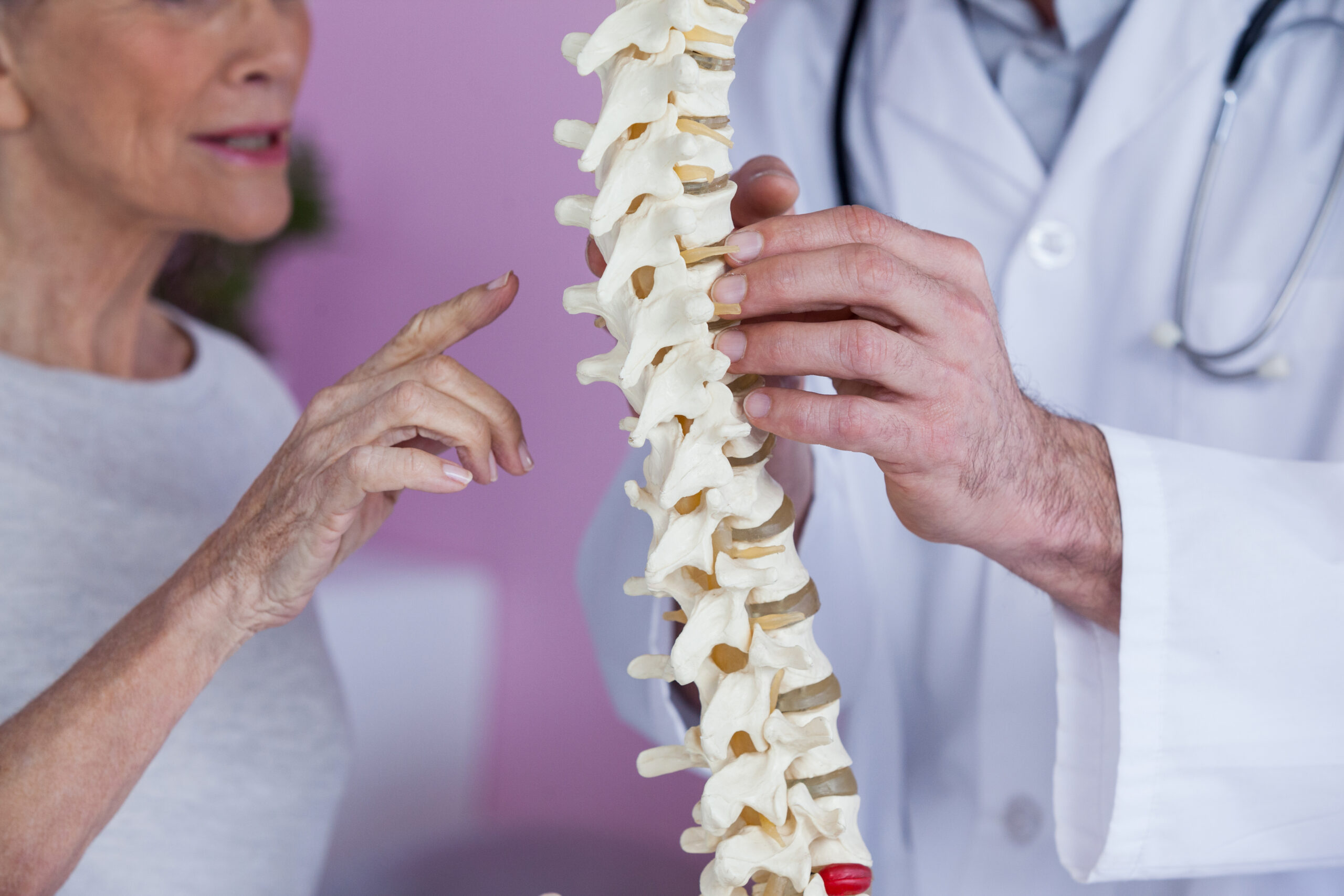
The Anatomical Connection Between Cervical Spine Misalignment and TMJ Pain
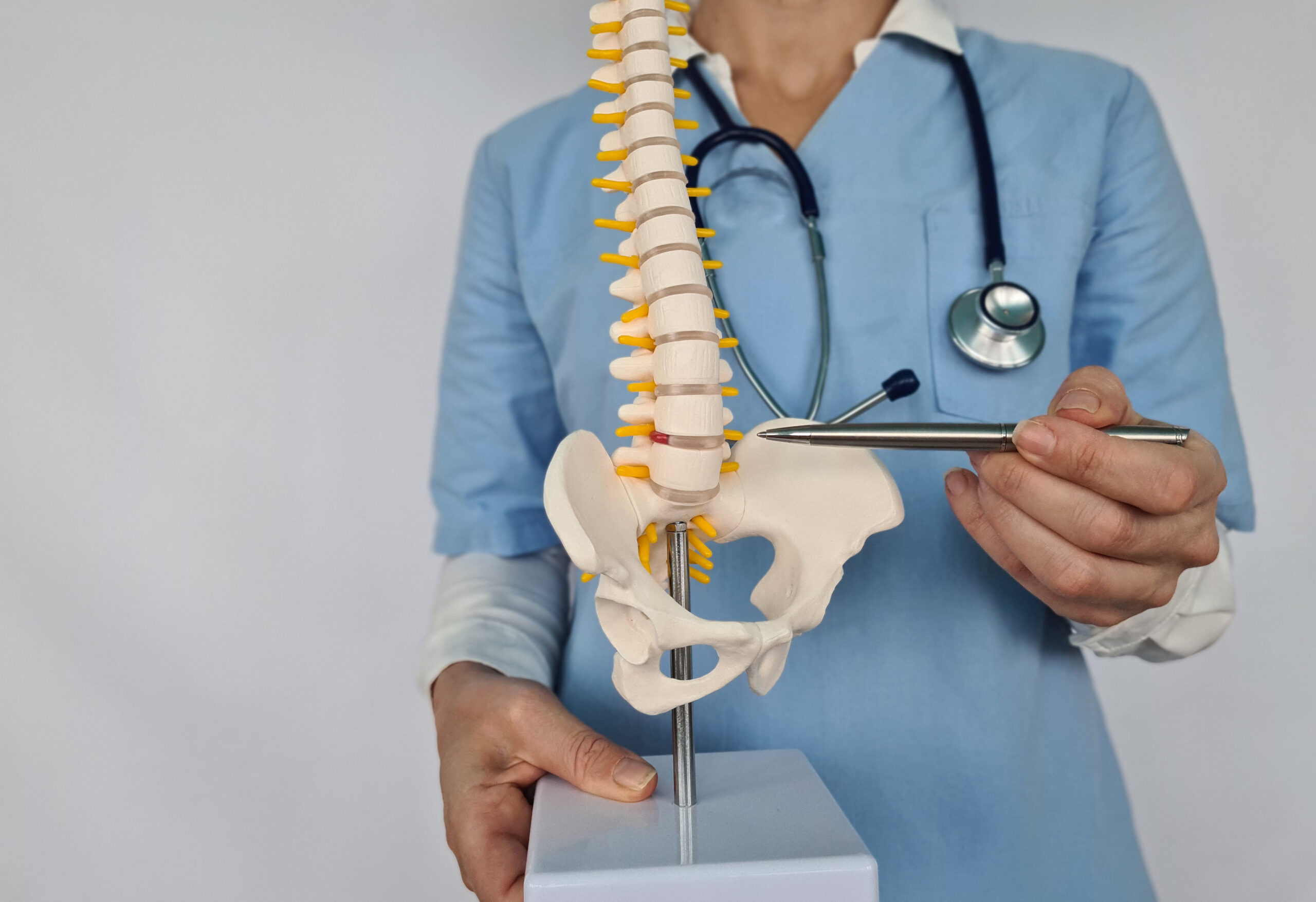
The cervical spine (neck) and temporomandibular joint (TMJ) share complex anatomical and functional relationships. The TMJ, located just below the ear, connects the jawbone to the skull, while the cervical spine supports head movement and protects the spinal cord. Misalignments in the cervical vertebrae can alter biomechanics, potentially affecting the TMJ through nerve pathways, muscle tension, or postural changes. For example, a forward head posture linked to cervical misalignment may strain the muscles around the jaw, contributing to TMJ discomfort. Understanding this connection helps explain why treating both areas simultaneously may yield better outcomes for patients experiencing overlapping symptoms.
How Cervical Spine Issues Can Contribute to TMJ Disorders
Cervical spine misalignments, or subluxations, can disrupt the body’s natural alignment and nerve function. This disruption may lead to compensatory patterns, such as clenching the jaw or grinding teeth, which are common in TMJ disorders. Additionally, irritated nerves in the cervical region can refer pain to the jaw area, mimicking TMJ symptoms. Muscle imbalances caused by cervical issues may also force the jaw into unnatural positions, increasing stress on the TMJ. These interactions highlight the importance of addressing both the neck and jaw when treating TMJ pain, as isolated approaches may fail to resolve underlying causes.
Chiropractic Techniques for Addressing Cervical and TMJ Dysfunction
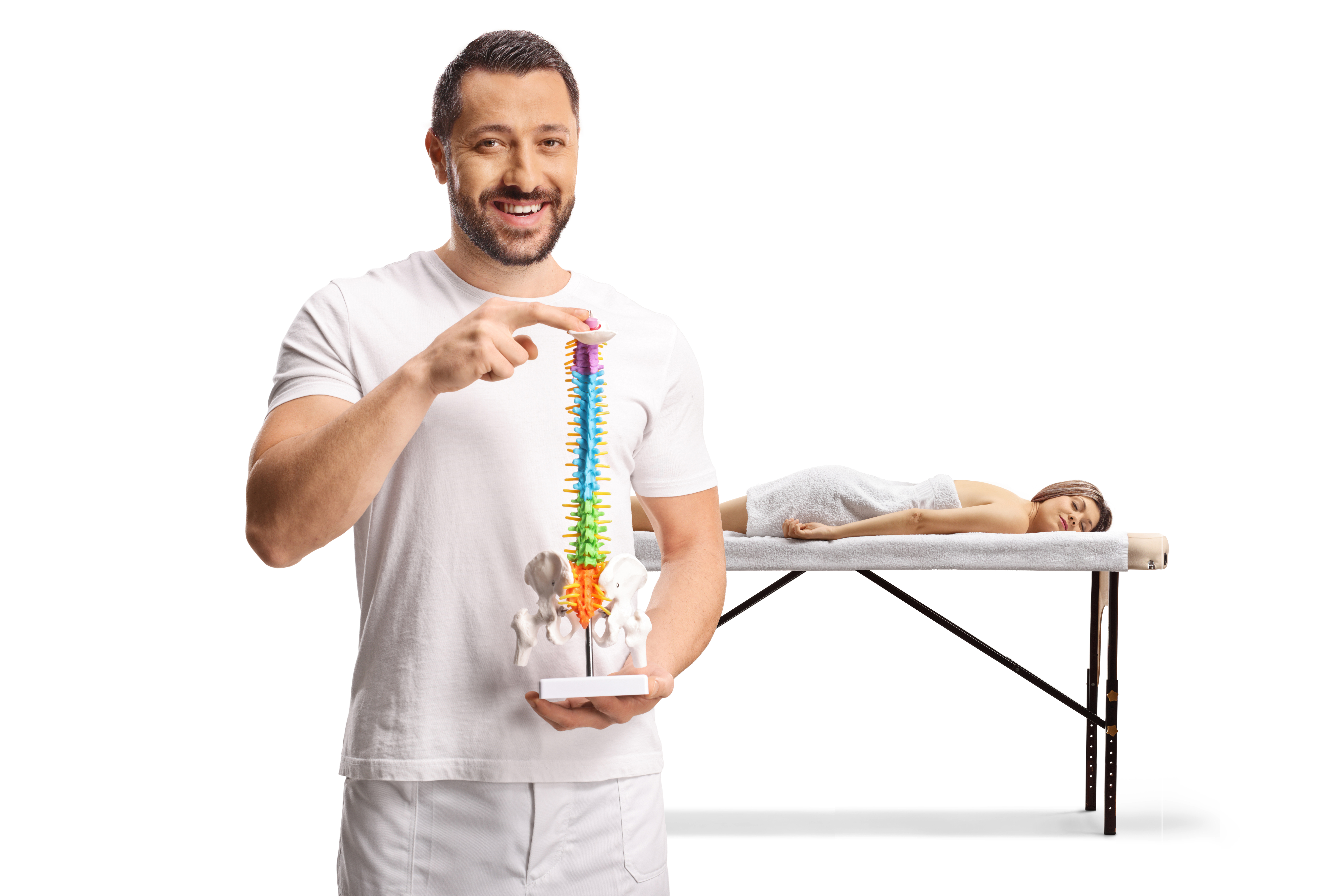
Chiropractors use a variety of techniques to correct cervical spine misalignments and alleviate TMJ pain. Spinal adjustments, such as diversified or activator methods, aim to restore proper alignment and nerve function in the neck. For TMJ-related issues, gentle manipulations of the jaw joint and surrounding muscles may reduce tension and improve mobility. Soft tissue therapies, like massage or myofascial release, can also ease muscle tightness contributing to both conditions. By combining these approaches, chiropractors seek to rebalance the body’s mechanics, reduce pain, and prevent future complications. Patients often report improved range of motion and reduced discomfort after integrated care.
Integrated Treatment Plans for Simultaneous Cervical and TMJ Care
Effective treatment often requires a holistic approach that addresses both the cervical spine and TMJ. Chiropractors may design personalized plans incorporating spinal adjustments, jaw-specific mobilizations, and lifestyle recommendations. For instance, correcting cervical misalignments can relieve nerve pressure that exacerbates TMJ symptoms, while targeted jaw therapy can reduce muscle strain. Patients might also receive guidance on posture, ergonomics, and stress management to support long-term recovery. This integrated strategy acknowledges the interconnected nature of the body’s systems, ensuring that treatments for one area do not inadvertently worsen another. Regular follow-ups allow adjustments to the plan as progress is made.
Benefits of Chiropractic Care for Combined Cervical and TMJ Issues
Chiropractic care offers non-invasive, drug-free solutions for patients dealing with both cervical spine and TMJ problems. By restoring proper alignment and function, chiropractors can reduce pain, improve mobility, and enhance overall quality of life. Many patients experience relief from headaches, neck stiffness, and jaw clicking or locking after treatment. Additionally, addressing the root causes rather than just symptoms may prevent chronic issues from developing. Chiropractors often collaborate with other healthcare providers to ensure comprehensive care, emphasizing the importance of a multidisciplinary approach. Patients are encouraged to communicate openly with their providers to tailor treatments to their specific needs.
When to Consult a Chiropractor for Cervical and TMJ Concerns
If you experience persistent neck pain, jaw discomfort, or difficulty opening your mouth, consult a chiropractor for an evaluation. These symptoms may indicate underlying misalignments or musculoskeletal imbalances that require professional attention. A chiropractor can perform a thorough assessment, including posture analysis and joint mobility tests, to identify contributing factors. They may also recommend diagnostic imaging or refer you to a specialist if needed. It’s important to seek care early to prevent complications and optimize outcomes. Remember, chiropractic treatments are tailored to individual needs, so discussing your symptoms and goals with a qualified provider is essential for effective care.