Understanding Piriformis Syndrome and Sacroiliac Joint Dysfunction
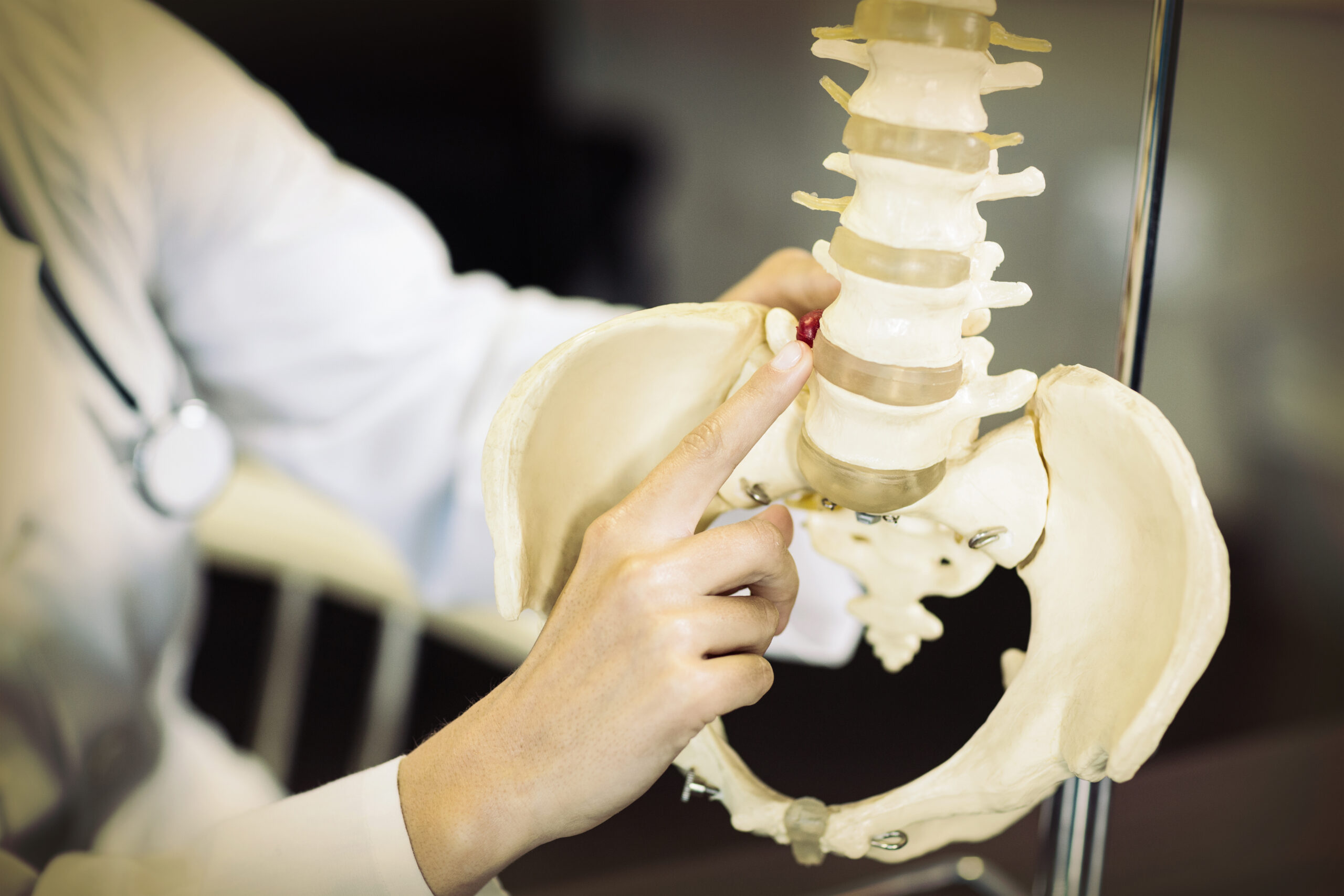
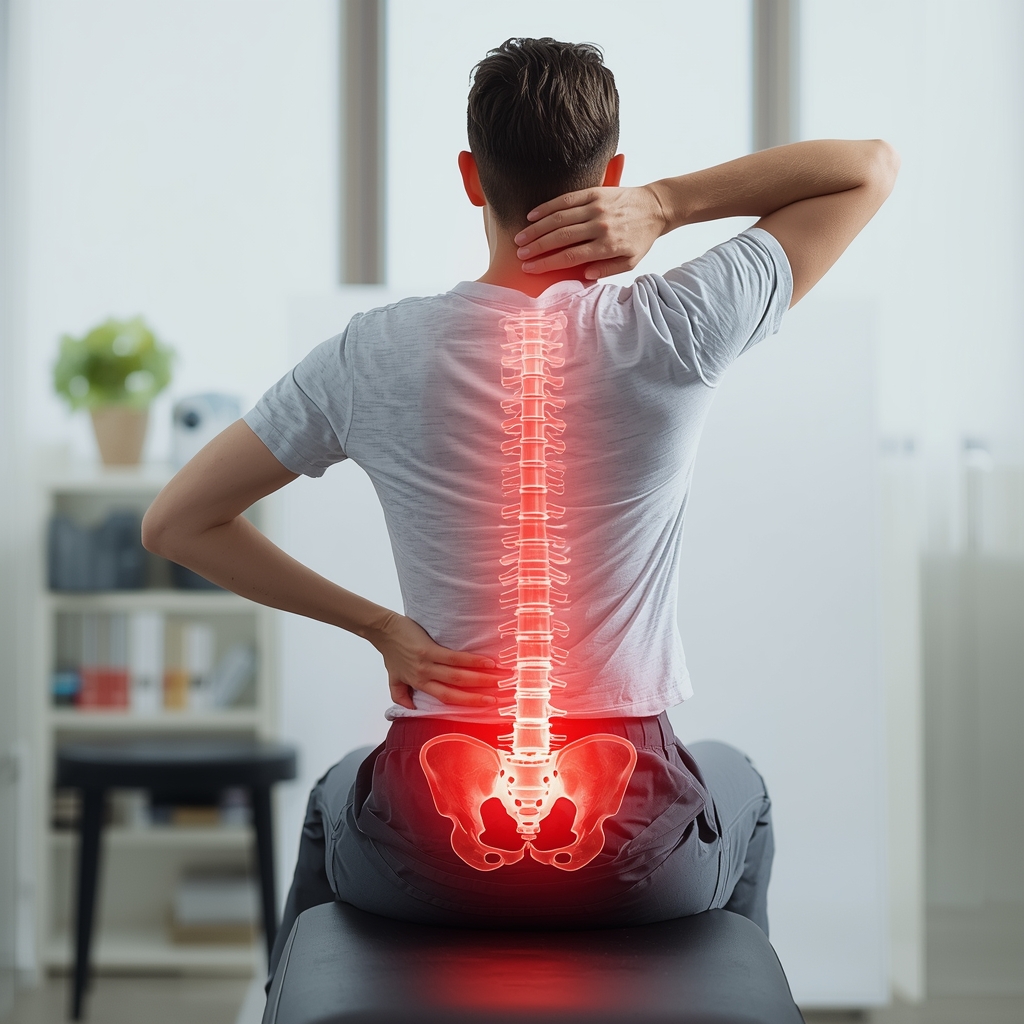
Piriformis syndrome occurs when the piriformis muscle, located in the buttocks, compresses the sciatic nerve, causing pain radiating down the leg. This condition often overlaps with sacroiliac (SI) joint dysfunction, where misalignment or instability in the SI joint contributes to lower back and hip discomfort. The interconnected nature of these issues means addressing both the muscle tension and joint mechanics is crucial for relief. Chiropractic care focuses on restoring balance to the musculoskeletal system, making it a potential treatment option for individuals experiencing these overlapping symptoms.
The Role of Sacroiliac Joint Realignment
Realigning the sacroiliac joint is a key strategy in managing piriformis syndrome. When the SI joint is misaligned, it can alter pelvic mechanics, increasing strain on the piriformis muscle. Chiropractors use specific adjustments to correct this misalignment, reducing pressure on the sciatic nerve and improving overall function. Techniques such as the diversified adjustment or the sacroiliac joint manipulation aim to restore proper joint motion and stability. By addressing the root cause of SI joint dysfunction, these adjustments can alleviate referred pain and promote long-term recovery.
Common Chiropractic Techniques for Piriformis Syndrome
Chiropractors employ a variety of adjustments to target piriformis syndrome. The high-velocity, low-amplitude (HVLA) thrust is frequently used to realign the SI joint, while soft tissue therapies like myofascial release may help relax the piriformis muscle. Some practitioners incorporate instrument-assisted techniques, such as the Activator method, to gently reposition the joint. Additionally, corrective exercises and posture adjustments are often recommended to support the spine’s natural alignment. These methods work synergistically to reduce nerve compression and restore mobility, though their effectiveness can vary based on individual needs.
Combining Adjustments with Adjunct Therapies
Chiropractic care for piriformis syndrome is often most effective when combined with other therapies. Soft tissue work, such as Active Release Technique (ART), can break up adhesions in the piriformis muscle, enhancing the benefits of joint realignment. Stretching routines, like the pigeon pose or hamstring stretches, may also be advised to maintain flexibility. In some cases, modalities like ultrasound or electrical stimulation are used to reduce inflammation. While these adjunct therapies complement adjustments, they should be tailored to the patient’s condition under professional guidance to avoid overuse or injury.
Personalized Treatment Plans for Optimal Outcomes
Each patient’s experience with piriformis syndrome and SI joint dysfunction is unique, requiring a customized approach. A chiropractor will conduct a thorough assessment, including posture analysis and range-of-motion tests, to identify specific areas of concern. Treatment plans may evolve over time, incorporating adjustments, rehabilitative exercises, and lifestyle modifications. For example, someone with a sedentary lifestyle might benefit from ergonomic adjustments, while an athlete may need sport-specific strengthening. Regular follow-ups ensure the plan remains effective as the body responds to care, emphasizing the importance of collaboration between patient and provider.
Consulting a Qualified Chiropractor for Guidance
While chiropractic adjustments can offer relief, they should always be performed by a licensed professional. A qualified chiropractor will evaluate the severity of the condition, rule out other potential causes, and recommend a safe, evidence-based treatment plan. Patients should communicate openly about their symptoms and goals to ensure the approach aligns with their needs. It’s also important to note that results may vary, and multiple sessions are often necessary for lasting improvement. By working with a trusted provider, individuals can explore the most suitable options for managing piriformis syndrome and SI joint dysfunction effectively.