Understanding Scoliosis and Degenerative Disc Disease in Adults
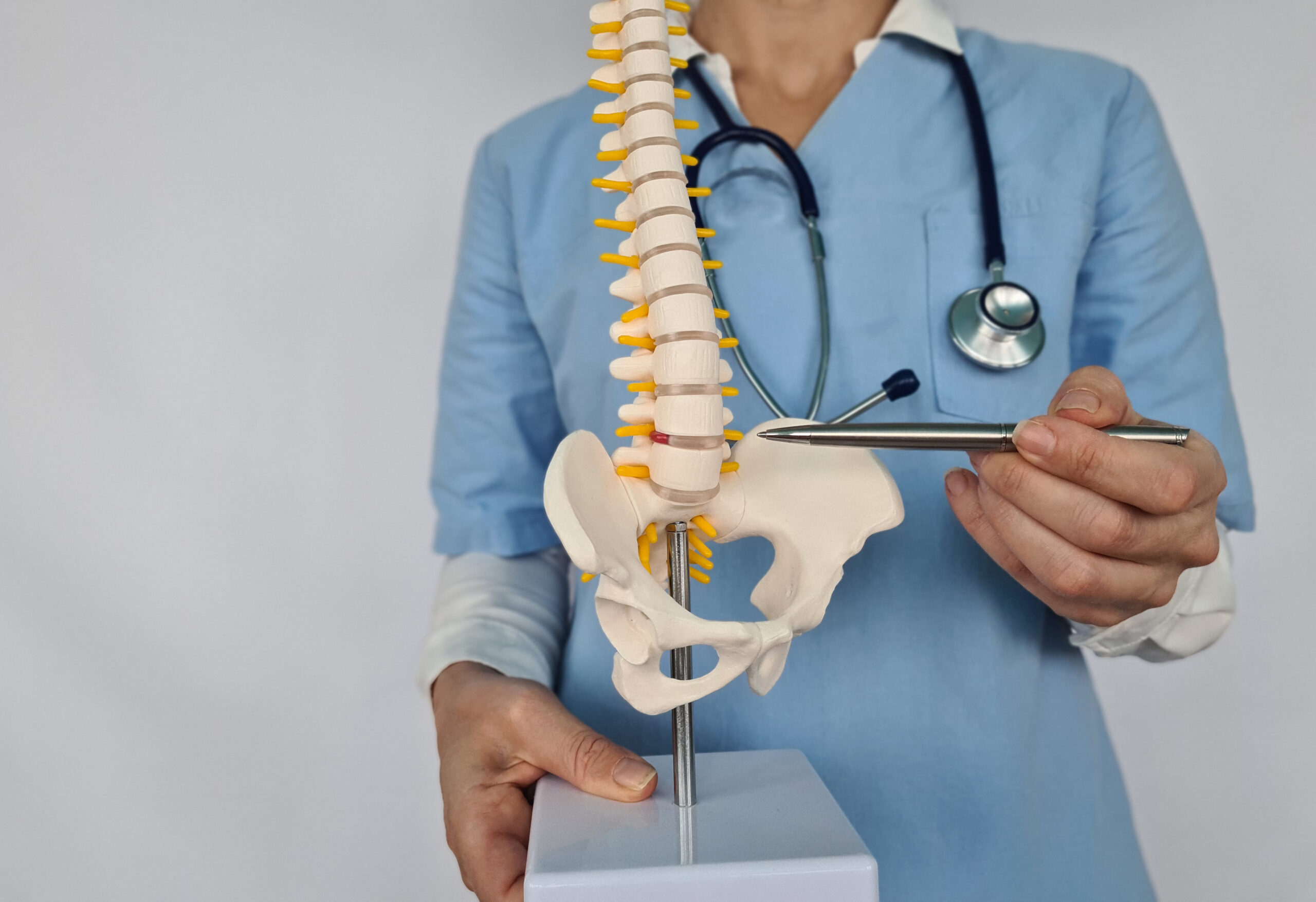
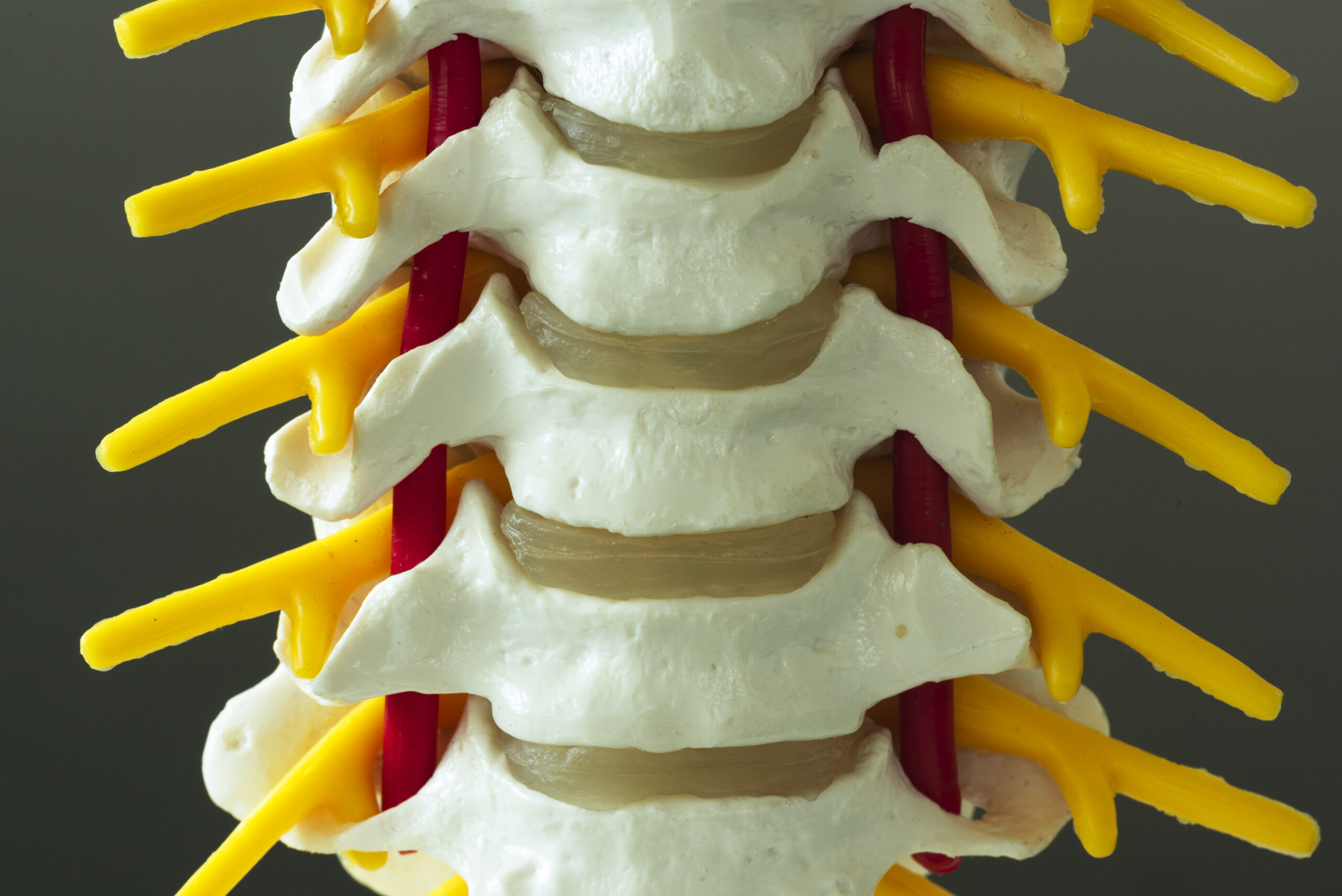
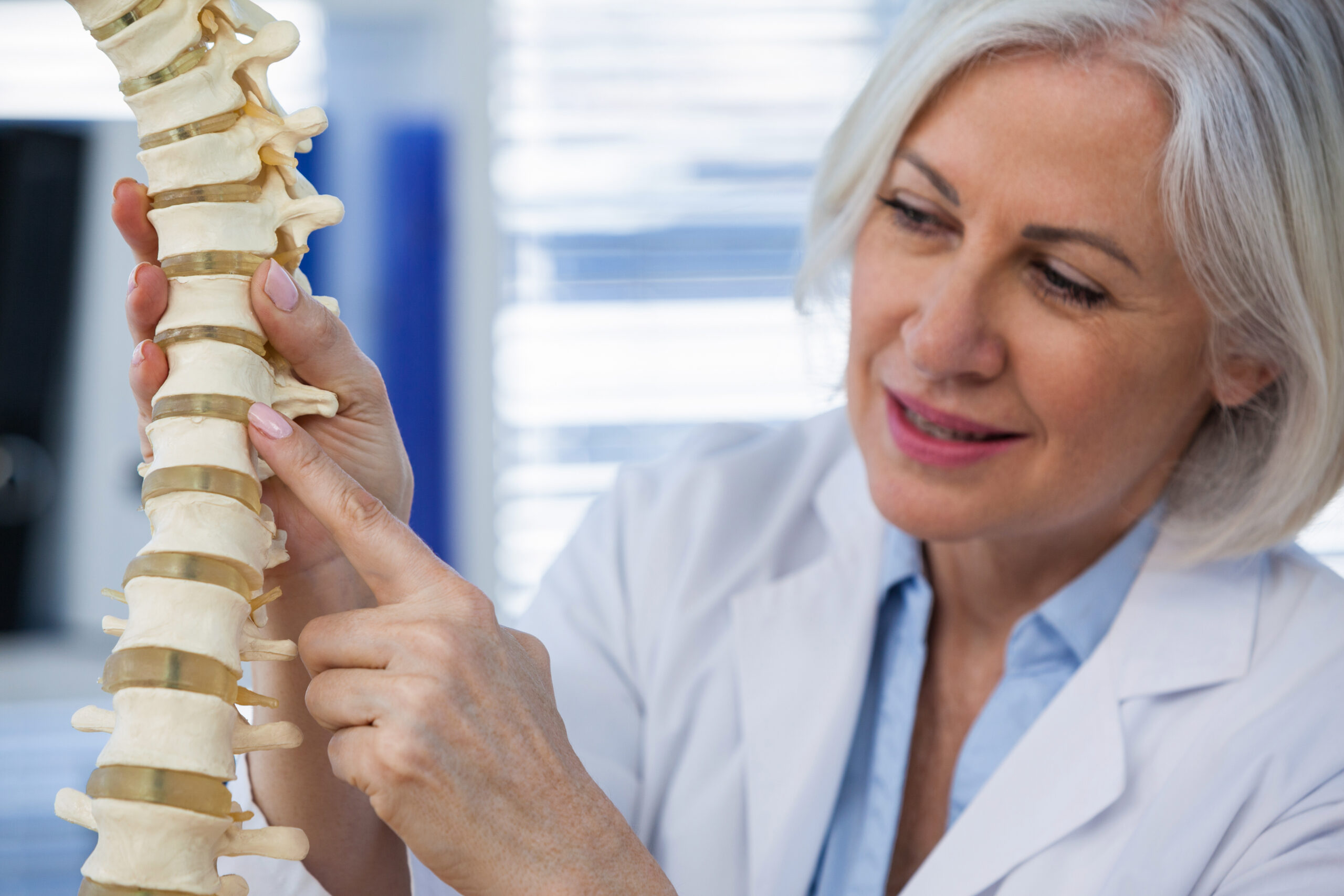
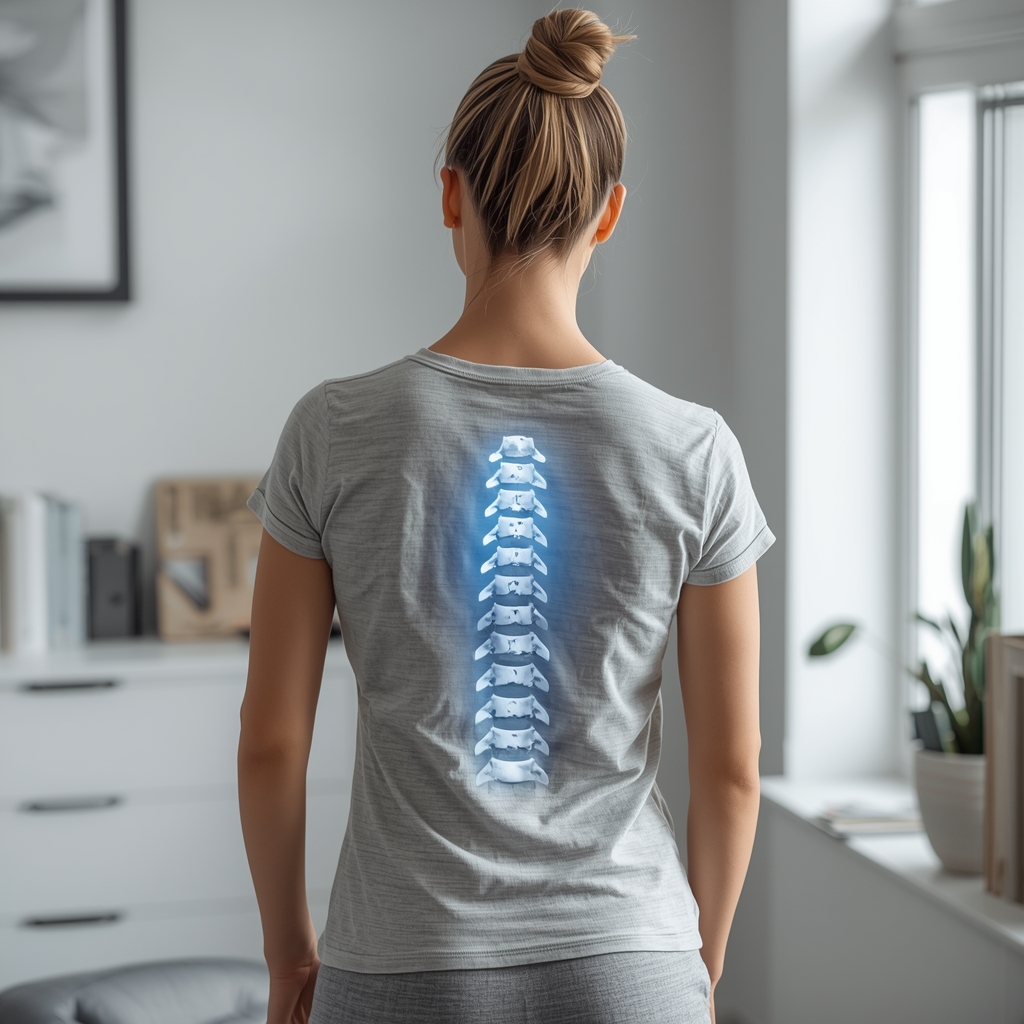
Scoliosis in adults often involves an abnormal spinal curvature that can worsen over time, while degenerative disc disease (DDD) refers to the gradual breakdown of spinal discs. These conditions frequently coexist, creating complex pain and mobility challenges. Scoliosis may lead to uneven disc wear, and DDD can exacerbate spinal misalignment. Together, they contribute to chronic back pain, nerve compression, and reduced quality of life. Managing both requires a tailored approach, as traditional treatments like medication or surgery may not address the root causes. Chiropractic care offers non-invasive options to alleviate symptoms and improve function, focusing on spinal alignment and disc health. Understanding the interplay between these conditions is critical for developing effective strategies that prioritize patient safety and long-term wellness.
Spinal Manipulation and Adjustments
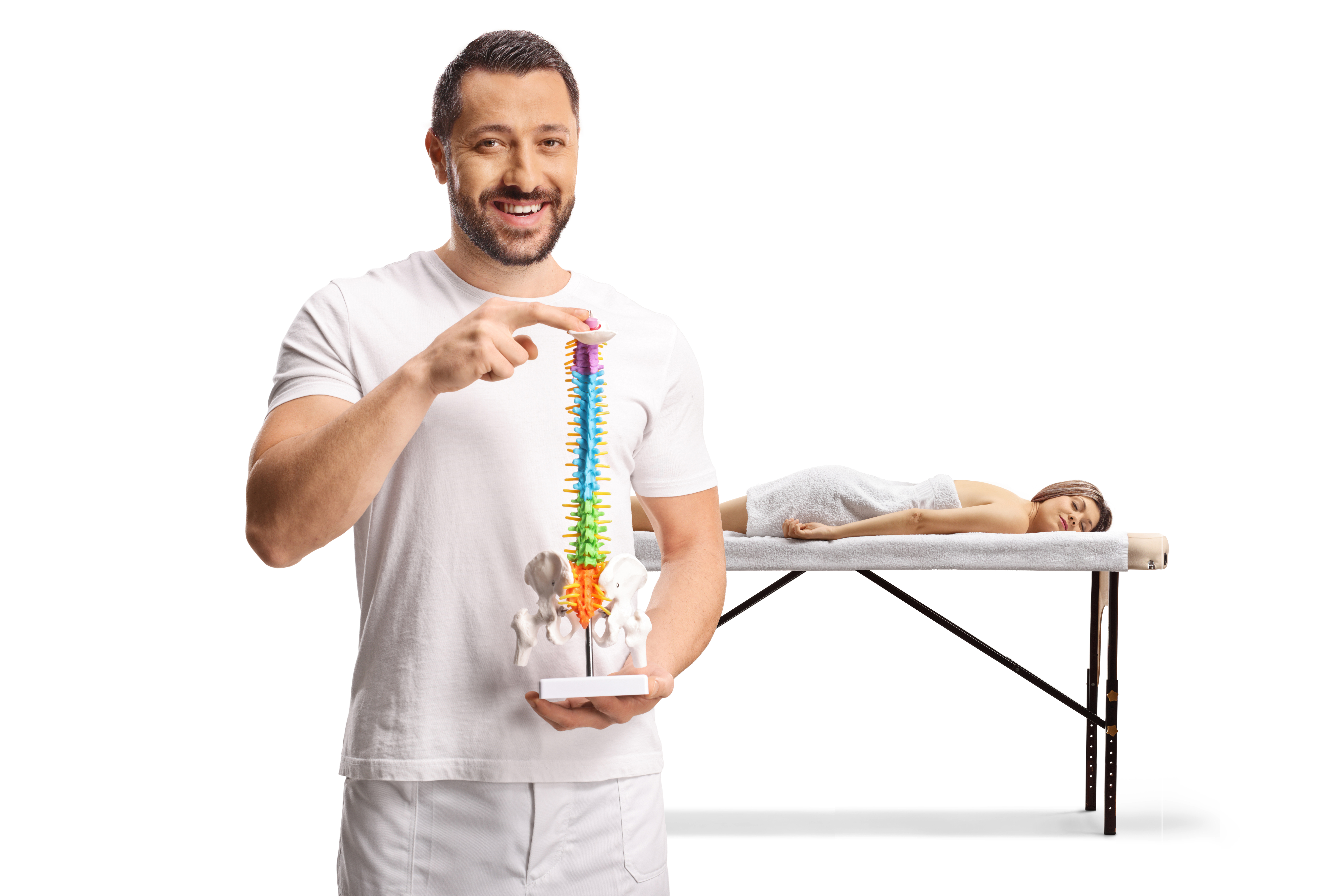
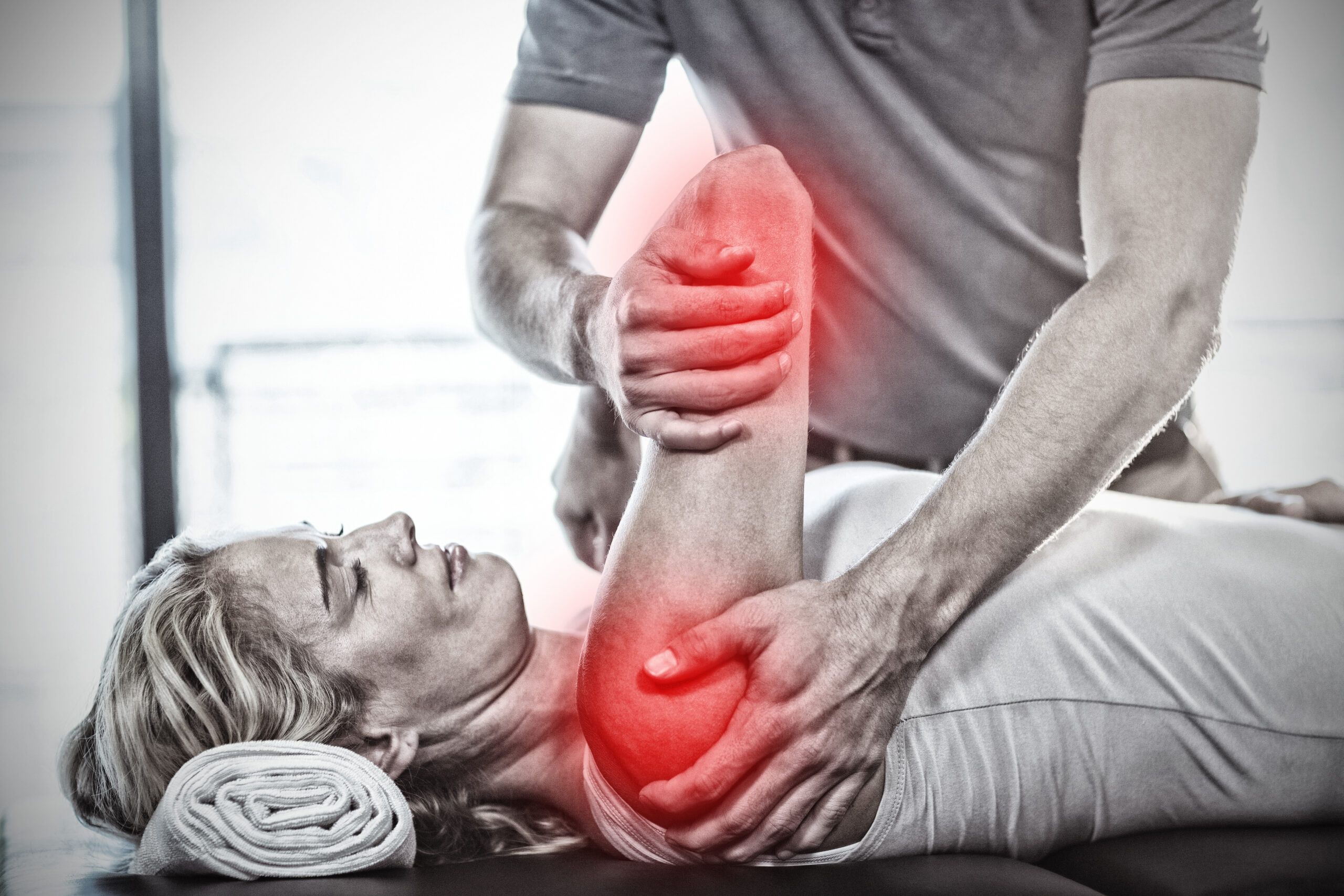
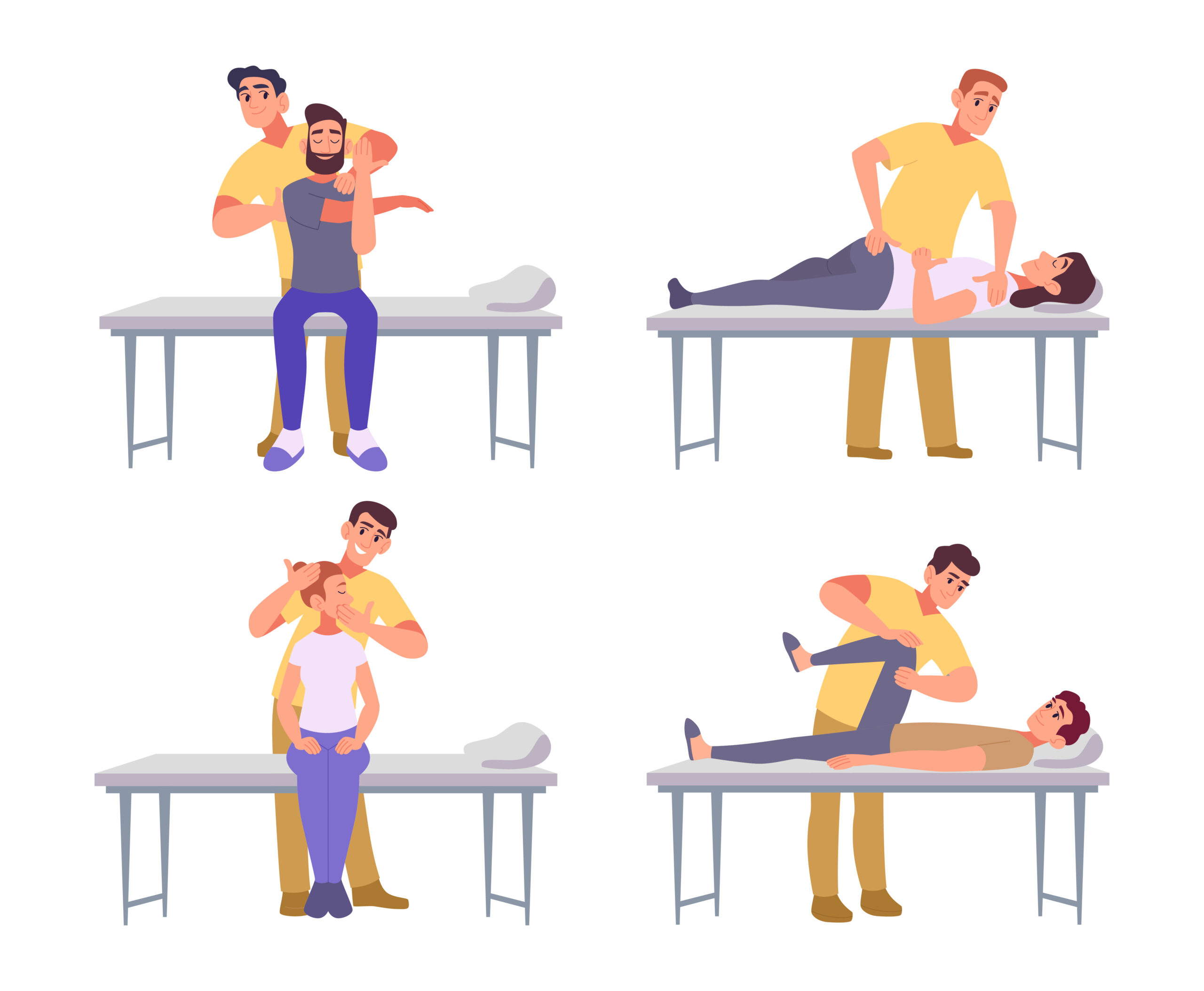
Spinal adjustments, a cornerstone of chiropractic care, aim to restore proper alignment and mobility to the spine. For adults with scoliosis and DDD, these techniques may help reduce nerve irritation and improve disc function by correcting subluxations. While not a cure, regular adjustments can ease pain and enhance posture. However, the severity of scoliosis and disc degeneration dictates the approach—gentler methods may be necessary to avoid exacerbating existing damage. Chiropractors often combine adjustments with other therapies to maximize benefits. Patients should work closely with providers to ensure techniques are safe and appropriate for their condition. The goal is to create a stable, balanced spine that supports better movement and reduces discomfort over time.
Decompression Therapy for Disc and Spinal Relief
Spinal decompression therapy uses controlled traction to relieve pressure on discs and nerves, making it a promising option for adults with DDD and scoliosis. By gently stretching the spine, this technique can reduce disc bulges, improve nutrient flow to discs, and alleviate nerve-related pain. For scoliosis, decompression may help counteract uneven pressure on the spine, potentially slowing curvature progression. While research on its effectiveness for scoliosis is limited, many patients report reduced pain and improved mobility. This therapy is typically part of a broader care plan, often paired with adjustments and exercises. It’s essential to seek a qualified chiropractor experienced in decompression to ensure proper technique and minimize risks, especially for those with advanced disc degeneration.
Soft Tissue Techniques for Muscle and Joint Support
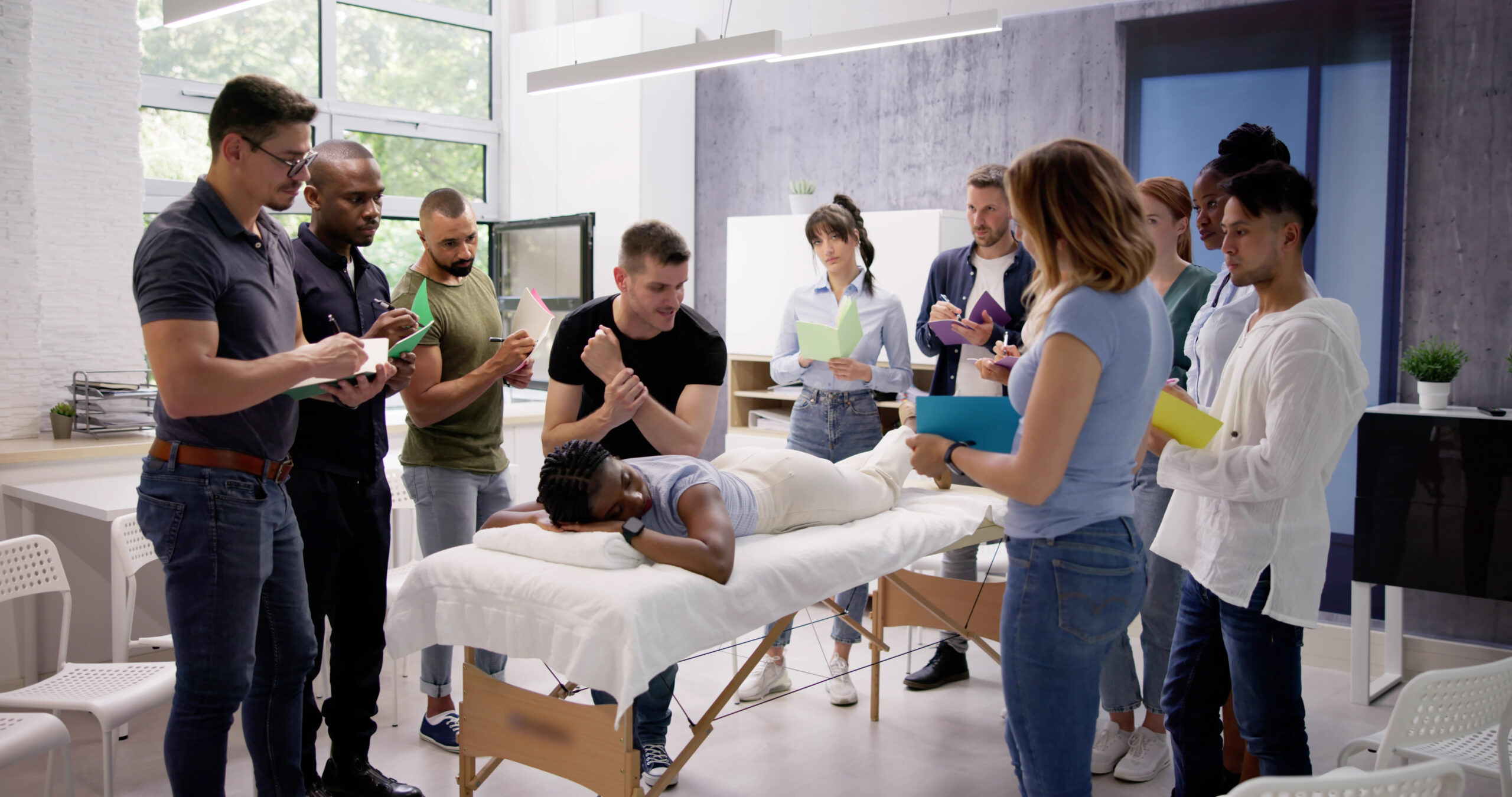
Soft tissue therapies, such as myofascial release and trigger point therapy, address muscle imbalances and tension that worsen scoliosis and DDD. These techniques target tight or inflamed muscles around the spine, reducing pain and improving flexibility. For adults with scoliosis, muscle asymmetry often contributes to spinal strain, and soft tissue work can help rebalance these patterns. When combined with spinal adjustments, these methods enhance overall mobility and reduce compensatory movements. They also support disc health by alleviating pressure from overworked muscles. Patients may experience immediate relief, though consistent sessions are usually needed for lasting results. A chiropractor can tailor these therapies to individual needs, ensuring they complement other treatment strategies safely.
Corrective Exercises for Posture and Spinal Stability
Corrective exercises are vital for adults with scoliosis and DDD, as they strengthen core muscles, improve posture, and stabilize the spine. These tailored routines address muscle imbalances caused by spinal curvature and disc degeneration, promoting better alignment. Exercises like pelvic tilts, cat-cow stretches, and resistance training can enhance spinal support and reduce pain. When integrated with chiropractic care, they reinforce the benefits of adjustments and decompression therapy. However, patients must avoid high-impact or improper movements that could strain the spine. A chiropractor or physical therapist can design a safe, progressive program to meet individual goals. Consistency is key, as these exercises help maintain long-term spinal health and functional independence.
Integrative Approaches and Patient Considerations
Managing scoliosis and DDD often requires a multifaceted approach, combining chiropractic care with other therapies. Patients should discuss their full medical history with a chiropractor to ensure safety, as severe scoliosis or advanced DDD may necessitate modified techniques. Integrating modalities like heat therapy, electrical stimulation, or acupuncture can enhance pain relief and recovery. Lifestyle factors—such as ergonomics, sleep position, and activity levels—also play a role in outcomes. Regular follow-ups allow for adjustments to the care plan as needs evolve. While chiropractic techniques can provide significant relief, they are most effective when part of a comprehensive strategy. Open communication with healthcare providers ensures a safe, personalized path to improved spinal health and quality of life.