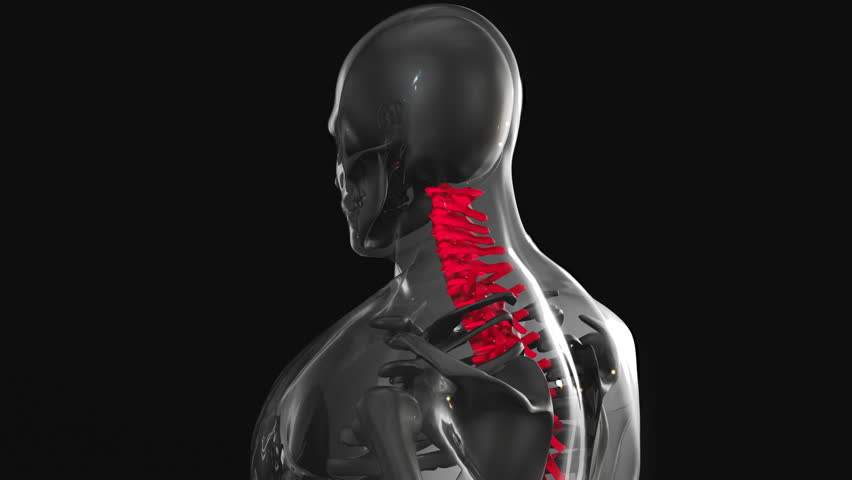
Understanding Thoracic Spine Pain
Thoracic spine pain affects the middle portion of the back, often linked to posture, muscle strain, or spinal misalignments. This area is less mobile than the cervical or lumbar regions, making it prone to stiffness and discomfort. Common causes include poor ergonomics, repetitive movements, or sudden injuries. Chronic pain may also stem from conditions like thoracic outlet syndrome or degenerative disc disease. While isolated pain is common, it can sometimes radiate to the chest or arms, mimicking other health issues. Addressing thoracic pain requires a multifaceted approach, as traditional treatments like rest or medication may not always provide lasting relief. Integrative methods, such as combining dry needling with spinal adjustments, offer a holistic way to target both structural and muscular contributors to discomfort.
What Is Dry Needling?
Dry needling is a technique where thin needles are inserted into specific points in the body to alleviate pain and improve function. Unlike acupuncture, which is rooted in traditional Chinese medicine, dry needling focuses on neuromuscular trigger points—tight, knotted areas in muscles. By stimulating these points, the therapy aims to release tension, enhance blood flow, and reduce inflammation. It is often used for conditions involving muscle pain, such as myofascial pain syndrome. The process is typically quick, with minimal discomfort, and may be recommended alongside other treatments. For thoracic spine pain, dry needling can target the muscles surrounding the rib cage and upper back, potentially easing pressure on the spine. However, it is most effective when administered by a trained professional who understands the anatomy of the thoracic region.
How Spinal Adjustments Work
Spinal adjustments, a cornerstone of chiropractic care, involve manual manipulation of the spine to correct misalignments and restore proper function. These adjustments aim to relieve nerve pressure, improve mobility, and reduce pain by realigning the vertebrae. For thoracic spine issues, adjustments can address restrictions in the mid-back that contribute to discomfort or limited movement. By restoring balance to the musculoskeletal system, adjustments may enhance overall posture and reduce strain on surrounding muscles. The procedure is generally safe when performed by a licensed chiropractor, though some patients may experience temporary soreness. While adjustments target the spine itself, they can also indirectly influence soft tissues, making them a valuable component of a broader treatment plan for chronic or recurring thoracic pain.
Combining Dry Needling and Spinal Adjustments
Integrating dry needling with spinal adjustments can create a more comprehensive approach to thoracic pain. Dry needling addresses muscle tension and trigger points that may hinder the effectiveness of adjustments, while spinal adjustments correct structural imbalances that contribute to pain. This dual strategy can enhance mobility, reduce inflammation, and promote faster recovery. For example, dry needling might relax tight muscles around the thoracic spine, allowing adjustments to be more effective and less painful. Conversely, adjustments can improve joint alignment, potentially reducing the recurrence of muscle knots. Together, these techniques may offer prolonged relief and improved function. However, the success of this combination depends on the patient’s specific condition and the expertise of the practitioner. A personalized treatment plan is essential to maximize benefits and ensure safety.
Patient Considerations and Safety
Before integrating dry needling with spinal adjustments, patients should consult a qualified chiropractor to assess their suitability. Individuals with certain medical conditions, such as bleeding disorders or infections, may need to avoid dry needling. Similarly, those with severe osteoporosis or spinal instability should discuss risks with their provider. It is crucial to choose a practitioner trained in both techniques to ensure proper execution and minimize complications. While generally safe, some patients may experience mild side effects like temporary soreness or bruising. Open communication with the healthcare team is vital to address concerns and adjust the treatment plan as needed. Patients should also be aware that results vary, and multiple sessions may be required for optimal outcomes. This combined approach is not a substitute for medical advice but a complementary option to explore under professional guidance.
Conclusion
Combining dry needling with spinal adjustments offers a promising approach to managing thoracic spine pain by addressing both muscular and structural factors. This integrative method can enhance mobility, reduce discomfort, and support long-term recovery. However, its effectiveness depends on individual circumstances and the expertise of the care provider. Patients considering this option should prioritize working with licensed professionals who can tailor the treatment to their needs. As with any healthcare decision, open dialogue with a chiropractor is essential to weigh potential benefits and risks. By exploring complementary therapies, individuals may find a more holistic path to relief and improved quality of life.