Understanding the Risks of Repetitive Strain in Remote Work
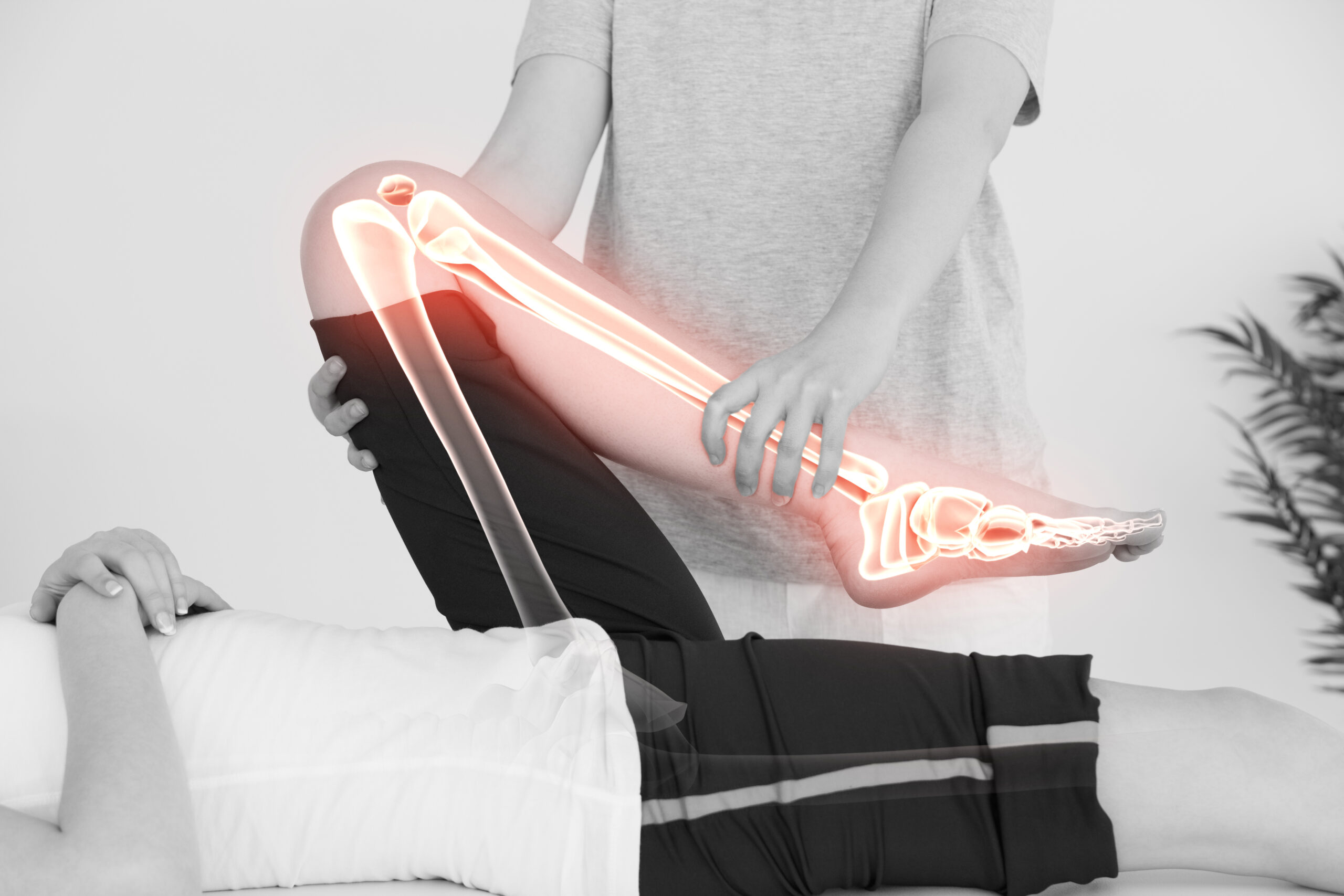
Remote work has become increasingly common, but it often leads to repetitive strain injuries (RSIs) due to prolonged static postures and repetitive motions. Common issues include tech neck, carpal tunnel syndrome, and shoulder tension. These injuries stem from poor ergonomic setups, such as improperly positioned monitors, keyboards, or chairs. Chiropractors emphasize that even small adjustments to workspaces can significantly reduce strain on the musculoskeletal system. By addressing these risk factors early, remote workers can prevent chronic pain and maintain long-term mobility. A chiropractor’s role is to identify postural imbalances and recommend tailored ergonomic solutions to support the body’s natural alignment.
Optimizing Workspace Setup for Ergonomic Health
A well-designed workspace is foundational to preventing RSIs. The monitor should be at eye level to avoid forward head posture, which strains the neck and upper back. Keyboards and mice should be positioned so the arms form 90-degree angles at the elbows, reducing shoulder and wrist strain. Chairs with lumbar support help maintain the spine’s natural curve, while footrests ensure proper leg positioning. Adjustable desks that allow standing or sitting alternately promote movement and reduce static load. Chiropractors often advise remote workers to assess their setup for these elements, as even minor adjustments can alleviate pressure on joints and muscles, fostering a healthier work environment.
Posture Correction and Body Alignment
Proper posture is critical for preventing RSIs, as poor alignment places unnecessary stress on the spine and surrounding tissues. Chiropractors recommend maintaining a neutral spine by keeping the ears, shoulders, and hips aligned. This reduces compression on spinal discs and minimizes strain on neck and back muscles. Workers should avoid slouching or hunching over keyboards, which can lead to rounded shoulders and forward head posture. Using a supportive chair with a high back and adjustable armrests can reinforce good posture. Additionally, regular self-checks—such as pausing to adjust sitting position—help reinforce mindful habits that protect against cumulative strain over time.
Choosing the Right Ergonomic Equipment
Selecting appropriate equipment is a key step in ergonomic optimization. Ergonomic chairs with adjustable lumbar support, breathable fabric, and seat depth can accommodate various body types and promote better posture. Standing desks or sit-stand workstations encourage movement, reducing the risks associated with prolonged sitting. Ergonomic keyboards and trackballs are designed to minimize wrist flexion, while vertical mice reduce forearm rotation. Chiropractors often guide patients in choosing equipment that aligns with their specific needs, ensuring tools support rather than hinder natural body mechanics. Investing in quality ergonomic products can lead to long-term comfort and injury prevention.
Incorporating Movement and Breaks
Regular movement is essential for combating the sedentary nature of remote work. Chiropractors advise taking short breaks every 30–60 minutes to stretch, walk, or perform gentle exercises. The 20-20-20 rule—looking away from the screen every 20 minutes for 20 seconds at something 20 feet away—helps reduce eye strain and encourages posture shifts. Dynamic movements like shoulder rolls, neck stretches, or seated twists can relieve tension in overused muscles. By integrating these habits, remote workers can counteract the negative effects of prolonged static positions. Chiropractors often recommend personalized movement routines to address individual risk factors and promote overall musculoskeletal health.
Consulting a Chiropractor for Personalized Guidance
While general ergonomic principles apply to most remote workers, individual needs vary. A chiropractor can assess a patient’s posture, movement patterns, and work environment to provide tailored recommendations. They may identify underlying issues, such as muscle imbalances or joint restrictions, that contribute to strain. Chiropractors can also suggest corrective exercises or adjustments to address these concerns. Regular check-ins with a chiropractor ensure that ergonomic strategies remain effective as work habits evolve. By combining professional guidance with proactive self-care, remote workers can create a sustainable, injury-free work routine that supports long-term wellness.