Understanding Spinal Misalignment in Horses
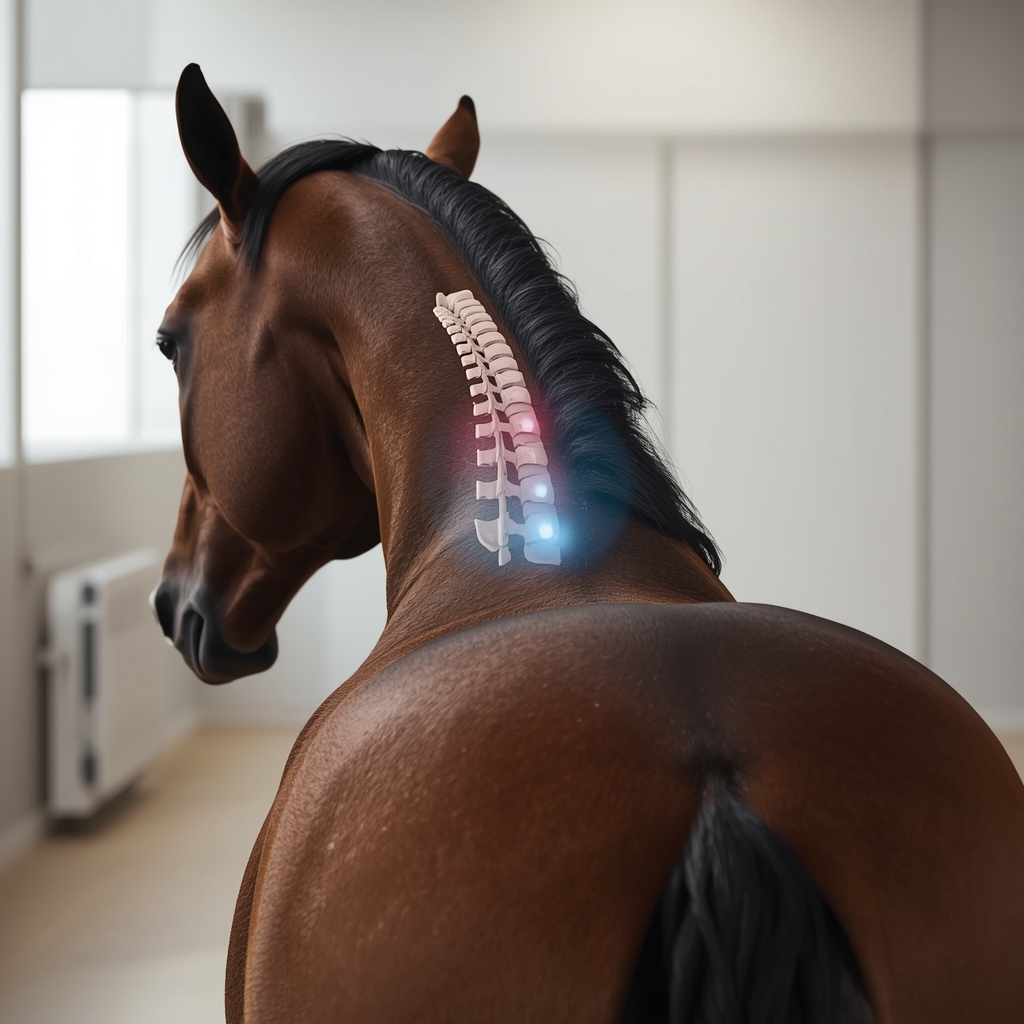
Spinal misalignment in horses occurs when the vertebrae in their spine shift out of proper alignment, potentially affecting nerve function and musculoskeletal health. The equine spine is a complex structure that supports movement, balance, and overall physical performance. Misalignments can result from various factors, including trauma, repetitive strain, poor saddle fit, or natural aging. While some horses may show obvious signs of discomfort, others might exhibit subtle changes in behavior or performance. Regular monitoring of a horse’s posture, gait, and demeanor is essential for early detection. Chiropractic care focuses on identifying and correcting these imbalances to restore optimal function. By addressing misalignments, equine chiropractors aim to enhance mobility, reduce pain, and support the horse’s ability to perform at its best. This approach complements traditional veterinary care and is often used alongside other therapies to promote holistic wellness.
Recognizing Common Signs of Spinal Misalignment
Horses with spinal misalignments may display a range of physical and behavioral indicators. Physical signs include lameness, stiffness, or uneven muscle development, particularly along the back or hindquarters. Gait abnormalities, such as head tossing, resistance to rein contact, or difficulty bending, can also signal underlying issues. Behavioral changes, like reluctance to move, irritability, or decreased performance, may point to discomfort. Horses might also show sensitivity to touch along the spine or exhibit postural imbalances, such as leaning to one side. These symptoms can vary in severity and may develop gradually, making them easy to overlook. Owners should pay attention to any persistent changes in their horse’s movement or attitude. Early recognition is key to addressing misalignments before they worsen. Regular checkups with a qualified equine chiropractor can help identify subtle issues and prevent long-term complications. Understanding these signs empowers horse owners to seek timely intervention and support their animal’s well-being.
Impact of Spinal Misalignment on Performance and Mobility
Spinal misalignments can significantly affect a horse’s performance and mobility by disrupting the nervous system’s communication with muscles and joints. This disruption may lead to reduced range of motion, decreased coordination, and increased risk of injury. Horses may struggle with tasks that require balance, such as jumping or lateral movements, due to compromised stability. Pain or discomfort from misalignments can also cause the horse to adopt compensatory movement patterns, which may further strain other areas of the body. Over time, these issues can hinder athletic performance, making it difficult for the horse to maintain speed, agility, or precision. Additionally, chronic misalignments may contribute to fatigue, as the horse works harder to compensate for inefficiencies. Owners and trainers often notice a decline in the horse’s enthusiasm or responsiveness, which can impact training and competition outcomes. Addressing spinal health proactively helps maintain the horse’s physical capabilities and ensures it can perform comfortably and effectively.
How Chiropractic Care Addresses Spinal Misalignments
Equine chiropractic care involves gentle, targeted adjustments to realign the spine and restore proper function. A qualified chiropractor uses manual techniques to identify and correct misalignments, focusing on the horse’s specific needs. These adjustments aim to relieve pressure on nerves, improve joint mobility, and enhance overall musculoskeletal health. The process is typically painless and non-invasive, with many horses showing immediate signs of relief. Chiropractors may also incorporate soft tissue therapies, stretching, or exercise recommendations to support long-term recovery. By addressing the root cause of discomfort, chiropractic care can reduce pain and improve the horse’s ability to move freely. Regular sessions help maintain spinal health and prevent recurring issues. This approach works synergistically with veterinary care, offering a holistic solution for horses experiencing mobility challenges. Owners often report improved behavior, increased flexibility, and better performance following consistent chiropractic treatment.
Benefits of Regular Chiropractic Adjustments for Horses
Regular chiropractic adjustments offer numerous benefits for horses, from pain relief to enhanced performance. By maintaining proper spinal alignment, these sessions can reduce discomfort and improve the horse’s overall mobility. Horses often experience increased flexibility and range of motion, which supports athletic activities and daily movement. Chiropractic care also promotes better nerve function, allowing the body to communicate more efficiently and respond to physical demands. This can lead to improved coordination, balance, and muscle strength. Additionally, consistent adjustments may help prevent injuries by addressing minor imbalances before they escalate. Horses may become more responsive to training and show greater enthusiasm for work. Owners frequently note a calmer demeanor and improved posture in their animals after treatment. These benefits highlight the value of integrating chiropractic care into a horse’s wellness routine. It provides a non-invasive, drug-free option for maintaining health and optimizing performance.
When to Seek a Qualified Equine Chiropractor
If a horse exhibits signs of discomfort, such as stiffness, lameness, or behavioral changes, it may be time to consult a qualified equine chiropractor. These professionals are trained to assess and treat spinal misalignments using specialized techniques tailored to horses. Owners should seek care if their horse shows persistent issues that don’t improve with rest or basic veterinary treatment. Chiropractic care is often recommended for performance horses, show animals, or those recovering from injuries. It’s also beneficial for older horses experiencing age-related mobility challenges. Before scheduling an appointment, it’s important to verify the chiropractor’s credentials and experience with equine patients. A thorough examination will help determine the best course of action. Chiropractic treatment is most effective when combined with regular veterinary checkups and proper care. By addressing spinal health proactively, horse owners can support their animal’s well-being and ensure they remain comfortable and active throughout their lives.