Common Musculoskeletal Issues in Dogs
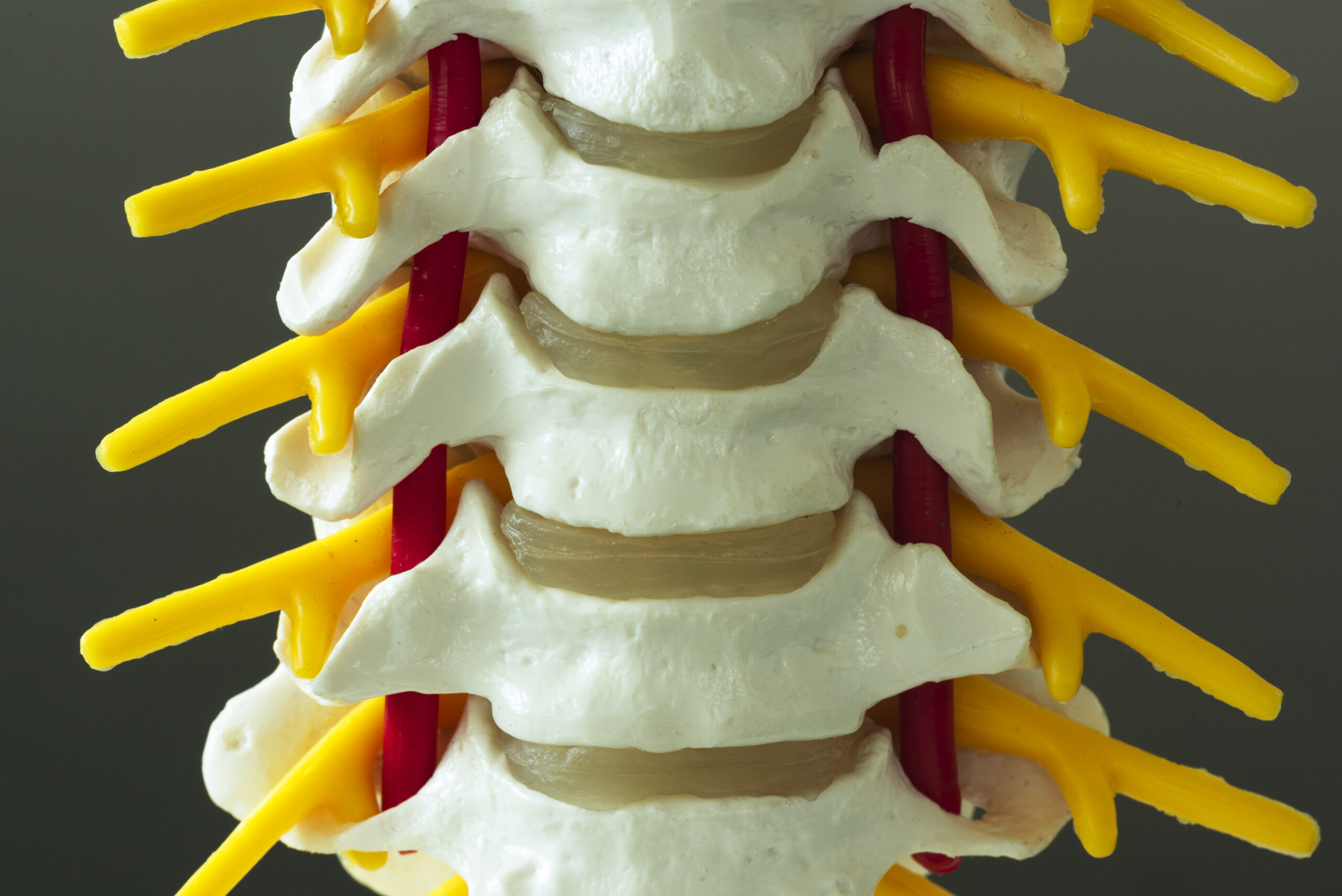
Canine musculoskeletal issues often include conditions like hip dysplasia, intervertebral disc disease (IVDD), arthritis, and lameness. These problems can stem from genetics, aging, injury, or overuse. Hip dysplasia involves abnormal joint development, leading to instability and pain. IVDD affects the spinal discs, causing nerve compression and mobility issues. Arthritis, common in older dogs, results from joint wear and tear. Lameness, often due to injuries or congenital conditions, impacts gait and comfort. Chiropractic care may address these issues by improving spinal alignment and reducing nerve interference, but a qualified practitioner should evaluate each case.
Diagnosing Canine Musculoskeletal Conditions
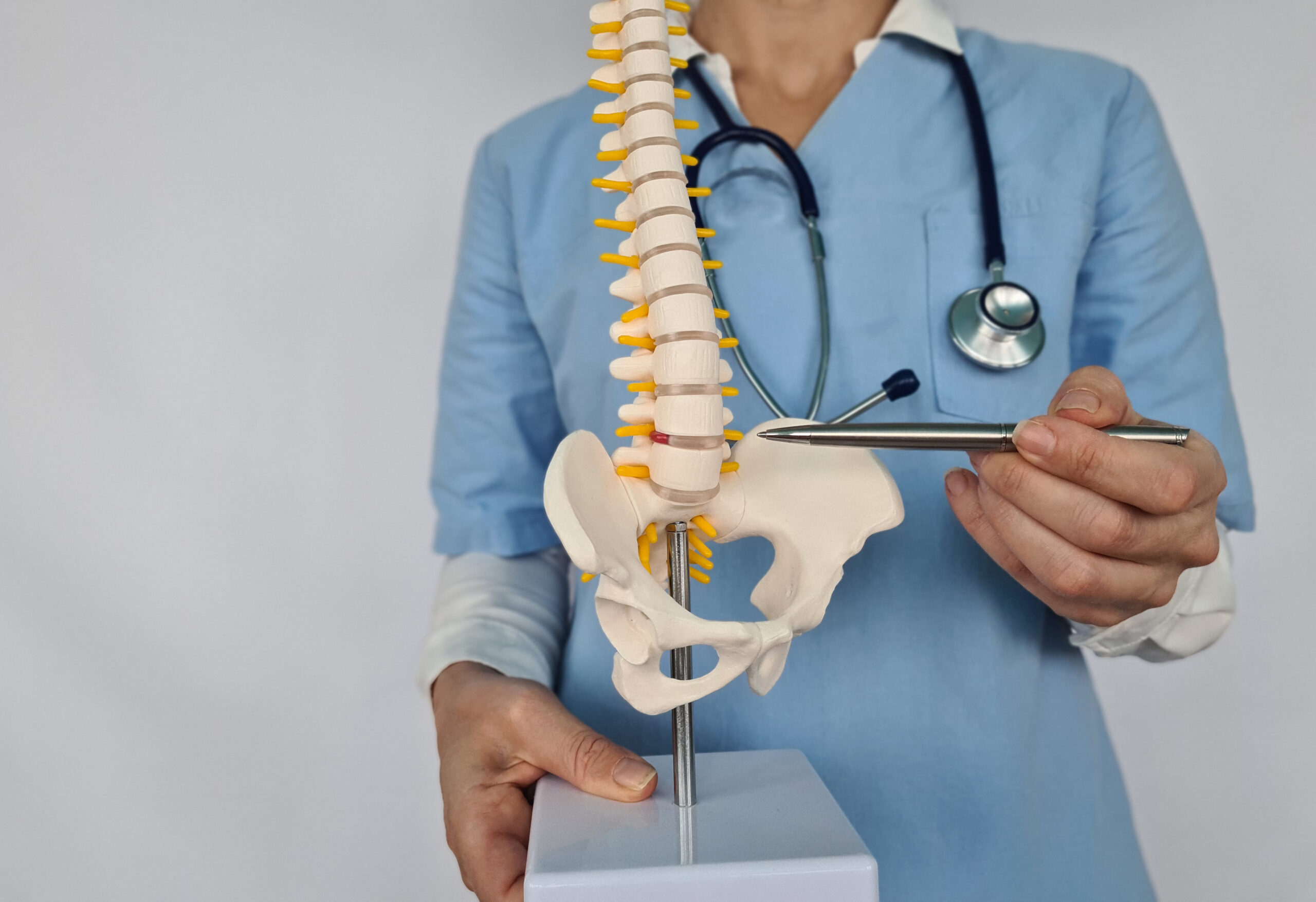
Veterinarians and animal chiropractors use a combination of physical exams, imaging, and gait analysis to diagnose musculoskeletal issues. A thorough physical exam checks for pain, range of motion, and muscle tone. X-rays or MRI scans may reveal structural abnormalities like disc herniation or joint degeneration. Gait analysis assesses movement patterns to identify lameness or imbalance. Chiropractors also evaluate spinal mobility and palpate for misalignments. Early diagnosis is critical for effective treatment, as delays can worsen conditions. Owners should consult a licensed professional for accurate assessments and tailored care plans.
How Chiropractic Care Addresses These Issues
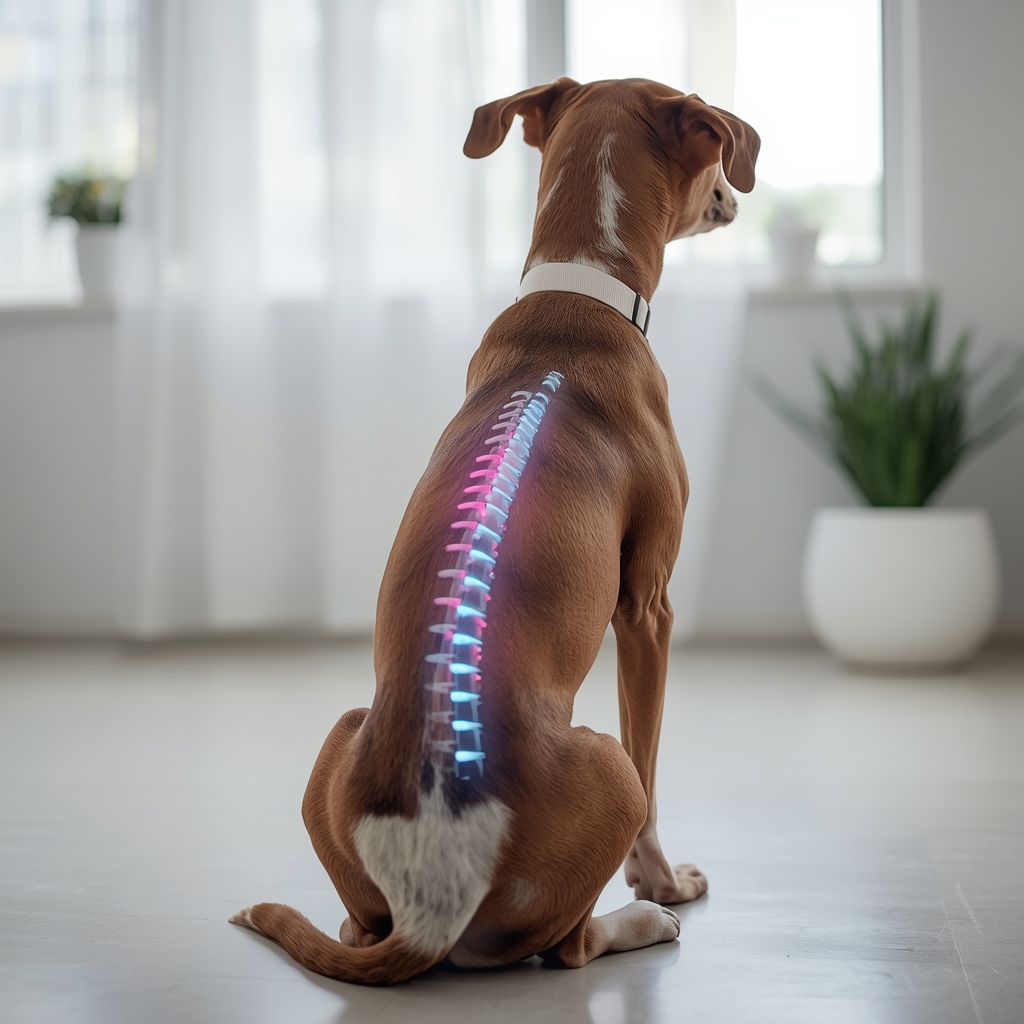
Chiropractic adjustments for dogs focus on restoring proper spinal alignment and nerve function. Techniques include gentle manipulations, soft tissue therapy, and rehabilitative exercises. For conditions like IVDD, adjustments may relieve pressure on affected discs, while arthritis management involves improving joint mobility. Hip dysplasia might benefit from improved posture and gait mechanics. Chiropractors also address compensatory patterns caused by pain, such as uneven weight distribution. Treatment plans are customized based on the dog’s condition and response. Regular sessions can enhance comfort, mobility, and quality of life, but they should complement, not replace, veterinary care.
Benefits and Considerations of Animal Chiropractic
Chiropractic care offers non-invasive, drug-free options for managing musculoskeletal pain in dogs. It can reduce inflammation, improve flexibility, and support the body’s natural healing processes. Many owners report enhanced mobility and reduced reliance on medications. However, it is not a substitute for medical treatment in severe cases, such as advanced arthritis or surgical needs. Safety is paramount, so only licensed professionals should perform adjustments. Dogs with certain conditions, like fractures or severe neurological issues, may require caution. Owners should discuss risks and benefits with their veterinarian to ensure chiropractic care aligns with their pet’s overall health plan.
The Role of Veterinarians in Collaboration
Effective musculoskeletal care for dogs often involves collaboration between veterinarians and chiropractors. Veterinarians diagnose conditions and determine if chiropractic care is appropriate, while chiropractors provide supportive treatments. For example, a vet might refer a dog with IVDD to a chiropractor for complementary care after ruling out surgical options. Regular communication ensures treatments align with the dog’s medical needs. Veterinarians also monitor progress and adjust care plans as needed. This partnership ensures a holistic approach, combining traditional medicine with chiropractic techniques to optimize outcomes. Owners should seek practitioners who work closely with vets to maintain their pet’s safety and well-being.
Conclusion: Exploring Chiropractic Options for Dogs
Chiropractic care can be a valuable tool for managing common musculoskeletal issues in dogs, from arthritis to spinal misalignments. While it is not a cure-all, it offers a non-invasive approach to improving mobility and comfort. Diagnosis typically involves veterinary evaluation and specialized techniques to identify the root cause. Treatment plans are tailored to each dog’s needs, emphasizing safety and collaboration with healthcare providers. Owners considering chiropractic care should consult both a veterinarian and a certified animal chiropractor to ensure the best outcomes. As with any therapy, individual results may vary, and professional guidance is essential for effective, safe care.