The Thoracic Spine's Role in Postural Stability
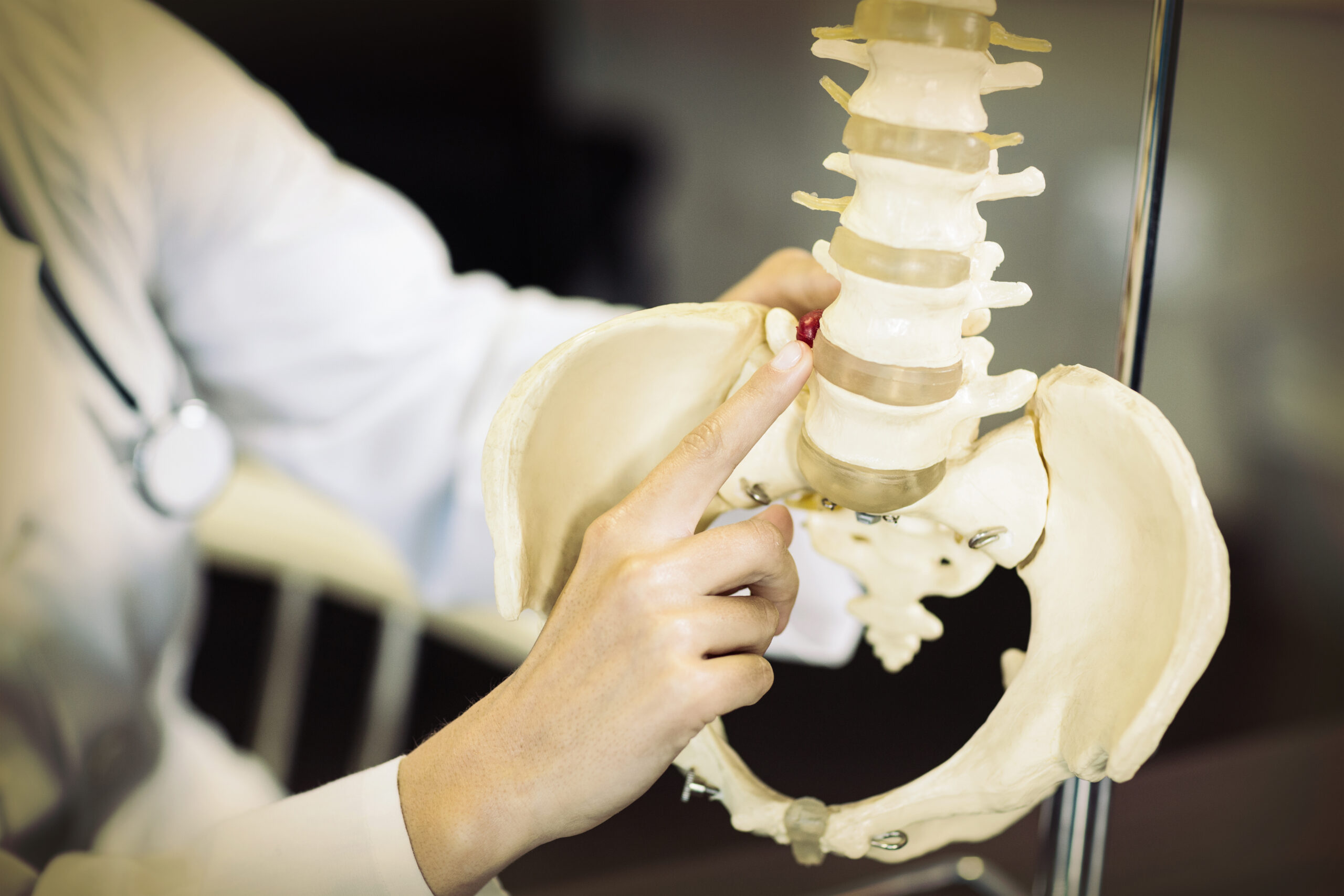
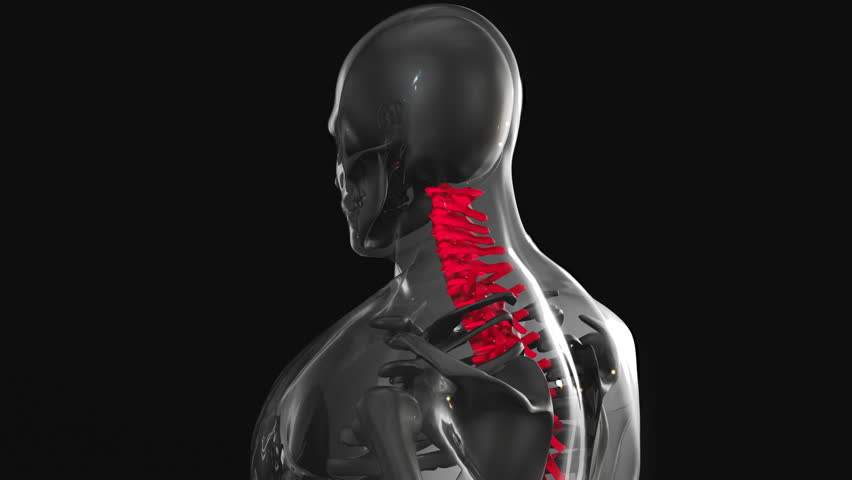
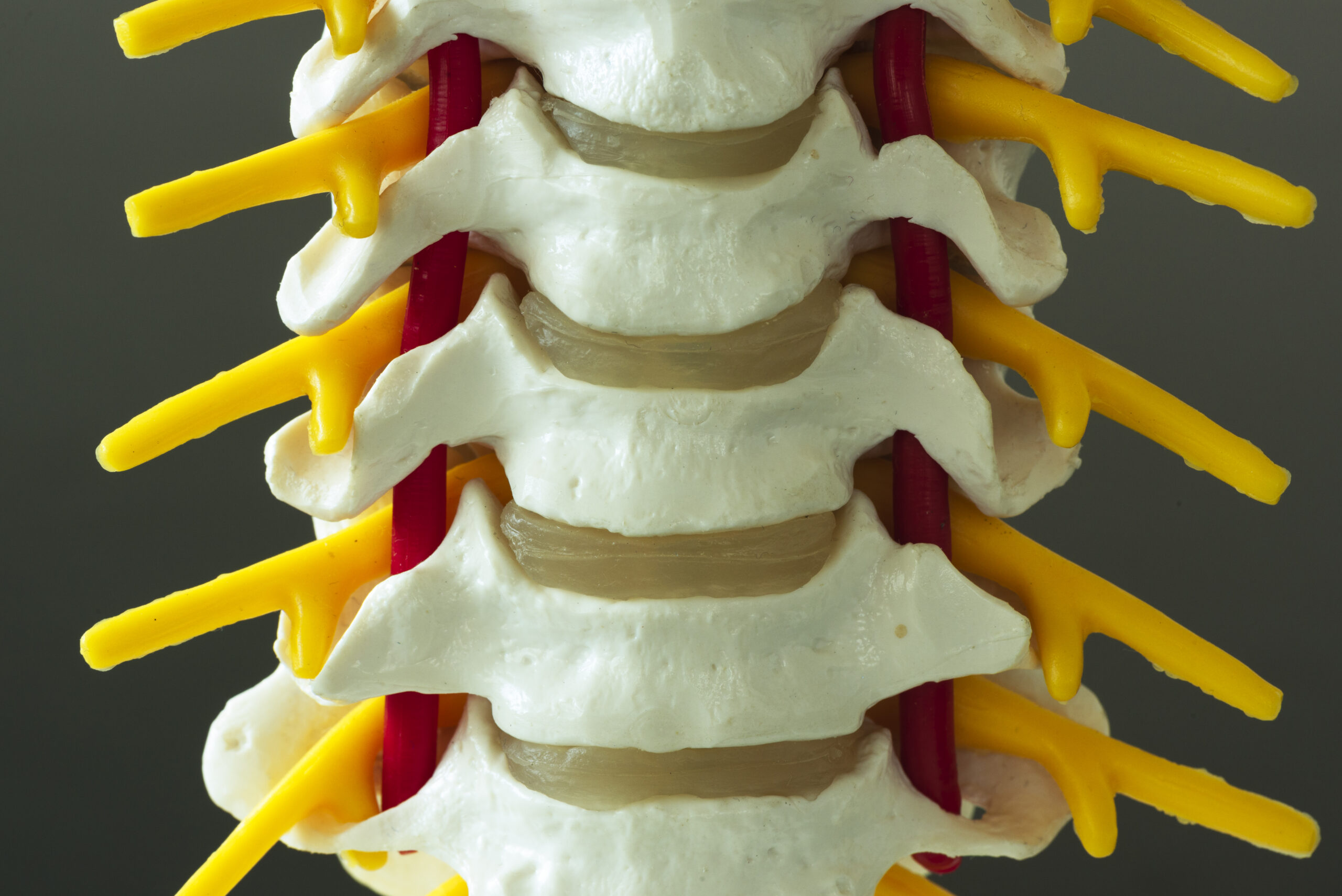
The thoracic spine, consisting of 12 vertebrae, forms the central axis of the upper body and plays a critical role in maintaining postural stability. Its unique structure—curved to accommodate the rib cage and protect vital organs—provides a foundation for balance by distributing weight evenly across the body. Proper alignment of the thoracic spine ensures optimal interaction between the musculoskeletal and nervous systems, enabling smooth movement and posture control. When this region functions correctly, it supports the head, shoulders, and torso, reducing strain on adjacent areas like the cervical and lumbar spine. Misalignments here can disrupt this balance, leading to compensatory patterns that affect overall stability. Understanding the thoracic spine’s role is essential for addressing postural issues and improving functional movement. Chiropractors often focus on this area to restore harmony between spinal mechanics and body alignment.
How Thoracic Misalignments Affect Balance
Misalignments in the thoracic spine, such as subluxations or restricted motion, can impair postural stability by altering the body’s center of gravity. These disruptions may cause uneven weight distribution, leading to increased stress on joints, muscles, and ligaments. For example, a forward-rounded shoulder posture—a common thoracic issue—can shift the head and torso forward, creating a chain reaction of compensatory adjustments throughout the spine. This misalignment may also affect the vestibular system, which is crucial for balance, by altering sensory feedback from the spine to the brain. Over time, chronic thoracic instability can contribute to fatigue, poor coordination, and a higher risk of falls, especially in older adults. Addressing these issues requires a holistic approach that considers both structural and neuromuscular factors. Chiropractors assess thoracic mobility and alignment to identify root causes of imbalance and develop targeted correction strategies.
Chiropractic Techniques for Thoracic Correction
Chiropractors use a variety of techniques to address thoracic spine misalignments and restore balance. Spinal adjustments, such as diversified or activator methods, aim to realign vertebrae and improve joint mobility. These adjustments can reduce nerve interference and enhance the body’s natural ability to maintain proper posture. Soft tissue therapies, including myofascial release, may also be employed to alleviate tension in muscles surrounding the thoracic region, such as the rhomboids and trapezius. Additionally, instrument-assisted techniques like the Activator Method provide precise, low-force corrections that are particularly useful for sensitive areas. Chiropractors often combine these approaches with postural re-education to reinforce long-term stability. By addressing both structural and functional aspects of thoracic health, these interventions support improved balance and overall musculoskeletal efficiency.
Integrating Postural Re-education
Correcting thoracic spine misalignments is most effective when paired with postural re-education, which helps patients develop sustainable habits for maintaining balance. Chiropractors may recommend exercises to strengthen core and postural muscles, such as the erector spinae and transverse abdominis, which stabilize the spine and support proper alignment. Patients might also benefit from ergonomic adjustments to their workspace or daily routines, reducing strain on the thoracic region. Education on body mechanics—like proper lifting techniques or sitting posture—further reinforces these corrections. By combining manual therapies with lifestyle modifications, chiropractors empower patients to actively participate in their recovery. This integrative approach not only addresses immediate misalignments but also prevents future instability, fostering long-term improvements in balance and mobility.
Patient Considerations and Safety
When addressing thoracic spine misalignments, chiropractors prioritize patient safety and individualized care. A thorough assessment, including a medical history review and physical examination, helps identify contraindications or underlying conditions that may affect treatment. For example, patients with osteoporosis or spinal fractures require modified techniques to avoid injury. Chiropractors also consider the patient’s lifestyle, activity level, and specific balance challenges when designing a correction plan. Open communication is essential to ensure patients understand the goals and potential outcomes of care. While chiropractic interventions are generally safe, it’s important to emphasize that they should complement, not replace, conventional medical advice. Patients are encouraged to discuss any concerns with their chiropractor and report unexpected symptoms promptly to ensure a safe and effective treatment process.
Conclusion: Enhancing Balance Through Spinal Health
The thoracic spine is a cornerstone of postural stability, influencing balance through its structural and neurological connections. Misalignments in this region can disrupt equilibrium, leading to compensatory patterns that affect the entire body. Chiropractic care offers effective strategies to correct these issues, combining manual adjustments, soft tissue work, and postural education to restore function. By addressing thoracic spine health, chiropractors help patients achieve better balance, reduce discomfort, and enhance overall mobility. While individual results vary, many find that targeted interventions lead to noticeable improvements in stability and quality of life. As always, consulting a qualified chiropractor ensures that care is tailored to the patient’s unique needs, promoting safe and sustainable outcomes.