Understanding Thoracic Outlet Syndrome
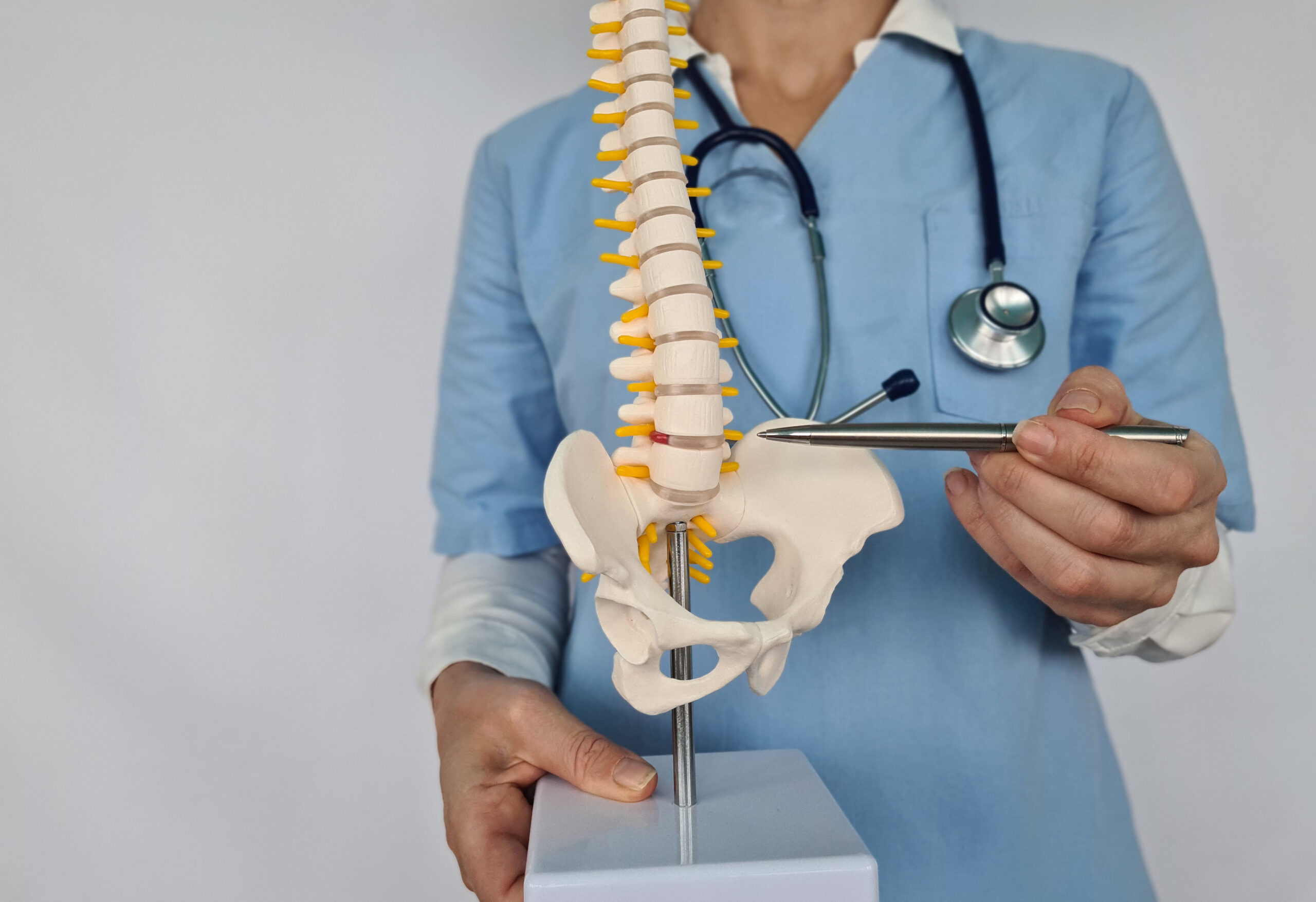
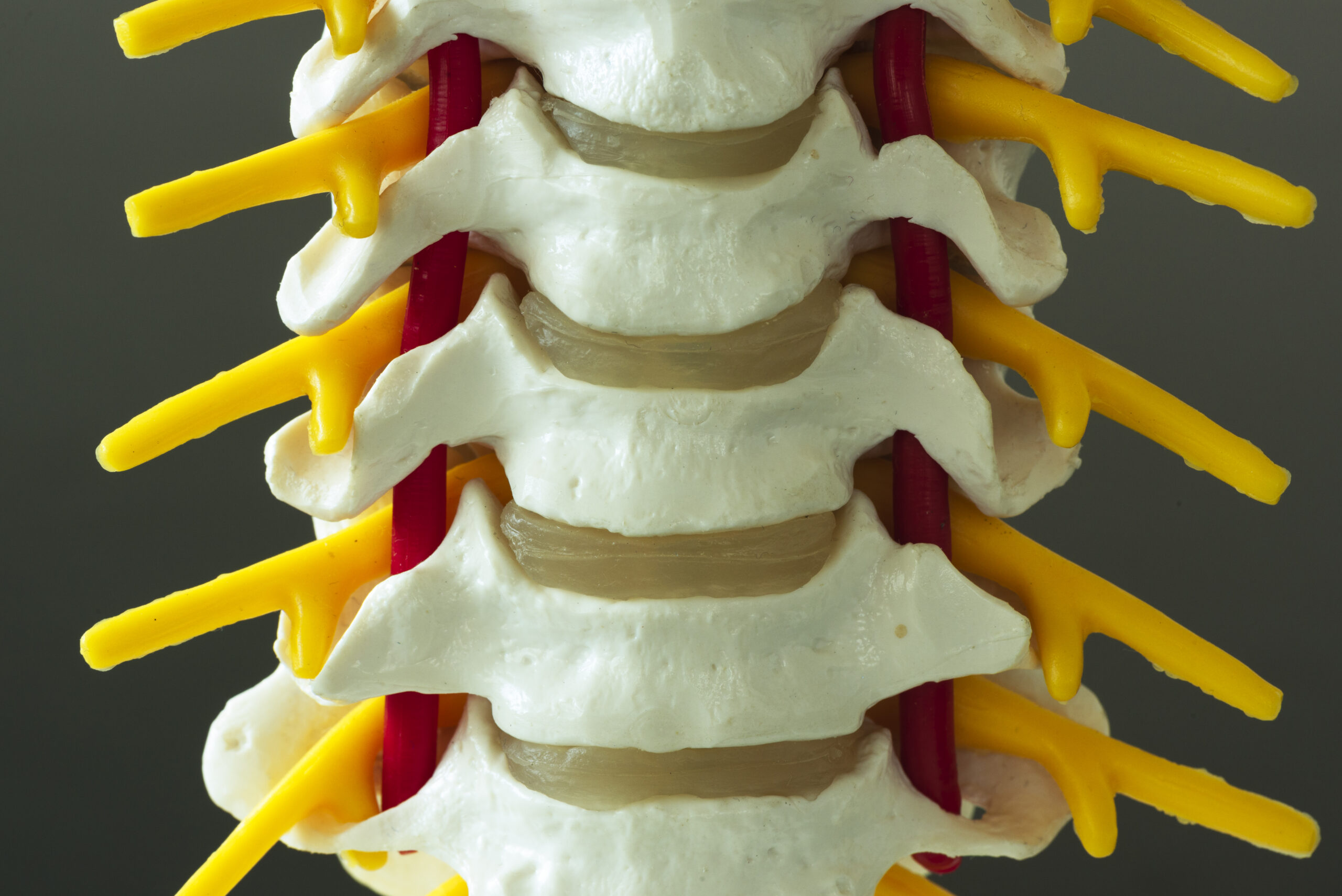
Thoracic Outlet Syndrome (TOS) occurs when nerves or blood vessels near the neck and upper chest become compressed, leading to symptoms like pain, numbness, or weakness in the arms and hands. Common causes include poor posture, repetitive movements, or anatomical abnormalities. While TOS can stem from various factors, spinal involvement often plays a role in its development. Chiropractors may address this by focusing on the thoracic spine, as misalignments or restricted mobility in this area can contribute to nerve or vascular compression. Understanding the connection between spinal health and TOS is essential for exploring non-invasive treatment options.
How Spinal Mobilization Addresses TOS
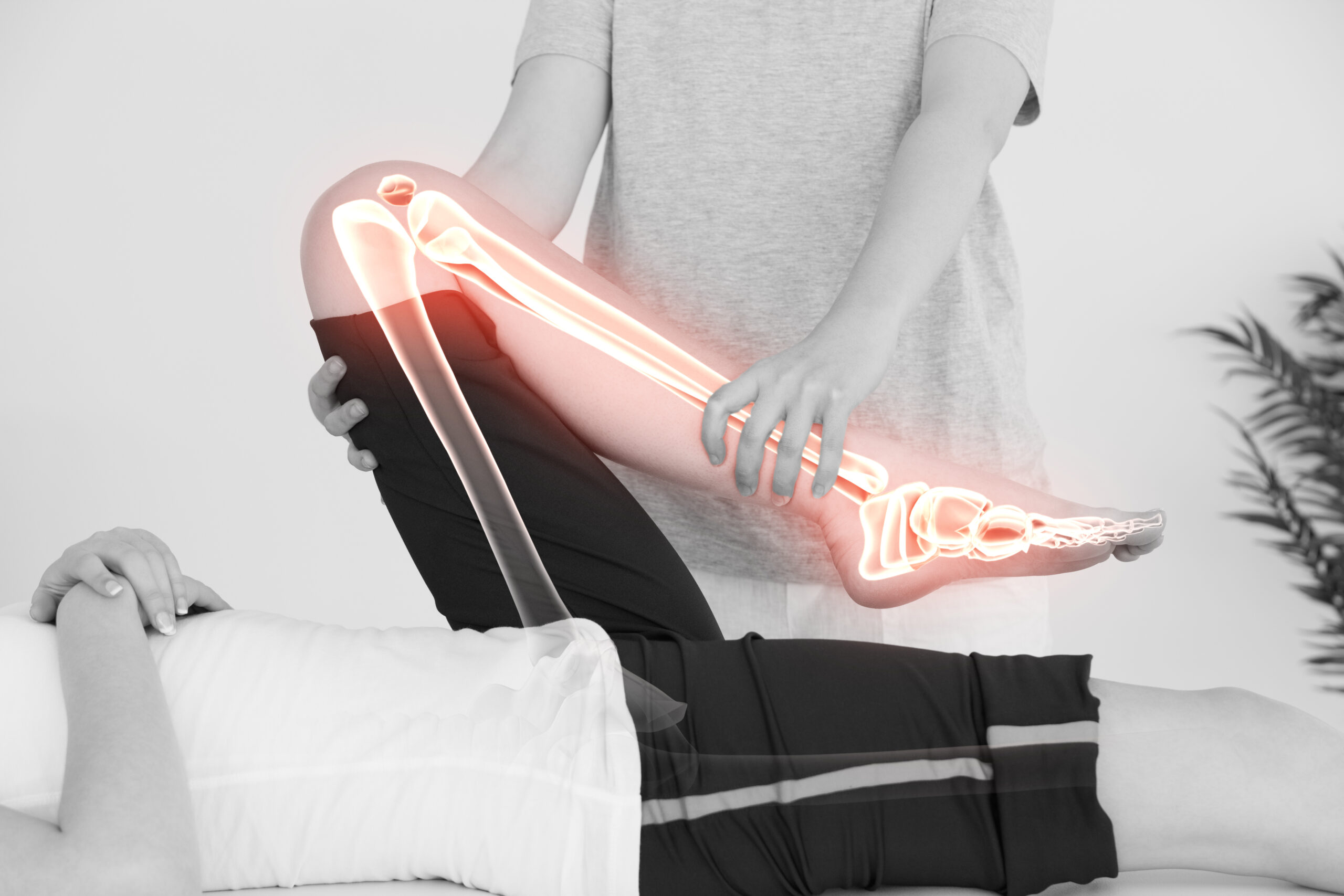
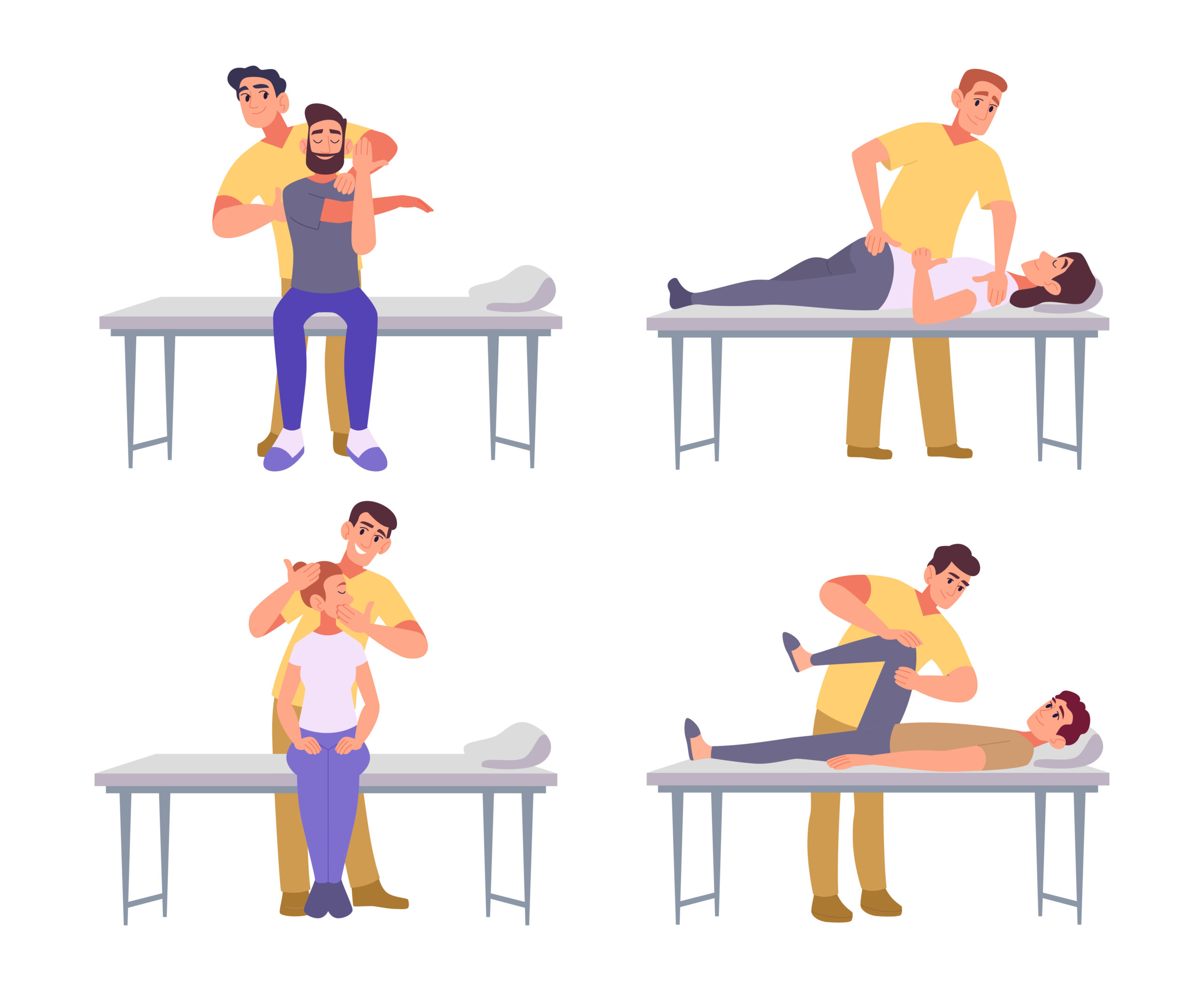
Spinal mobilization involves gentle, controlled movements to improve joint flexibility and reduce pressure on nerves or blood vessels. For TOS, chiropractors may target the thoracic spine and surrounding structures to alleviate compression. By restoring proper alignment and mobility, this technique can ease symptoms like radiating pain or tingling. Mobilization may also enhance blood flow and reduce inflammation, supporting the body’s natural healing processes. While not a standalone solution, it can complement other therapies, offering a non-invasive approach to managing TOS. Patients often report improved comfort and function after consistent care, though individual results vary.
Techniques Used by Chiropractors
Chiropractors employ a range of techniques to address TOS, starting with a thorough assessment to identify spinal misalignments or soft tissue restrictions. Spinal adjustments, such as diversified or activator methods, may be used to realign the thoracic spine. Soft tissue therapies, like myofascial release, can ease tension in muscles surrounding the thoracic outlet. Additionally, mobilization of the first rib or cervical spine may relieve nerve compression. These approaches are tailored to each patient’s needs, ensuring safety and effectiveness. Chiropractors often combine techniques to address both structural and muscular components of TOS, promoting holistic relief without invasive procedures.
Benefits of Chiropractic Care for TOS
Chiropractic care for TOS focuses on reducing pain and improving mobility through non-invasive means. By addressing spinal misalignments, chiropractors may alleviate pressure on nerves and blood vessels, potentially easing symptoms like numbness or arm pain. Patients often experience enhanced range of motion and reduced discomfort, allowing for better daily functioning. Additionally, chiropractic care may complement other treatments, such as physical therapy or ergonomic adjustments. While results vary, many find relief through consistent, personalized care. It is important to note that chiropractic approaches should be part of a broader treatment plan, discussed with a qualified provider to ensure safety and appropriateness for individual cases.
Patient Considerations and Safety
Each TOS case is unique, requiring a customized approach. Chiropractors begin with a detailed evaluation to determine the underlying causes and severity of symptoms. While spinal mobilization is generally safe, it is crucial to consult a licensed professional to avoid complications. Patients with severe vascular issues or other medical conditions should seek guidance from their primary care physician before starting chiropractic care. Open communication with the chiropractor about symptoms and concerns ensures a tailored treatment plan. Chiropractic care should never replace medical advice but can serve as a complementary option when used under professional supervision.
When to Seek Chiropractic Help
If you experience persistent arm pain, numbness, or weakness, consider consulting a chiropractor specializing in TOS. A qualified provider can assess your condition and recommend appropriate interventions. Chiropractic care may be particularly beneficial for individuals seeking non-surgical options to manage symptoms. However, it is essential to work with a licensed professional who has experience in spinal mobilization and TOS. Combining chiropractic care with other therapies, such as physical therapy or lifestyle adjustments, can optimize outcomes. Always discuss your treatment plan with healthcare providers to ensure it aligns with your overall health goals.