Understanding Shoulder Impingement and Treatment Options
Shoulder impingement occurs when soft tissues in the shoulder joint become compressed during movement, causing pain and limited range of motion. Both chiropractic care and physical therapy are commonly used to address this condition, though they approach treatment differently. Chiropractic care focuses on spinal adjustments and musculoskeletal realignment, while physical therapy emphasizes targeted exercises and functional rehabilitation. Patients often seek guidance on which method offers better outcomes, making it important to explore the distinctions in approaches and results between these two disciplines.
Chiropractic Care for Shoulder Impingement
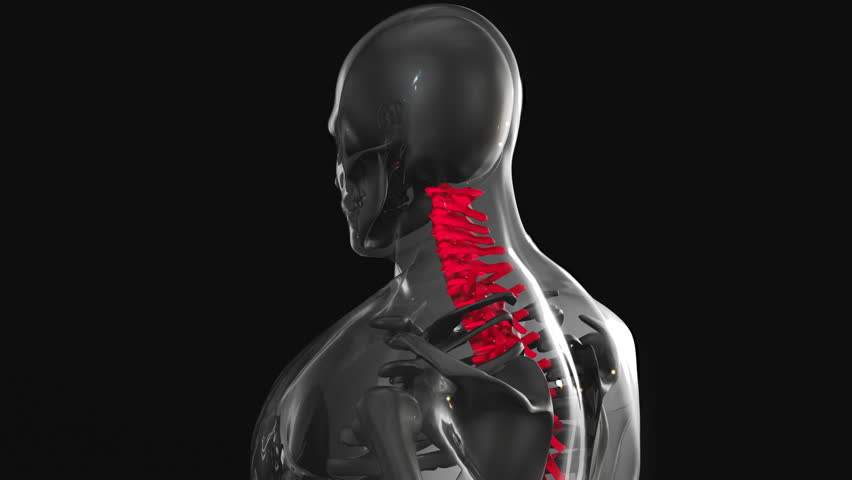
Chiropractors address shoulder impingement by evaluating the entire musculoskeletal system, including the spine, neck, and shoulder joints. Adjustments may relieve nerve pressure and improve joint mobility, potentially reducing inflammation and pain. Techniques like soft tissue therapy or mobilization can also target tight muscles contributing to impingement. While chiropractic care often focuses on immediate symptom relief, its effectiveness depends on the underlying causes of the condition and the patient’s overall health. Some individuals report improved function after adjustments, but long-term outcomes vary based on adherence to treatment plans.
Physical Therapy Approaches and Goals
Physical therapy for shoulder impingement centers on strengthening muscles, improving flexibility, and restoring normal movement patterns. Therapists design personalized exercise programs to address imbalances and enhance joint stability. Modalities like ultrasound or electrical stimulation may also be used to reduce pain and inflammation. Unlike chiropractic care, which often prioritizes spinal alignment, physical therapy focuses on retraining the body’s mechanics. This approach can lead to lasting improvements in function, particularly when combined with lifestyle modifications. However, progress may require consistent effort and time, as patients must actively participate in their recovery.
Differences in Treatment Outcomes
Research suggests both chiropractic and physical therapy can effectively alleviate shoulder impingement symptoms, but outcomes may differ based on individual factors. Chiropractic adjustments may offer quicker relief for some patients by addressing spinal misalignments that contribute to shoulder pain. Physical therapy, on the other hand, often leads to more sustained improvements through muscle reconditioning. Studies highlight that combining both approaches can yield optimal results, though this requires coordination between providers. Patients should consider their specific needs, such as the severity of symptoms or long-term goals, when choosing a treatment path.
Factors Influencing Treatment Effectiveness
The success of chiropractic or physical therapy for shoulder impingement depends on several factors, including the condition’s severity, patient compliance, and the practitioner’s expertise. Early intervention tends to improve outcomes, as chronic cases may require more intensive strategies. Patients with structural issues, like rotator cuff tears, might benefit from a multidisciplinary approach. Additionally, lifestyle factors such as posture and activity levels play a role in recovery. Open communication with healthcare providers is essential to tailor treatment plans and address any evolving needs throughout the healing process.
Choosing the Right Approach for Your Needs
Deciding between chiropractic care and physical therapy for shoulder impingement involves evaluating personal preferences, medical history, and treatment goals. Chiropractic care may appeal to those seeking non-invasive, hands-on solutions, while physical therapy suits individuals prioritizing long-term strength and mobility. Some patients find that alternating or combining both methods provides comprehensive benefits. Ultimately, consulting with a qualified chiropractor or physical therapist is crucial to determine the most appropriate strategy. A personalized assessment can help align treatment with individual needs, ensuring a safer and more effective recovery journey.