The Gut-Brain Axis and Its Connection to Spinal Health
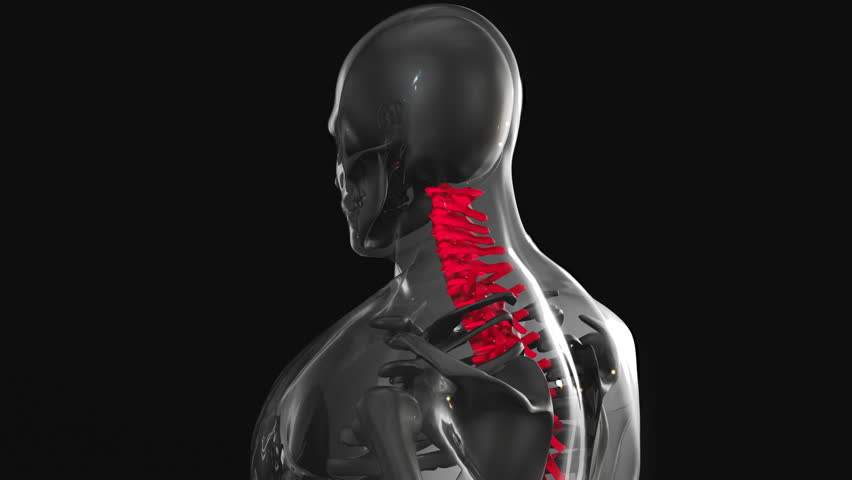
The gut-brain axis refers to the bidirectional communication network linking the gastrointestinal tract and the central nervous system. This connection involves neural, hormonal, and immune pathways, influencing overall health. Dysbiosis—imbalance in gut microbiota—can disrupt this communication, potentially affecting spinal health. Research suggests that gut health impacts inflammation, immune responses, and even nerve function, which may contribute to spinal discomfort or dysfunction. Chiropractors may encounter patients with chronic pain or neurological symptoms linked to underlying gut issues, highlighting the importance of addressing this connection for holistic care.
How Gut-Brain Dysbiosis May Affect the Spine
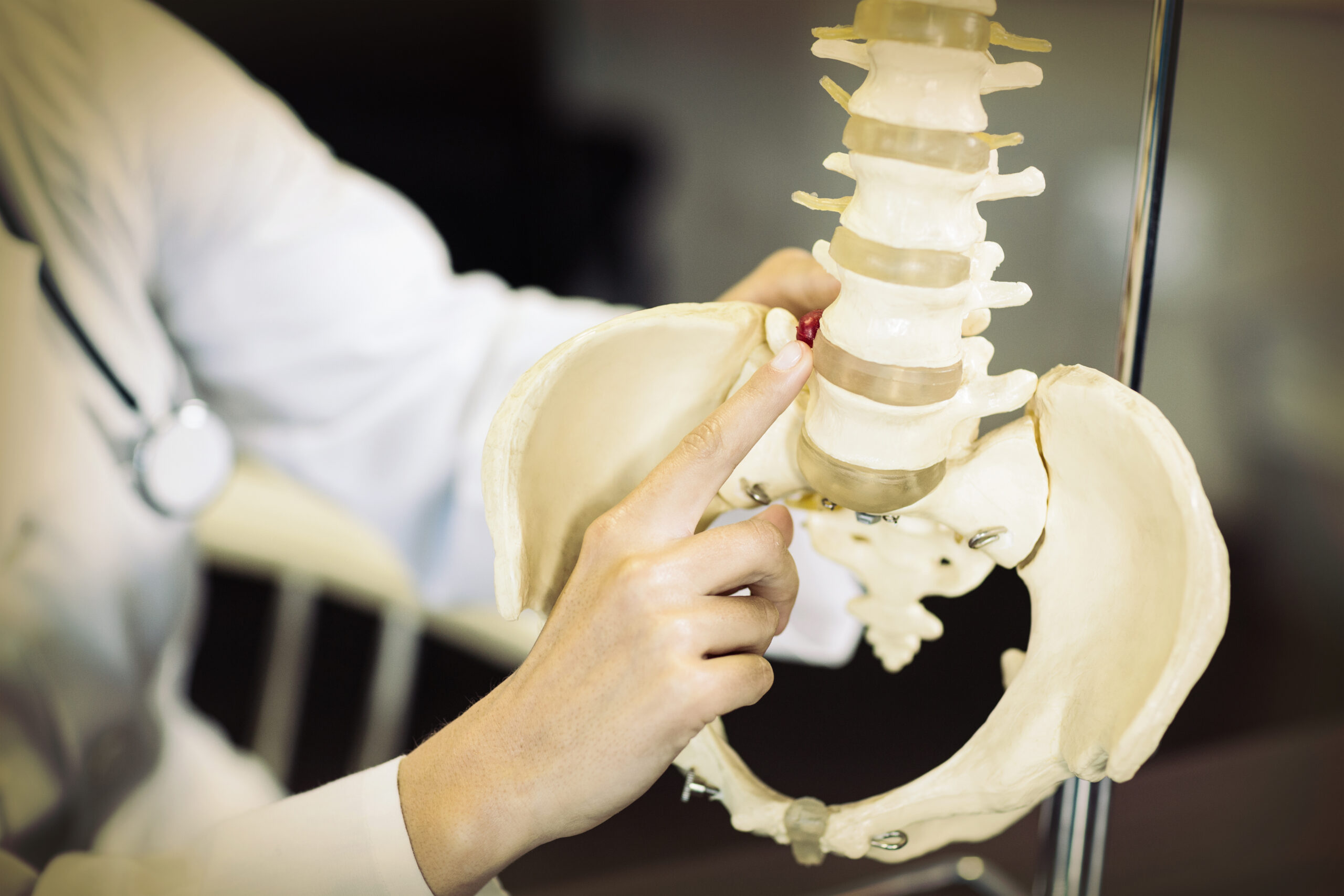
Imbalances in gut microbiota can lead to systemic inflammation, which may exacerbate spinal conditions like disc degeneration or nerve irritation. The gut and spine share neural pathways, and disruptions in gut health could theoretically influence spinal mechanics or pain perception. For example, inflammatory markers from the gut might contribute to localized inflammation around spinal structures, complicating recovery from injuries or chronic conditions. While direct causation remains under study, chiropractors may observe patterns where patients with digestive issues also experience unresolved spinal symptoms, suggesting a need for integrated evaluation.
The Role of the Nervous System in Gut-Brain-Spine Interactions
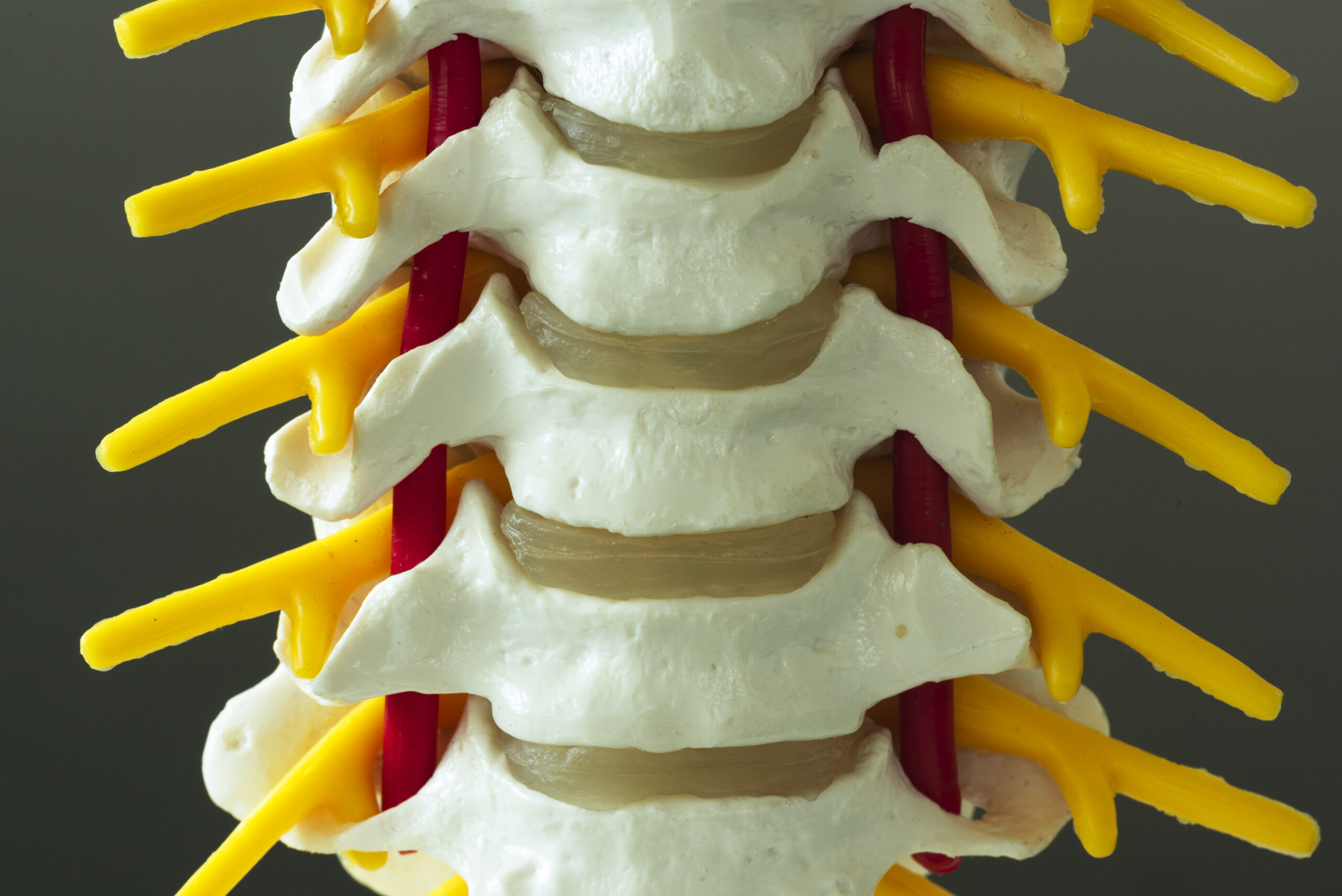
The autonomic nervous system (ANS) mediates communication between the gut, brain, and spine. The parasympathetic branch, often called the "rest and digest" system, regulates digestion and influences spinal muscle tone. Dysbiosis may disrupt ANS balance, leading to altered gut motility and spinal tension. Chiropractic adjustments can help restore neural integrity, potentially improving gut function by alleviating nerve interference. This interplay underscores the value of a holistic approach, where spinal care may indirectly support digestive health and vice versa, fostering overall wellness.
Functional Medicine Strategies for Chiropractors
Functional medicine emphasizes addressing root causes rather than symptoms. Chiropractors can integrate strategies like dietary modifications, probiotics, and stress management to support gut health. Recommending anti-inflammatory diets, fiber-rich foods, and hydration may reduce systemic inflammation linked to spinal issues. Probiotics and prebiotics can help rebalance gut microbiota, potentially easing nerve-related discomfort. Chiropractors might also collaborate with functional medicine practitioners to design personalized plans, ensuring care addresses both spinal alignment and gastrointestinal health for comprehensive patient outcomes.
Chiropractic Adjustments and Integrative Approaches
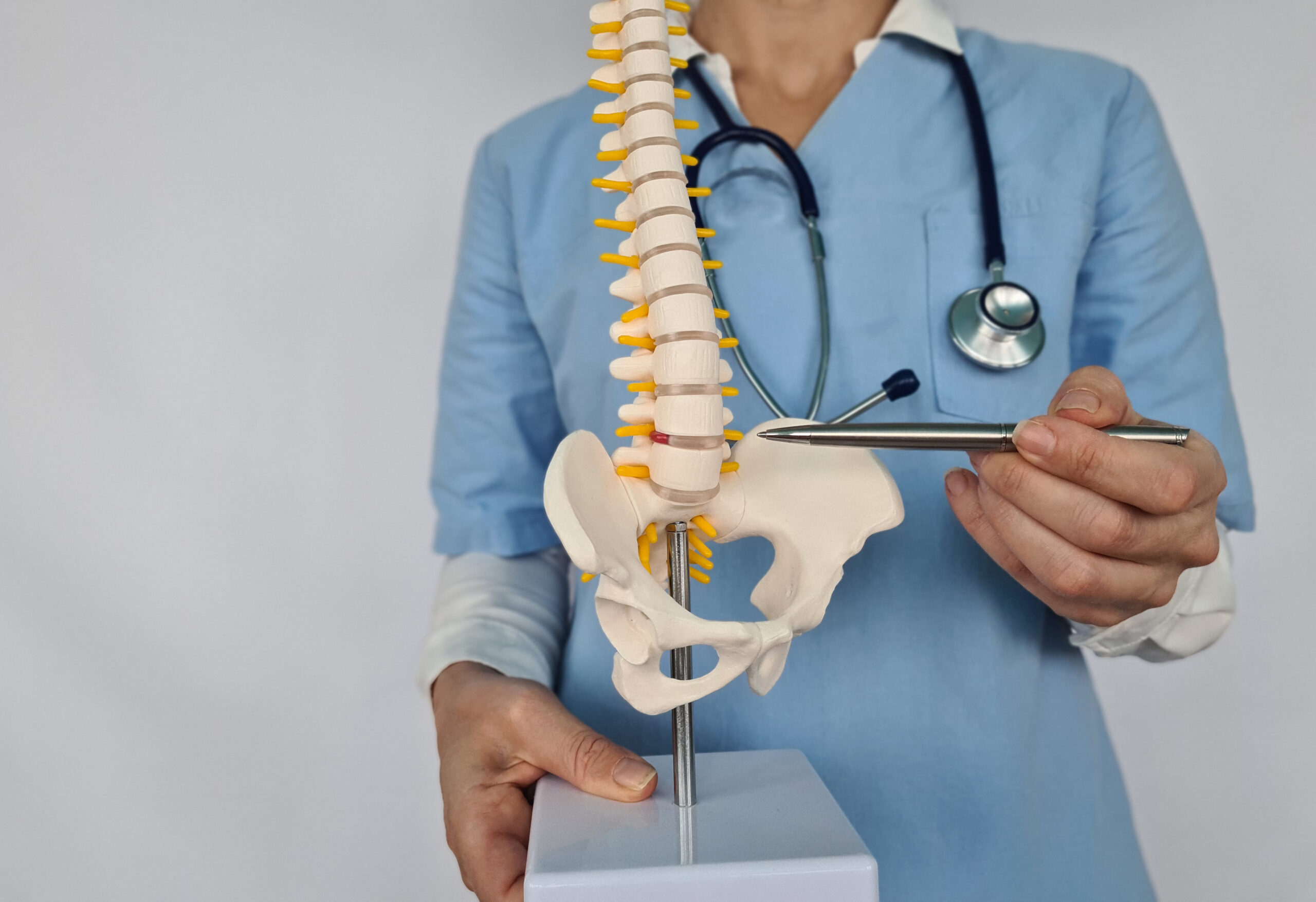
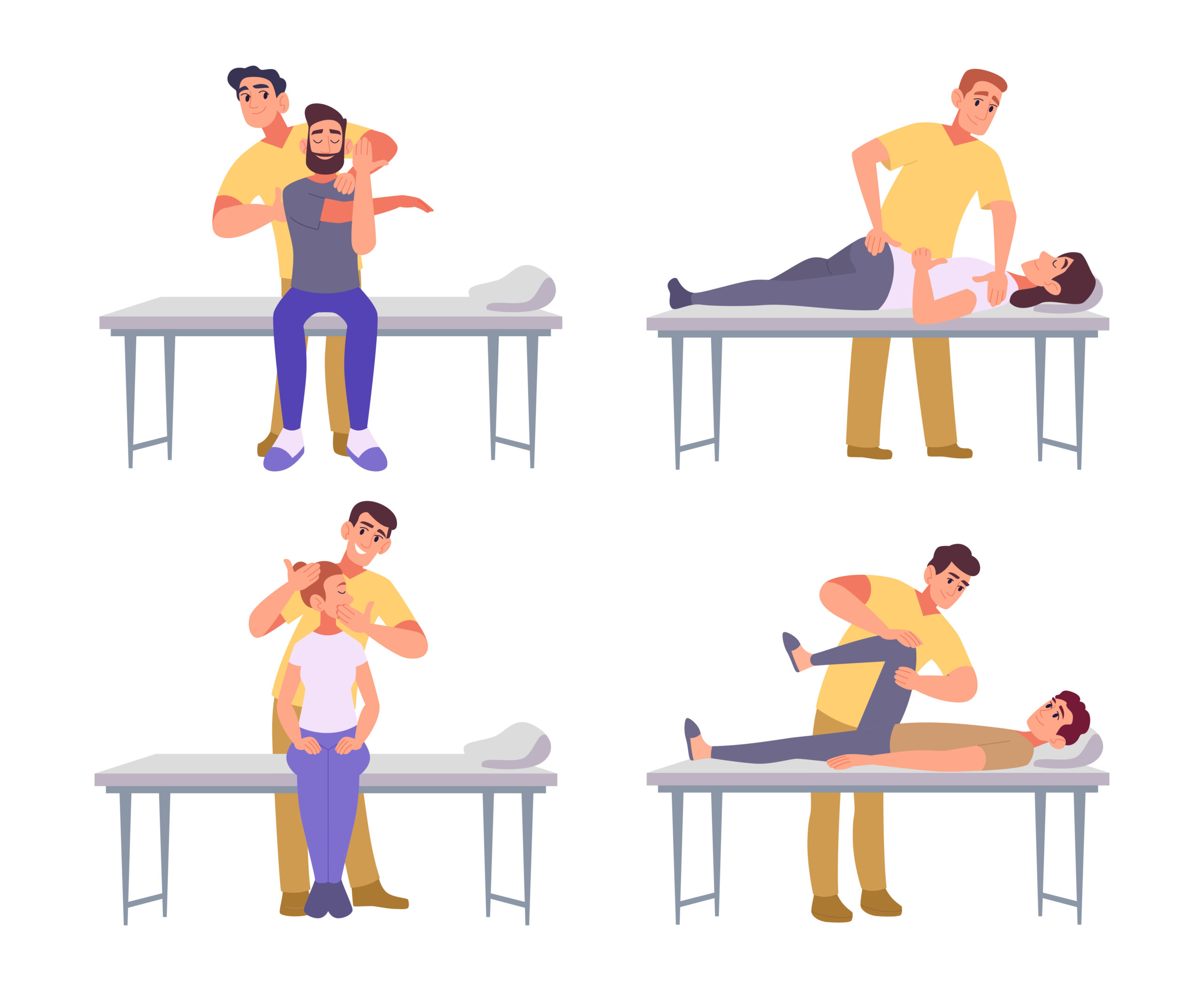
Spinal adjustments remain central to chiropractic care, but integrating functional medicine principles can enhance results. For patients with gut-brain axis dysbiosis, adjustments may be combined with soft tissue therapies, ergonomic advice, or movement rehabilitation to address biomechanical factors. Techniques like activator methods or drop table adjustments can minimize stress during treatment, accommodating sensitive patients. Chiropractors may also refer patients to nutritionists or gastroenterologists for specialized care, ensuring a multidisciplinary approach that supports both spinal and digestive health.
Collaborative Care for Holistic Wellness
Addressing gut-brain axis dysbiosis requires collaboration between chiropractors, functional medicine experts, and other healthcare providers. Open communication ensures treatments align with patient needs, avoiding conflicts or redundancies. Chiropractors should educate patients on the potential links between gut health and spinal symptoms, encouraging informed decision-making. By prioritizing evidence-based, patient-centered care, chiropractors can play a vital role in managing complex cases where gut and spine health intersect, ultimately improving quality of life through integrated, comprehensive strategies.