The Nervous System and Its Role in Anxiety
The nervous system is a complex network that regulates bodily functions and responses to stress. When overwhelmed, it can trigger anxiety symptoms like restlessness, rapid heartbeat, and difficulty concentrating. The spine, as the central pathway for nerve signals, plays a critical role in maintaining balance within this system. Misalignments or subluxations in the spine may disrupt nerve communication, potentially exacerbating stress responses. While research on this connection is evolving, many healthcare professionals explore how spinal health influences overall well-being. Understanding this relationship highlights the importance of addressing spinal function as part of a holistic approach to mental health. However, it’s essential to consult a qualified chiropractor to determine if spinal adjustments could complement other strategies for managing anxiety.
How Spinal Adjustments Work
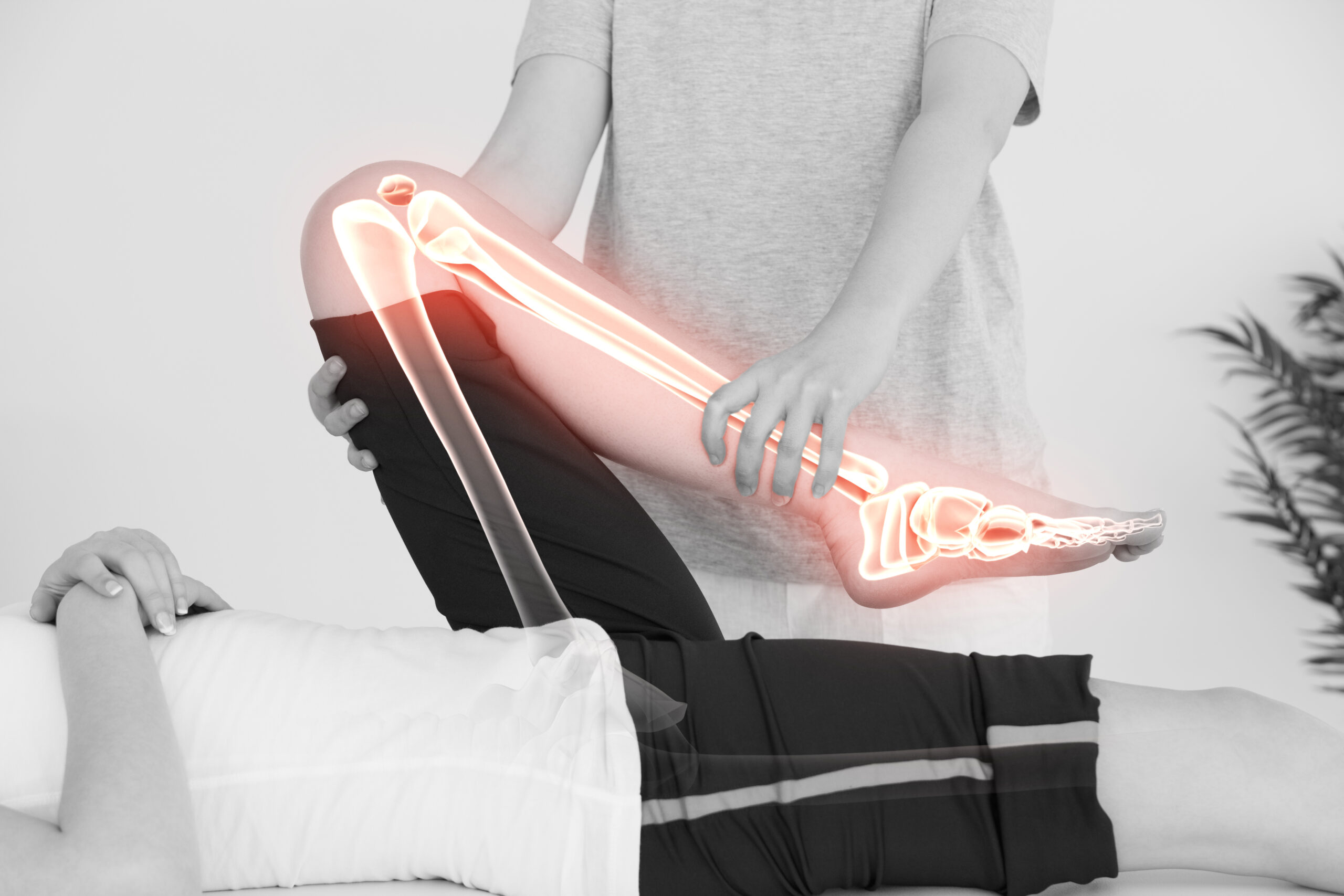
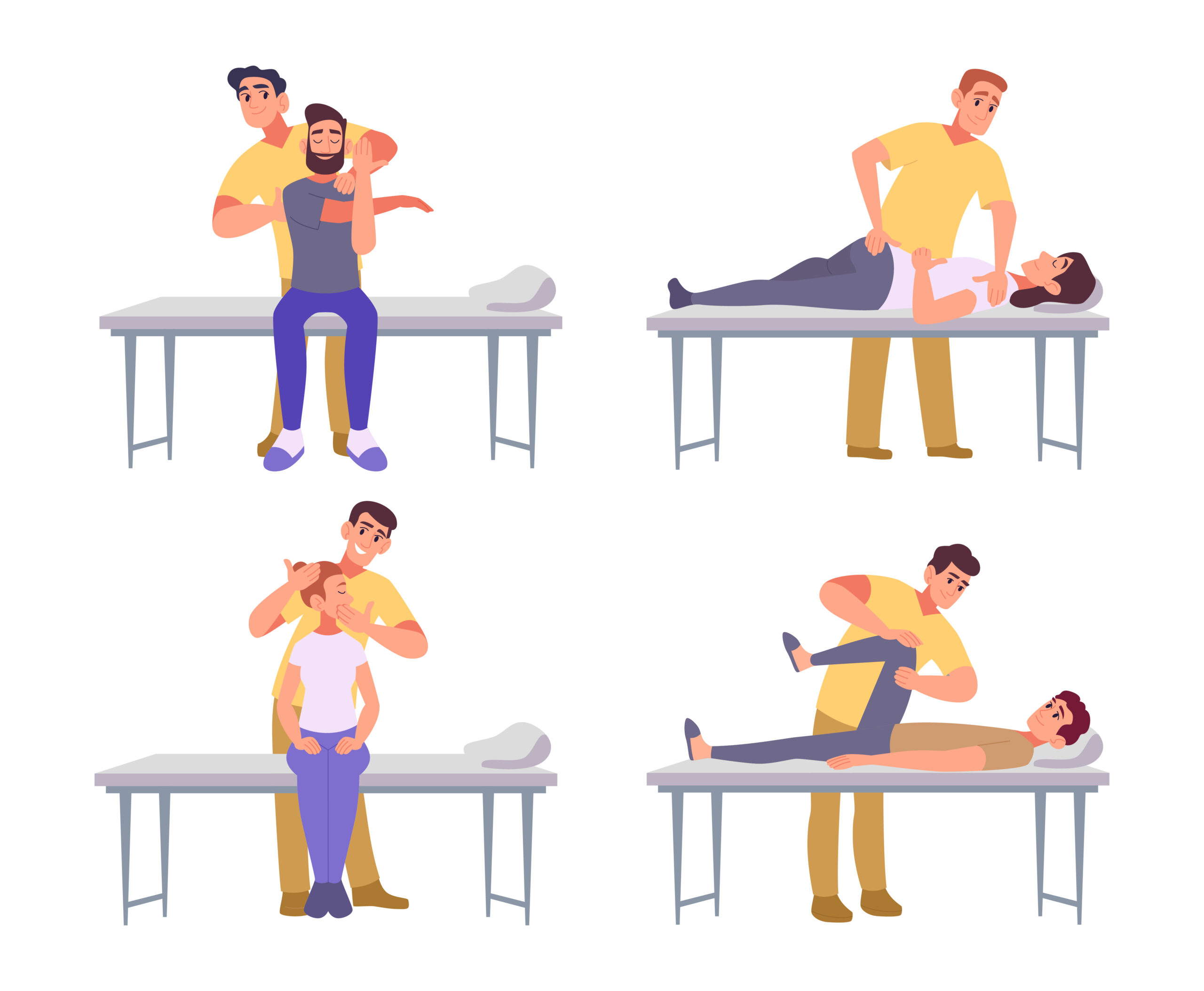
Spinal adjustments involve manual or instrument-assisted techniques to realign the vertebrae, aiming to restore proper function to the musculoskeletal and nervous systems. These adjustments are tailored to each patient’s needs, focusing on areas of restricted movement or misalignment. By improving spinal mechanics, practitioners seek to reduce pressure on nerves, enhance mobility, and promote optimal body function. While primarily used for musculoskeletal issues, some studies suggest these interventions may indirectly support nervous system regulation. For instance, correcting spinal imbalances could potentially alleviate stress on nerve pathways, fostering a more balanced physiological response. However, the exact mechanisms linking spinal adjustments to anxiety relief remain under investigation, emphasizing the need for further research and professional guidance.
The Spine-Nervous System Connection
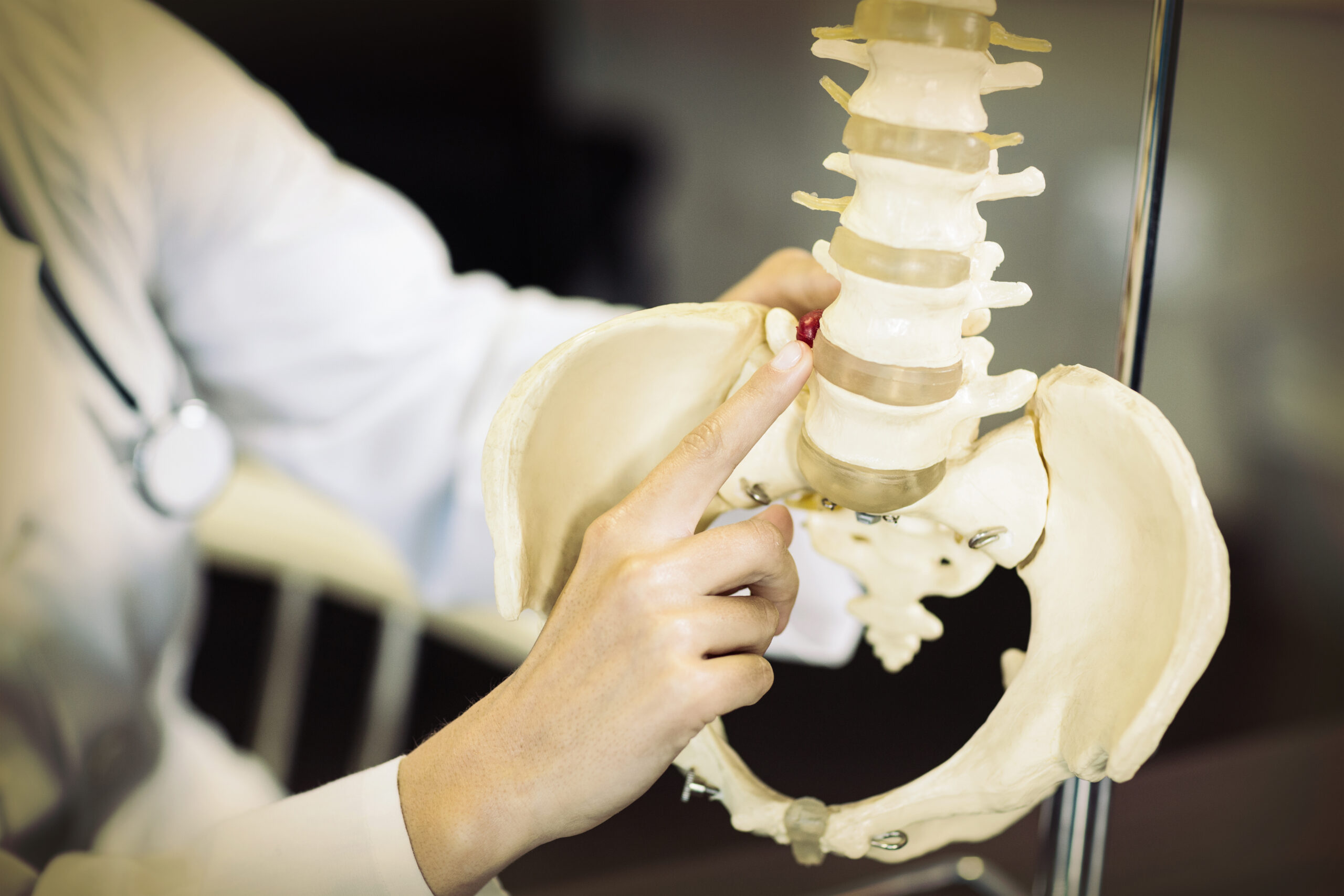
The spine houses and protects the spinal cord, a key component of the central nervous system responsible for transmitting signals between the brain and the body. Any disruption in this pathway, such as from injury, poor posture, or degenerative changes, may interfere with nerve function. This disruption could contribute to heightened stress responses, as the body struggles to maintain homeostasis. Chiropractic care focuses on identifying and correcting these disruptions to support nervous system efficiency. By restoring proper alignment, adjustments may help the body better manage stress and emotional challenges. While this concept is widely discussed in chiropractic circles, it’s important to recognize that individual experiences vary. A chiropractor can assess whether spinal adjustments might be a viable part of a broader strategy for managing anxiety and promoting mental well-being.
Regulating the Nervous System Through Spinal Care
The autonomic nervous system, which controls involuntary functions like heart rate and digestion, is deeply influenced by spinal health. When the spine is misaligned, it may interfere with the communication between the brain and organs, leading to imbalances that contribute to anxiety. Spinal adjustments aim to reduce these disruptions, potentially supporting the body’s natural ability to regulate stress. For example, correcting upper cervical misalignments might alleviate tension in the vagus nerve, which plays a role in calming the body’s stress response. While anecdotal reports suggest some individuals experience reduced anxiety after adjustments, scientific evidence remains limited. As with any therapeutic approach, results depend on factors like the individual’s overall health, the severity of their symptoms, and the expertise of the chiropractor providing care.
Supporting the Body’s Natural Balance
The body is designed to maintain internal balance, or homeostasis, through intricate interactions between the nervous, endocrine, and musculoskeletal systems. Spinal adjustments may support this balance by addressing mechanical stressors that could hinder optimal function. For instance, correcting spinal restrictions might improve blood flow, reduce inflammation, and enhance nerve signaling—factors that could indirectly influence emotional well-being. Some patients report feeling more relaxed or grounded after adjustments, which may be linked to improved nervous system regulation. However, these effects are not guaranteed and should not replace evidence-based treatments for anxiety. A chiropractor can help evaluate whether spinal care aligns with a patient’s unique needs and goals, ensuring a collaborative approach to health.
Consulting a Qualified Professional
If considering spinal adjustments for anxiety relief, it’s crucial to seek care from a licensed chiropractor with experience in nervous system health. A thorough evaluation can identify potential spinal issues and determine if adjustments are appropriate. While some individuals find value in chiropractic care as part of a comprehensive mental health strategy, others may benefit more from therapies like cognitive-behavioral therapy or medication. Open communication with healthcare providers ensures that all treatment options are explored safely. Remember, spinal adjustments are not a substitute for professional medical advice but can complement other approaches. By working with a qualified provider, patients can make informed decisions about their care and take steps toward improved well-being.