Understanding Scoliosis in Adolescents
Scoliosis is a condition characterized by an abnormal sideways curvature of the spine, often diagnosed during adolescence. While mild cases may not require intervention, moderate to severe curves can lead to long-term complications if left unaddressed. Non-surgical approaches, such as progressive chiropractic adjustments and bracing, are frequently explored to manage the condition and prevent further progression. These methods focus on improving spinal alignment, reducing pain, and supporting the body’s natural ability to maintain balance. For many adolescents, early intervention is key to achieving the best outcomes. Chiropractors may use a combination of techniques tailored to the individual’s needs, emphasizing a holistic approach to care. Understanding the role of these treatments can empower patients and families to make informed decisions about their health. It’s important to note that while these methods are widely used, they should always be discussed with a qualified healthcare provider to ensure they align with the patient’s specific situation.
Progressive Chiropractic Adjustments
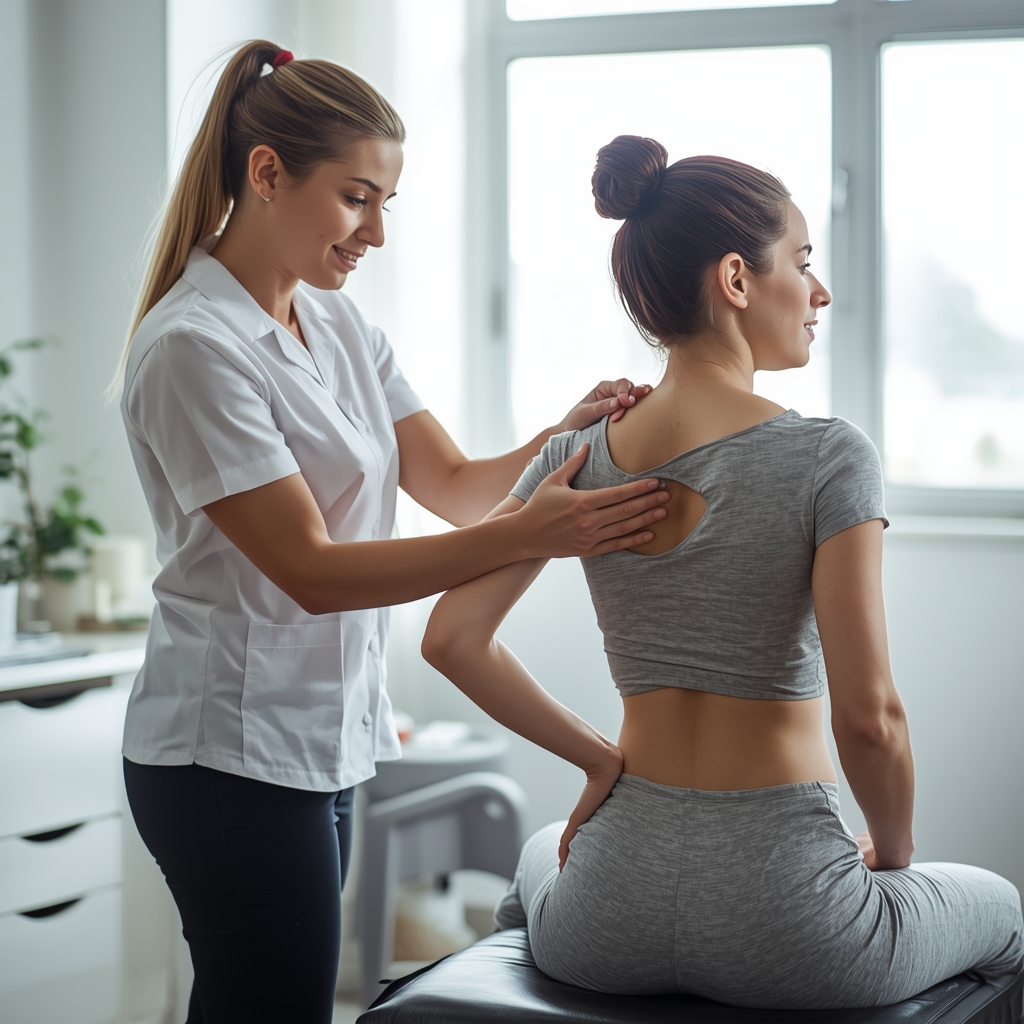
Progressive chiropractic adjustments involve a series of tailored spinal manipulations designed to gradually correct misalignments and improve spinal function. These adjustments aim to reduce pressure on nerves, enhance mobility, and support the body’s natural healing processes. For adolescents with scoliosis, this approach may help alleviate pain and improve posture over time. Chiropractors often use gentle, low-force techniques suitable for growing bodies, ensuring the treatment is both safe and effective. The progressive nature of these adjustments allows the spine to adapt gradually, minimizing the risk of discomfort or injury. By addressing the root causes of spinal imbalances, chiropractic care may contribute to better long-term outcomes. However, results can vary depending on the severity of the condition and the individual’s response to treatment. Regular follow-ups and ongoing assessments are essential to track progress and make necessary adjustments to the care plan. This method is often part of a broader strategy that includes exercises and lifestyle modifications.
The Role of Bracing in Scoliosis Management
Bracing is a common non-surgical intervention for adolescents with scoliosis, particularly when the spinal curve is moderate and still developing. The primary goal of bracing is to prevent the curve from worsening, especially during periods of rapid growth. Modern braces are designed to be more comfortable and discreet, allowing for greater compliance, especially among younger patients. When combined with chiropractic care, bracing can enhance the effectiveness of spinal realignment efforts. The brace applies gentle pressure to the spine, encouraging it to maintain a more neutral position. This can complement the adjustments made by a chiropractor, creating a synergistic effect. However, bracing is most effective when used consistently and under the guidance of a healthcare professional. It’s important to note that bracing is not a standalone solution but part of a comprehensive treatment plan. Regular monitoring by a specialist ensures the brace fits properly and the treatment remains aligned with the patient’s needs.
Combining Adjustments and Bracing for Optimal Results
Integrating progressive chiropractic adjustments with bracing can create a more comprehensive approach to managing scoliosis in adolescents. Chiropractic care focuses on realigning the spine and improving overall function, while bracing provides external support to maintain the corrected position. This dual strategy may enhance the effectiveness of both treatments, offering better long-term outcomes. For example, adjustments can help loosen tight muscles and improve mobility, making the brace more effective in maintaining alignment. Conversely, bracing can stabilize the spine, allowing adjustments to be more precise and less disruptive. The combination also encourages the patient to engage in activities that promote spinal health, such as specific exercises and postural training. However, the success of this approach depends on consistent adherence to both treatments and regular evaluations by a healthcare provider. Tailoring the plan to the individual’s unique needs is essential for achieving the best results. This collaborative method highlights the importance of a multidisciplinary approach to scoliosis management.
Benefits and Considerations for Adolescents
For adolescents, the benefits of progressive chiropractic care and bracing extend beyond physical improvements. These treatments can boost confidence, reduce pain, and enhance overall quality of life. By addressing spinal imbalances early, they may also prevent the need for more invasive interventions later. However, it’s important to consider factors such as the patient’s age, the severity of the curve, and their ability to comply with the treatment plan. Adolescents may require additional support and encouragement to follow through with adjustments and bracing. Open communication with a healthcare provider is crucial to address any concerns and make necessary adjustments to the care plan. While these methods are generally safe, they should not replace medical evaluations or other recommended treatments. Parents and caregivers play a vital role in ensuring the adolescent adheres to the regimen and attends all follow-up appointments. Ultimately, the goal is to provide a supportive, personalized approach that promotes long-term spinal health and well-being.
Consulting a Qualified Healthcare Provider
Before pursuing progressive chiropractic adjustments or bracing for scoliosis, it’s essential to consult a qualified healthcare provider. A thorough evaluation can determine the severity of the condition and whether these treatments are appropriate. Chiropractors who specialize in scoliosis can develop a customized care plan that aligns with the patient’s needs and goals. However, it’s important to remember that these approaches are not a substitute for medical advice or other recommended treatments. Each adolescent’s situation is unique, and what works for one may not be suitable for another. Regular follow-ups with a healthcare provider ensure that the treatment remains effective and safe over time. Patients and families should feel empowered to ask questions and seek clarification about the benefits, risks, and expectations of the care plan. By working closely with professionals, adolescents can receive the support they need to manage scoliosis effectively and maintain a healthy, active lifestyle.