Understanding the Link Between Spinal Health and Workplace Safety
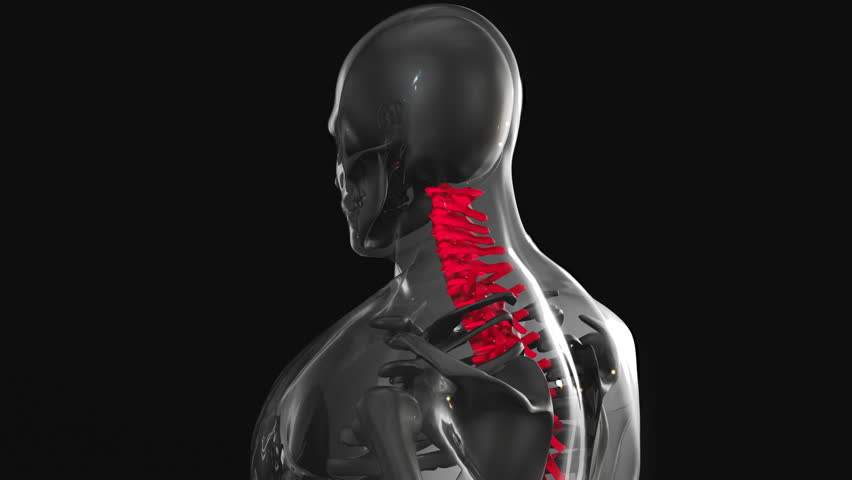
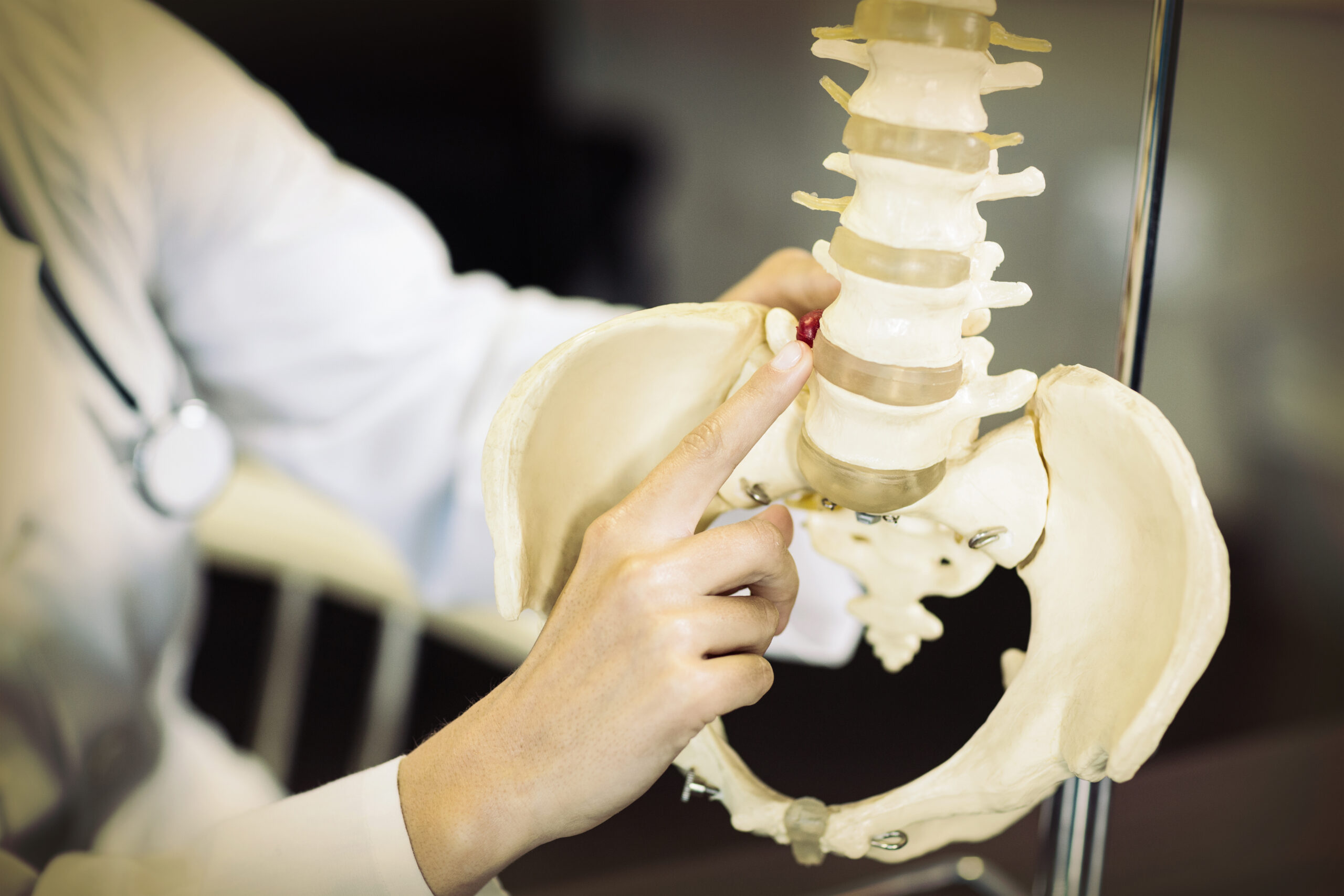
Spinal health plays a critical role in preventing workplace injuries, particularly for manual laborers who face physical demands daily. A well-aligned spine supports proper posture, balance, and movement, reducing strain on muscles and joints. Chiropractic care focuses on maintaining this alignment through adjustments and targeted interventions. For manual laborers, even minor misalignments can lead to chronic pain or acute injuries, impacting productivity and safety. Regular chiropractic check-ups help identify and address these issues early, fostering resilience against job-related stressors. By prioritizing spinal health, workers can enhance their ability to perform physically demanding tasks with greater ease and reduced risk of harm.
Common Injuries and Risk Factors in Manual Labor
Manual laborers are prone to specific injuries due to repetitive motions, heavy lifting, and awkward postures. Common issues include lower back strain, shoulder injuries, and wrist or hand trauma. These risks are often exacerbated by poor ergonomics, lack of proper training, or inadequate rest. For example, construction workers may face spinal compression from lifting heavy materials, while warehouse employees might develop repetitive strain injuries from sorting tasks. Chiropractors assess these risk factors to create proactive strategies. By understanding the unique demands of each job, they can recommend tailored care plans that address vulnerabilities, such as strengthening weak muscles or improving joint mobility to prevent common injuries.
Key Chiropractic Techniques for Injury Prevention
Chiropractic care employs a variety of techniques to prevent injuries and support musculoskeletal health. Spinal adjustments restore proper alignment, reducing pressure on nerves and muscles. Soft tissue therapies, like Active Release Technique (ART), target muscle tension and scar tissue buildup, enhancing flexibility. Corrective exercises are often prescribed to strengthen core and stabilizing muscles, which are vital for maintaining posture during physical tasks. These methods work synergistically to improve body mechanics and reduce injury risk. For manual laborers, consistent use of these strategies can lead to better endurance and fewer work-related ailments. Chiropractors may also incorporate ergonomic assessments to identify and mitigate environmental risks, ensuring a holistic approach to injury prevention.
Tailoring Strategies to Specific Jobs and Tasks
Effective injury prevention requires adapting chiropractic strategies to the unique demands of each job. A construction worker may need spinal and joint support to handle heavy lifting, while a warehouse employee might benefit from posture correction and wrist stabilization. Chiropractors evaluate the physical requirements of a role, such as repetitive motions or prolonged standing, to design personalized care plans. For instance, a carpenter might receive targeted adjustments for shoulder and neck mobility, whereas a factory worker could focus on lower back and hip flexibility. By aligning care with job-specific challenges, chiropractors help workers maintain optimal function and reduce strain. This tailored approach ensures that interventions address the root causes of potential injuries, promoting long-term safety and performance.
Integrating Ergonomics and Posture Training
Ergonomics and proper posture are foundational to preventing workplace injuries. Chiropractors often collaborate with employers to assess and improve workstations, tools, and task designs. For example, adjusting the height of a workbench or providing supportive footwear can significantly reduce strain on the back and legs. Posture training is another key component, teaching workers how to lift, bend, and move safely. Chiropractors may demonstrate techniques to minimize spinal compression during heavy lifting or repetitive tasks. By combining these strategies with regular adjustments, manual laborers can maintain better body mechanics. This dual focus on environmental and individual factors creates a safer, more sustainable work environment, reducing the likelihood of chronic pain or acute injuries.
Ongoing Monitoring and Preventive Care Plans
Preventing workplace injuries requires consistent monitoring and adaptive care plans. Chiropractors work with manual laborers to establish regular check-ups, ensuring that any emerging issues are addressed before they escalate. These visits may include assessments of spinal alignment, muscle strength, and joint function, allowing for timely interventions. Preventive care plans often incorporate exercises, ergonomic adjustments, and lifestyle recommendations tailored to the worker’s specific job. For instance, a worker with a high-risk job might receive more frequent adjustments or targeted therapies to maintain resilience. By fostering a proactive approach, chiropractors empower workers to take charge of their health. This ongoing partnership not only reduces injury risk but also enhances overall well-being, enabling manual laborers to perform their duties with greater confidence and safety.