Introduction to Animal Chiropractic for Dogs
Animal chiropractic focuses on diagnosing and treating musculoskeletal issues in pets, particularly dogs, by addressing spinal misalignments and nerve interference. This practice adapts human chiropractic techniques to suit animals' unique anatomy and behavior. While human adjustments prioritize posture and spinal alignment, canine chiropractic considers the animal’s movement patterns, breed-specific vulnerabilities, and the role of the nervous system in overall health. Many dog owners seek this care for issues like lameness, stiffness, or post-injury recovery, often in conjunction with traditional veterinary medicine. The goal is to restore mobility, reduce pain, and enhance quality of life through non-invasive, holistic methods.
Common Musculoskeletal Issues in Canines
Dogs commonly experience musculoskeletal challenges such as hip dysplasia, arthritis, intervertebral disc disease, and ligament tears. These conditions can stem from genetics, aging, obesity, or overexertion during physical activities. For example, large breeds are prone to hip dysplasia, while smaller dogs may develop patellar luxation. Arthritis is prevalent in older dogs, causing joint inflammation and reduced mobility. Spinal issues like spondylosis or disc herniation can also lead to pain and neurological symptoms. Early intervention is critical, as untreated problems may worsen over time. Animal chiropractors assess these issues through physical exams and mobility tests, tailoring adjustments to the dog’s specific needs while collaborating with veterinarians to ensure comprehensive care.
Techniques Used in Animal Chiropractic Adjustments
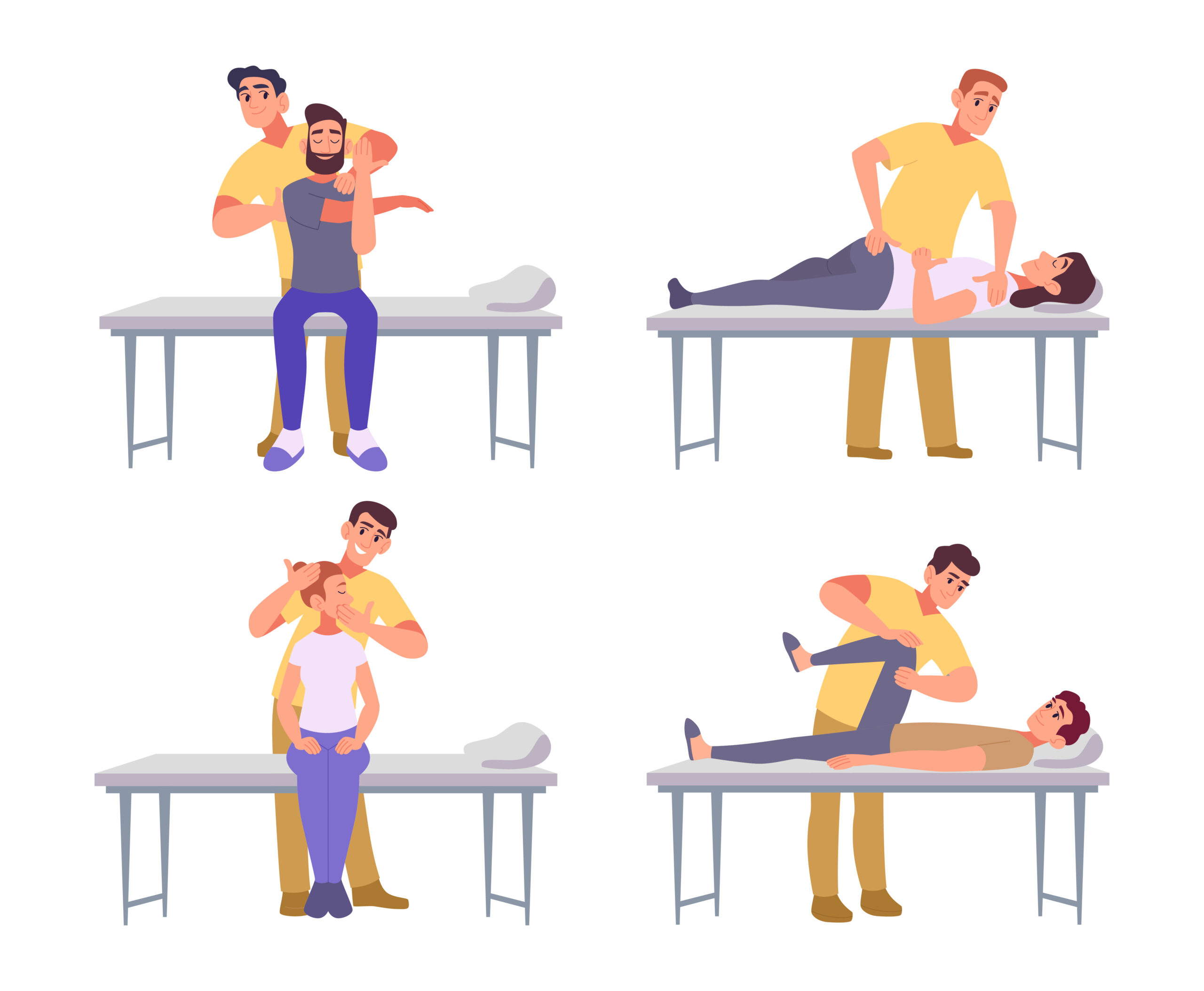
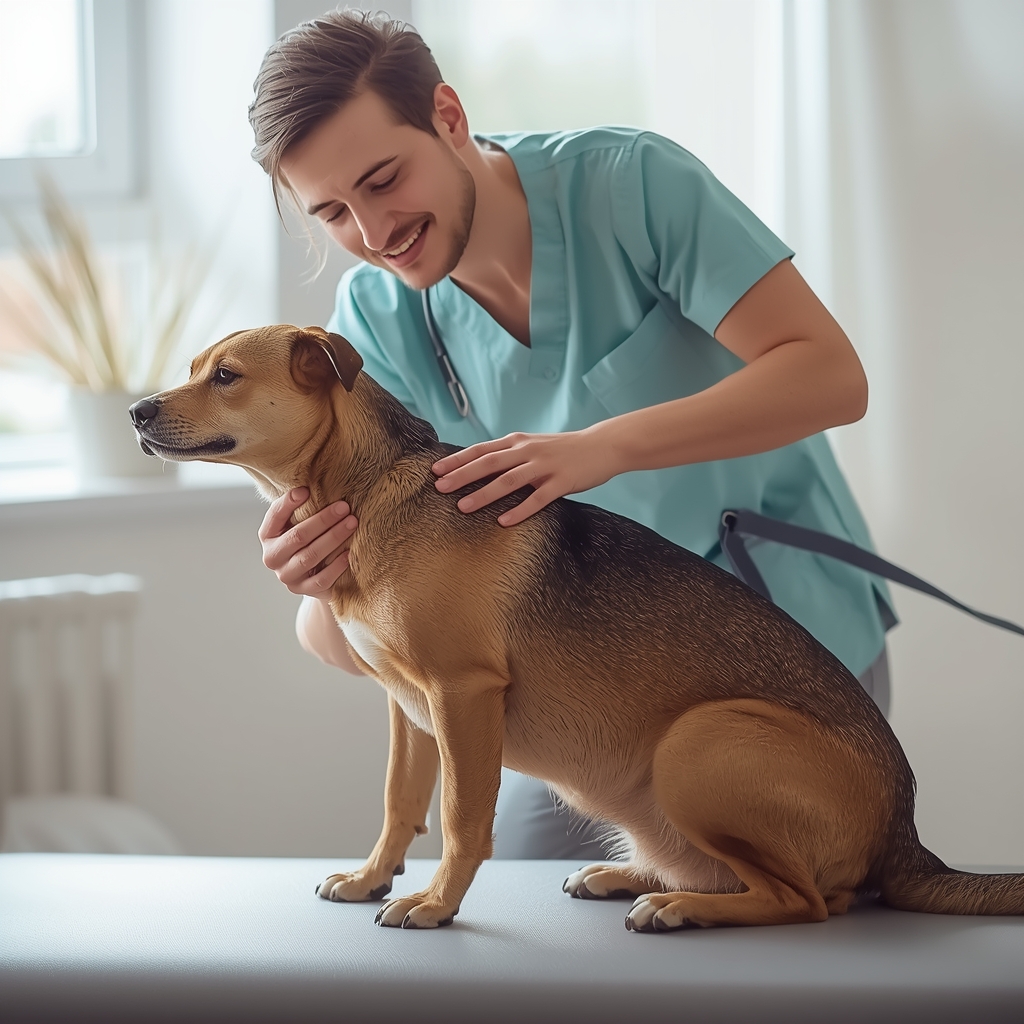
Animal chiropractors use gentle, targeted adjustments to realign the spine and improve nervous system function. Techniques often involve manual manipulation of the vertebrae, soft tissue work, and muscle testing to identify areas of dysfunction. For dogs, practitioners may employ low-force methods like activator instruments or mobilization to avoid discomfort. The approach emphasizes the animal’s comfort and cooperation, often requiring patience and positive reinforcement. Adjustments focus on restoring joint mobility, reducing inflammation, and alleviating nerve pressure. Some methods also incorporate therapeutic exercises or stretches to support long-term musculoskeletal health. These techniques are typically painless and non-invasive, making them suitable for dogs of all ages and conditions.
Key Differences Between Canine and Human Adjustments
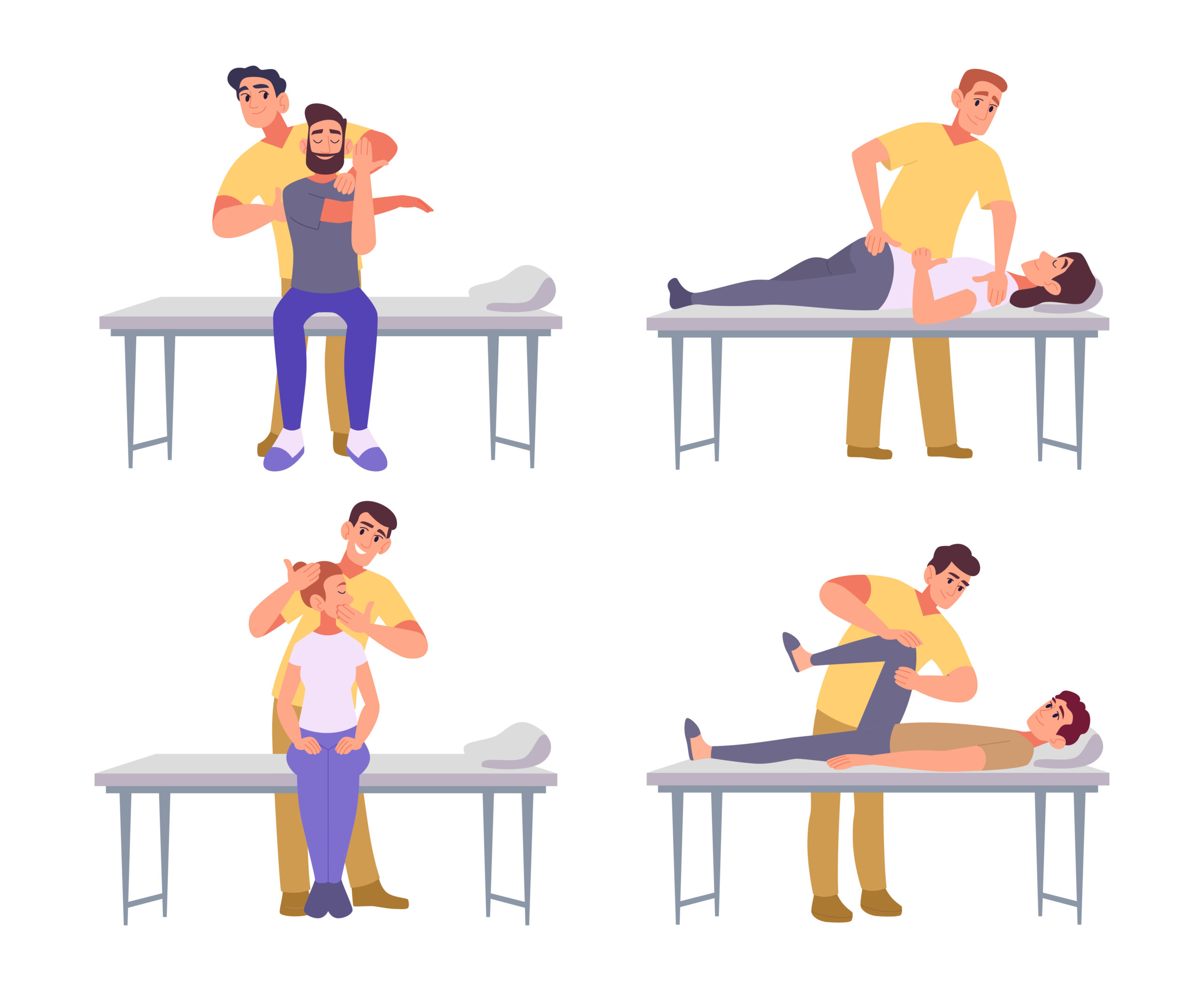
While both human and animal chiropractic aim to correct spinal misalignments, the methods differ significantly. Human adjustments often involve high-velocity, low-amplitude thrusts, whereas canine care prioritizes gentler, low-force techniques to accommodate a dog’s smaller frame and sensitivity. Animal chiropractors must also consider the pet’s body structure, such as the shorter spine and different gait patterns in dogs. Additionally, the process requires adapting to the animal’s behavior, as many dogs may not remain still during adjustments. Human patients typically communicate their discomfort, while veterinarians and chiropractors rely on observational cues in animals. These differences highlight the specialized training needed for animal chiropractic, ensuring safety and effectiveness for canine patients.
Benefits and Outcomes of Animal Chiropractic Care
Regular animal chiropractic sessions can lead to improved mobility, reduced pain, and enhanced overall well-being in dogs. By addressing spinal misalignments, practitioners help alleviate pressure on nerves, which may improve organ function and immune response. Dogs with chronic conditions like arthritis often experience increased flexibility and comfort, allowing them to maintain an active lifestyle. Post-surgical or injury recovery may also benefit from chiropractic care, as it supports the body’s natural healing processes. Many owners report behavioral improvements, such as reduced aggression or anxiety, linked to pain relief. However, results vary depending on the dog’s condition and the practitioner’s expertise. Consistent care, combined with veterinary guidance, is essential for optimal outcomes.
When to Seek Professional Help for Your Dog
If your dog shows signs of musculoskeletal distress—such as limping, stiffness, difficulty rising, or changes in gait—it’s wise to consult a qualified animal chiropractor. These professionals work alongside veterinarians to diagnose and treat conditions without invasive procedures. Before starting care, ensure the chiropractor is certified by a recognized organization, such as the American Veterinary Chiropractic Association. Avoid self-treatment or unqualified practitioners, as improper adjustments could worsen the issue. Regular check-ups may also help prevent future problems, especially in senior dogs or breeds prone to joint issues. Remember, chiropractic care is a complementary therapy and should not replace veterinary advice. Always discuss your dog’s specific needs with a licensed professional to determine the best course of action.