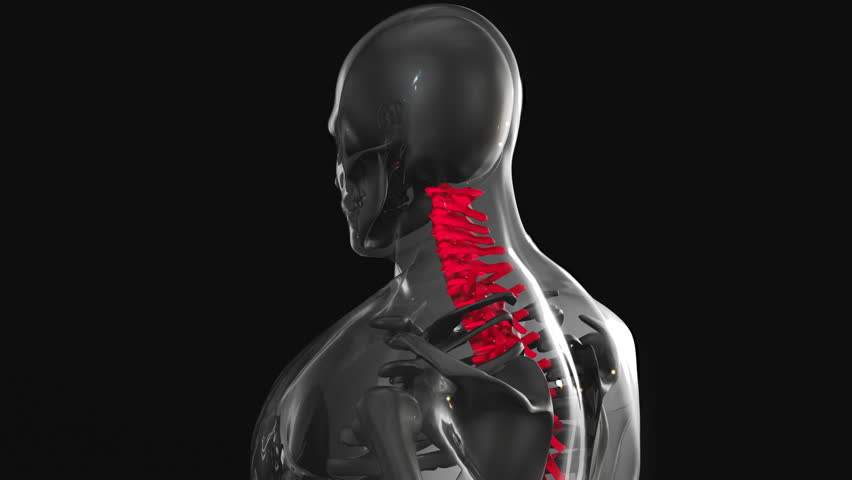
Understanding Vitamin D’s Role in Spinal Health
Vitamin D is essential for maintaining strong bones and supporting overall musculoskeletal function. It helps the body absorb calcium, which is critical for bone density and structural integrity. For the spine, this means adequate vitamin D levels can reduce the risk of conditions like osteoporosis, which weakens vertebrae and increases fracture susceptibility. Additionally, vitamin D supports muscle function and nerve signaling, both of which are vital for spinal stability and pain regulation. While research continues to explore its full impact, general consensus highlights its importance in preventing degenerative spinal changes and maintaining proper posture. However, deficiency can lead to weakened bones, chronic pain, and impaired recovery from spinal injuries, underscoring the need for balanced nutrition and lifestyle habits.
How Vitamin D Deficiency Affects the Spine
Low vitamin D levels can compromise spinal health by weakening bones and increasing the risk of fractures, particularly in the vertebrae. This deficiency may also contribute to muscle weakness, which can strain the spine and lead to poor posture or chronic pain. Some studies suggest a link between vitamin D insufficiency and conditions like osteomalacia, where softened bones cause skeletal deformities and discomfort. Additionally, vitamin D plays a role in reducing inflammation, so its deficiency might exacerbate spinal conditions such as herniated discs or arthritis. While the exact mechanisms are still being studied, the connection between vitamin D and spinal resilience is widely acknowledged. Individuals experiencing unexplained back pain or mobility issues may benefit from evaluating their vitamin D status as part of a broader health assessment.
The Chiropractic Perspective on Nutritional Support
Chiropractors often address spinal health through adjustments and lifestyle guidance, but they also recognize the importance of nutrition in overall wellness. While they do not prescribe supplements or diagnose deficiencies, they may advise patients on dietary habits that support bone and muscle health. For example, recommending foods rich in vitamin D, such as fatty fish or fortified dairy, or suggesting sunlight exposure to boost natural synthesis. Chiropractors might also collaborate with other healthcare providers to ensure patients receive comprehensive care. By integrating nutritional awareness into their practice, chiropractors help patients understand how factors like vitamin D levels can influence spinal function and recovery. This holistic approach emphasizes the interconnectedness of diet, physical health, and spinal well-being.
Chiropractic Care and Addressing Deficiency-Related Issues
Chiropractic care focuses on spinal alignment and nervous system function, which can indirectly support individuals with vitamin D deficiency. By improving posture and reducing mechanical stress on the spine, adjustments may alleviate some symptoms associated with weakened bones or muscle imbalances. However, chiropractors typically do not treat vitamin D deficiency directly. Instead, they may refer patients to medical professionals for blood tests and appropriate interventions, such as supplementation or dietary changes. This collaborative approach ensures patients receive both structural and nutritional support. Chiropractors might also educate patients on the importance of maintaining optimal vitamin D levels to prevent long-term spinal complications. Their role is to complement, not replace, medical treatments, fostering a team-based strategy for holistic health.
Integrating Chiropractic and Nutritional Strategies
A comprehensive approach to spinal health often involves combining chiropractic care with nutritional support. Chiropractors may work alongside nutritionists or primary care providers to address vitamin D deficiency through personalized plans. For instance, a patient with chronic back pain might receive adjustments to improve mobility while also receiving guidance on dietary changes or supplements to strengthen their bones. This integrated model recognizes that spinal function is influenced by both physical alignment and internal health factors. Patients are encouraged to discuss their nutritional needs with their chiropractor, who can provide general recommendations or facilitate referrals. By bridging these disciplines, chiropractors help patients achieve better outcomes through a multifaceted strategy that supports long-term spinal wellness.
Consulting a Chiropractor for Personalized Guidance
If you suspect vitamin D deficiency is impacting your spinal health, a chiropractor can offer valuable insights and referrals. While they cannot diagnose or treat deficiencies directly, they can assess how your nutritional habits and lifestyle factors may contribute to spinal issues. Chiropractors may suggest simple steps, such as increasing sun exposure or incorporating vitamin D-rich foods into your diet, while also emphasizing the importance of professional medical evaluation. They can also monitor your progress and adjust care plans as needed. By working with a qualified chiropractor, you gain access to a resource that prioritizes your overall well-being, ensuring that both your spine and nutritional needs are addressed in a coordinated manner.