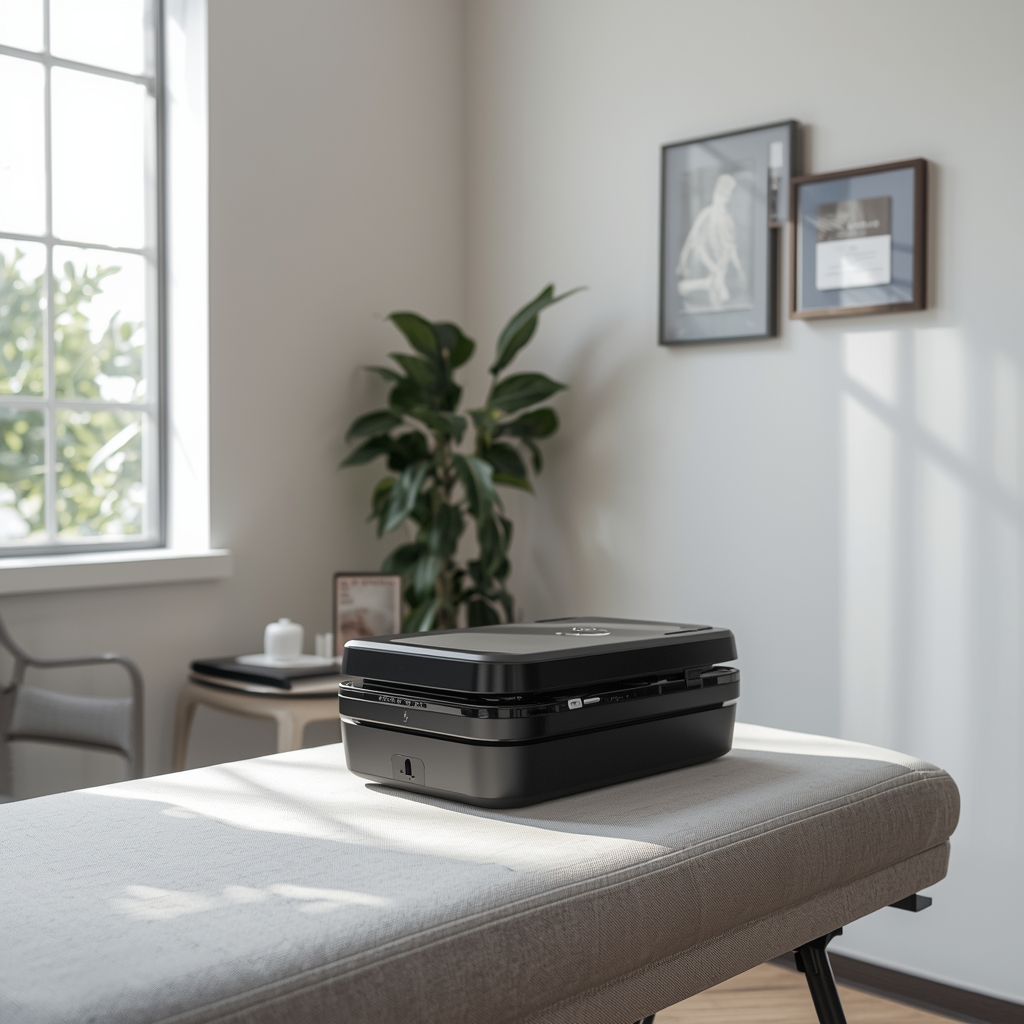
Understanding Spinal Decompression Therapy
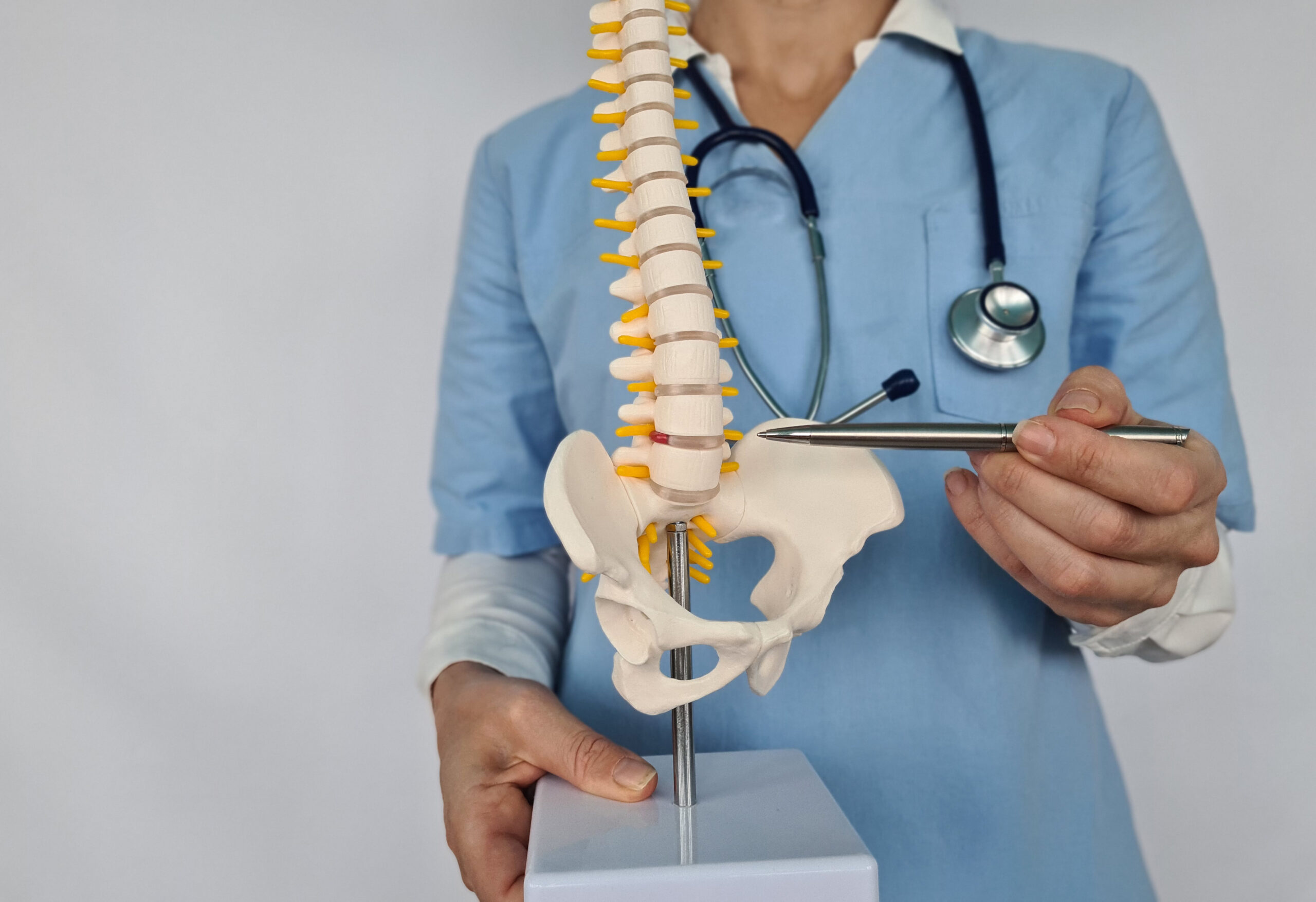
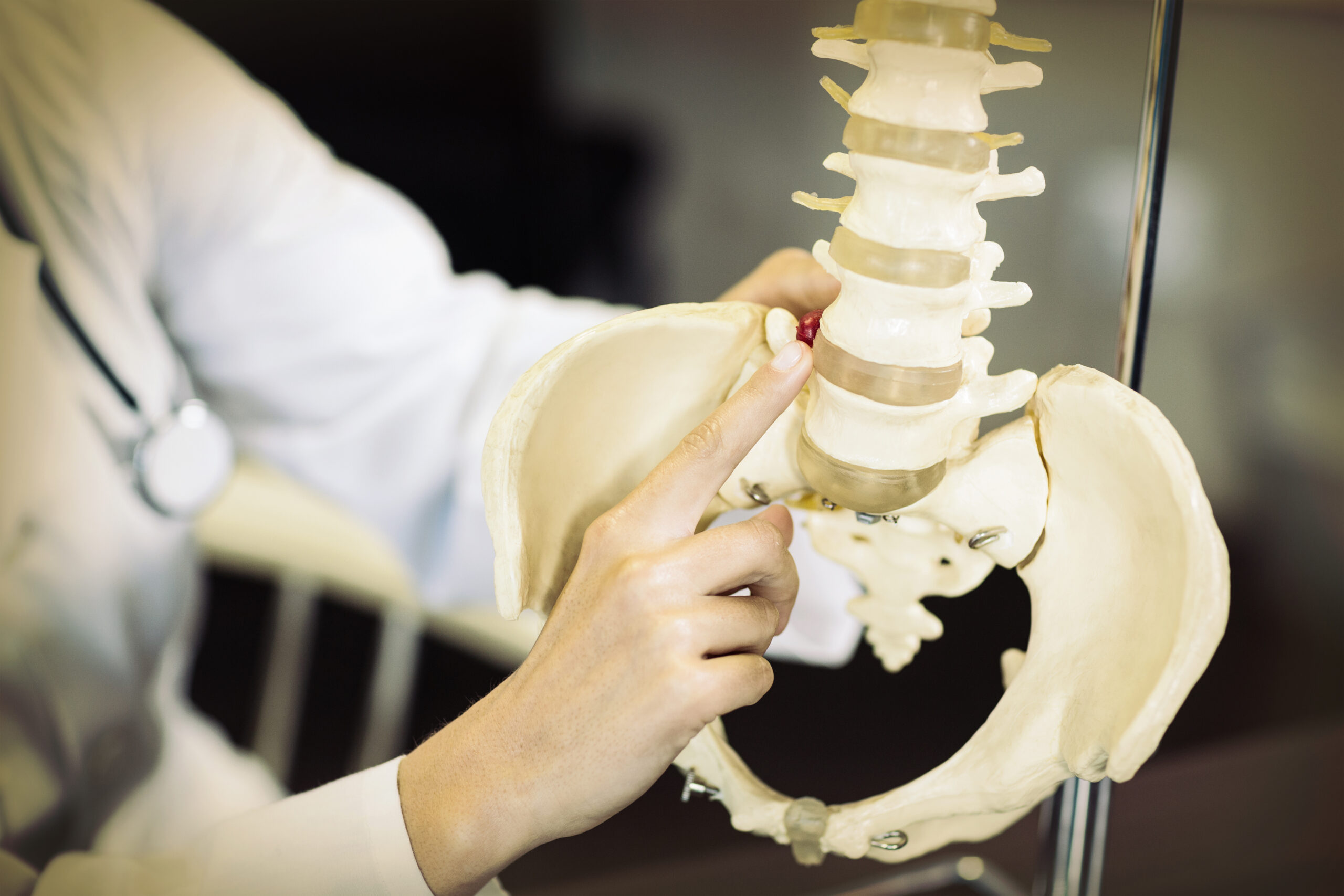
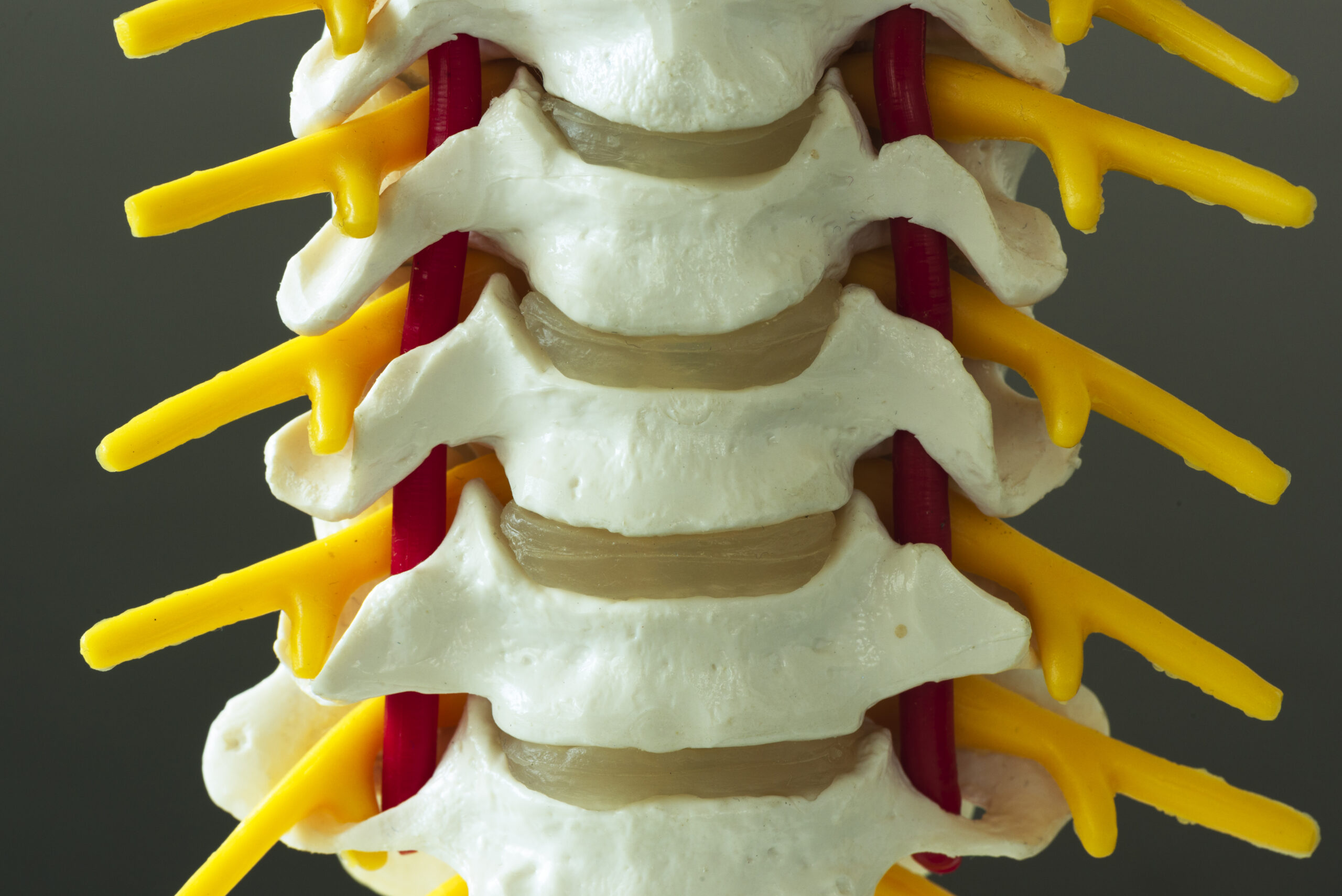
Spinal decompression therapy is a non-invasive approach designed to relieve pressure on the spine, often used for conditions like herniated discs or sciatica. Traditionally administered in clinical settings, this therapy involves gentle stretching of the spine to create space between vertebrae, potentially reducing nerve compression. While professional sessions remain common, recent advancements have led to the development of portable devices for home use. These tools aim to provide similar benefits in a more accessible format, allowing individuals to manage discomfort between chiropractic visits. However, it’s important to note that portable devices are not a replacement for professional care. Their effectiveness varies, and proper guidance from a qualified chiropractor is essential to ensure safe and appropriate use.
Portable Devices: From Clinical to Home Use
The shift toward home-use spinal decompression devices reflects broader trends in healthcare toward patient-centered, at-home solutions. Early models were bulky and required professional operation, but modern innovations prioritize portability and user-friendliness. These devices often use mechanical or pneumatic systems to apply controlled traction to the spine, mimicking the effects of clinical decompression. Some incorporate adjustable settings to accommodate different body types and conditions. While this accessibility is a significant advantage, it also raises questions about proper usage and safety. Without professional oversight, users may not achieve optimal results or could risk injury. As the market grows, it’s crucial to distinguish between devices that align with established chiropractic principles and those that lack evidence-based design.
Key Innovations in Portable Technology
Recent advancements in portable spinal decompression devices highlight improvements in technology and user experience. Many now feature smart sensors that monitor pressure levels and adjust settings in real time, enhancing safety and effectiveness. Wireless connectivity allows users to track progress via mobile apps, providing insights into usage patterns and potential areas for improvement. Ergonomic designs have also evolved, with devices tailored for comfort during extended sessions. Some models integrate heat therapy or muscle stimulation to complement decompression effects. These innovations aim to make home use more intuitive and beneficial, but they also underscore the need for informed decision-making. Patients should evaluate devices based on their specific needs and consult with a chiropractor to determine suitability.
Benefits and Considerations for Home Use
Portable spinal decompression devices offer several advantages, including convenience and the ability to maintain consistent care routines. They can be particularly useful for individuals with busy schedules or limited access to in-office treatments. Regular use may help alleviate chronic pain, improve mobility, and support overall spinal health. However, these devices are not universally applicable. They may not address complex spinal issues or replace the comprehensive care provided by a chiropractor. Users should also be aware of potential risks, such as improper positioning or overuse, which could exacerbate existing conditions. It’s essential to approach home decompression therapy as a complementary tool rather than a standalone solution, always prioritizing professional guidance to avoid complications.
Ensuring Safety and Proper Usage
Safety is a critical factor when using portable spinal decompression devices at home. Improper setup or incorrect technique can lead to discomfort or injury, emphasizing the importance of following manufacturer instructions and professional recommendations. Chiropractors can help determine the appropriate device for a patient’s specific condition and provide training on its use. Regular check-ins with a healthcare provider ensure that the device remains effective and safe over time. Additionally, users should be vigilant about any adverse reactions, such as increased pain or numbness, and discontinue use if concerns arise. By combining home use with professional oversight, individuals can maximize benefits while minimizing risks, making these devices a valuable addition to a broader treatment plan.
Future Trends in Spinal Decompression Technology
The future of portable spinal decompression devices is likely to involve further integration of advanced technologies. Innovations such as AI-driven customization, real-time biometric feedback, and adaptive algorithms may enhance precision and user experience. Wearable technology could also play a role, offering continuous monitoring and adjustments during daily activities. As research continues, there may be greater emphasis on evidence-based design, ensuring devices meet clinical standards. However, these developments will require careful evaluation to balance innovation with safety. Patients and practitioners alike should stay informed about emerging options, prioritizing tools that align with established chiropractic principles. Ultimately, the goal remains to provide effective, accessible care that supports long-term spinal health without compromising safety.